In the hills north of Paphos, a prehistoric village called Lemba-Lakkous offers a rare window into life 5,000 years ago. This Chalcolithic settlement produced some of Cyprus’s most remarkable figurines and became the foundation for one of archaeology’s most ambitious experiments: rebuilding an ancient village.
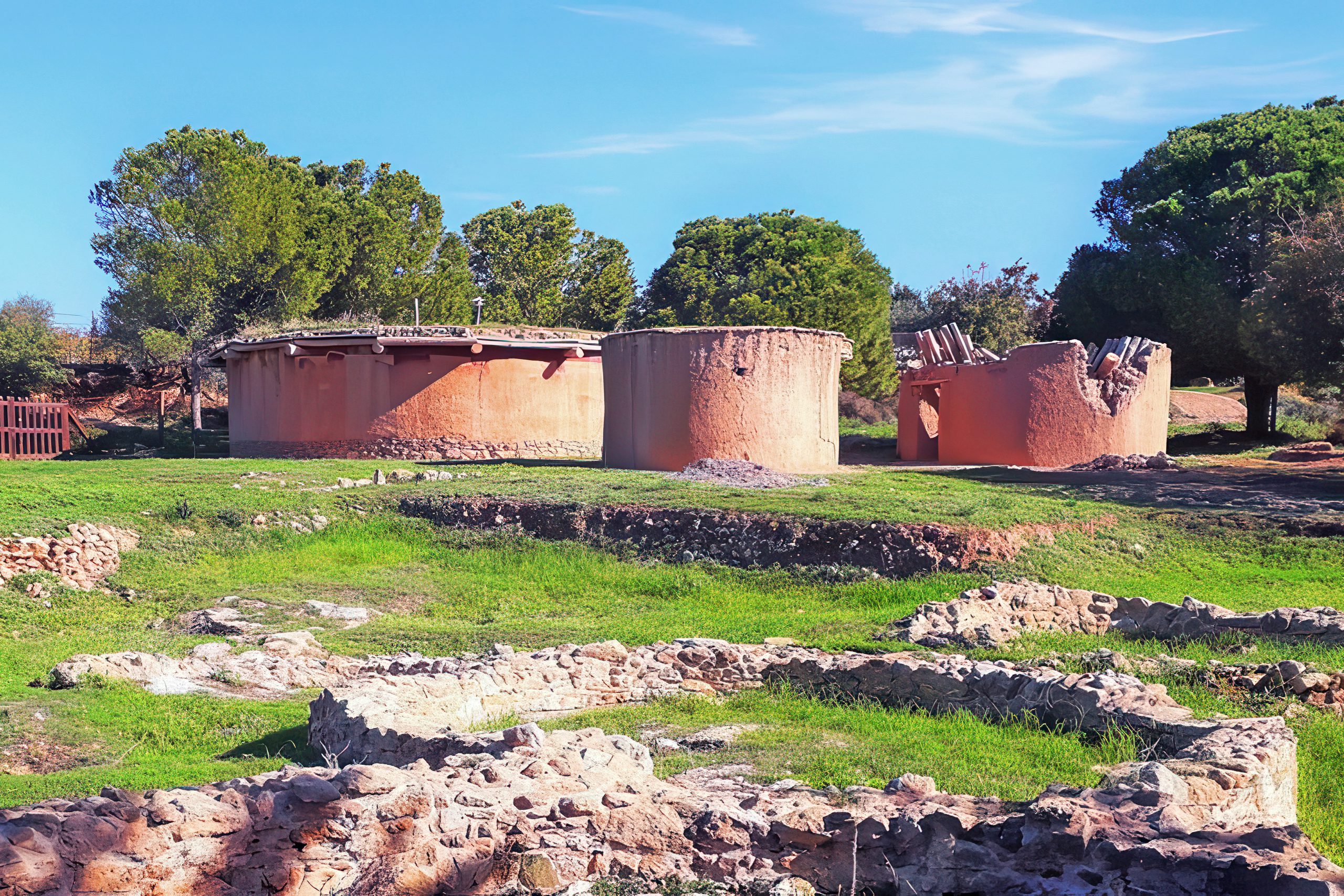
Lemba-Lakkous sits just six miles north of Paphos in southwestern Cyprus, in a region known as the Ktima Lowlands. The settlement dates to the Late Chalcolithic period, from roughly 3500 to 2400 BC. This was a time when Cyprus saw remarkable cultural development, with around 100 villages spread across the island and communities mastering both stone tools and early copper metalwork.
The site is part of a cluster of related settlements in the area, including Kissonerga-Mosphilia and Kissonerga-Mylouthkia. These villages likely held around 100 circular houses each, connected by shared traditions, pottery styles, and symbolic practices.
How Archaeologists Uncovered the Site
Modern excavations at Lemba-Lakkous began in 1976 under Professor Edgar Peltenburg of the University of Edinburgh. This marked the start of the Lemba Archaeological Project, which would transform our understanding of prehistoric Cyprus. The team worked at Lemba-Lakkous from 1976 to 1983, methodically uncovering layers of occupation that spanned centuries.
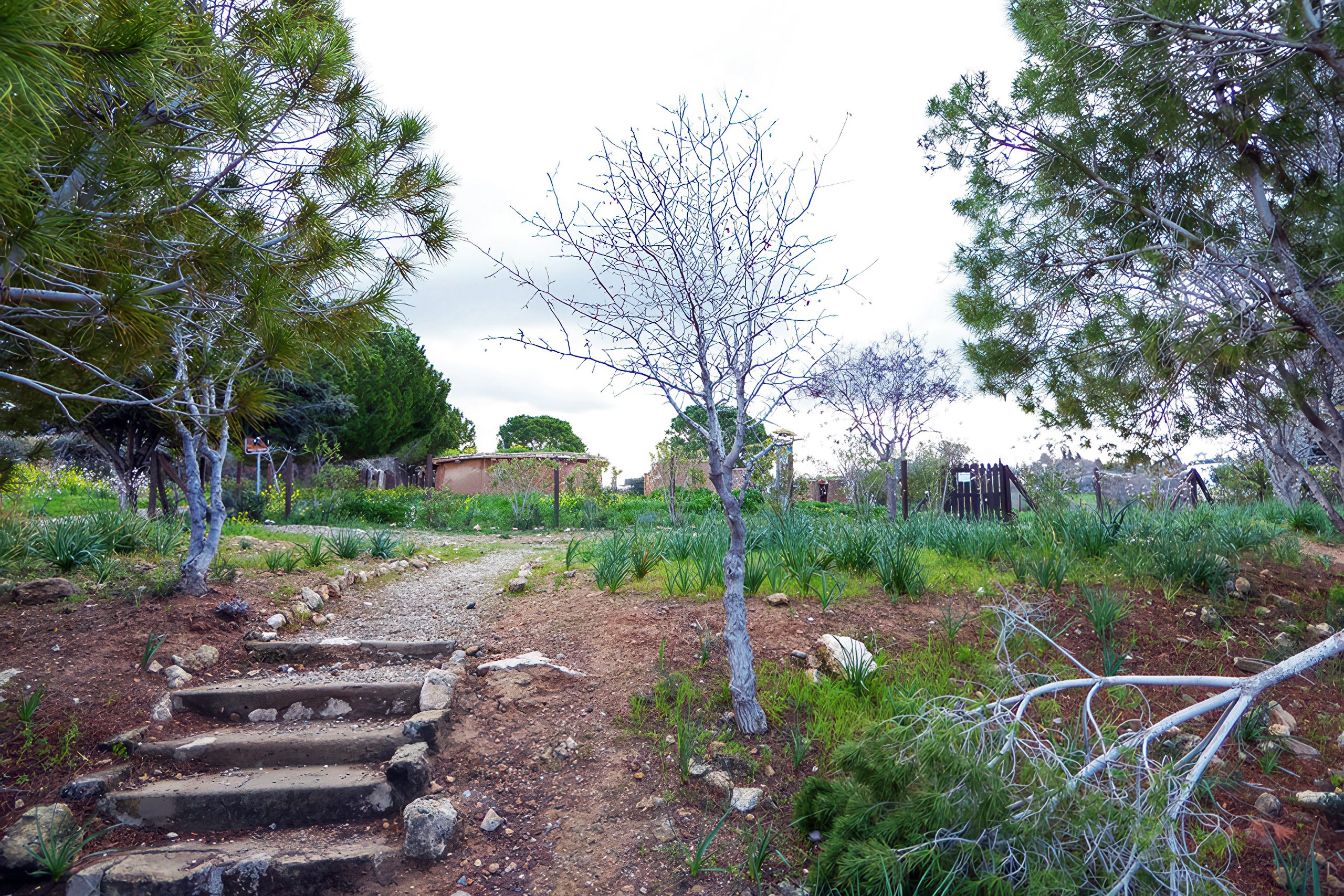
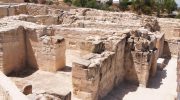
The excavations revealed seven structures, three of which preserved their stone foundations in excellent condition. The team established the Lemba Archaeological Research Centre in the village, converting traditional Cypriot houses into a base for their work. This center became the headquarters for excavations throughout the Paphos District, supporting research that continued for decades.
What Life Was Like in the Village
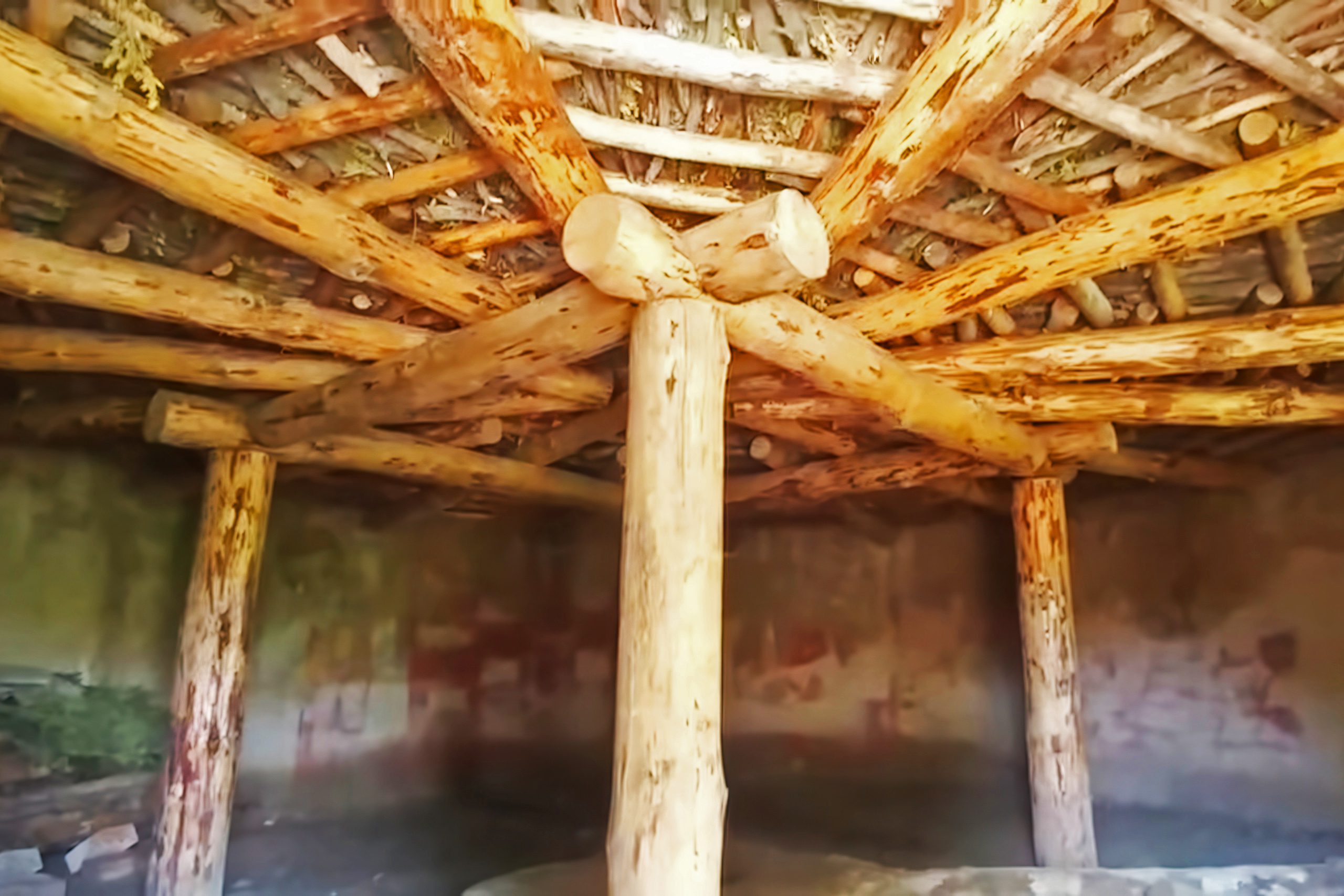
The houses at Lemba-Lakkous were circular structures with diameters ranging from 3 to 16 meters. The larger buildings featured central hearths made of stones covered with lime plaster. Post holes in the floors show where wooden supports held up the roofs. The foundations were built from stone, with upper walls constructed from pisé, a mixture of mud and straw.
Near the houses, archaeologists found pit-shaped tombs where the dead were buried in a contracted position. Most skeletons belonged to children and infants, suggesting adults may have been buried elsewhere. The tombs contained few offerings, typically one or two items per burial, including pendants or small figurines.
Animal bones and seed remains paint a picture of a diverse economy. The inhabitants hunted, fished, gathered wild plants, and cultivated crops. They kept livestock and showed sophisticated knowledge of their environment.
The Famous Lady of Lemba
The most celebrated find from Lemba-Lakkous is a limestone figurine now known as the Lady of Lemba. Standing 36 centimeters tall, it is one of the largest cruciform figurines ever discovered in Cyprus. The statue depicts a standing figure with outstretched arms, broad hips, and schematized features. It dates to around 3500 BC.
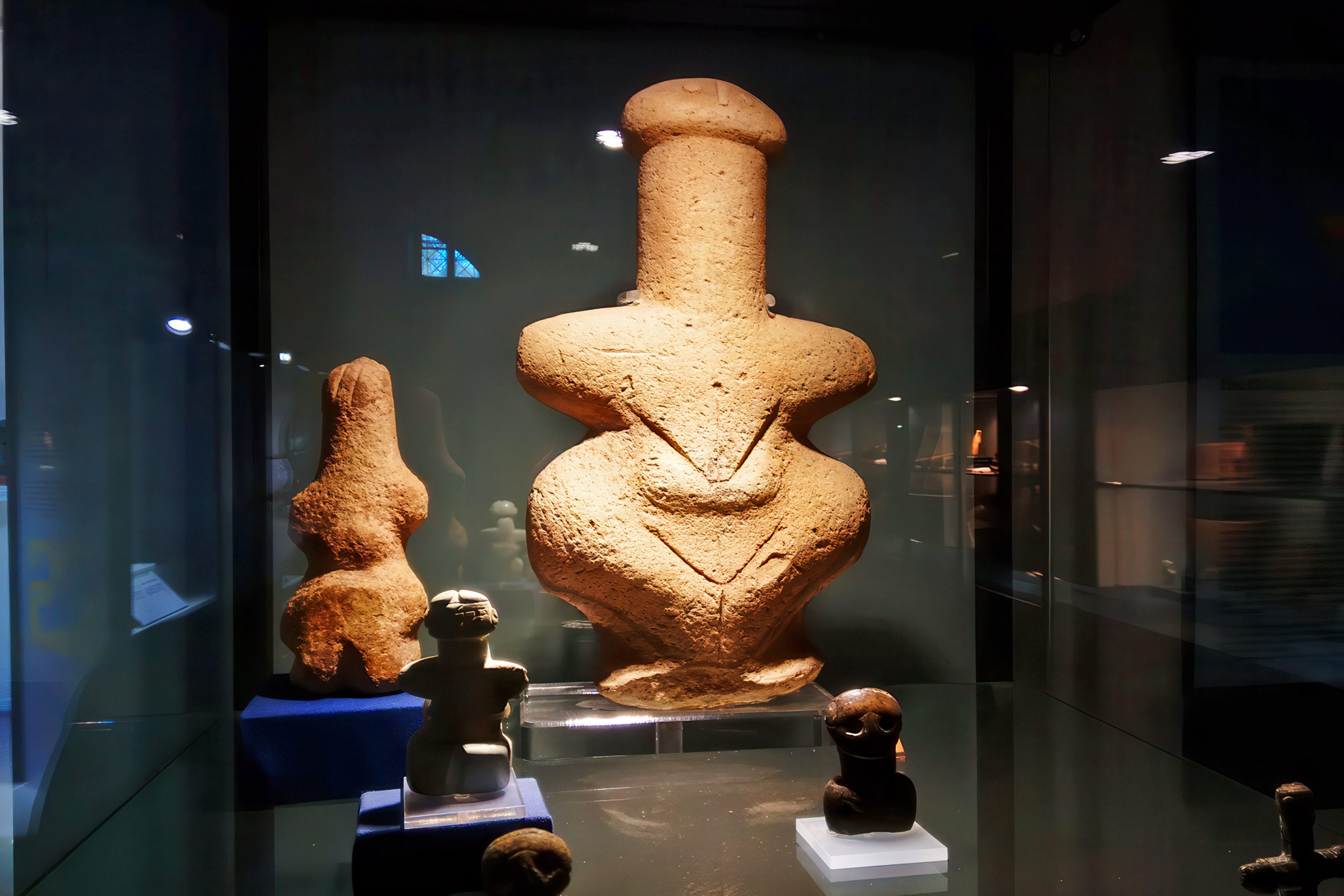
This figurine was found in a building that occupied a special location on a terrace edge, set apart from other clustered structures. The building’s isolated position in an earlier burial ground suggests it held ceremonial or religious significance. The Lady of Lemba now resides in the Cyprus Archaeological Museum in Nicosia.
Cruciform figurines like this were characteristic of the Late Chalcolithic period. Made from limestone or picrolite, they represent the human form in a highly stylized way. Most scholars associate them with fertility, rebirth, and religious practices related to birth. The cross shape may have held symbolic meaning for these ancient communities.
Interestingly, the Lady of Lemba has attracted wild internet legends claiming it carries a deadly curse. These stories are complete fabrications with no historical basis. The statue was discovered in the 1970s, not 1878, and has never belonged to any cursed families.
The Experimental Village That Changed Archaeology
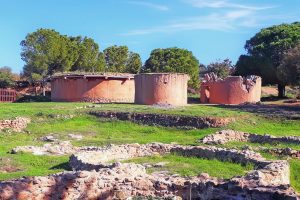
In 1982, the Lemba Archaeological Project launched something unprecedented: the Lemba Experimental Village. Built on land adjacent to the excavations, this became the first experimental archaeology program in the entire Eastern Mediterranean. The goal was to understand prehistoric buildings and how they affected the formation of archaeological sites.
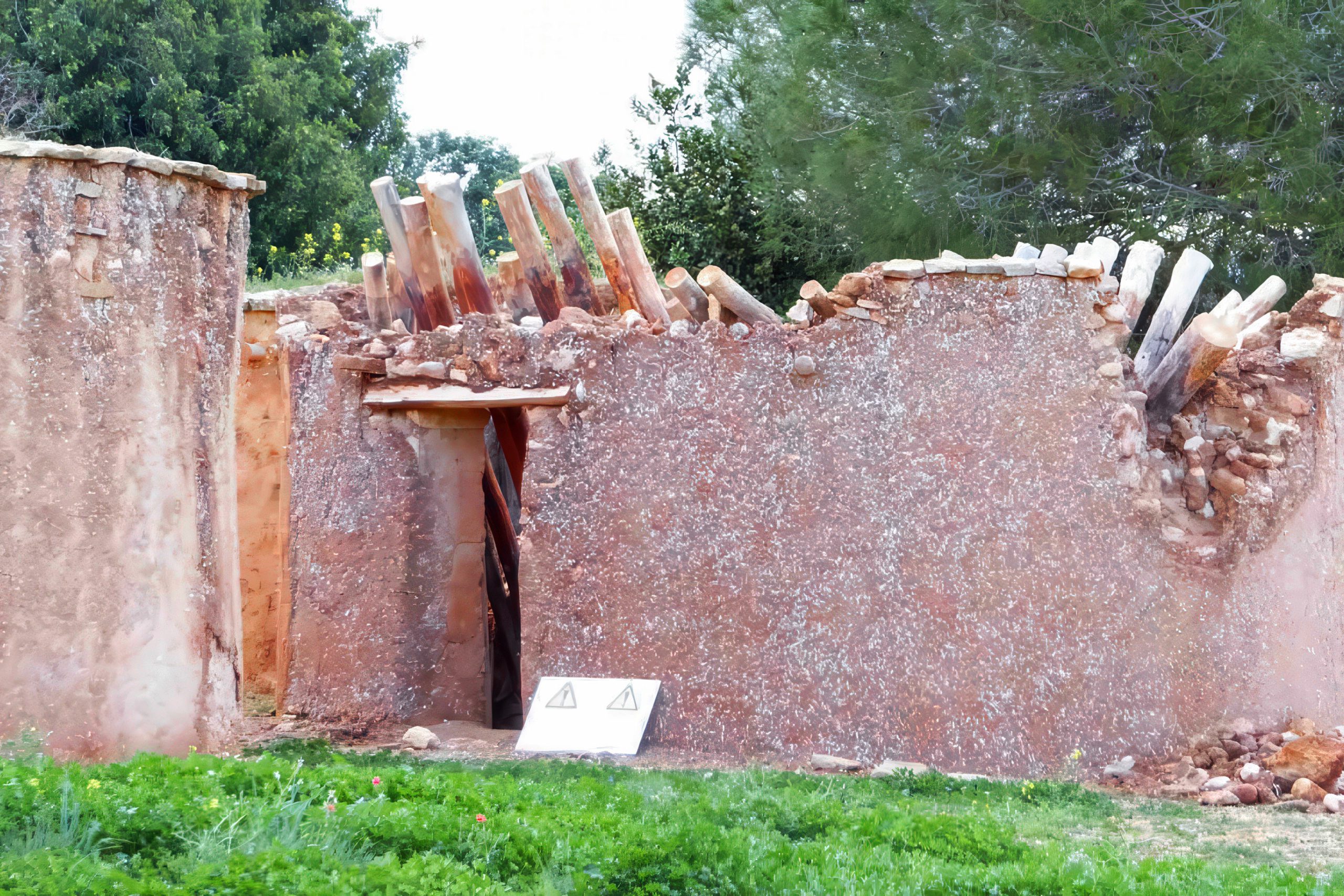
Archaeologists constructed seven structures using the same materials and techniques as the Chalcolithic builders: stone, wood, clay, and lime plaster. The largest circular house has an external diameter of 10 meters and represents a Middle Chalcolithic dwelling. Some buildings were deliberately destroyed, either by fire or natural collapse, to help researchers understand how ancient houses decayed.
The experimental village became an important visitor attraction and educational resource. It now forms part of the Aphrodite Cultural Route and offers the public a unique chance to experience the conditions of prehistoric life. Visitors can see how these circular houses were built and understand the challenges faced by Chalcolithic communities.
Why the Village Was Abandoned
Around 2400 BC, Lemba-Lakkous and other major Chalcolithic settlements in the Paphos area were abandoned. This marked the end of an era that had lasted over 1,300 years. The distinctive pottery styles disappeared, the production of cruciform figurines ceased, and entire cultural traditions vanished.
Some scholars point to environmental changes, others to social reorganization or economic shifts. New people arrived from Anatolia around 2400 BC, bringing different technologies and cultural practices. The Chalcolithic way of life, which had defined western Cyprus for over a millennium, came to an end. The research at Lemba-Lakkous continues to influence our understanding of prehistoric Cyprus.
Visiting Lemba Today
The village of Lemba remains one of the most ancient settlements in Cyprus, with a history stretching back nearly 6,000 years. The archaeological site of Lemba-Lakkous sits within the modern village, about six kilometers northwest of Paphos. The area is accessible to visitors interested in prehistoric Cyprus.
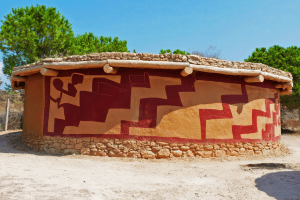
The Lemba Experimental Village welcomes visitors and offers a hands-on look at Chalcolithic life. The reconstructed circular houses give a tangible sense of how people lived in 3500 BC.
Modern Lemba has also become known for its artistic community. The Lemba School of Fine Arts, founded in 1981, brought international recognition to the village. Today, visitors can see artists at work and explore galleries featuring both traditional crafts and contemporary art.
Why Lemba-Lakkous Matters
Lemba-Lakkous represents more than just an archaeological site. It captures a crucial moment in Cypriot history when communities were developing complex social structures, creating powerful symbolic art, and establishing traditions that would influence the island for centuries. The cruciform figurines crafted here reflect beliefs about fertility, life, and death that connected people across the island.
The experimental village adds another dimension to this story. By rebuilding the houses and testing ancient techniques, archaeologists have gained insights impossible to achieve through excavation alone. Lemba-Lakkous shows us that understanding the past requires both careful digging and creative reconstruction. The site reminds us that Cyprus has been home to innovative, skilled communities for thousands of years, long before written history began.