Fertility and Mother Goddess cults in ancient Cyprus were the island’s earliest spiritual heartbeat, centered on a powerful female divine force that oversaw birth, growth, and the rhythms of nature. These beliefs weren’t about distant deities but a hands-on reverence for life’s cycles, helping early communities thrive amid uncertainty. Digging into them reveals how Cypriots turned everyday survival into something sacred, leaving us wondering just how much of that ancient wisdom still echoes today.
The Roots of Cyprus’s Earliest Beliefs
Imagine a time when religion wasn’t found in grand temples or holy books, but in the soil under your feet and the changing seasons overhead. That’s where Fertility and Mother Goddess cults began in Cyprus – as a practical way for prehistoric people to make sense of a world full of risks like failed crops or harsh winters. These weren’t fancy philosophies; they were born from the need to ensure life kept going. The Mother Goddess, often depicted as a nurturing female figure, symbolized the force behind everything that grew or multiplied. She wasn’t a queen on a throne but more like the earth’s own pulse, connecting humans to the land’s bounty. For early Cypriots, from the Chalcolithic period around 4000 BC onward, this wasn’t superstition – it was survival wrapped in awe, a way to feel in control of nature’s whims.
A History Woven from Stone and Clay
These cults stretch back to Cyprus’s Neolithic roots, but they really blossomed during the Chalcolithic and Bronze Ages, roughly 5000 to 3000 years ago. Archaeological digs, especially around Paphos and places like Lemba or Kissonerga, have unearthed clues that paint a vivid picture. Back then, as people shifted from hunting to farming, they faced new challenges: depending on rain for fields, animals for food, and births for the community’s future. The Mother Goddess emerged as a response, blending local ideas with influences from nearby Anatolia and the Levant – think migrations bringing bull cults and fertility symbols across the sea.
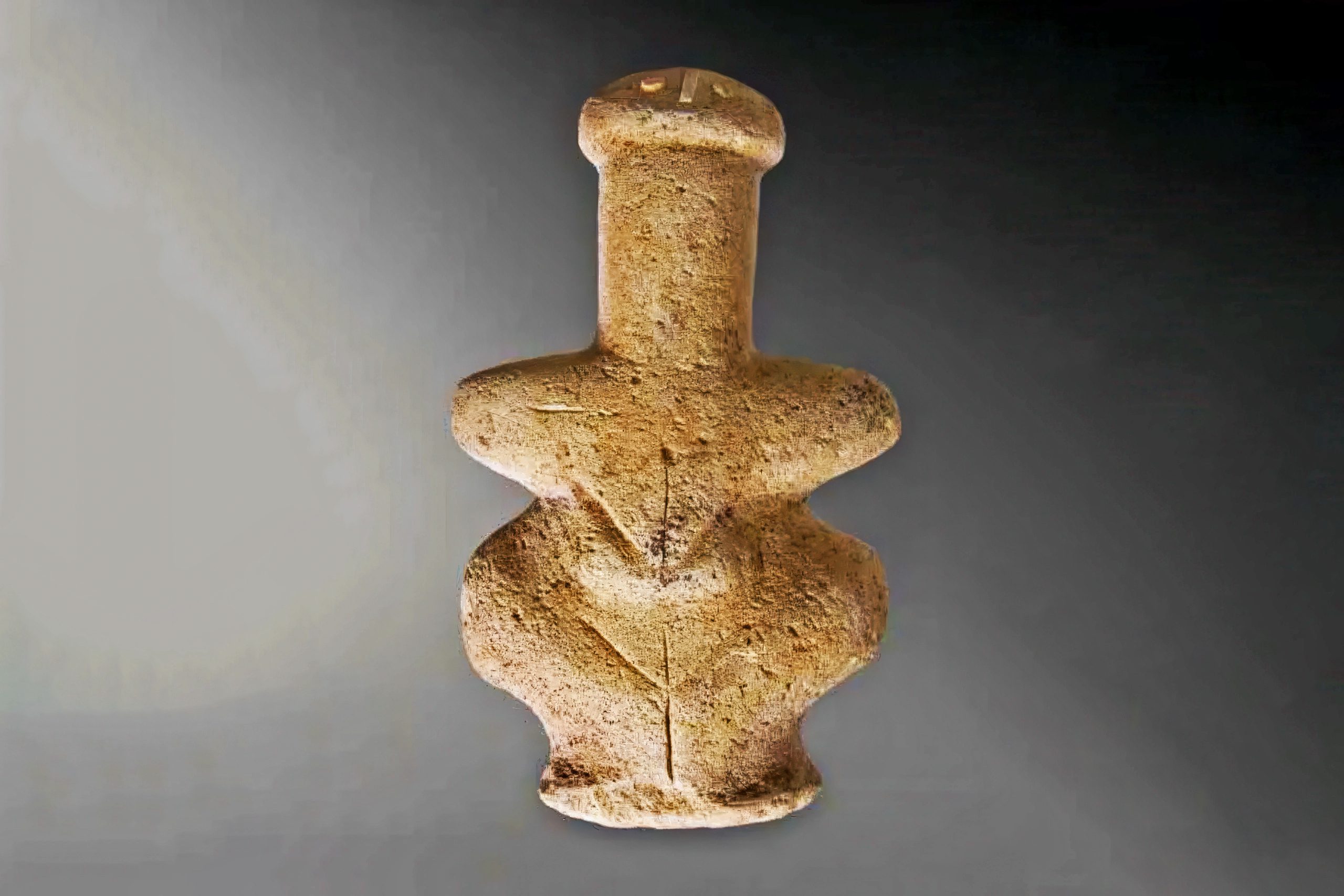
By the Early Bronze Age, around 2500 BC, these beliefs had evolved with society. Copper mining boomed on the island, and metallurgy got tied into the mix – smelting ore from the earth was seen as a birth-like process, pulling life-giving metal from the “womb” of the ground. Rituals probably involved offerings at home altars or communal sites, honoring the goddess to keep the balance. As empires like the Hittites or Egyptians eyed Cyprus for its resources, these cults adapted, absorbing foreign elements without losing their core. Fast-forward to the Late Bronze Age, and you see a shift: the unified Mother Goddess starts splintering into specialized deities, setting the stage for figures like Aphrodite. But her essence lingered, a thread connecting prehistoric hearths to classical shrines.
What Made These Cults Unique
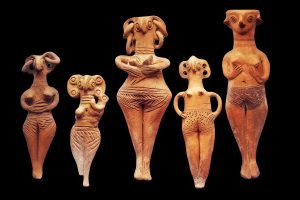
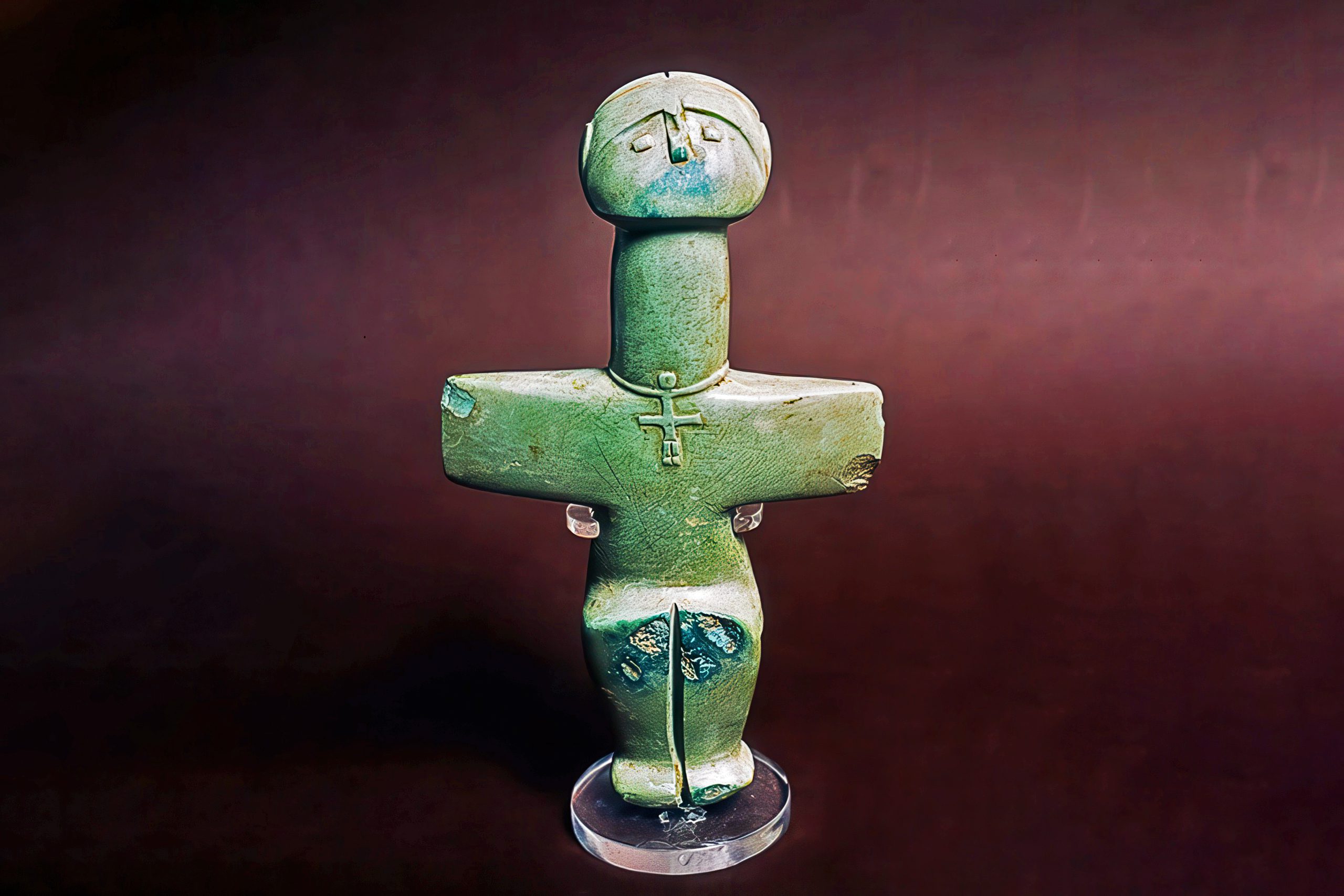
At their heart, these cults celebrated the female form as the ultimate symbol of creation – not in a abstract way, but through exaggerated features that screamed fertility. Think plump hips, full breasts, and rounded bellies in those famous figurines, often made from limestone or clay in a cruciform shape, like arms outstretched in embrace. These weren’t just art; they were tools for ritual, maybe held during births or planted in fields to invoke growth. The goddess governed a “total system” of fertility: not only human babies but thriving herds, lush harvests, and even the renewal after death.
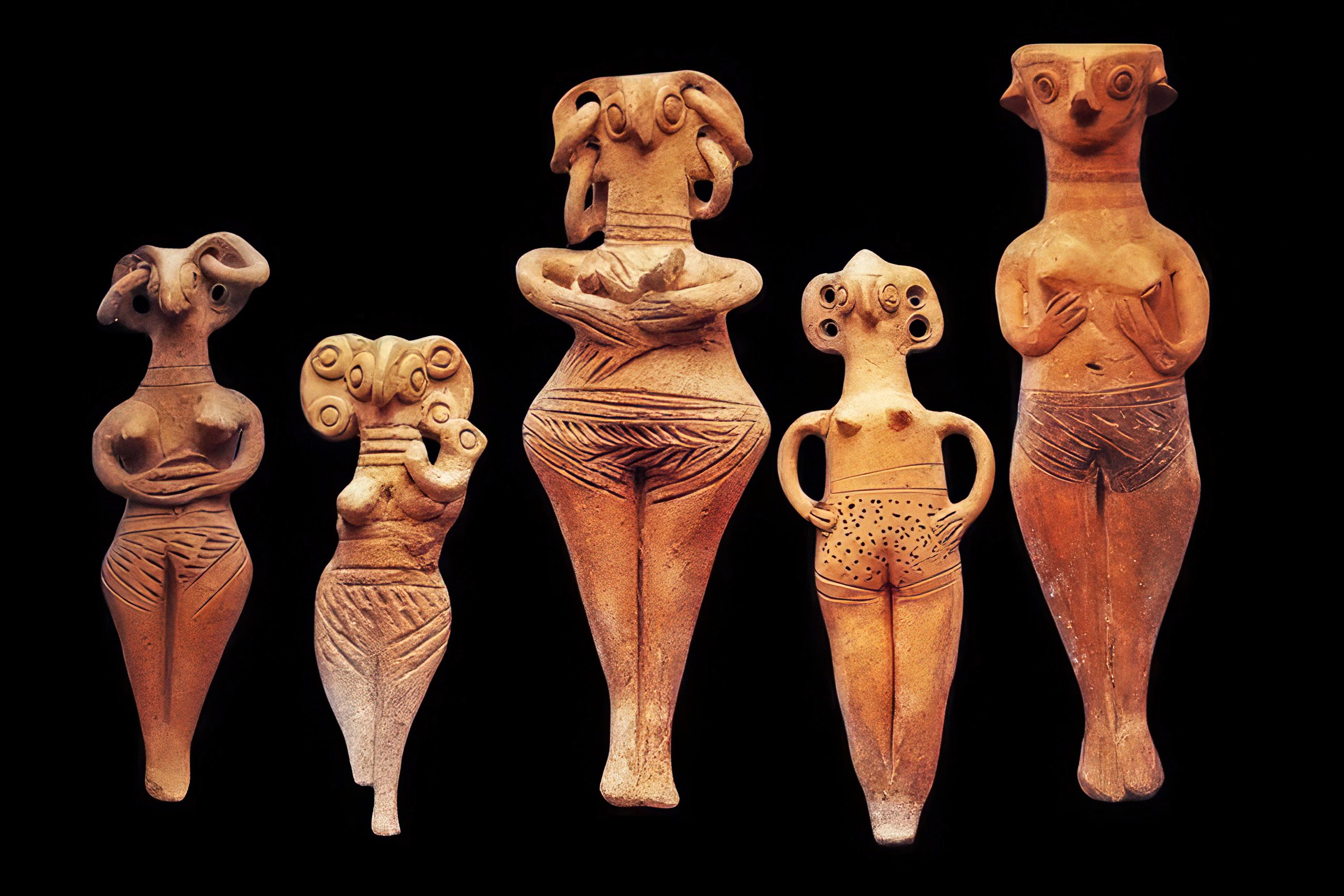
What set Cyprus apart was its island vibe – a crossroads of cultures where the sea brought ideas from east and west. Unlike rigid hierarchies elsewhere, these cults emphasized cycles over eternity: life, death, rebirth, like seasons turning. No moral absolutes here; if things went wrong, it was about restoring balance through communal acts, not divine wrath. Gender roles played in too – women likely led rituals tied to menstruation or childbirth, mirroring the goddess’s power, but it was about cooperation, not domination. The land itself was sacred, treated like a body that could be nourished or depleted, fostering an early eco-awareness that kept communities sustainable for generations.
Quirky Lore and Surprising Discoveries
Dig a little deeper, and these cults serve up some fascinating tidbits that feel almost magical. For instance, those cruciform figurines from around 3000 BC weren’t buried with the dead – they were worn as pendants, like personal talismans for protection during pregnancy or labor. One popular theory? Women might have used them in birthing rituals, squeezing them for strength, much like modern stress balls but with spiritual oomph. And get this: in some sites, archaeologists found figurines pierced with holes, suggesting they were strung together in necklaces or even used in dances to mimic the goddess’s life-giving sway.
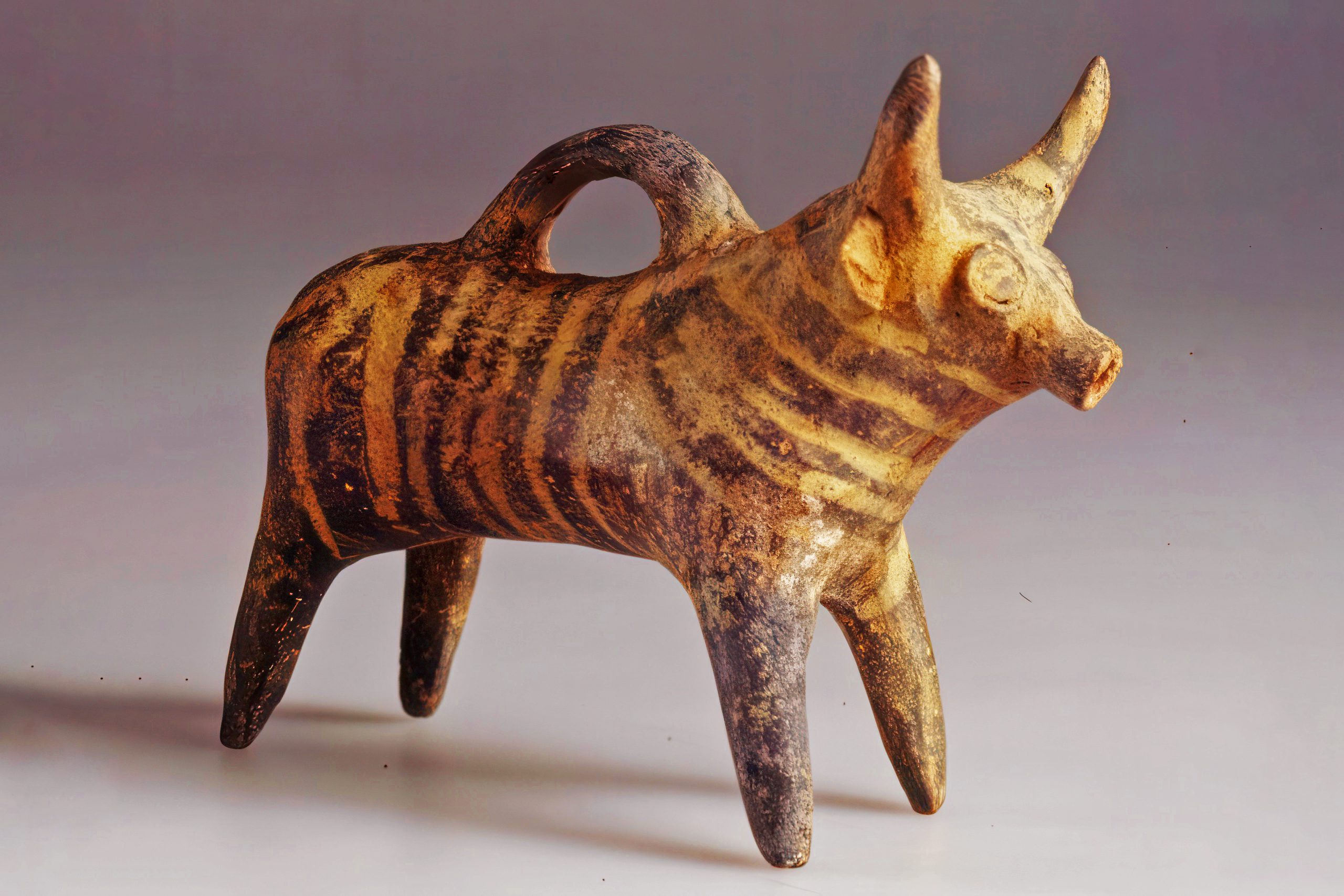
Another cool twist involves the bull – imported from Anatolian cults, it symbolized male fertility alongside the goddess, leading to hybrid rituals where horns or bull-shaped vessels held offerings of milk or grain. During World War II digs, British archaeologists uncovered a cache in Enkomi with over 100 figurines, some painted red to evoke blood and life force. Locals still whisper about “goddess stones” in fields, believed to boost crops if respected. Oh, and ties to metallurgy? Smelters invoked the goddess to “birth” copper ingots, shaping them like ox hides – a nod to her nurturing side. These nuggets make the cults feel alive, like stories passed around a fire, blending everyday magic with deep reverence.
Peeling Back the Layers of Meaning
Going further, these cults weren’t isolated – they formed a web across the Mediterranean. In Cyprus, the Mother Goddess linked to eastern deities like Astarte, a fertility and war goddess whose cult sailed in around the 15th century BC, adding layers of passion and protection. Rituals might have included seasonal festivals with dances, feasts, and symbolic plantings, aligning human life with nature’s beat. Ancestors played a big role too: burials often included fertility symbols to ensure the dead aided the living’s prosperity, creating a bridge between generations.
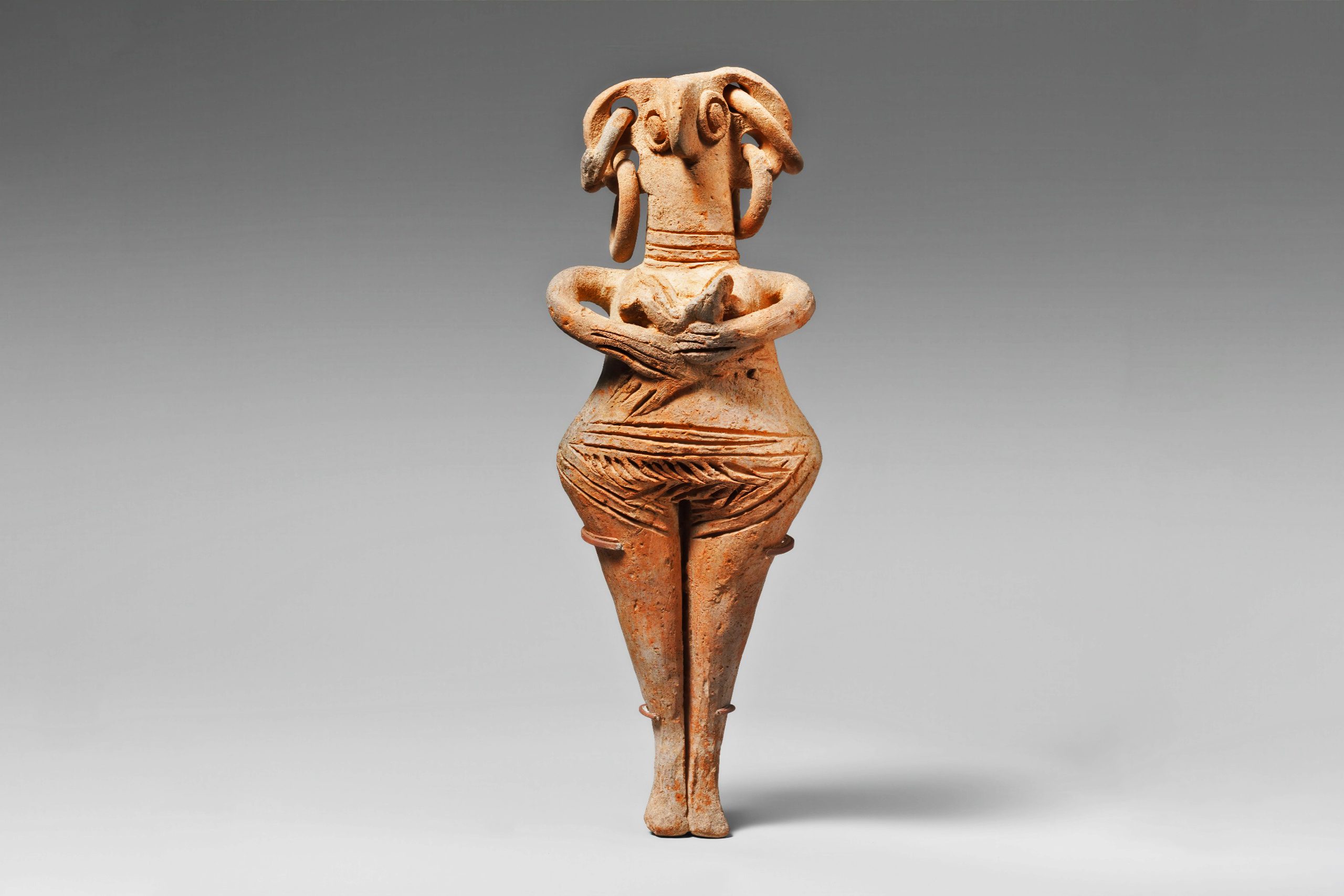
Archaeologically, sites like the Sanctuary at Phylakopi or Ayia Irini show how these evolved into structured worship by the Iron Age, with extra-urban temples dedicated to a “Great Goddess.” But at their core, they tackled big emotions: joy in abundance, fear of loss, grief in barren times. This emotional depth helped build resilient communities, where religion was therapy as much as faith. Myths evolved too – the goddess’s transformations mirrored society’s, from raw earth mother to refined Aphrodite, who kept her fertility roots in symbols like pomegranates for life and death. It’s a reminder that these weren’t primitive rites but sophisticated worldviews, adapting to tech like bronze tools without losing soul.
Echoes in Modern Cyprus
Today, these ancient cults aren’t dusty relics – they’re baked into Cyprus’s cultural DNA. The island’s nickname as Aphrodite’s home keeps the fertility vibe alive, with festivals like Anthestiria echoing old harvest rites through flower parades and nature celebrations. In a place still tied to agriculture, farmers might not invoke the Mother Goddess by name, but traditions like blessing fields or wearing amulets during pregnancies nod to her legacy. Christianity wove in too: the Virgin Mary took on maternal traits, with icons emphasizing nurture and protection, while saints oversee births or crops.
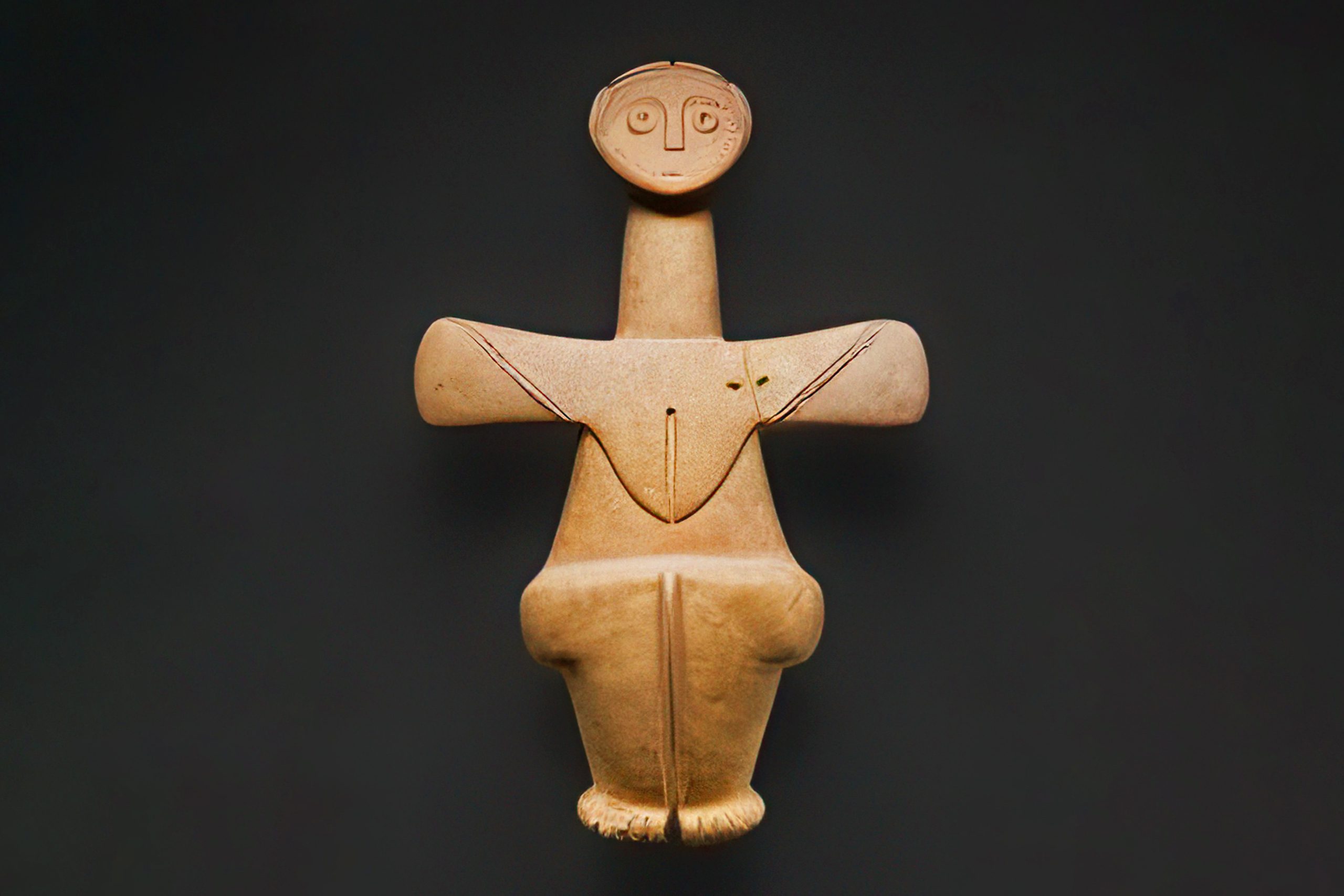
Amid modern challenges like climate change drying up lands, these cults inspire eco-movements – think artists using figurine motifs in sculptures about sustainability, or tours highlighting how ancient respect for cycles could guide today’s farming. In pop culture, they pop up in books and films romanticizing Cyprus’s mystical past, reminding divided communities of shared roots. Even tourism boosts: visitors seek that primal connection, turning sites into spots for reflection on life’s big questions. It’s proof these beliefs endure, shaping how Cypriots view family, nature, and resilience in a fast-changing world.
Experiencing the Legacy Today
You can’t “visit” these cults like a beach, but Cyprus offers plenty of ways to step into their world. Head to the Cyprus Museum in Nicosia, where halls brim with those evocative figurines – stand close, and imagine the hands that shaped them millennia ago. It’s free on certain days, and audio guides make the stories pop without overwhelming you. For a deeper dive, explore archaeological sites like Choirokoitia (a Neolithic village) or the Paphos Archaeological Park, where remnants of early sanctuaries whisper of rituals under open skies. Wear comfy shoes for uneven paths, and go early to beat the heat – spring’s blooming fields add a fitting fertility flair.
If you’re adventurous, join a guided tour focusing on ancient religions; some include hands-on workshops recreating clay idols or tasting traditional foods tied to harvest feasts. Museums like Larnaka’s Pierides offer quiet corners for contemplation, no fees for kids. Safety-wise, sites are well-maintained, but watch for sun – pack hats and water. Combine with nearby villages for picnics, chatting with locals about folklore that blends goddess tales with modern life. It’s not just sightseeing; it’s feeling the pulse of beliefs that once defined survival, leaving you inspired by their timeless relevance.
Why These Ancient Cults Still Captivate
In the grand scheme, Fertility and Mother Goddess cults are worth diving into because they strip religion back to its essence: a human response to life’s fragility and wonder. They spotlight Cyprus as a cradle of ideas where nature’s power met human ingenuity, turning rocks and clay into symbols of hope. Knowing them deepens appreciation for the island’s layered history, showing how today’s celebrations and values stem from those early roots. Whether pondering a figurine’s curves or watching waves crash like ancient foam, these cults remind us that sacredness starts with embracing cycles – birth, growth, loss, renewal. In our era of disconnection, they pull us back to basics, proving that the spark of life, once honored by Cypriots, still flickers brightly if we listen.