Cape Greco rises from the Mediterranean Sea at Cyprus’s southeastern tip, where limestone cliffs drop sharply into turquoise waters, and erosion has carved spectacular sea caves that extend up to 80 metres into solid rock.
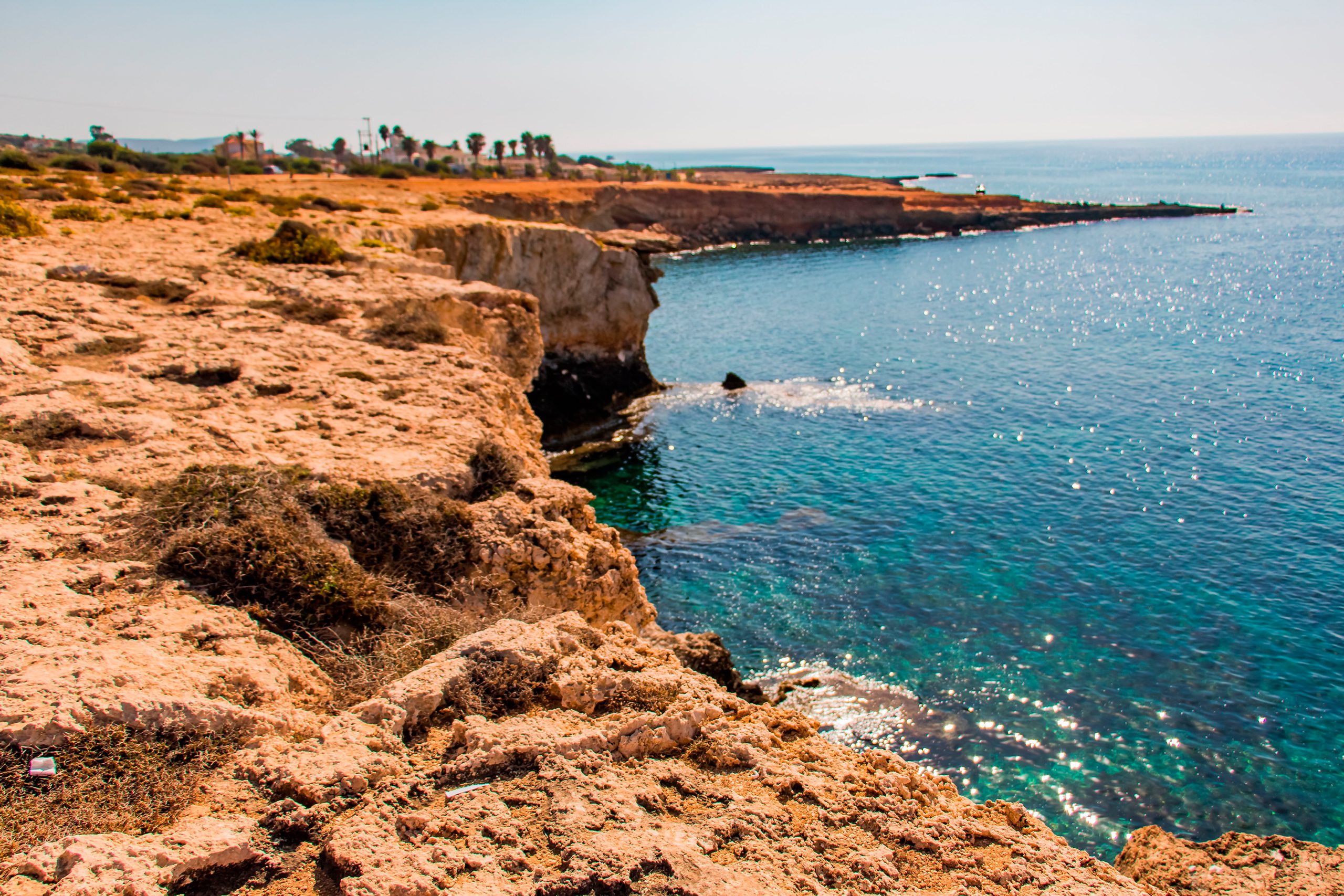
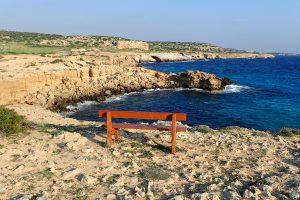
Cape Greco, also known as Capo Greco or Kavo Greko, forms a rocky peninsula jutting into the Mediterranean between the resort towns of Ayia Napa and Protaras. The headland marks the easternmost point of both the Republic of Cyprus and the European Union, excluding outlying territories.
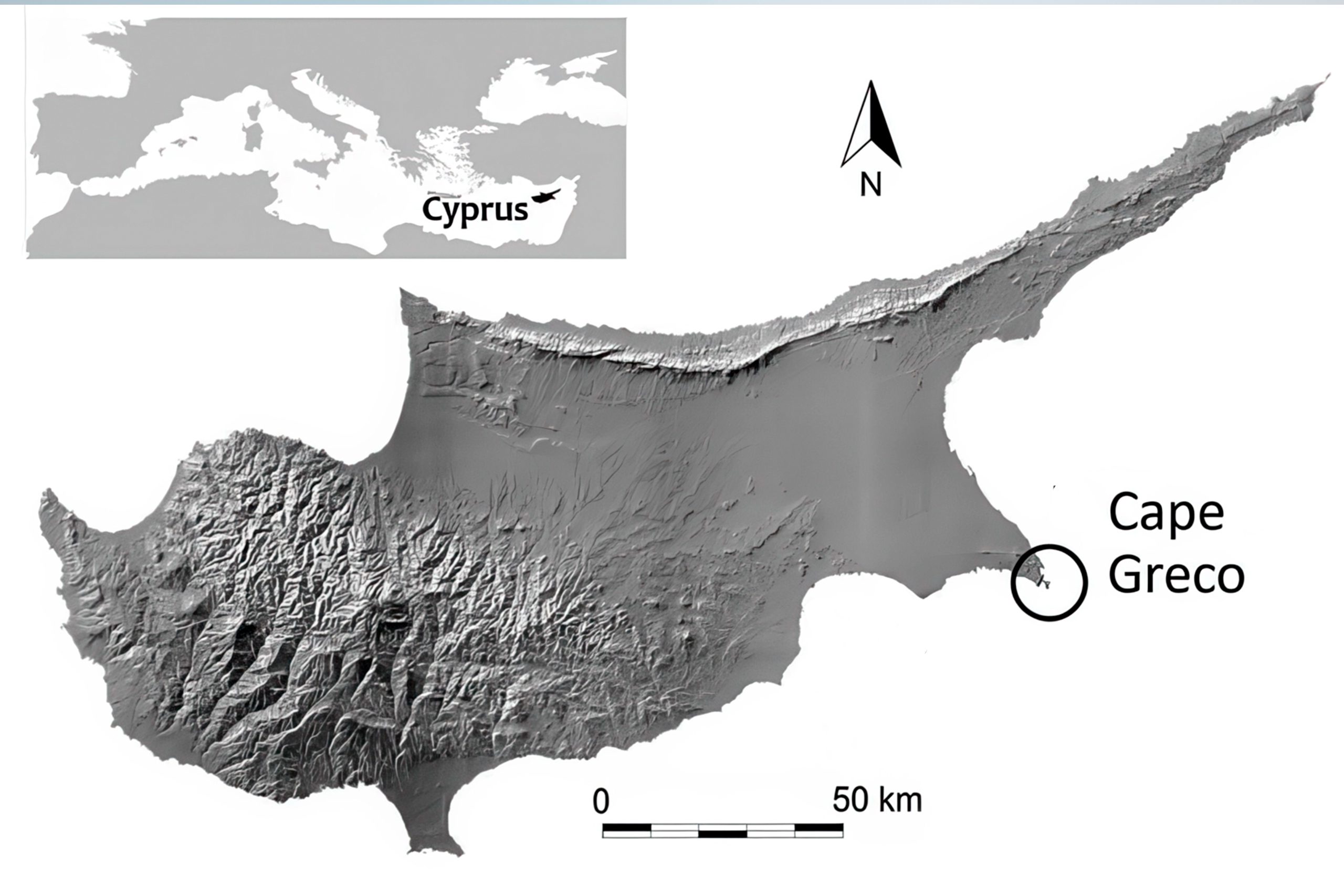
The area covers 385 hectares protected as National Forest Park under the Cyprus Forestry Department since 1993, with additional recognition as part of the Natura 2000 network for its European ecological significance.
Historical Background
The limestone cliffs at Cape Greco formed from sediments deposited when shallow seas covered the region millions of years ago. Marine organisms including mollusks, corals, and microscopic creatures contributed calcium carbonate that accumulated on the seabed and eventually compressed into rock layers. Tectonic activity lifted these sediments above sea level, creating the elevated plateau that characterizes the cape today.
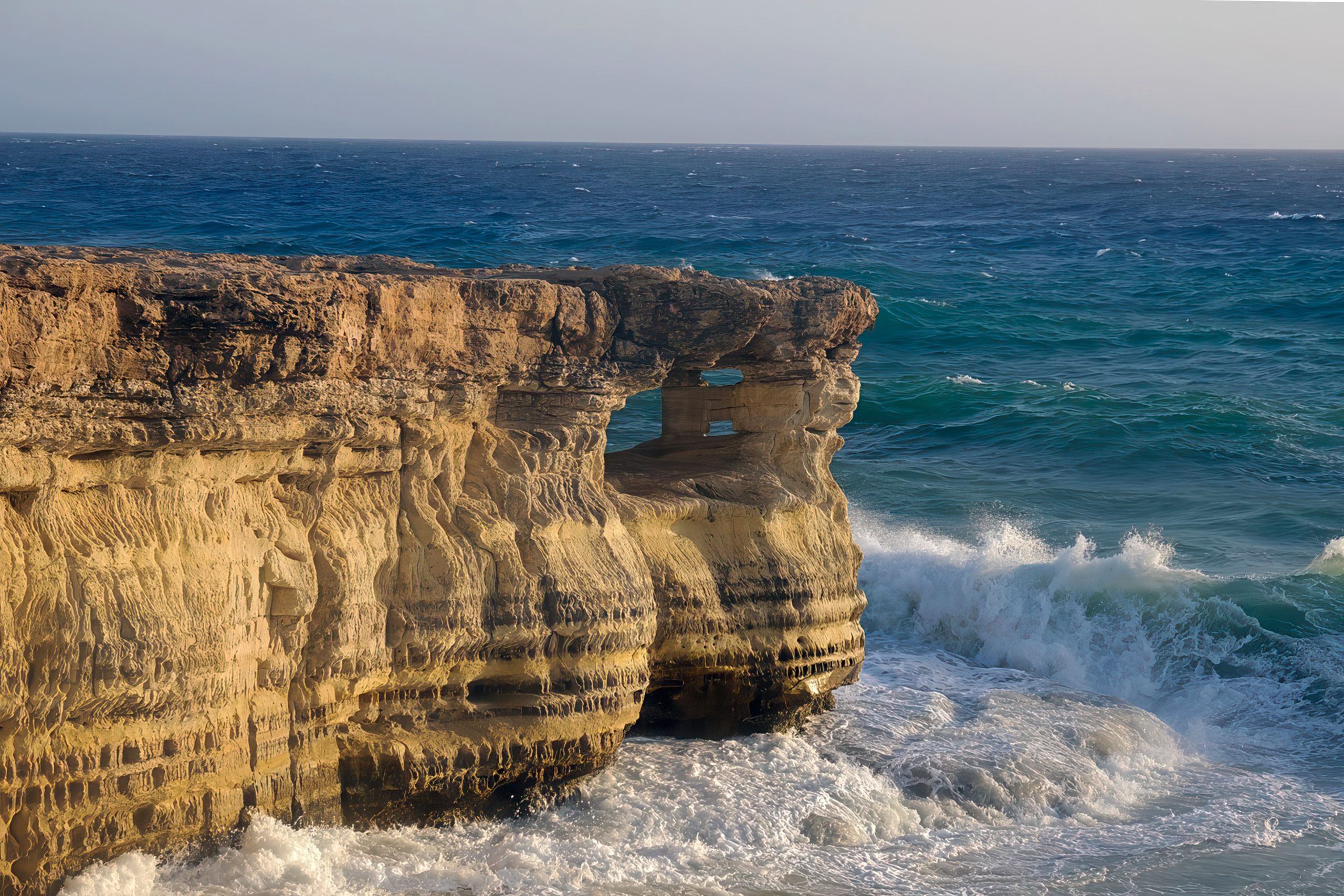
Wave erosion shaped the detailed features that make Cape Greco distinctive. Constant pounding by Mediterranean storms exploits weaknesses in the limestone, gradually hollowing out caves, cutting through narrow points to form arches, and creating vertical channels where waves compress and release with explosive force. This process continues actively, meaning the coastline changes perceptibly over human timescales even as the basic structure persists across millennia.
In antiquity, the cape was known as Pedalion. The ancient geographer Strabo wrote that the trapezoidal hill above the cape was sacred to Aphrodite, suggesting that a temple or shrine once occupied the site. Archaeological excavations have uncovered foundation remains that support this historical claim, indicating religious significance dating back to the classical Greek and Roman periods. The association with Aphrodite, Cyprus’s patron goddess, reflects the island’s strong mythological connections to the deity’s birth from sea foam.
What Makes Cape Greco Unique
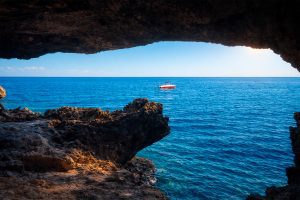
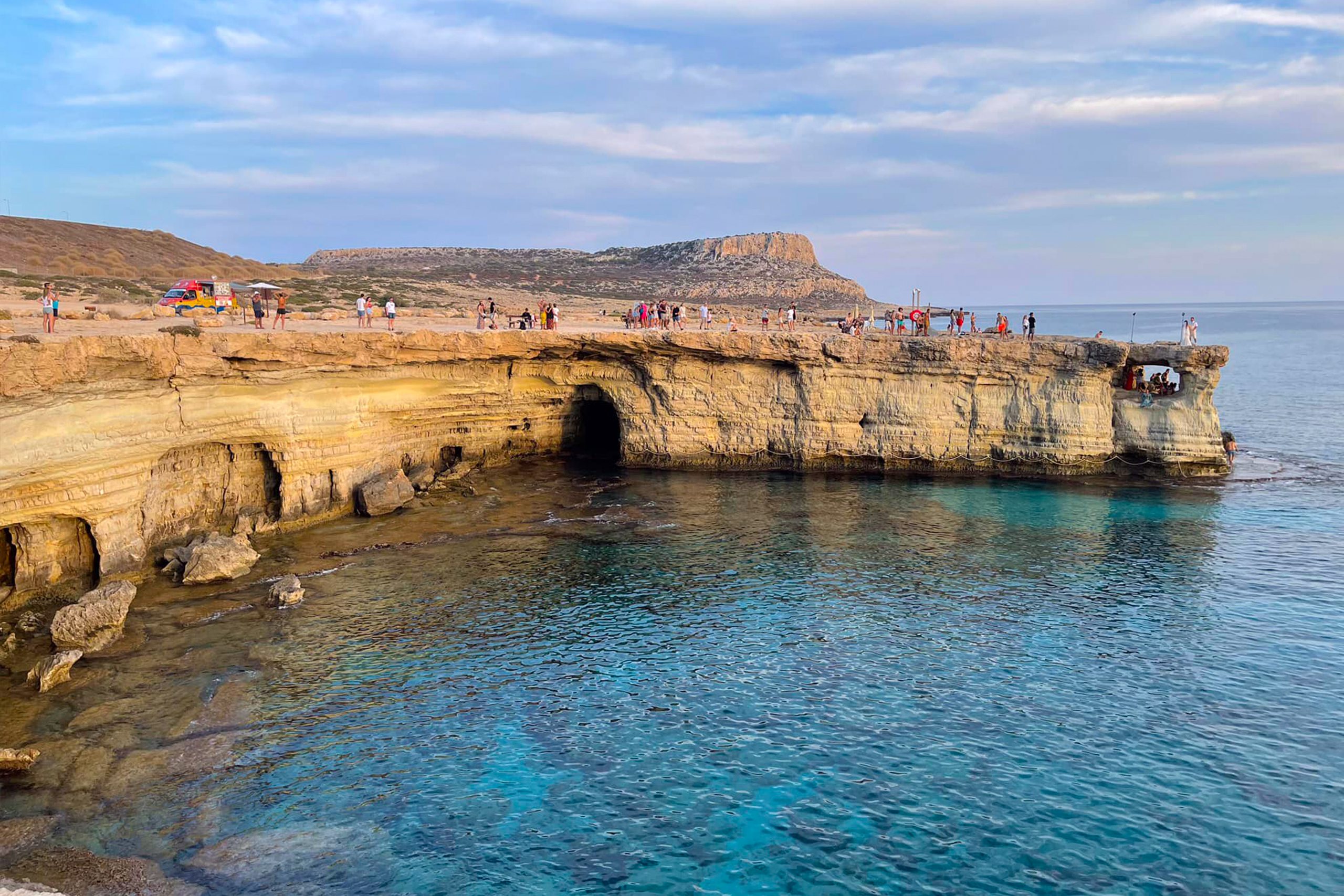
The sea caves represent the cape’s most photographed natural features. Multiple cave systems penetrate the cliffs, with some passages extending 80 metres deep into the rock according to local measurements.
The deepest and most extensive caves earned names including Palace Caves and Smugglers Caves, reflecting both their impressive size and historical use by pirates and contraband traders who hid goods in the protected chambers. The caves are accessible only from the sea except during exceptionally calm conditions and low tides when careful swimmers can enter some openings.
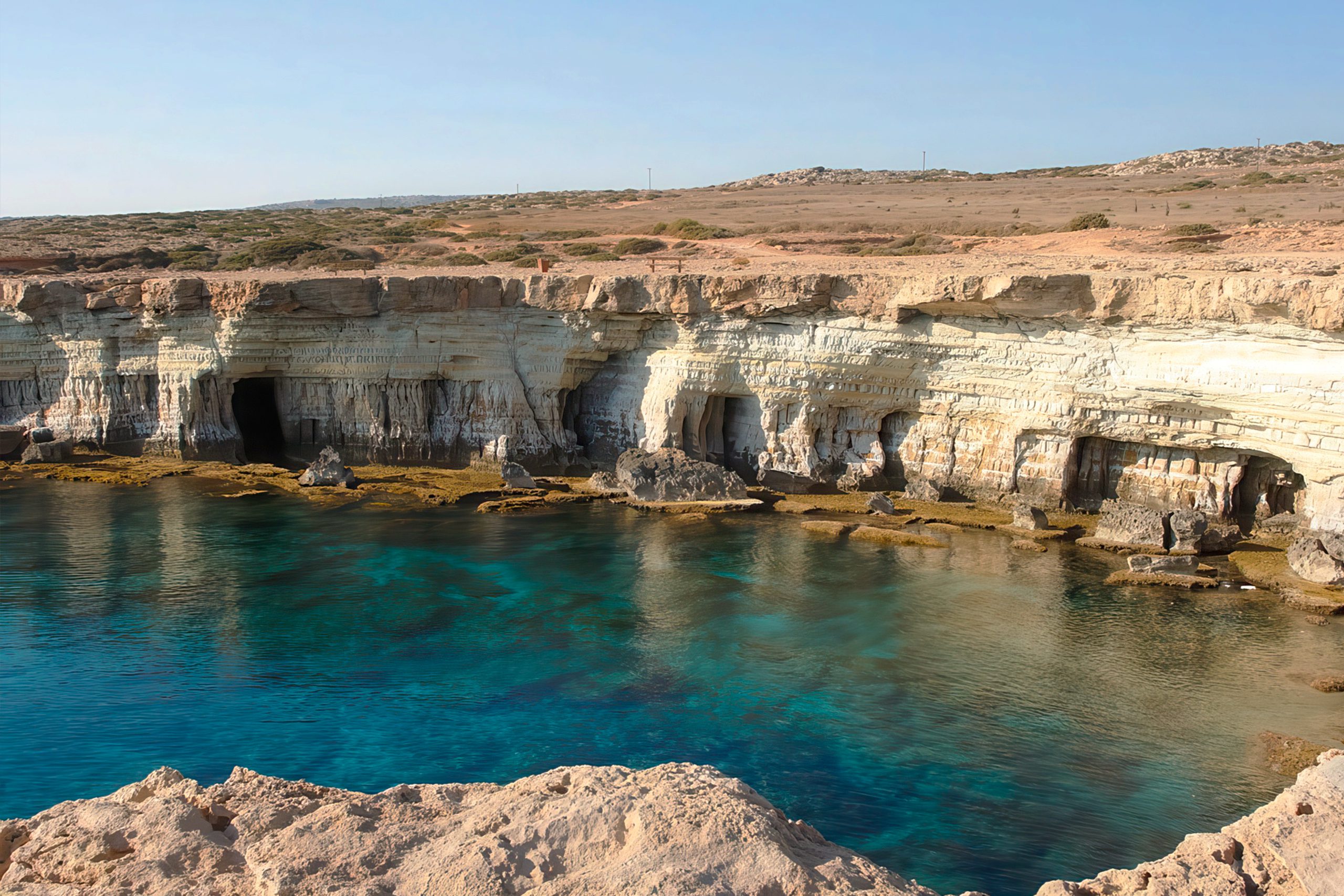
Cave interiors feature rough surfaces scattered with boulders and debris from roof collapses, but the water remains remarkably clear due to constant circulation from wave action. The rocky seabed supports diverse marine life including octopuses, grouper fish, sea bream, and various invertebrates that shelter among the stones.
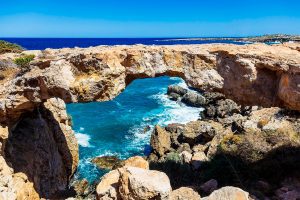
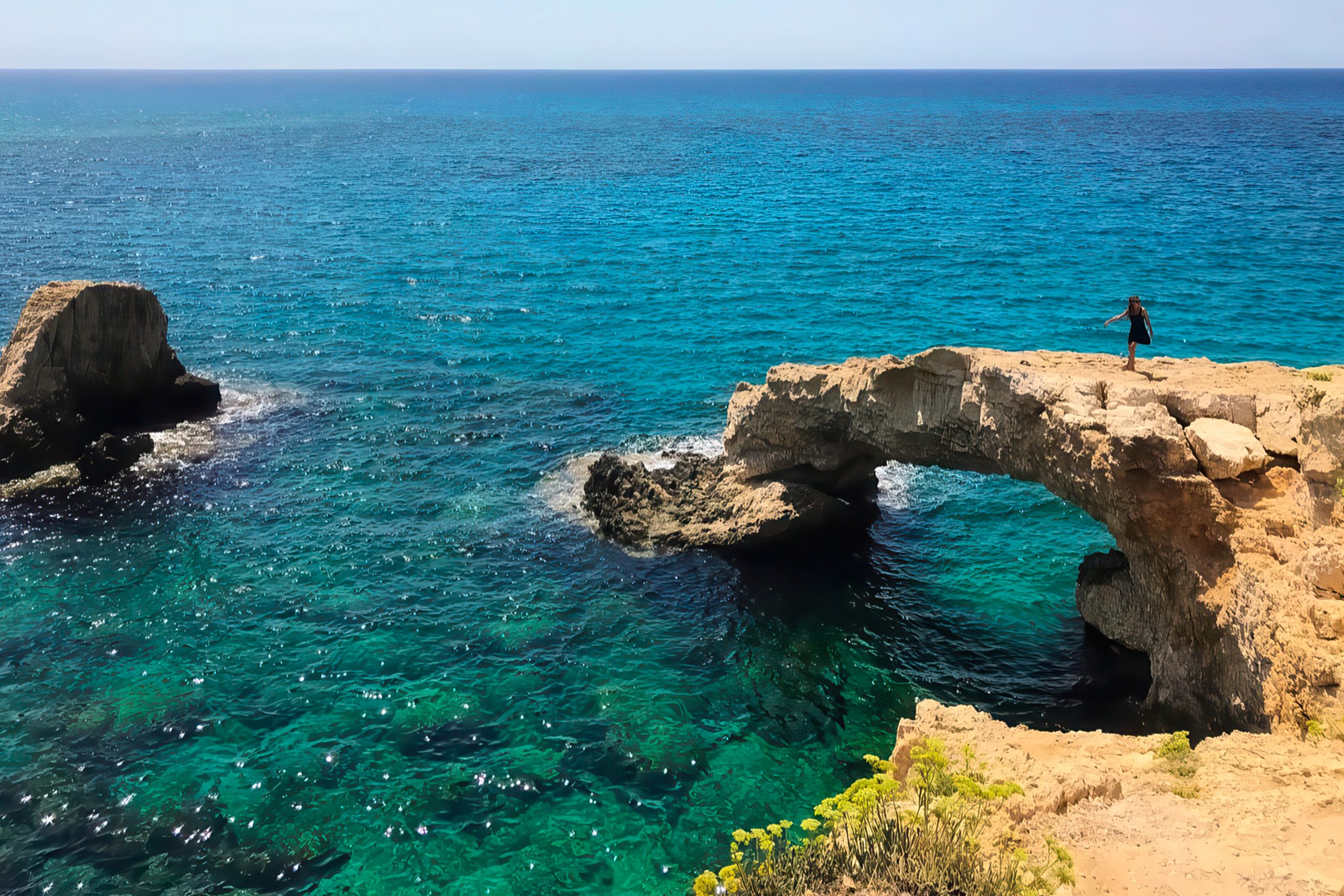
The Koraka Bridge, also called Love Bridge or Lovers Bridge, stands as the cape’s most iconic natural arch. The structure spans approximately 15 metres with a height of 50 feet and width of 23 feet, formed where wave erosion cut completely through a narrow rock ridge. The bridge creates a dramatic frame for photographs and represents an intermediate stage in coastal erosion.
Over 400 plant species grow within Cape Greco National Forest Park boundaries, adapted to harsh conditions including salt spray, limited freshwater, thin soils over limestone bedrock, and intense summer heat. Fourteen species are endemic to Cyprus, found nowhere else on Earth. Juniper once formed extensive stands across the cape, but rapid deforestation between 1910 and 1920 to fuel steam-powered flour mills in nearby Paralimni destroyed most mature trees. Spring wildflowers include numerous orchid species, cyclamens, turban buttercups, and endemic varieties that bloom briefly when winter rains provide sufficient moisture.
Interesting Facts About the Headland
Cape Greco forms a critical bottleneck for bird migration between Europe and Africa. BirdLife International designated the area as Important Bird Area in 2009, recognizing its significance for raptors and other species that funnel through Cyprus during seasonal movements. Red-footed falcons, pallid harriers, honey buzzards, and common kestrels pass through in substantial numbers, while endemic Cyprus warblers and Cyprus wheatears maintain breeding populations in the scrubland. Black francolins, an introduced game bird, also nest within park boundaries.
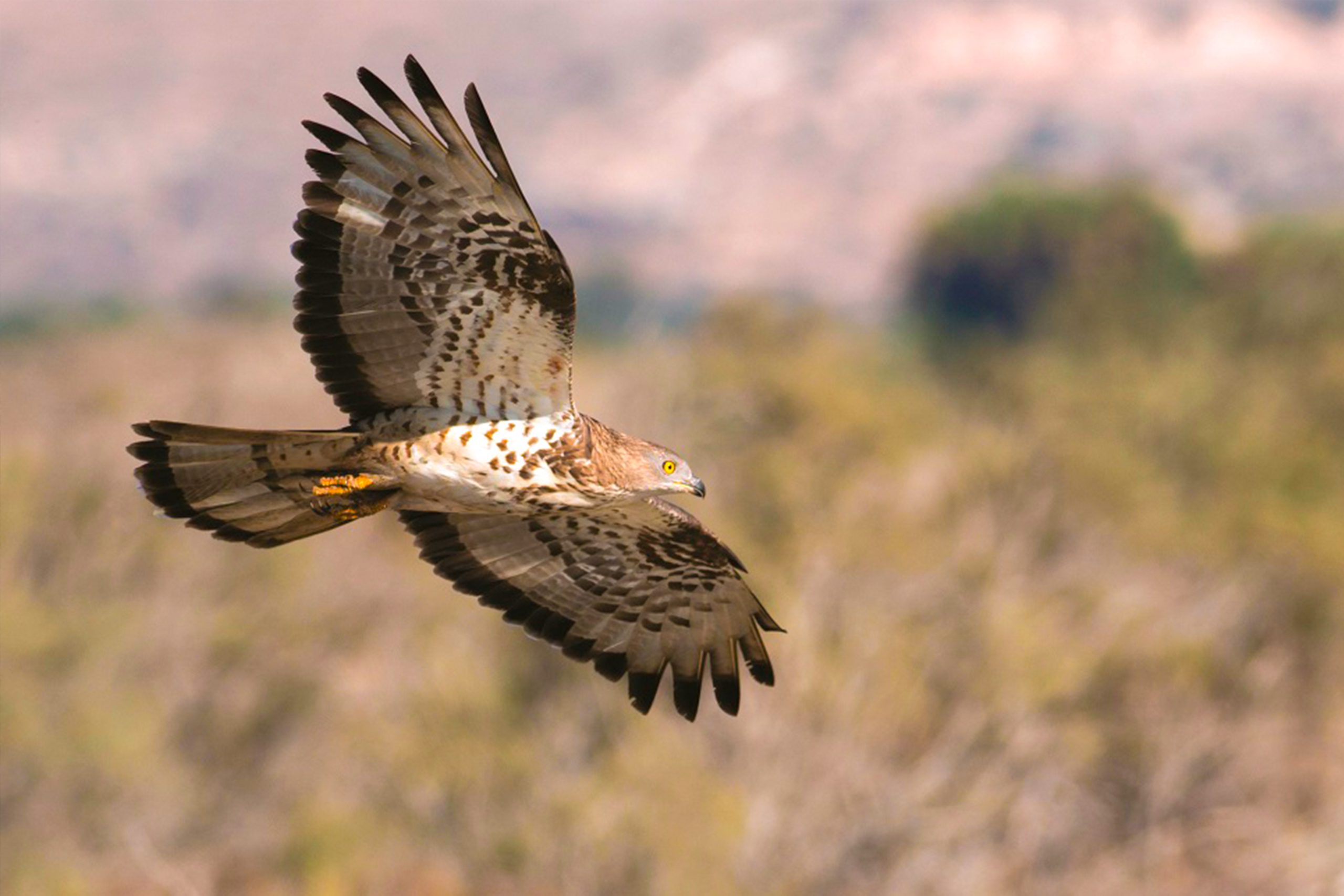
Despite protected status, illegal bird trapping persists using traditional lime sticks and mist nets. These methods capture birds indiscriminately, killing protected species alongside the traditional target songbirds consumed as delicacies. Conservation organizations campaign against this practice, which threatens both migratory populations and resident breeding species.
A Radio Monte Carlo broadcasting station operated from Cape Greco between 1973 and recent years, transmitting French and Arabic programs to Middle Eastern and North African audiences. The powerful mediumwave transmitter at 1233 kHz also carried religious programming from Trans World Radio in various languages. The transmission towers were prominent landmarks visible across the cape until their decommissioning.
Water visibility around Cape Greco reaches up to 40 metres on calm days, making it a premier diving destination. Sea temperatures range from 16 degrees Celsius in winter to 28 degrees in summer, allowing year-round diving for those equipped with appropriate thermal protection. The combination of clear water, interesting topography, and diverse marine life attracts both recreational divers and underwater photographers.
Cliff jumping has become popular at specific locations where deep water exists close to vertical rock faces. Jump heights range from 3 metres for beginners to over 10 metres for experienced jumpers. However, this activity carries serious risks including hidden rocks just below the surface, unpredictable wave surge, and difficulty exiting the water in rough conditions. Several injuries and occasional fatalities have occurred when jumpers miscalculated distances or underestimated ocean conditions.
The Agioi Anargyroi Chapel, dedicated to Saints Cosmas and Damian, perches on a coastal cliff in gleaming white with a blue roof. The twin brothers were physicians in the 6th century who treated patients without accepting payment, earning the title “unmercenaries.” According to tradition, a cave beneath the chapel served as their hermitage. The chapel remains active for religious services and hosts numerous wedding ceremonies due to its scenic cliff-top position and spiritual significance. Stone steps descend from the chapel toward the sea, providing access to the cave and prayer spots near the water.
Visiting Cape Greco Responsibly
Access from Ayia Napa or Protaras requires just 5 to 10 minutes by vehicle. From Ayia Napa, head east toward Protaras and take the first turn toward Grecian Park Hotel and Cape Greco. The road provides access to multiple points, including the sea caves viewpoint, summit climb, visitor centre with toilets and refreshments, and trails to Agioi Anargyroi Chapel and picnic areas. Public bus route 101/102 serves the park, though service frequency limits reliance on public transport for visitors wanting an extended time exploring.
Why Cape Greco Matters Today
The protected status preserves one of the few remaining undeveloped coastal areas in southeastern Cyprus, a region experiencing intense tourism pressure. Ayia Napa and Protaras have transformed from fishing villages to major resort complexes over the past 40 years, consuming coastline with hotels, restaurants, and entertainment facilities. Cape Greco represents a deliberate choice to maintain natural landscapes rather than extend commercial development across every available metre of shoreline.
The endemic plant species found only within the park boundaries face extinction if the habitat disappears through fire, invasive species, or development encroachment. Their survival depends entirely on maintaining the protected area and managing threats including accidental fires, illegal dumping, and off-road vehicle damage to vegetation. The unique genetic adaptations these plants developed over millennia could be lost permanently within a single generation if protection fails.
The bird migration corridor function provides ecological services extending far beyond Cyprus. Many species that pass through Cape Greco breed in Europe and winter in Africa, completing annual cycles that depend on suitable stopover sites. Loss of these migration bottlenecks disrupts continental-scale population dynamics and threatens species already under pressure from habitat loss and climate change affecting both breeding and wintering grounds.
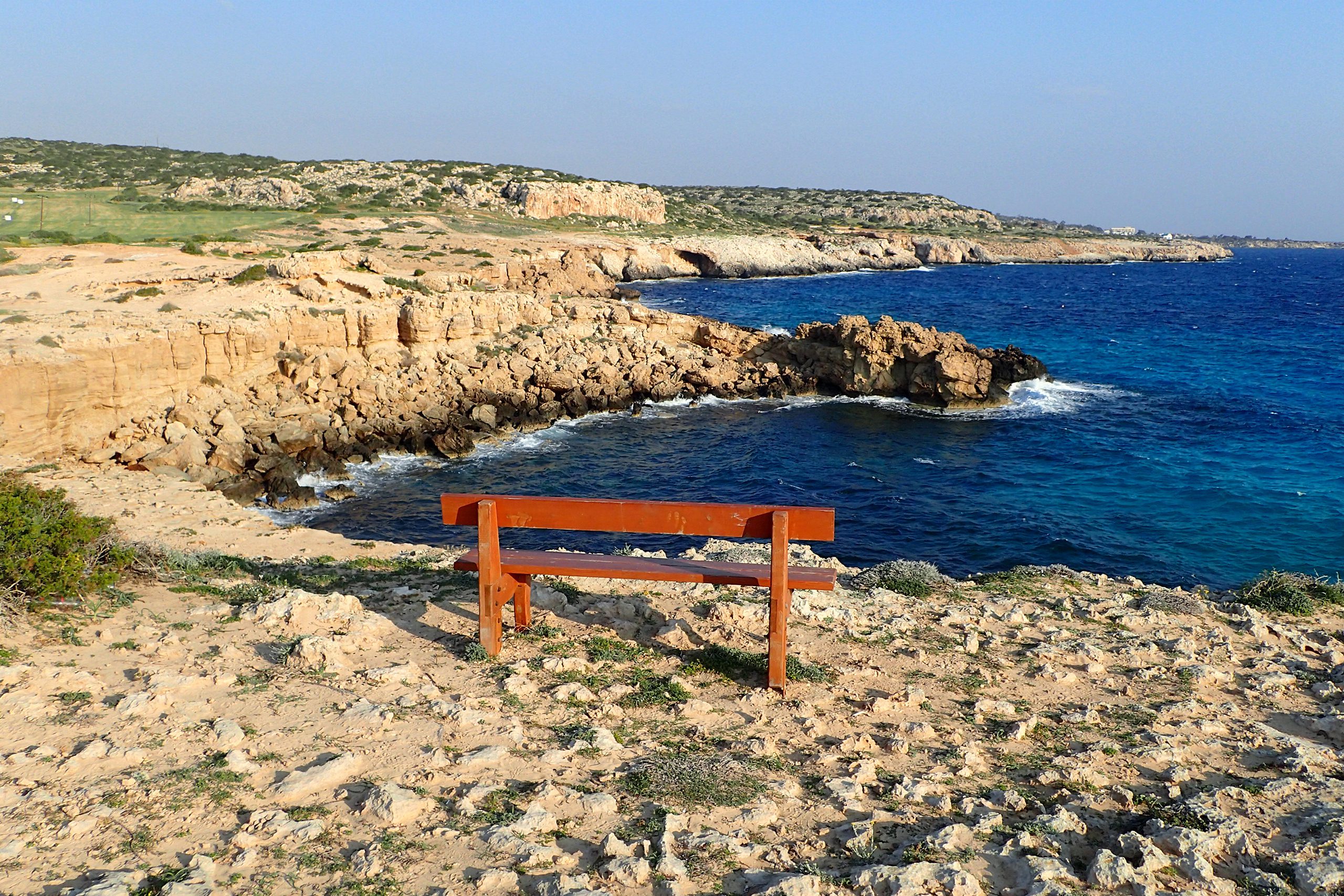
For local communities, Cape Greco generates economic activity through nature-based tourism that requires less infrastructure than resort development. Boat tour operators, hiking guides, equipment rental businesses, and nearby restaurants benefit from visitors attracted to natural features rather than manufactured entertainment. This economic model sustains employment while preserving the assets that justify designation as National Forest Park.
Educational programs bring school groups and university students to study coastal ecology, geology, and conservation in accessible outdoor laboratory conditions. The combination of dramatic features, manageable scale, and proximity to population centres makes Cape Greco ideal for field education that connects classroom learning to real-world observation.