Fig Tree Bay is one of Cyprus’s most recognizable beaches, yet its appeal has never depended on novelty or spectacle. Located in the heart of Protaras on the island’s eastern coast, the bay combines clear, shallow water, soft sand, and a naturally sheltered shape that makes it easy to enjoy without effort. It is popular without feeling overwhelming, developed without feeling artificial, and familiar without becoming dull. This balance explains why Fig Tree Bay continues to attract visitors year after year and why it remains just as important to local life as it is to tourism.
A Beach Defined by Shape, Not Hype
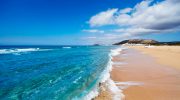
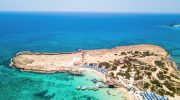
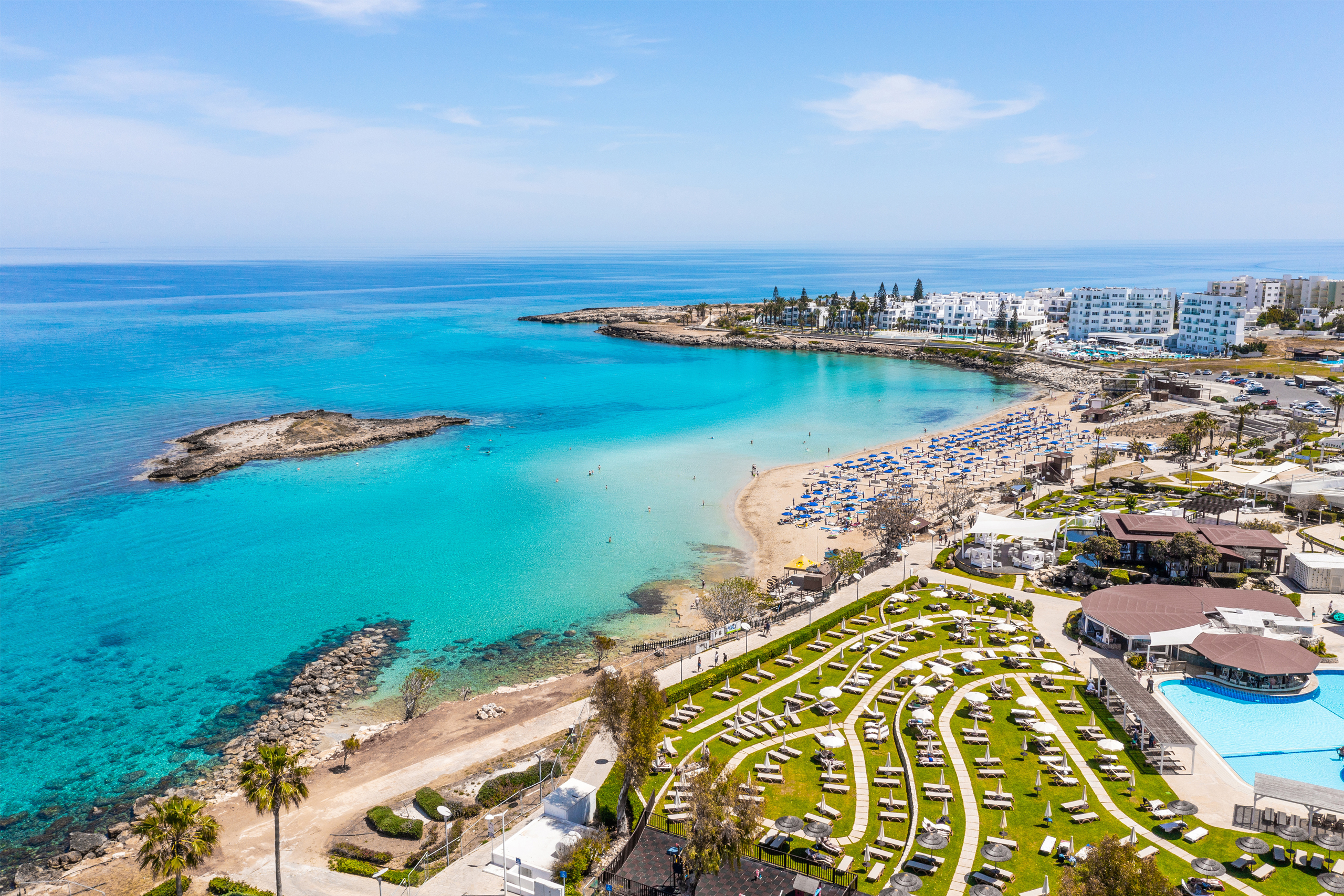
At its core, Fig Tree Bay is a gently curved, sandy bay facing the Mediterranean Sea. Unlike long, exposed coastlines, the bay is semi-enclosed by low rocky edges that soften incoming waves and create consistently calm conditions. The shoreline slopes gradually into the sea, allowing people to wade far out before reaching deeper water.
This physical shape is the bay’s greatest asset. It creates a swimming environment that feels predictable and safe rather than dramatic or demanding. The water rarely feels aggressive, and strong currents are uncommon close to shore. These conditions are not accidental they are the result of geography rather than engineering, and they explain why the bay has always been naturally suitable for bathing.
Just offshore, a small rocky islet sits within easy swimming distance. While undeveloped, it breaks up the surface of the water visually and physically, helping reduce wave energy and adding a quiet point of focus within the bay.
Where the Name Comes From
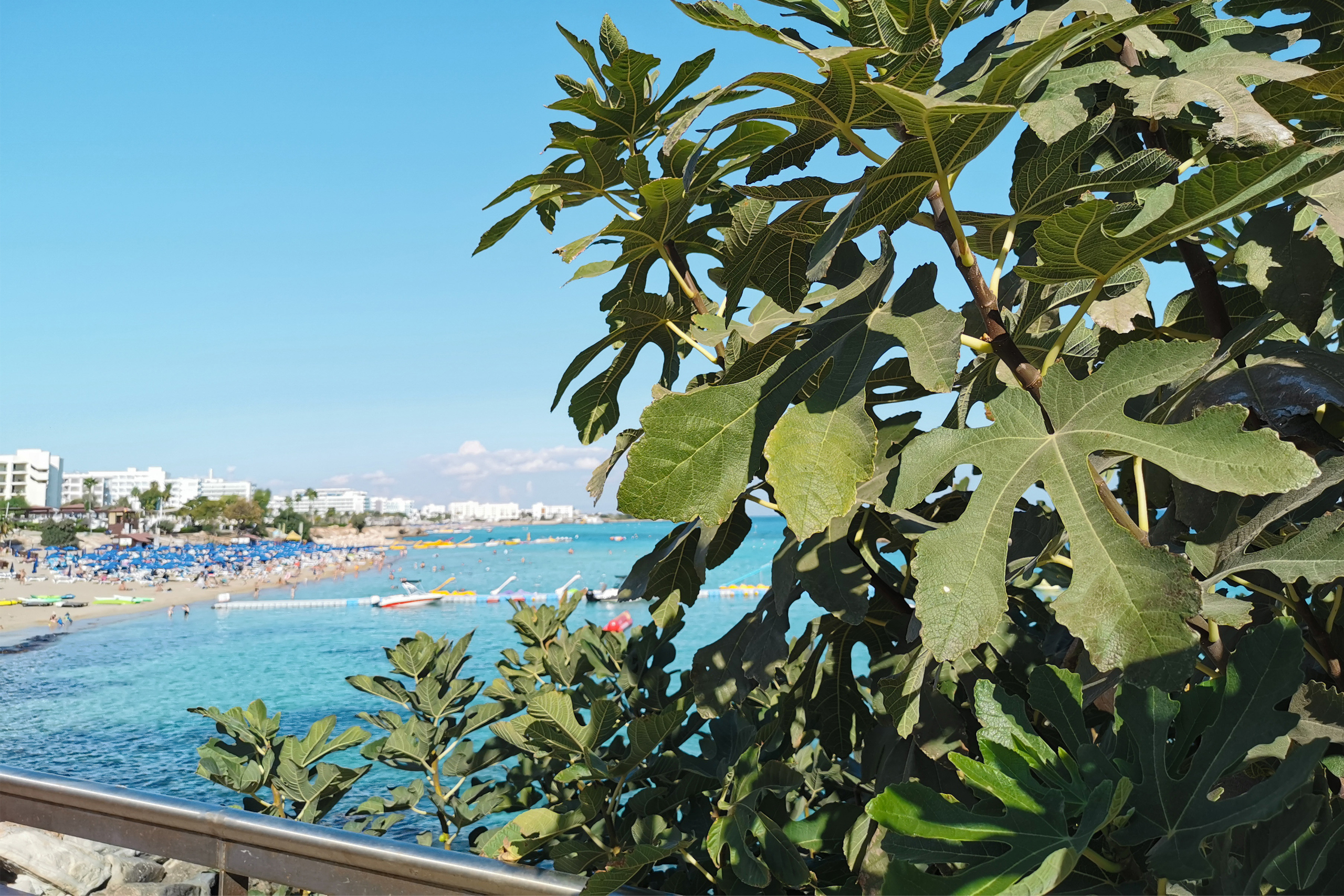
The name “Fig Tree Bay” is believed to come from a fig tree that once grew close to the shoreline, serving as a simple landmark for local residents and sailors. Historical references suggest that a prominent fig tree existed near the bay as early as the 17th century.
Before the rise of tourism in the Protaras area, the bay had no formal designation beyond this natural reference point. Like many places in Cyprus, its name was not invented for visitors but inherited through local usage. Even as the surrounding area developed into a resort town in the late 20th century, the original name endured a reminder that the bay’s identity predates its popularity.
Clear Water, Consistent Conditions
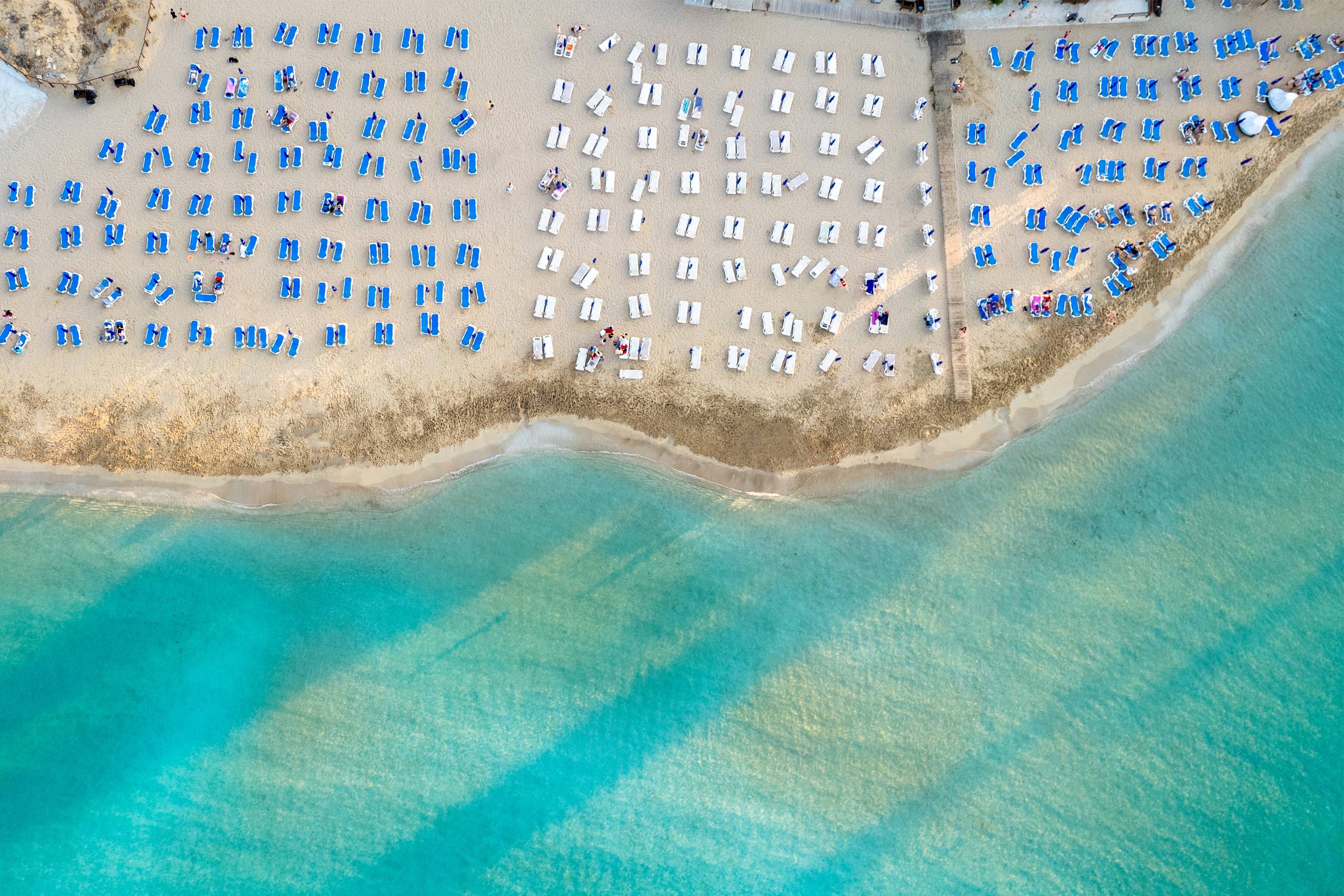
Fig Tree Bay is widely known for its water clarity, and this reputation is well earned. On calm days, visibility extends easily to the sandy seabed, even several meters from shore. Early mornings often produce glass-like conditions, when sunlight enters the water at a low angle and the sea appears especially transparent.
The bay’s orientation on Cyprus’s southeastern coast further contributes to its stability. This stretch of coastline is less exposed to prevailing winds and open-sea swell than other parts of the island, which helps maintain calm surface conditions throughout much of the year.
These factors combine to create a swimming environment that feels reliable rather than dramatic. It is not a beach defined by waves or surf, but by ease of access and consistency qualities that appeal to swimmers of all ages and experience levels.
Why Fig Tree Bay Became Cyprus’s Most Recognized Beach
Fig Tree Bay’s rise to prominence did not come from a single event or development. Instead, it became well known because it consistently delivered what people were looking for in a Mediterranean beach.
Several elements contribute to this reputation:
- Naturally sheltered water suitable for relaxed swimming
- An offshore islet that adds character without disrupting the bay
- Clear water that enhances the experience without requiring equipment
Over time, these qualities led to frequent inclusion in international beach rankings and travel guides. While such rankings change from year to year, they helped establish Fig Tree Bay as a reference point a beach many visitors encounter early in their experience of Cyprus.
Fig Tree Bay as a Local Space
Despite its international recognition, Fig Tree Bay has not lost its role in everyday life. For residents of Protaras, the bay functions as a shared public space rather than a tourist-only destination.
Local families visit the beach during weekends and holidays. Early mornings often belong to residents swimming quietly before the day becomes busier, while evenings bring casual walks along the promenade. The bay supports social routines as much as recreational ones, anchoring cafes, restaurants, and footpaths around its shoreline.
This dual role serving both visitors and locals helps explain why the bay feels lived-in rather than staged. It is actively used rather than passively admired.
What Visiting Feels Like Today
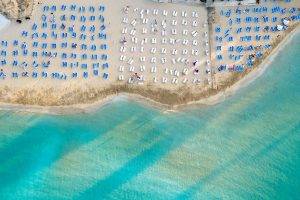
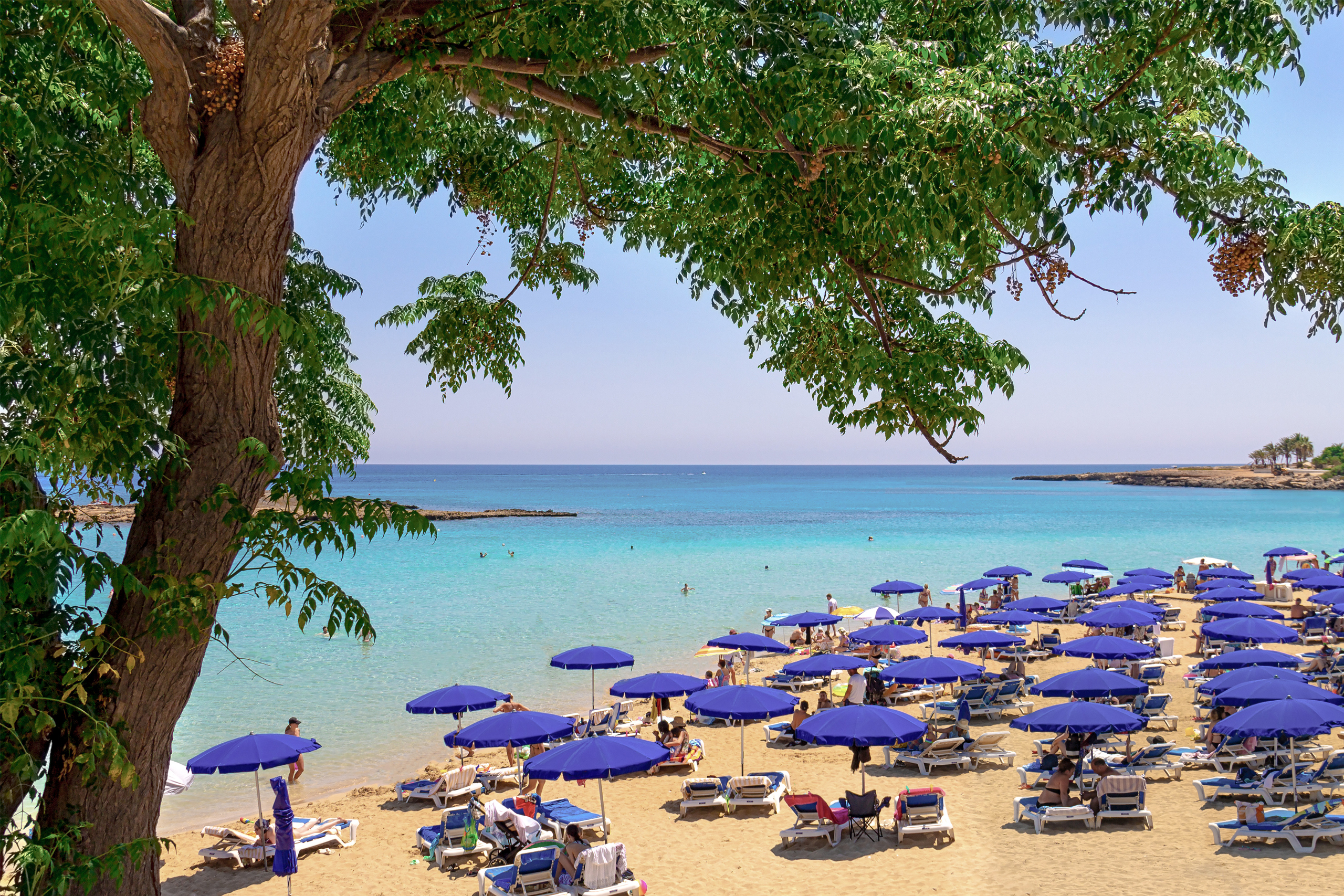
For visitors, Fig Tree Bay is easy to navigate and well organized. During peak season, sunbeds and umbrellas are available, lifeguards are on duty, and basic facilities such as showers and nearby cafes are readily accessible. The beach maintains Blue Flag status, reflecting consistent water quality and environmental management.
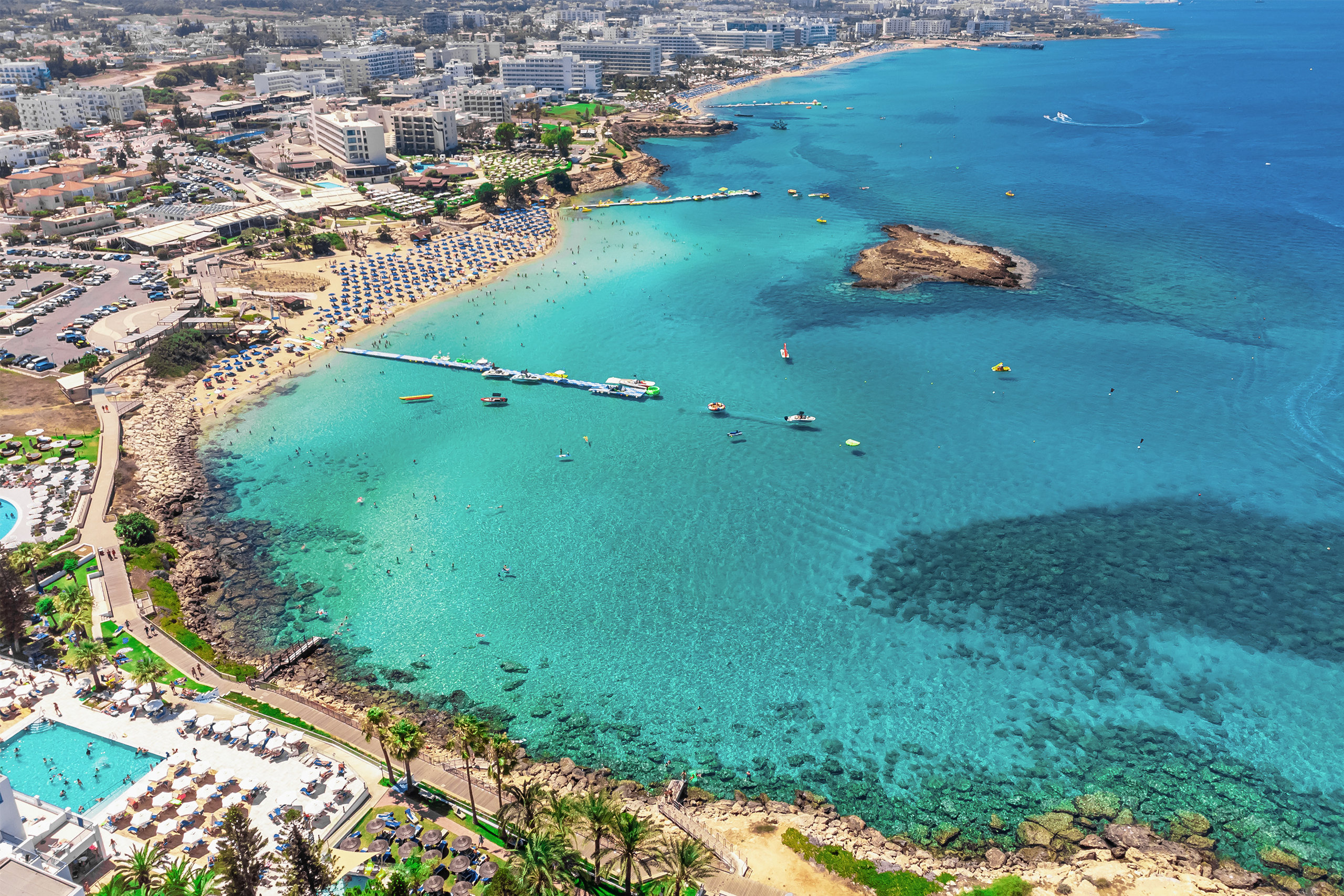
While the bay becomes busy during summer months, it rarely feels chaotic. The curved shape of the beach distributes people naturally, and quieter sections remain available, particularly in the early morning or late afternoon.
Swimming, paddle boating, and light snorkeling are common activities, though the bay is just as well suited to doing very little at all. Many visitors alternate between short swims and time on the sand, breaking occasionally for food or a walk along the waterfront.
When to Go and Why Timing Matters
Late spring through early autumn is the most popular period for visiting Fig Tree Bay, when water temperatures are warm and services are fully operational. July and August are the busiest months, particularly during midday hours.
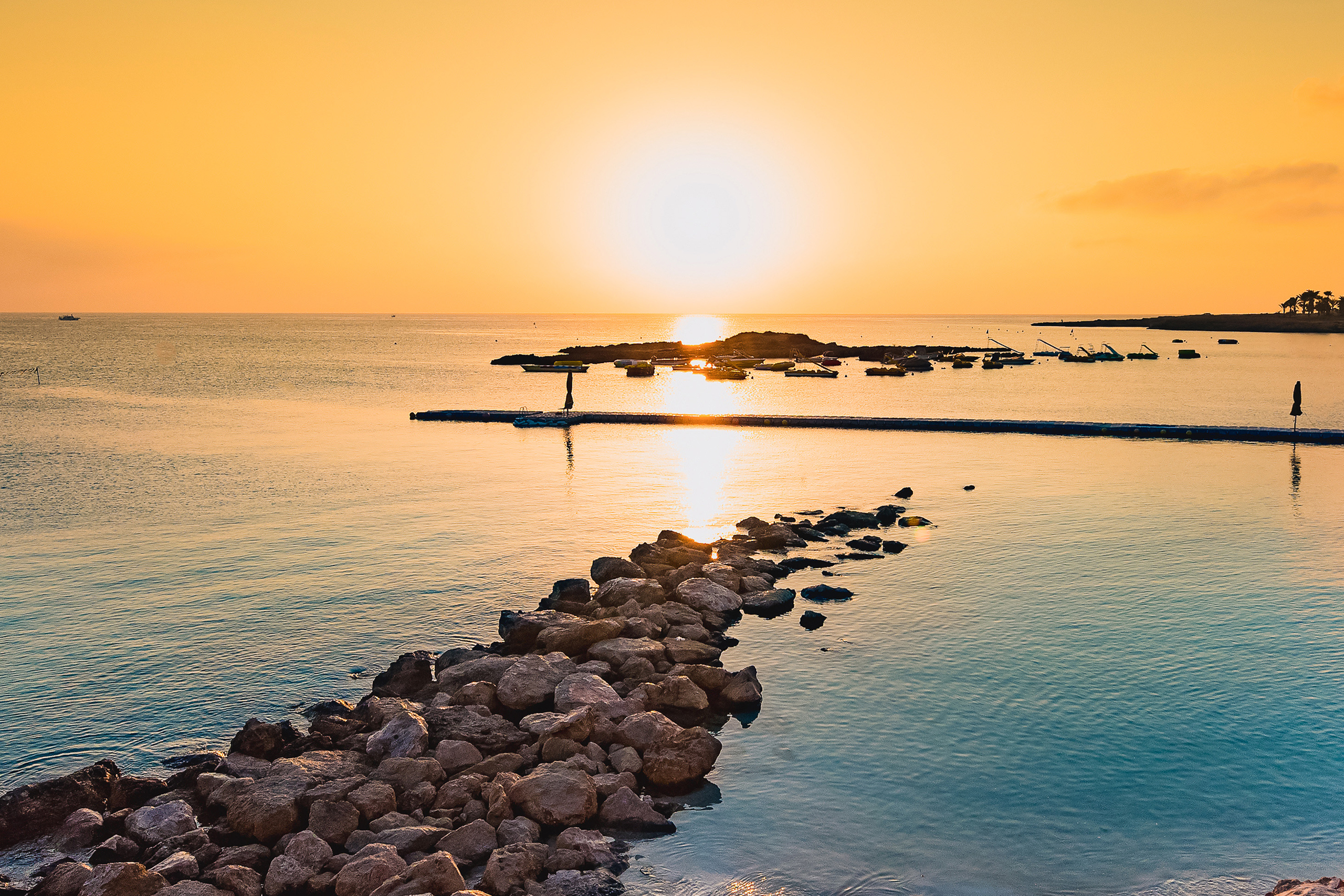
Those looking for a calmer experience often visit early in the morning, when the water is at its clearest and the beach is quieter. The shoulder seasons May, June, September, and early October offer a balance between warm conditions and reduced crowds, making them especially appealing for longer stays.
Why Fig Tree Bay Still Matters
Fig Tree Bay represents a broader pattern found across Cyprus: natural places that gradually evolved into modern public spaces without losing their original character. The bay’s name preserves a link to a quieter, rural past, while its present role reflects Cyprus’s openness to shared enjoyment of the sea.
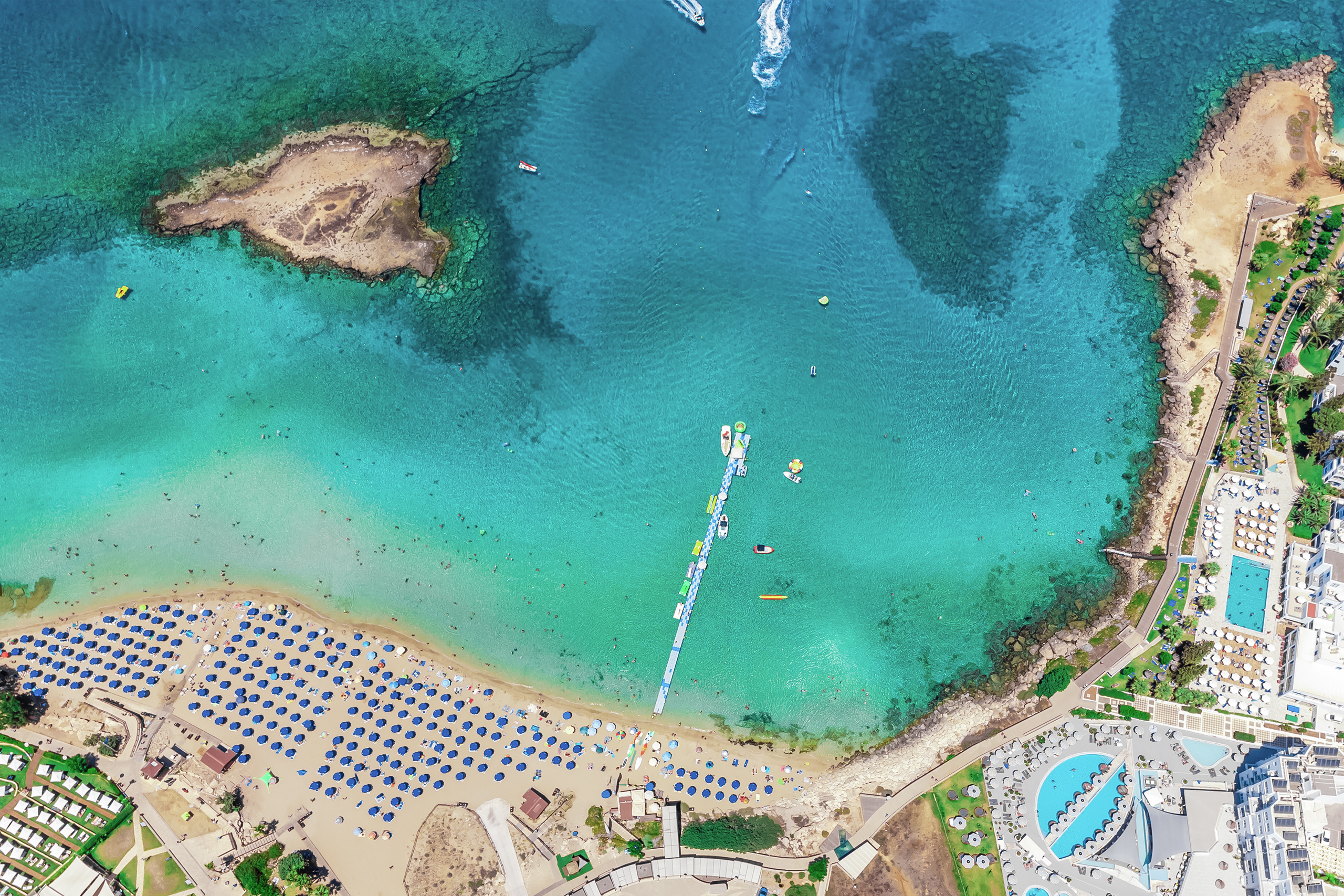
It is not a wild beach, nor an artificial one. It is neither frozen in history nor detached from it. Instead, Fig Tree Bay shows how landscape, daily life, and tourism can coexist when development follows the logic of the place rather than replacing it.
Understanding Fig Tree Bay helps explain why beaches play such a central role in Cypriot identity. They are not merely destinations they are settings where history, routine, and simple pleasure continue to meet, in clear water and open light, along the edge of the Mediterranean.