Explore Cyprus with Our Interactive Map

Für viele Spieler ist lolly spins mittlerweile zu einer festen Größe in ihrer persönlichen Casino-Routine geworden. Die Umsatzanforderungen unterscheiden zwischen Slot- und Tischspielen, wie es branchenüblich ist. Die Plattform kooperiert mit Organisationen wie GamCare und BeGambleAware. Die mobile Suchfunktion findet jedes Spiel innerhalb weniger Sekunden. Der Kundenservice nutzt ein internes Ticket-System, sodass alle Anfragen lückenlos dokumentiert werden. Die Plattform kooperiert mit lizenzierten und regulierten Zahlungsdienstleistern. Auch klassische Pokervarianten wie Casino Hold’em werden in Live-Form angeboten. Auto-Play-Funktionen erlauben das Festlegen vordefinierter Spielabläufe für bestimmte Slots. Themenslots mit Mythologie-, Abenteuer- oder Fantasy-Hintergrund schaffen eine immersive Atmosphäre. Spieler, die einen anspruchsvollen Anbieter suchen, dürften hier eine passende Wahl finden.

Explore our top stories and discover ideas worth your time.

Larnaca Medieval Museum

Larnaca Medieval Museum

The Larnaka Medieval Museum offers visitors a compact yet fascinating journey through 15 centuries of Cypriot history. Located on the second floor of the Medieval Fort at the end of Foinikoudes promenade, this small museum houses a carefully selected collection that spans from the Early Christian period to Ottoman rule. The museum occupies three rooms within the fort's upper level, a structure that itself tells a story of Cyprus's layered past. The building sits directly on Larnaca's waterfront, where the Mediterranean laps against stone walls that have witnessed centuries of change. The location proves as significant as the exhibits themselves. The fort began as a small Byzantine fortification in the late 12th century, positioned to guard the harbour. Between 1382 and 1398, Lusignan King James I ordered its expansion into a proper defensive castle. This transformation occurred because the Genoese had occupied Famagusta, Cyprus's primary port, and the Lusignans needed an alternative harbour for their kingdom's maritime trade. The Collections on Display Room one focuses on the Early Christian period, presenting antiquities from the 4th to 7th centuries AD. The display includes photographs of Byzantine and post-Byzantine monuments throughout Cyprus, providing context for the island's early Christian heritage. These visual references help visitors understand the wider architectural and religious landscape that shaped medieval Cyprus. The central room showcases Byzantine art…

Read more
Cyprus Shepherd Calls

Cyprus Shepherd Calls

Shepherd Calls and Vocal Signals are non-musical vocal expressions integral to pastoral life in Cyprus, forming a unique soundscape shaped by the island's landscape and herding traditions. These calls, including whistles, shouts, and melodic cries, serve practical purposes like directing flocks or communicating across distances, while carrying cultural depth. This practice preserves ancient methods of interaction with nature, highlighting how sound connects livelihood, environment, and community in Cypriot rural heritage. An Acoustic Tradition of the Countryside Shepherd calls and vocal signals represent a functional form of communication in Cypriot pastoralism, where sounds replace words to manage livestock and navigate terrain. These expressions, devoid of formal melody, rely on pitch, volume, and timbre to convey commands or alerts. In the island's varied landscapes - from coastal plains to Troodos mountains - they create an auditory layer that blends with natural echoes, forming a soundscape unique to herding life. This tradition underscores how Cypriot shepherds adapted vocal techniques to their environment, turning everyday tasks into a cultural practice that links humans, animals, and land. The Historical Foundations of Vocal Herding Shepherd calls in Cyprus trace origins to prehistoric times, when early inhabitants domesticated animals around 8500 BC during the Neolithic period. Archaeological evidence from sites like Choirokoitia shows tools for herding, suggesting vocal signals accompanied flock management. By the Bronze Age (2500-1050…

Read more
Protaras Beach

Protaras Beach

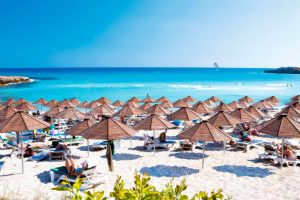
Protaras sits on the southeastern coast of Cyprus in the Famagusta District, approximately 70 kilometers from Larnaca International Airport. This coastal resort developed specifically for tourism offers 10 kilometers of coastline along the Mediterranean Sea. The beaches here feature fine golden sand and exceptionally clear waters that earned international recognition. Fig Tree Bay was named Europe's third best beach by TripAdvisor in 2011, though rankings shifted in following years. Unlike the party atmosphere of nearby Ayia Napa, Protaras built its reputation as a quieter alternative better suited to families and domestic Cypriot tourism. Historical Context In ancient times, the area now known as Protaras was home to the old city-state of Leukolla, which had a small, safe harbor where Demetrius Poliorketes sought refuge in 306 BC. For centuries afterward, the coast remained sparsely populated due to pirate threats that made settlement dangerous. The area earned the nickname "the land of windmills" from agricultural equipment that once dotted the landscape. The first windmills appeared in Paralimni in the early 20th century and were imported from Chicago, Toronto, and later Great Britain. Tourism development began in earnest during the late 20th century following the 1974 events that closed Famagusta to Greek Cypriot tourism. Protaras transformed from agricultural land into a major resort destination. The population of the broader Paralimni area grew from…

Read more