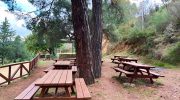
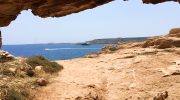
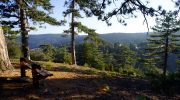
The Kavos Nature Trail stands as a prominent feature within the Cape Greco National Forest Park. This path occupies the eastern edge of Cyprus where the land meets the sea in a dramatic display of limestone cliffs. Visitors who walk this route witness a landscape that showcases the raw power of coastal erosion.
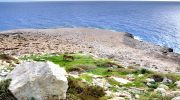
Local flora and fauna adapt to the harsh salt air and the intense Mediterranean sun. This specific environment creates a home for rare plants that thrive in the rocky soil. The path serves as a vital corridor for migratory birds that travel across the sea each year.
The geological history of the area remains visible in the jagged rock formations and sea caves. These natural features provide a unique backdrop for those who seek a quiet connection with the earth. This trail represents the bridge between the island interior and the deep blue waters of the Levantine Basin.
- Trail Overview
- The Geographical Significance of Cape Greco
- Botanical Diversity in a Coastal Desert
- Avian Life and Migration Patterns
- Marine Geology and Sea Caves
- Historical Context and Human Interaction
- The Impact of Climate on the Landscape
- Conservation Efforts and Environmental Protection
- Photography and Visual Appeal
- Practical Advice for Hikers
- Connectivity with the E4 European Long Distance Path
Trail Overview
- Location: Cape Greco National Forest Park, Ayia Napa, Cyprus
- Distance: 1.5 miles (2.4 km)
- Route Type: Loop
- Difficulty: Easy
- Elevation Gain: 50 meters
- Duration: 45 – 60 minutes
- Best Time to Visit: October – May
- Terrain: Rocky limestone and dirt paths
The Geographical Significance of Cape Greco
Cape Greco sits at the southeastern tip of Cyprus and marks a point of great ecological value. This headland consists of late Miocene limestone that has withstood the elements for millions of years. The Kavos Nature Trail winds along these ancient cliffs to provide a panoramic view of the horizon.
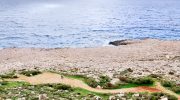
This location is famous for the fact that it is one of the first places in Europe to see the sunrise. The height of the cliffs offers a vantage point that ancient mariners used for navigation. Today the area remains protected under the Natura 2000 network to ensure the survival of its unique habitats. The lack of tall trees in this zone is a result of the constant sea breeze and thin soil.
Botanical Diversity in a Coastal Desert
The vegetation along the Kavos Nature Trail must endure high salinity and low rainfall. This creates a specialized ecosystem where only the hardiest shrubs can survive. Juniper bushes grow low to the ground to avoid the wind while wild herbs scent the air. Phoenician juniper is the dominant species here and it provides shelter for smaller organisms.
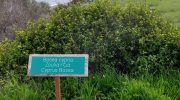
You will also notice the presence of sea lavender near the water’s edge. This plant blooms in shades of purple and adds color to the stark white rocks. Many endemic species exist only within this small pocket of the island. These plants have developed thick leaves to store water during the long dry months of the summer.
Avian Life and Migration Patterns
Ornithologists value the Cape Greco area because it serves as a critical stop for birds on the move. The Kavos Nature Trail provides an excellent spot to observe hawks and falcons as they hunt. Small songbirds use the low shrubs for cover during their long flights between continents.
The proximity to the sea means that gulls and other aquatic birds are a constant presence. Some species choose the secluded cliff faces to build their nests away from predators. This avian activity changes with each season and brings new life to the trail. The silence of the morning is often broken by the calls of these winged travelers. This biological richness makes the path more than just a scenic walk.
Marine Geology and Sea Caves
The interaction between the sea and the land has created a series of remarkable caves below the trail. These sea caves are the result of wave action that hollows out the softer parts of the limestone. The Kavos Nature Trail passes near the entrance to some of these natural vaults.
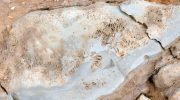
The water near the caves appears in shades of turquoise and deep cobalt blue. This clarity is due to the lack of silt and the presence of white sand on the sea floor. Geologists study these formations to understand the sea levels of the past. The presence of marine fossils in the rock high above the current water line proves that the land once sat deep under the ocean.
Historical Context and Human Interaction
Humans have utilized the Cape Greco headland for thousands of years. Archeological evidence suggests that early settlers used the high ground for defense and observation. The Kavos Nature Trail follows paths that shepherds and fishermen used for generations. Local legends speak of sea monsters that once dwelled in the caves beneath the cliffs.
While these stories are myths they reflect the deep respect the local people had for the sea. During the British colonial period the area served as a location for communication towers. Parts of this infrastructure still exist today as a reminder of the strategic importance of the cape. This blend of history and nature gives the trail a deep sense of place.
The Impact of Climate on the Landscape
The climate of southeast Cyprus dictates the appearance of the Kavos Nature Trail. Winter rains bring a short period of green growth where small flowers carpet the ground. By late spring the heat begins to turn the landscape into a golden brown hue. This cycle is a natural part of the Mediterranean climate and shows the resilience of the local flora.
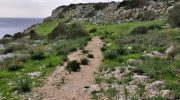
The lack of shade makes the trail a challenge during the peak of the day. Most visitors prefer the early morning hours when the temperature remains mild. The light at dawn creates long shadows that emphasize the texture of the rocky ground. This dramatic lighting is a favorite for those who document the beauty of the island.
Conservation Efforts and Environmental Protection
Cape Greco became a National Forest Park in 1993 to prevent overdevelopment in this sensitive area. The Kavos Nature Trail is a part of the effort to manage tourism while the authorities protect the environment. Signage along the path educates the public about the importance of staying on the trail.
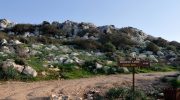
This prevents the trampling of rare plants and reduces soil compaction. Waste management is a priority to keep the coastal waters clean and clear. The park rangers monitor the health of the juniper groves and the bird populations. These efforts ensure that the trail remains a sanctuary for both wildlife and people. Support for these programs is essential for the long term health of the region.
Photography and Visual Appeal
The visual contrast at Cape Greco is a major draw for people who enjoy the outdoors. The white limestone cliffs meet the deep blue of the Mediterranean to create a striking horizon line. The Kavos Nature Trail offers numerous spots to capture this scenery from different angles. Low angle light in the afternoon highlights the jagged edges of the rock formations.
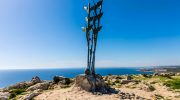
The vastness of the sea provides a sense of scale that is hard to find elsewhere. Many people visit the “Monument of Peace” near the end of the trail for a wide view of the coast. This spot allows for a full view of the bay and the distant town of Ayia Napa. The simplicity of the landscape is its greatest aesthetic strength.
Practical Advice for Hikers
A walk on the Kavos Nature Trail is accessible for most people but requires some thought. The terrain is rocky and can be uneven so footwear with good grip is a necessity. There is no source of fresh water along the cliffs so hikers must carry their own. Protection from the sun is a major concern because the area has very little tree cover.
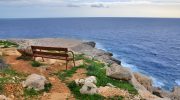
A hat and light clothing help to mitigate the effects of the heat. It is also wise to check the weather forecast for high winds which can make the cliff edges dangerous. Respect for the natural silence of the park allows everyone to enjoy the peace of the location.
Connectivity with the E4 European Long Distance Path
The Kavos Nature Trail is a key segment of the E4 European Long Distance Path. This trail system links several countries and ends right here on the island of Cyprus. This connection places the small trail in a much larger geographical context. It represents the final steps of a journey that begins thousands of miles away in Spain.
The E4 path highlights the shared natural heritage of the European continent. Walking this section allows people to feel a part of a much larger network of hikers. The trail is well marked with the standard E4 signage to guide those who follow the long route. This international status brings a diverse group of visitors to the Cape Greco area.