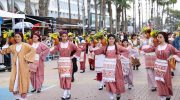
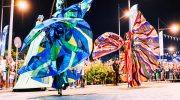
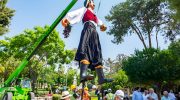
Cyprus maintains a vibrant calendar of festivals that connect modern islanders to their ancient past. These celebrations blend religious observances, agricultural traditions, and folk customs passed down through generations. The island’s storytelling tradition runs equally deep, with myths and legends that explain natural features, honor gods and heroes, and teach moral lessons.
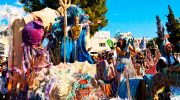
From massive wine festivals to intimate village gatherings, from stories of Aphrodite to tales of local saints, Cyprus preserves its cultural heritage through active participation rather than museum displays. The traditions remain living practices that shape how Cypriots understand their identity and their relationship to the land. These festivals and stories create shared experiences that bind communities together across time and geography.
Historical Background
Cyprus’s festival traditions trace back thousands of years to ancient Greek celebrations honoring gods like Dionysus and Aphrodite. The Anthestiria Festival, which still occurs each May in modified form, originated in classical Athens as a spring festival celebrating new wine and the rebirth of nature.

When Cyprus adopted Christianity during the Byzantine period, many pagan festivals transformed rather than disappeared. Church authorities adapted existing celebrations to fit Christian calendar dates, creating unique hybrid traditions. The Limassol Carnival, for example, combines ancient Greek revelry with pre-Lenten Christian fasting rituals. This pattern repeated across centuries of foreign rule by Venetians, Ottomans, and British, each adding layers to existing practices.
Storytelling traditions developed through oral transmission spanning millennia. Ancient Greek colonists brought myths about Olympian gods to Cyprus in the 11th century BCE. These stories merged with local beliefs about nature spirits and heroes.
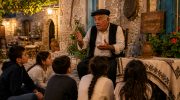
The island’s strategic position attracted traders, soldiers, and settlers who contributed Persian, Egyptian, Roman, and later Arab narrative elements. Byzantine monks preserved classical stories while adding Christian saints’ legends. Village elders maintained this oral tradition by recounting tales during winter gatherings, harvest celebrations, and family events. Each generation adapted stories to reflect contemporary concerns while maintaining core narrative structures that connected listeners to their ancestors.
Main Festival Categories and Their Features
Religious festivals dominate the Cypriot calendar, with Easter holding the most important position in Greek Orthodox tradition. Holy Week features elaborate ceremonies including Good Friday’s Epitaphios procession, where decorated flower-covered biers representing Christ’s tomb parade through towns at 8:30 PM.
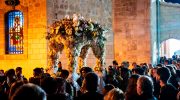
Easter Saturday midnight services fill churches with candlelight as priests announce Christ’s resurrection. Celebrants then burn Judas effigies in bonfires before returning home for traditional soup made from lamb organs. Easter Sunday brings outdoor meat roasts, family feasts, and all-day festivities featuring painted eggs and special bread called flaounes filled with cheese and mint.

Kataklysmos, the Festival of the Flood, occurs 50 days after Easter and celebrates only in Cyprus and select Greek coastal villages. The festival honors Noah and the biblical flood while coinciding with Pentecost. Ceremonies begin with priests throwing crosses into the sea, followed by divers retrieving them for blessings. Larnaka hosts the largest celebrations with its palm-tree promenade transformed into a marketplace. Events include water sports competitions, swimming races, boat races, folk dancing, poetry recitals, theatrical performances, and traditional singing contests featuring rhyming songs in Cypriot dialect. The festival lasts between seven and ten days, with seawater sprinkled on participants to symbolize purification of body and soul.

Agricultural festivals celebrate specific crops and products tied to village identities. The Limassol Wine Festival, established in 1961, runs for twelve days each September in the Municipal Gardens along the seafront. Visitors taste wines from Cyprus’s vineyards free of charge while watching folk dancing, theatrical performances, and traditional music. The event showcases traditional wine presses and promotes the island’s winemaking heritage dating to 800 BCE. Cherry festivals occur each June in Troodos Mountain villages including Kampos, Pedoulas, Platanistasa, and Treis Elies, featuring cooking demonstrations, traditional music, dancing, and local product markets. Other produce celebrations include mandarin festivals, artichoke festivals, fish festivals, pomegranate festivals in September at Ormidia, and honey festivals at Limassol Old Port each October.
Notable Story Elements and Characters

Aphrodite dominates Cypriot mythology as the goddess born from sea foam near Petra tou Romiou rock on the southwest coast. According to legend, Uranus’s severed body parts thrown into the sea by his son Cronus created the foam from which Aphrodite emerged. The Horae goddesses adorned her with flowers and jewels upon arrival at shore. This birth myth made Cyprus sacred ground for love and beauty worship, with temples dedicated to Aphrodite throughout the island. The goddess’s numerous love affairs, including relationships with Adonis, Ares, and her husband Hephaestus, provided endless material for storytellers exploring themes of passion, jealousy, and divine intervention in human affairs.

Digenis Akritas represents one of Cyprus’s most important heroic legends. This Byzantine warrior supposedly leaped across the Mediterranean from Anatolia to save Cyprus from Saracen invaders. When he landed, his handprint embedded permanently in the soil, creating the Five Finger Mountains. Alternative versions describe two young men fighting over a maiden, with the victor forming the mountain range from the impact of his opponent’s body. The story symbolizes Cyprus’s multicultural identity, as Digenis combined Greek and Arab heritage and spoke both languages. His connection to rivers, mountains, and forests emphasized respect for nature. The tale exists in numerous oral and written versions, considered among the most significant Byzantine and medieval epics.
Contemporary Festival Practices

The Limassol Carnival runs for ten days each February or March, depending on Orthodox Easter dates. The celebration starts with King Carnival’s parade followed by children’s parades on the first Sunday. Events include fancy dress parties, singing competitions, traditional games, street festivals, and nightly entertainment. The first week, called Meat Week, represents the final period for consuming meat before Lenten fasting begins. The carnival’s scale and elaboration make Limassol’s version Cyprus’s largest and most famous. Similar but smaller celebrations occur throughout the island.
Experiencing Festivals and Stories
Major city festivals provide easy access for tourists staying in coastal areas. The Limassol Wine Festival in September requires only a small entrance fee while offering free wine tastings, creating popular family-friendly events. Carnival celebrations occur publicly in streets and squares, allowing spontaneous participation. Easter services welcome visitors to churches, though understanding Greek Orthodox liturgy enhances appreciation. Coastal Kataklysmos celebrations in Larnaka, Paphos, and Limassol offer spectacular waterfront settings with extended programs suitable for day trips.

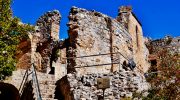
The Heartland of Legends cultural route guides visitors through locations connected to specific myths and legends. Tourist offices provide postcards featuring illustrated traditional stories with text explaining connections to particular sites. The route includes Petra tou Romiou where Aphrodite allegedly emerged from sea foam, Five Finger Mountains associated with Digenis Akritas, Saint Hilarion Castle with its demon-battling hermit legends, and numerous springs once believed inhabited by nymphs. Museums displaying folk art, traditional costumes, and agricultural tools help visitors understand material culture underlying festival traditions.
Storytelling events occur at cultural centers during winter months when elders share tales with younger generations. The Press and Information Office produced a documentary series called Myths and Tales of Cyprus featuring fourteen stories brought to life through film. These professionally produced narratives make folklore accessible to modern audiences unfamiliar with oral traditions. Village cafes occasionally host informal storytelling sessions where locals recount family stories and local legends, though these require language skills or local connections to access.
Cultural Continuity Through Festivals and Stories
Festivals and storytelling maintain cultural identity in the face of globalization and modernization. When Cypriots prepare loukoumades for Kallikantzaroi or attend Easter midnight services, they perform identical actions to their ancestors centuries ago. This continuity creates belonging to something larger than individual lives. The traditions also distinguish Cypriot culture from neighboring Greek and Turkish traditions despite sharing many elements. Unique festivals like Kataklysmos and distinct story versions about Digenis Akritas or local saints create specifically Cypriot cultural markers.
The practices preserve knowledge systems about agriculture, seasons, social organization, and moral values. Wine festivals teach winemaking history while celebrating current vintners. Cherry festivals mark harvest timing and promote mountain village economies. Religious festivals structure the year and reinforce ethical teachings through ritual participation. Stories encode environmental wisdom about water sources, sacred groves, and dangerous locations. Together, festivals and stories create a complete cultural education system operating parallel to formal schooling.