Explore Cyprus with Our Interactive Map

Explore our top stories and discover ideas worth your time.

Cost of Living in Cyprus

Cost of Living in Cyprus

Cyprus has become a popular destination for expats, retirees, and digital workers who want Mediterranean sunshine without the high price tag of Western Europe. The island offers a comfortable lifestyle at costs that remain below most EU countries, though prices have been rising steadily in recent years. Understanding what you will actually spend on housing, food, utilities, and daily expenses can help you decide if Cyprus fits your budget. A single person needs between €1,800 and €2,000 per month including rent to live comfortably in Cyprus, while a family of four requires at least €4,500 monthly. These figures account for housing, groceries, utilities, transportation, and basic leisure activities. Your actual expenses will vary based on which city you choose and your lifestyle preferences. The island offers notably lower costs than the United Kingdom, with living expenses roughly 13.6% cheaper. Compared to the United States, Cyprus costs about 18.8% less without rent, and rental prices show a 37.7% difference between the two countries. Spain edges out Cyprus slightly, being about 15% cheaper overall. Housing Costs Across Different Cities Your biggest monthly expense will be rent, and prices vary dramatically between cities. Limassol stands as the most expensive location on the island. Renting an apartment in Limassol costs twice as much as in Paphos and 2.5 times more than in Nicosia. A…

Read more

Platres to Prodromos Drive

Platres to Prodromos Drive

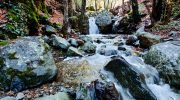
The scenic road from Platres to Prodromos traces one of the most beautiful routes in the Troodos Mountains. This approximately 18-kilometer drive connects two of Cyprus's most significant mountain villages, winding through dense pine forests at elevations between 1,100 and 1,400 meters above sea level. The route offers travelers a chance to experience the island's mountainous interior, where cool air and verdant landscapes contrast sharply with the coastal regions below. Platres sits at an altitude of 1,100 meters and serves as one of the largest resort villages in the Troodos range. Prodromos, positioned at 1,380 meters, holds the distinction of being the highest village in Cyprus. The road between them follows the natural contours of the mountain, revealing panoramic views of valleys, forests, and distant coastlines. Historical Routes and Mountain Connections The modern road between Platres and Prodromos has its roots in centuries-old paths that connected mountain communities. During the Byzantine period, these routes served monasteries and settlements that sought refuge in the highlands. Medieval maps show Prodromos marked as "Prodromo," indicating its existence as a settlement during that era. By the late 19th century, British colonial administrators recognized the Troodos Mountains as an ideal summer retreat from the coastal heat. They developed road infrastructure that linked villages such as Platres and Prodromos, transforming them into popular destinations for government…

Read more
Cyprus Cliffside Horizons

Cyprus Cliffside Horizons

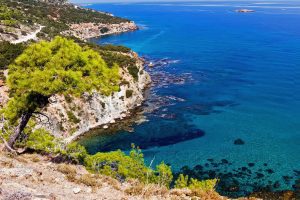
Cyprus is often imagined as a land of calm beaches and gentle shorelines, but some of its most striking coastal landscapes rise sharply instead of stretching outward. In several parts of the island, the land ends abruptly in high limestone cliffs that fall straight into the Mediterranean, creating views that feel expansive, exposed, and quietly dramatic. These vertical coastlines offer a very different way of experiencing Cyprus, one shaped by height, light, and the sudden meeting of land and sea. Where Cyprus Breaks the Horizontal Line Most Mediterranean coastlines encourage the eye to travel sideways. Cyprus’s cliffs do the opposite. They pull the gaze downward and outward at once, creating a sense of scale that feels rare in a region better known for gentle beaches. These dramatic drops appear along several stretches of the island, each with a different character. In the east, Cape Greco’s pale limestone edges meet intensely blue water in clean, sculpted forms. Along the south coast near Pissouri, the white cliffs of Cape Aspro rise sharply and uninterrupted, some reaching heights of over 250 metres. In the west, the Akamas Peninsula remains rugged and untamed, where steep land meets sea without much warning or infrastructure. What unites these places is not just their height, but the feeling they create. Standing at the edge of these cliffs,…

Read more