Snails, called ‘karaoli’ in Cyprus, belong to the class of gastropoda. In Cyprus, these mollusks represent more than just food. They connect to ancient traditions, seasonal rhythms, and family memories. Snail fossils have been found by archaeologists in Paphos, Cyprus from thousands of years ago.

Cypriots collected snails after the first rainfall, prepared them with specific techniques passed through generations, and served them during fasting periods when meat consumption was forbidden. The tradition persists today in traditional taverns and village homes across the island.
Types of Edible Snails in Cyprus
Cypriots of all ages used to collect snails in the first month of spring when it was wet and in autumn following the first rainfall. Different varieties required different preparation methods. The large mnouhari snails had hard shells and substantial meat. Medium-sized specimens provided versatile ingredients for various dishes. The flattened tsillitires offered delicate flavor in smaller packages.

The categorisation of snails into large and small ones used to prevail in the cities in the past. In the countryside, the big ones were called vourvoullaes because they resembled lemakes, and the small ones, manades. Regional naming variations reflected local observation and long familiarity with these creatures. Each type had specific culinary applications based on size and texture.

Cyprus hosts several species suitable for consumption. Theba pisana, known as the white garden snail or Mediterranean coastal snail, inhabits coastal regions. Helix species found across the island include varieties similar to those consumed throughout the Mediterranean. The diversity of habitats from coastal areas to mountain villages supports different snail populations.
Where to Experience Traditional Snail Dishes
Cyprus maintains strong tavern culture where traditional foods including snails appear on menus. Five establishments stand out for their commitment to authentic preparation and quality ingredients.
1. Zanettos Cypriot Tavern (Nicosia)

In the winding streets of Old Nicosia, Zanettos Cypriot Tavern stands as a bastion of tradition, having served locals since 1938. It is arguably the most famous tavern in the capital, beloved for its unwavering commitment to authentic Cypriot hospitality. There is no menu here; instead, guests are treated to a fixed, multi-course meze that arrives in a steady, rhythmic flow, ensuring you experience the full breadth of the island’s cuisine.
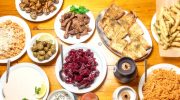
The snails at Zanettos are a highlight of this parade, prepared in a classic, rustic style that lets the natural flavors shine typically stewed in a rich tomato sauce or simply boiled with a zesty lemon dressing. The setting itself is part of the charm, with walls adorned with black-and-white photographs of famous patrons and historical moments, creating an atmosphere that feels both nostalgic and lively. It’s a place where politicians, artists, and families sit side-by-side, united by the love of good food. For anyone wanting to understand the “soul” of a Cypriot tavern, Zanettos is the benchmark.
2. 7 St. George’s Tavern (Paphos)
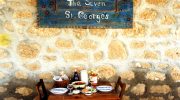
Perched in Geroskipou, 7 St. George’s Tavern is more than just a restaurant; it is a celebration of the island’s agrarian roots. The philosophy here is strictly “farm-to-table,” a term they take seriously by growing their own vegetables, curing their own meats, and baking their own bread. This dedication to freshness transforms their snail dishes into something truly special.
Served as part of a seasonal meze, the snails are often collected from the surrounding countryside and prepared with herbs picked from their own garden. The menu changes based on what the land provides that day, meaning your snail dish might come in a wine-based sauce one visit or a tomato-herb stew the next. The tavern itself is housed in a charming, stone-built structure filled with antiques and dried herbs hanging from the ceiling. The owner, George, is a passionate storyteller who often explains the origin of every ingredient on your plate, making the meal an educational journey into Cyprus’s culinary history.
3. Old Simos Tavern (Sotira, Famagusta)
Located in the village of Sotira, a short drive from the bustling resorts of Ayia Napa, Old Simos Tavern offers an authentic escape into rural Cypriot life. Housed in a beautifully restored traditional house with stone arches and a cozy courtyard, this tavern is a favorite among locals who appreciate honest, unpretentious food.

Their snail dishes are legendary in the area, often praised for their perfect texture and the depth of flavor in the accompanying sauce. Unlike the tourist traps on the coast, Old Simos focuses on slow-cooked, home-style recipes passed down through generations. The “Karaoli” here are typically served as a hearty starter, swimming in a savory broth that demands to be mopped up with fresh village bread. The atmosphere is warm and family-oriented, often buzzing with the sound of local chatter. It’s the perfect spot for travelers who want to step off the beaten path and experience the genuine hospitality of the “Kokkinochoria” (Red Soil Villages) region.
4. Dionysus Mansion (Limassol)
For those who believe tradition can be modern, Dionysus Mansion in Limassol offers a “Fun & Gourmet” twist on the classic tavern experience. Situated in a grand, historic building that exudes romance and sophistication, this restaurant bridges the gap between village roots and fine dining. The interior is theatrically decorated, while the lush garden offers a magical setting for evening dining under the stars.

Their approach to snails is refined, treating the humble ingredient with gourmet reverence. You might find them sautéed with garlic and fine herbs or incorporated into creative starters that play with texture and presentation. It’s an ideal choice for diners who might be intimidated by the rustic nature of village taverns but still want to try authentic flavors. The extensive wine list, featuring the best of Cypriot wineries, allows for perfect pairings, elevating the humble snail to a delicacy fit for the god of wine himself.
5. To Kazani Traditional Tavern (Aradippou, Larnaca)
Tucked away in the residential neighborhood of Aradippou, To Kazani is a family-run treasure that captures the heart of Cypriot dining: generous food, loud laughter, and a sense of belonging. The name “Kazani” refers to the traditional cauldron used for distilling Zivania, hinting at the restaurant’s deep respect for custom.
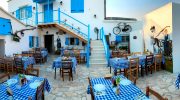
The tavern is renowned for its “meze,” a non-stop feast where the snails are a standout component. Here, they are prepared with a home-cooked love that many reviewers say tastes just like “grandmother’s cooking.” Whether stewed or grilled, the snails are seasoned to perfection, reflecting the specific culinary traditions of the Larnaca district. The atmosphere is often electric, especially on weekends when live music fills the air, and the owners make their rounds to toast with guests. It’s a place where you don’t just eat; you participate in a vibrant cultural experience that leaves you full in both stomach and spirit.
Traditional Cypriot Snail Dishes
The smaller snails were eaten either boiled like mnoucharous or with pilaf bulgur. For the preparation of snails with pilaf bulgur, housewives would boil the snails for a while, remove their shells and fry them in olive oil. This dish combined protein with grain in a filling meal suitable for fasting periods. The cook sautéed chopped tomatoes, added the fried snails, water, and bulgur. When the bulgur absorbed all water, the food was ready.
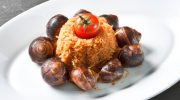
In Cyprus, very large snails with hard shells were called mnouhari. After boiling them in water, they were served with olive oil and lemon juice. This simple preparation highlighted the natural flavor without heavy sauces. The combination of olive oil and lemon appears throughout Cypriot cuisine as a fundamental seasoning approach.
Housewives in the village of Lythragomi, Famagusta district, used to cook the snails as yahni in tomato sauce with potatoes or zucchini. The yahni method created a rich stew where snails simmered slowly in tomato sauce with vegetables. Regional variations existed throughout Cyprus, with each area maintaining preferred preparation techniques.
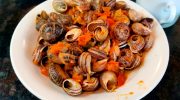
Some cooks prepared snails souvlakia by threading boiled, shelled snails onto wooden skewers, flouring them with rosemary, and frying them in hot olive oil. Others stuffed zucchini flowers with bulgur wheat and mnouhari snails, creating delicate parcels for special occasions.
Modern Preparation and Cooking Methods
They are popularly cooked and seasoned with garlic, olive oil, and lemon. Contemporary preparations maintain traditional flavors while adapting to modern kitchens. Cooks still follow the essential steps of cleaning, boiling, and cooking in flavorful sauces. The difference lies in convenience and consistency.
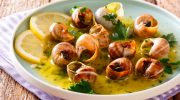
Many restaurants purchase cleaned snails rather than harvesting wild specimens. This ensures year-round availability and reduces preparation time. The fundamental cooking techniques remain unchanged. Boiling removes impurities. Sauce-based cooking imparts flavor while tenderizing the meat.
Wine often replaces or supplements vinegar in modern recipes. Stewed snails with onions, tomatoes, and white wine create complex flavors that develop through slow cooking. Some chefs add feta cheese near the end of cooking, letting it melt slightly into the sauce.