Cyprus diving operations have integrated conservation practices into their regular activities to protect Mediterranean marine ecosystems. Dive centers conduct underwater cleanups, monitor sea turtle populations through photo identification databases, and train divers to remove marine debris without disturbing habitats. The approach combines tourism with active environmental stewardship, transforming recreational diving into a tool for marine conservation.
The island’s waters support endangered species, including green sea turtles, loggerhead turtles, and the critically endangered Mediterranean monk seal. Posidonia oceanica seagrass meadows create essential habitats for hundreds of marine species. Five marine protected areas covering approximately 134 kilometers of coastline in the Turkish-occupied part of Cyprus and mapped seagrass beds in the south provide frameworks for conservation efforts that diving operations help implement.
- Historical Context
- What sustainable dive operations actually do
- Conservation achievements in Cyprus diving
- Regulations and practices protecting marine environments
- Why marine conservation matters for Cyprus diving now
- The diver's experience with conservation programs
- The future of conservation diving in Cyprus
Historical Context
Marine conservation in Cyprus initially focused on protecting nesting beaches for sea turtles. The Marine Turtle Conservation Project began monitoring the Turkish-occupied part of Cyprus beaches in 1992 after preliminary studies revealed significant populations of nesting green and loggerhead turtles. The project established long-term research programs and protective measures including nest caging to prevent predation by stray dogs and foxes.
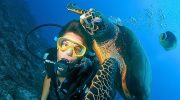
Diving operations entered conservation work more recently. In 2021, Project Xenios launched after divers from Cyprus Diving Centre in Pernera discovered a dead green turtle named Xenios entangled in fishing line. The Cyprus Marine and Maritime Institute completed a study for the Deputy Ministry of Tourism in late 2025 outlining strategies to develop diving tourism while strengthening environmental protections.
The Turkish-occupied part of Cyprus implemented a trawling ban over 30 years ago, effectively creating a large de facto marine protected area. This allowed Posidonia oceanica meadows, rocky reefs, and sandy bottoms to remain relatively intact compared to heavily fished Mediterranean areas. Research conducted since 2009 identified key biodiversity features and led to formal designation of five marine protected areas covering roughly one fifth of the island’s total coastline.
What sustainable dive operations actually do
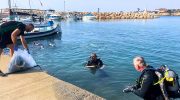
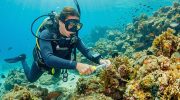
Dive centers participating in conservation programs train all students in proper marine debris removal techniques. Instructors teach divers to cut fishing lines from rocks, remove plastic waste and ghost nets, but leave glass bottles and containers that have become homes for small marine creatures. Every Friday afternoon, Cyprus Diving Centre conducts scheduled cleanup dives where collected garbage gets sorted and registered on the PADI Aware platform.
The Xenios Project maintains a photo identification database for sea turtles visiting Cyprus waters. Divers and snorkelers submit photographs taken during encounters, preferably showing left or right sides of turtle heads. Marine biologists compare submissions against existing records to track individual turtles, monitor population health, and identify threats. The database includes named individuals like Aphrodite, Georgios, Happy, and Orion that frequent specific feeding areas.
Data collected through turtle monitoring uploads to Wildbook’s international database where marine biologists worldwide can access information. This global data sharing helps researchers understand migration patterns, population dynamics, and conservation needs across the Mediterranean. The system allows scientists to track the same individual turtle across multiple locations and years.
Conservation achievements in Cyprus diving
Project Xenios created the first comprehensive database cataloging adult sea turtles in Cyprus feeding grounds. Previous conservation work focused almost entirely on nesting beaches and hatchlings. The adult monitoring program identified previously unknown threats including entanglement in fishing gear, boat strikes, and habitat degradation from coastal development.
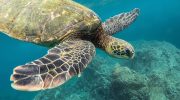
Research conducted through the Marine Turtle Conservation Project revealed that the Turkish-occupied part of Cyprus hosts globally significant populations of both green and loggerhead turtles. Long-term data collection spanning over three decades documented nesting trends, hatching success rates, and threat patterns. This information enabled targeted conservation interventions and informed policy decisions about coastal development.
The Turkish-occupied part of Cyprus surveys recorded 36 species of sharks and rays in marine protected areas, leading to candidate Important Shark and Ray Area designation. Monitoring confirmed occasional Mediterranean monk seal breeding in the region. The majority of the coastline now holds Important Marine Mammal Area recognition. Seabird surveys identified Cyprus’s first marine Important Bird and Biodiversity Area.
Regulations and practices protecting marine environments
The Cyprus study recommends establishing a supervisory authority to oversee diving operations, implementing national licensing for dive centers and instructors, and enforcing ISO compliance standards. Proposed regulations would restrict boat movements in key marine areas and enhance monitoring of protected zones.
Environmental sustainability requirements include using eco-friendly materials, conducting regular reef cleanups, implementing waste reduction practices, and running awareness campaigns. Specific targeted behaviors include prohibiting feeding of sea turtles, which changes their natural behavior and causes them to associate boat engine noises with food, leading to dangerous approaches to vessels.
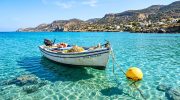
Anchoring regulations prohibit dropping anchors in Posidonia meadows since anchor chains drag across seabeds and tear up seagrass. Boats visiting popular dive sites must use designated mooring buoys or anchor only in sandy areas away from sensitive habitats.
The Turkish-occupied part of Cyprus receives support from international organizations including the University of Exeter Marine Turtle Research Group and MEDASSET. These partnerships provide technical expertise, satellite tracking equipment, and funding for long-term monitoring programs.
Why marine conservation matters for Cyprus diving now
The Deputy Ministry of Tourism positioning diving as a specialized tourism pillar requires demonstrating environmental responsibility. International dive tourists increasingly select destinations based on conservation credentials and healthy marine ecosystems. Properties and operators with verified sustainability practices gain competitive advantages in marketing and bookings.
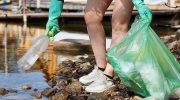
Mediterranean plastic pollution threatens the marine environments that attract divers to Cyprus. Studies found 80 percent of debris on Cyprus beaches consists of plastic materials. The Mediterranean ranks among the world’s highest for plastic pollution concentrations. Protecting diving sites requires preventing plastic and other waste from entering marine environments through coastal tourism zones.
Climate change impacts Mediterranean waters through rising temperatures and changing conditions. Posidonia oceanica meadows face regression from cumulative effects of multiple stressors. Research estimates 34 percent of Mediterranean meadows disappeared in the past 50 years. Conservation efforts protecting remaining healthy habitats become increasingly critical as environmental pressures intensify.
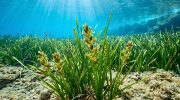
The rare Posidonia flowering and fruiting that occurred in 2025 across the Mediterranean demonstrates ecosystem health in protected areas. The phenomenon happens only every 5 to 10 years when environmental conditions align favorably. Archipelagos Institute collected over 12,000 fruits and seeds for experimental planting programs, representing crucial opportunities to restore degraded areas.
The diver’s experience with conservation programs
Divers participating in Xenios Project turtle snorkeling trips receive educational presentations before entering the water. Marine biologists explain sea turtle species, behavior, threats, and proper interaction protocols. Guides emphasize maintaining distance, avoiding sudden movements, and respecting turtle space during encounters. Professional photographers capture images during trips and share them with participants.
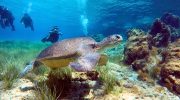
After successful turtle sightings, staff compare photographs with the database to identify which individual the group encountered. Participants receive personalized Turtle Lovers Snorkeling Diplomas documenting their contribution to conservation monitoring. The educational component transforms recreational activities into meaningful scientific participation.
Beach cleanup dives allow volunteers to directly remove marine debris. Participants collect plastic waste, fishing lines, and ghost nets that endanger marine life. Post-dive sessions sort and catalog collected materials, teaching participants about pollution sources and impacts. PADI Dive Against Debris certification trains divers in proper debris removal techniques and documentation procedures.
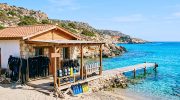
Dive centers like Latchi Watersports Centre and Cyprus Diving Adventures offer multiple conservation-focused programs. Options include specialized courses about Mediterranean marine ecosystems, guided dives to survey specific species, and volunteer opportunities assisting research projects. These experiences appeal to divers seeking meaningful engagement beyond recreational exploration.
The future of conservation diving in Cyprus
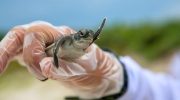
Cyprus diving operations demonstrate that tourism and conservation serve complementary rather than conflicting goals. Project Xenios transformed one turtle’s death into an ongoing movement engaging thousands of divers, snorkelers, and local residents in marine protection. The comprehensive database now tracks dozens of individual turtles, revealing behavioral patterns and habitat use that inform conservation strategies.
Expanding marine protected areas, strengthening regulations, and maintaining long-term monitoring programs require sustained commitment from government agencies, diving operators, researchers, and local communities. The frameworks exist through marine protected areas, research projects, and industry initiatives. Success depends on consistent implementation and adequate funding for programs that produce measurable results.
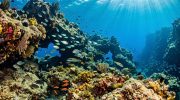
The Mediterranean faces mounting environmental pressures from climate change, pollution, overfishing, and coastal development. Cyprus’s combination of research excellence, engaged dive operators, and designated protected areas positions the island to lead Mediterranean marine conservation efforts. Visitors choosing Cyprus diving contribute directly to programs protecting endangered species and critical habitats while experiencing some of the region’s finest underwater environments.