Kleftiko is a traditional lamb dish cooked in a sealed oven for many hours until the meat becomes tender enough to fall off the bone. The name comes from the Greek word “kleftis,” which means thief.
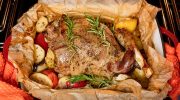
The dish uses lamb or goat, cut into large portions and kept on the bone. Seasoning remains minimal: salt, oregano, bay leaves, lemon juice, and garlic. The meat cooks alongside potatoes in a sealed clay pot or wrapped tightly in parchment paper.
The cooking process traps all moisture and aroma inside, creating meat that pulls apart with a fork. Traditional versions cook for at least eight hours, though modern recipes often reduce this to three or four hours in conventional ovens.
Origins of a Rebel Dish

The history of kleftiko traces back to the 15th through 19th centuries during Ottoman rule over Greece and Cyprus. A group called the Klephts operated as mountain rebels who resisted Ottoman authority. These fighters lived in remote mountain regions and survived partly by stealing livestock from flocks. To avoid detection while cooking their stolen meat, the Klephts developed a method that left no visible smoke or scent.
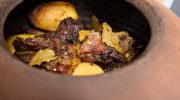
They dug pits into hillsides or underground, placed the meat inside with hot stones or coals, then sealed everything with clay or mud. The meat slow-cooked for many hours while the Klephts went on their missions. When they returned, they found fully cooked meals waiting for them. This underground cooking method became the foundation for what Cypriots and Greeks now call kleftiko.
The Cooking Method That Makes It Special

The defining characteristic of kleftiko is the sealed cooking environment. Traditional Cypriot villages used communal clay ovens called fournos or klouvnos. Families would prepare their lamb portions early Sunday morning, wrap them in parchment or place them in clay pots, then take them to the village oven before attending church. The oven keeper sealed each pot with a flour-and-water paste to prevent steam from escaping.

By lunchtime, the meat had cooked completely in its own juices. This communal tradition created a weekly ritual where entire villages participated in the same cooking process. The sealed environment serves multiple purposes.
It prevents moisture loss, concentrates flavors, and tenderizes even tough cuts of meat through extended low-temperature cooking. When properly sealed, the lamb can remain in the oven for much longer than the minimum cooking time without drying out. Many Troodos mountain villages still maintain traditional clay ovens in backyards or driveways, where neighbors light fires as early as 3 or 4 AM for special occasions.
Traditions That Became Cultural Identity
In Cyprus, animal theft among shepherds was historically viewed as “tolerated theft” or a form of food sharing rather than serious crime. This cultural practice influenced the dish’s evolution from survival food to celebration cuisine.

By the early 20th century, kleftiko had become the centerpiece of Cypriot wedding feasts and Sunday family meals. Villages typically cooked kleftiko during the months when animals grazed on dry vegetation, making the meat tougher and more suited to long, slow cooking. The dish also gained significance during Orthodox fasting periods. After 40 days of abstaining from meat and dairy, families would break their fast with kleftiko on Easter or Christmas. Some villages developed local variations.
Xylotymvou added kleftiko to taverns where residents and travelers could purchase portions to eat with drinks. The practice became so widespread that specific regional styles emerged, though all maintained the core principle of sealed, slow cooking.
UNESCO Recognition and Modern Adaptations
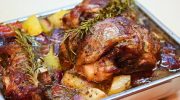
In 2019, UNESCO included the Traditional Ofto Kleftiko of Cyprus in its National Inventory of Intangible Cultural Heritage. The designation recognizes kleftiko as a living tradition that connects food to Cypriot identity, resistance, and hospitality. The word “ofto” means baked, emphasizing the traditional oven method. Modern cooking has adapted kleftiko while preserving its essential character.
Home cooks now use conventional ovens with tightly sealed parchment paper and aluminum foil instead of clay ovens. The key remains creating an airtight environment that traps all steam and juices. Some restaurants serve individual portions in parchment parcels that diners unwrap at the table, releasing a burst of herbed lamb aroma.

Electric ovens at 160 degrees Celsius can produce results similar to traditional clay ovens when properly sealed. Contemporary recipes sometimes add vegetables beyond potatoes, though purists maintain that only lamb, potatoes, and basic seasonings belong in authentic kleftiko.
How Kleftiko Functions Today
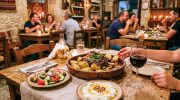
Kleftiko appears on taverna menus throughout Cyprus, though the best versions come from family-run establishments and villages with traditional clay ovens. Many restaurants designate specific days as “Kleftiko nights,” creating weekly gatherings centered on this dish.
The meal serves as a social event rather than quick dining. A single portion feeds two or more people, encouraging sharing and extended conversation. Standard accompaniments include village salad with tomatoes, cucumbers, onions, and feta, strained yogurt to balance the richness, and fresh bread for soaking up juices. Cypriot wine pairings often feature Maratheftiko red wine or Commandaria dessert wine.
Some areas maintain the tradition of Sunday kleftiko, where families spend afternoons together while the meat cooks. The long preparation time, from early morning fire-lighting through afternoon serving, creates natural opportunities for multiple generations to gather and participate in food preparation.
What Makes It Worth Knowing
Kleftiko represents Cyprus’s ability to transform survival methods into cultural treasures. What began as a necessary technique for cooking stolen meat in secret became a dish that families proudly serve at weddings and festivals. The patience required for proper kleftiko, the communal aspects of shared ovens, and the simplicity of ingredients all reflect core Cypriot values.

The dish connects modern islanders to centuries of resistance against foreign rule and to the resourcefulness of mountain rebels who created something lasting from difficult circumstances.
When visitors taste kleftiko cooked in a traditional clay oven, they experience food that has remained fundamentally unchanged for hundreds of years, a rare continuity in a rapidly modernizing world. The continuing popularity of kleftiko demonstrates how Cyprus honors its history through everyday cooking rather than relegating traditions to museums.