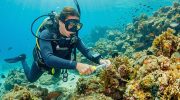
Cyprus operates one of the Mediterranean’s most comprehensive eco-certification systems for tourism businesses and beaches. These certifications verify environmental performance, safety standards, and sustainable practices through strict criteria and regular audits.
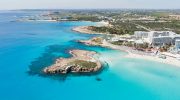
The island participates in internationally recognized programs managed by the Foundation for Environmental Education, the Global Sustainable Tourism Council, and independent certification bodies. Hotels, restaurants, beaches, and marinas pursue certification to demonstrate environmental responsibility, reduce operational costs, and meet growing consumer demand for sustainable tourism.
The certification process requires documentation, training, operational changes, and annual verification. Cyprus currently maintains 66 Blue Flag certifications for beaches and marinas, while Green Key certification gains momentum among hospitality businesses.
Building Certification Systems from the Ground Up
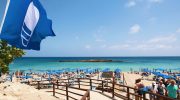
The Blue Flag program arrived in Cyprus in 1994 through a joint initiative between the Cyprus’s Deputy Ministry of Tourism and the Cyprus Marine Environment Protection Association. Water quality analyses began in 1995, before Cyprus joined the European Union. Fig Tree Bay in Protaras became the first Cypriot beach to receive the Blue Flag in 1996.
Green Key certification was launched in Cyprus more recently as hotels and accommodations sought formal recognition for sustainability efforts. The program serves multiple establishment types, including hotels with more than 15 rooms, hostels, small accommodations under 15 rooms such as guesthouses and eco-lodges, campsites and holiday parks, conference centers without overnight accommodation, standalone restaurants and cafes, and tourist attractions like museums and theme parks.

CYMEPA acts as the national operator for Green Key in Cyprus. As of February 2025, more than 7,500 establishments across 80 countries hold Green Key certification globally. The certification aligns with international standards recognized by the World Tourism Organization and the Global Sustainable Tourism Council.
What Certification Actually Requires
Blue Flag beaches must meet 33 specific criteria covering four categories. Environmental management requirements include the creation of a beach oversight committee, compliance with beach administration rules, protection of ecologically vulnerable areas, daily beach cleaning while preserving natural seaweed deposits, adequate trash and recycling bins with regular servicing, and recycling facilities where available.
Water quality receives particular scrutiny. Health Inspectors from the Ministry of Health conduct sampling every two weeks during bathing season, exceeding the European Union requirement of monthly testing. The State General Laboratory, an accredited facility, performs analyses. Results appear on information boards at each beach. Water must meet EU excellence standards, the highest classification available.
Green Key certification evaluates hospitality businesses across comprehensive criteria covering energy efficiency, water conservation, waste management, cleaning products, staff education, guest information, supplier practices, and community engagement. One specific criterion requires hotels to prefer locally produced food products to reduce transportation costs.
The program provides detailed guidance on implementation. Core objectives include staff training on sustainable practices, operational efficiency improvements that reduce resource consumption and expenses, and genuine environmental promotion rather than superficial claims. Establishments undergo rigorous application reviews and on-site audits before certification. The award remains valid for one year, requiring annual renewal through continued compliance verification.
Implementation Results Worth Noting
Cyprus awarded 66 Blue Flags in 2025, covering 64 beaches and 2 marinas. This represents a decrease from 78 awards in 2024, as 16 flags were revoked due to non-compliance during the previous season.

The municipality of Paralimni-Deryneia earned 18 Blue Flags, the highest number nationally. Ayia Napa received 16, Amathus 9, Paphos 6, Geroskipou 3, Larnaca 3, and Akamas 2. The European Commission’s bathing water quality reports consistently rank Cyprus first in the European Union.

The island achieved this position in 2022 and 2023, demonstrating sustained excellence rather than temporary achievement. More than 4 million tourists visited Cyprus in 2024, generating €3.2 billion in tourism revenue, a 7.3% increase from 2023. Beach quality directly influences these numbers, as coastal tourism remains a strategic priority.
Green Key certification participation grows among Cyprus hotels as the scheme becomes integrated into broader tourism reform. The certification signals compliance with environmental standards and becomes a factor for business competitiveness and regulatory expectations.
Current Tourism Industry Adoption
The global tourism market increasingly demands green certifications from hotels and restaurants. UK tour operators, who bring substantial visitor numbers to Cyprus, prioritize accommodations with verified sustainability credentials.
The Cyprus Sustainable Tourism Initiative, operating since 2006, provides hotels with free guides, toolkits, webinars, and workshops tailored to different sectors. Resources cover energy and water usage reduction, waste management, local supplier procurement, guest communication strategies, and staff training.
More than 300 key personnel received training on reducing single-use plastic items between 2019 and 2022. These programs help businesses transition from awareness to implementation.
Why Certifications Matter for Modern Travel
Eco-certifications serve multiple audiences. Tourists gain reliable indicators when selecting accommodations, beaches, and tour operators. The variety of certification programs, with over 100 available globally, creates confusion without standardization.
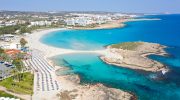
GSTC recognition provides assurance that certified programs meet international benchmarks rather than arbitrary criteria. More than 40 leading certification programs listed 23,000 certified establishments in 2023, with 80% certified by ten international systems. Europe hosts the majority of certified tourism businesses, including 4,000 certified beaches and marinas, 800 tour operators and travel agencies, and 9,000 accommodations.
The Future of Sustainable Tourism Standards
Cyprus demonstrates that Mediterranean tourism destinations can maintain high visitor numbers while improving environmental performance through systematic certification adoption. Blue Flag participation since 1994 established precedents for voluntary environmental standards in beach management.

Green Key expansion among hotels shows industry willingness to pursue operational sustainability when supported by clear criteria, technical assistance, and market recognition. The integration of minimum sustainability standards into Cyprus’s Deputy Ministry of Tourism quality reviews moves certification from optional to expected, accelerating adoption across the accommodation sector.
Certification programs evolve to address emerging priorities. Climate change requires measurement and reduction of carbon emissions, adaptation strategies for temperature increases and sea level rise, and resilience planning for extreme weather events. Biodiversity protection demands ecosystem assessments, habitat preservation, and wildlife-friendly practices. Social sustainability includes fair labor practices, community benefit sharing, cultural preservation, and anti-exploitation measures.