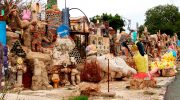
Integration of text and image in Cypriot art blended inscriptions, symbols, and visual motifs to strengthen authority, devotion, or communal memory across the island. From ancient seals to tombstones and coins, this mix created powerful messages that went beyond words or pictures alone, preserving connections to gods, rulers, and shared histories. This approach transformed simple items into enduring records of cultural values in Cypriot life.
A Clever Blend Across the Island
Ancient Cypriot art featured a seamless combination of text and imagery, extending from coastal regions to mountainous interiors. Inscriptions were not isolated from visuals; they intertwined on artifacts ranging from compact seals to large monuments. This integration served purposeful ends, such as enhancing a deity’s depiction with a name to affirm power or devotion. Sites like Enkomi in the east or Idalion inland demonstrate how this fusion conveyed concepts of faith, leadership, and heritage, converting ordinary objects into instruments for recollection and reverence.
Roots in a Busy Island World
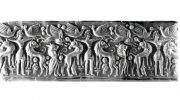
This artistic practice originated around 2000 BC during the Bronze Age, when Cyprus functioned as a trade nexus incorporating elements from Greece, Egypt, and the Near East. Early seals from locations like Enkomi paired basic depictions of animals or figures with markings that may represent proto-writing, laying groundwork for subsequent combinations. The Iron Age after 1050 BC saw Greek arrivals introduce alphabets, yet Cypriots retained their syllabic script, pairing it with visuals on memorials or ceramics. Persian governance from 525 BC incorporated Eastern writing systems, while Roman influence from 58 BC added Latin elements. Across these eras, text and image evolved together throughout the island, from Salamis’s currency to Amathus’s monuments, adjusting to successive rulers while upholding indigenous storytelling methods.
How Words and Pictures Joined Forces
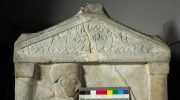
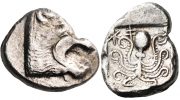
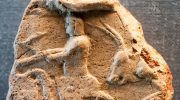
In Cypriot art, inscriptions frequently appeared adjacent to symbols or motifs, amplifying overall significance. A seal might portray a mythical fish-man – merging human and marine forms – encircled by Cypriot Syllabic script, functioning as an enhancer of its protective or auspicious qualities. Tombstones, such as the Classical-period example for Paramenon, combined Greek text identifying the deceased with engraved scenes of kin or deities, bolstering expressions of piety and remembrance. Coins from realms like Idalion displayed Aphrodite’s dove emblem alongside royal designations, asserting governance supported by celestial endorsement. This amalgamation rendered art collaborative, where script clarified or intensified visuals, delivering complete communications within restricted formats.
Quirky Examples That Bring It Alive
Cypriot artifacts include instances where text and image converge in notable ways. The Idalion Bilingual from the 4th century BC consists of a bronze tablet with Phoenician script on one face and Cypriot Syllabic on the other, accompanied by emblems of divine offerings, merging linguistic and visual components to commemorate a sanctuary agreement and preserve collective recollection.
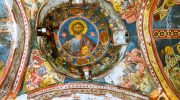
Medieval inscriptions in churches island-wide, such as at Saint Nicholas in Solea, interweave crosses as faith emblems with incised names or supplications, converting walls into sites of joint veneration. A seal from Enkomi depicts a warrior alongside etched markings, possibly a designation or incantation, rendering the diminutive item a potent amulet. Coins from Salamis present monarchs’ profiles with Greek lettering and motifs like eagles, associating regal command with avian divinity. These features lend the art an engaging yet profound quality, resembling enigmas from antiquity.
Deeper Layers of Meaning and Use
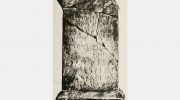
Further exploration discloses deliberate ingenuity in this integration. Script lent authority – a sovereign’s name beside a lion emblem on a monument conveyed fortified, divinely sanctioned might, as observed at Tamassos. For piety, emblems like doves paired with inscribed invocations amplified adoration, evident in dedications from Kition. Collective remembrance manifested in memorials throughout the island, where familial designations with depicted scenarios sustained narratives across eras.
Contributions from Egypt’s hieroglyphics or Greece’s annotated legends were assimilated, yet Cypriots tailored them using indigenous scripts like the Syllabary to anchor them in island heritage. During periods of adversity, such as foreign dominion, this combination aided the safeguarding of Cypriot customs, positioning art as a form of subtle endurance or solidarity.
How It Echoes in Cyprus Today
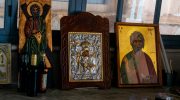
This ancient blending of text and image persists in contemporary Cypriot practices, adapted through historical transformations. Church icons combine saintly designations with symbolic representations, echoing early devotional integrations. In the context of division, shared inscriptions or murals that pair messages with visuals promote reconciliation, drawing on historical precedents for unity. Modern creators apply the technique in posters or literature, merging archaic scripts with current imagery to commemorate heritage.
Tourism maintains its vitality, as museum exhibits elucidate how these unions fostered piety. Daily applications appear in matrimonial invitations or event banners, intertwining script and emblems in ways that recall antique methods of conveying recollection and belief. This continuity underscores the role of such integrations in sustaining cultural coherence amid modern dynamics.
Opportunities for Exploration
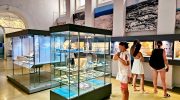
The Cyprus Museum in Nicosia houses seals and tablets like the Idalion Bilingual, with low admission and daily access. Enkomi ruins near Famagusta provide free paths to view early examples, though access guidelines apply. Troodos churches feature graffiti merging text and crosses, open without charge. Guided tours, available at modest cost, offer explanations of the integrations. Spring or fall conditions support comfortable visits, facilitating observation in varied settings.
A Lasting Team of Words and Pictures
Integration of text and image in Cypriot art demonstrates how inscriptions, symbols, and motifs combined to fortify expressions of authority, devotion, and memory throughout the island. This was not mere craftsmanship but a mechanism for perpetuating concepts, converting basic artifacts into potent memorials. The legacy enriches perceptions of Cyprus as a locale where art linked communities to their heritage. Engagement with a labeled seal or depicted memorial evokes admiration for how pairings of script and visuals conveyed expansive narratives. In visual contexts, this tradition affirms that modest combinations harbor profound depths.