Explore Cyprus with Our Interactive Map

Explore our top stories and discover ideas worth your time.

Almond Tree In Cyprus

Almond Tree In Cyprus

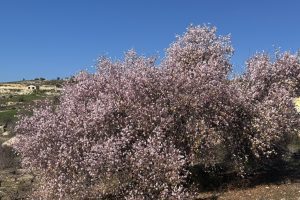
Picture a Cypriot hillside in late February, when most trees are still bare. Suddenly, clouds of delicate pink and white flowers appear as if by magic, painting the landscape in soft pastel tones weeks before any leaves unfold. This early burst of beauty belongs to the almond tree, a cherished symbol of spring and one of the island’s most generous gifts. Konstantin-Solovev A Tree Steeped in Mediterranean Sweetness Prunus amygdalus, the almond tree, belongs to the Rosaceae family – the same group as peaches, cherries and roses. In Cyprus it grows as a graceful deciduous tree, usually 4–10 metres tall, with a rounded crown and slender branches. It thrives in the sunny, well-drained soils of the island’s valleys, hillsides and traditional orchards. Roots in the Dawn of Agriculture Almonds are among the very first fruit trees domesticated by humans, with archaeological evidence from the Early Bronze Age in the Levant and remains found in Tutankhamun’s tomb. The wild ancestor likely grew in the hills of western Asia and the eastern Mediterranean. In Cyprus, cultivation dates back thousands of years; the tree appears in ancient texts and has been part of village life for generations. Early naturalists such as Unger and Kotschy noted almond orchards during their 1862 explorations, while modern forest and agricultural records show how the almond has been…

Read more

Famagusta Salt Lake Formations & Flamingos

Famagusta Salt Lake Formations & Flamingos

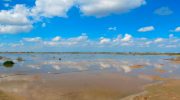
The Famagusta district hosts several seasonal salt lakes and wetlands that transform dramatically between summer and winter. Paralimni Lake, a natural seasonal wetland in the Famagusta district, is one of the few remaining wetlands of its kind in Cyprus. Facebook-comDimitris-Vetsikas This shallow water body covers approximately 350 hectares and represents the largest natural inland lake on the island. North of the city of Famagusta Glapsides Salt Lake, a smaller coastal salt lake favored by migrating birds. These wetlands share common geological origins and ecological functions despite their different locations within the district. Ancient Seas and Modern Salt Lakes The formation of Cyprus's salt lakes connects to both recent geological history and ancient Mediterranean events. Around 5.96 to 5.33 million years ago, the Mediterranean Sea underwent the Messinian Salinity Crisis when the Strait of Gibraltar closed, cutting off water from the Atlantic. The entire Mediterranean basin experienced extreme evaporation, depositing thick layers of salt and gypsum across the seafloor. When the strait reopened, seawater flooded back and covered these deposits. Cyprus's current salt lakes formed much more recently through different processes. Paralimni Lake is a slightly brackish, shallow temporary water body with an average depth of 15 centimeters during the wet period. The lake occupies a natural depression that collects rainwater runoff during winter months. In 1893 due to excess humidity…

Read more
Summer vs Winter Travel in Cyprus

Summer vs Winter Travel in Cyprus

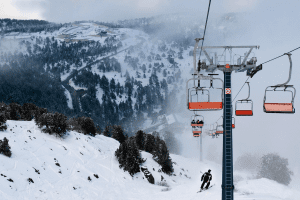
Cyprus offers two distinctly different travel experiences depending on when visitors visit. The Mediterranean island transforms from a sun-soaked beach paradise in summer to a mild, green sanctuary in winter. Both seasons have their unique advantages, and choosing between them depends on what visitors want from their trip. Shutterstock-com Summer brings hot weather and crowded beaches, while winter offers cooler temperatures and fewer tourists. Understanding these differences helps visitor plan a trip that matches their expectations and budget. Weather Patterns Throughout the Year Summer in Cyprus runs from June to August, with temperatures regularly reaching 30 to 34 degrees Celsius along the coast. Summer in Larnaca is also hot, dry, and incredibly sunny. Daily highs typically climb from 30°C (86°F) in June to a peak of 33°C (91°F) in July and August, though heatwaves can occasionally push temperatures above 40°C (104°F). The sea temperature stays around 26 degrees Celsius, perfect for swimming and water sports. Shutterstock-com Winter lasts from December to February, with daytime temperatures averaging 16 to 18 degrees Celsius along the coast. Nights can drop to 8 to 10 degrees Celsius. The season brings most of the island's annual rainfall, particularly in December and January. The Troodos Mountains experience much colder conditions, with temperatures dropping to minus 5 degrees Celsius at night and snow coverage reaching up to…

Read more