Tucked high in the Troodos Mountains, Odontarrhena troodi is a cheerful little plant with sunny yellow flowers that clings to life on rocky slopes where most greenery gives up. This endemic Cypriot native isn’t just a pretty sight—it’s a master of survival in harsh spots. But what secrets does it hold about the island’s wild side that might surprise you?
- What Exactly Is This Tough Little Mountain Dweller?
- How Did This Plant Emerge from Cyprus's Ancient Earth?
- Picture This: A Shimmering Survivor in Yellow and Silver
- Bet You Didn't Know These Quirky Plant Tricks!
- Unlocking the Science: From Metal Mastery to Pollinator Partnerships
- Still Thriving: This Plant's Role in Today's Cypriot World
- Ready for Adventure? Spot It in the Wild!
- Why This Tiny Bloom Captures the Essence of Cyprus
What Exactly Is This Tough Little Mountain Dweller?
Odontarrhena troodi is a small, wild flowering plant unique to Cyprus, belonging to the mustard family—like a distant cousin to your garden broccoli or cabbage. It thrives exclusively in the island’s mountainous heart, adapting to tough, mineral-packed soils that would challenge most plants. Think of it as a compact shrub that brings bursts of color to otherwise stark landscapes.
How Did This Plant Emerge from Cyprus’s Ancient Earth?
The tale of Odontarrhena troodi stretches back to the 19th century when Swiss botanist Édouard Boissier first spotted and named it during his Mediterranean travels, honoring the Troodos Mountains. Cyprus’s geology tells the deeper story: millions of years ago, tectonic forces thrust ancient ocean floors upward, creating ultramafic rocks rich in metals that shaped this plant’s evolution. It’s like a living relic from the island’s fiery geological past, evolving in isolation to become a true Cypriot original.
Picture This: A Shimmering Survivor in Yellow and Silver
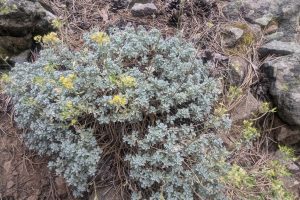
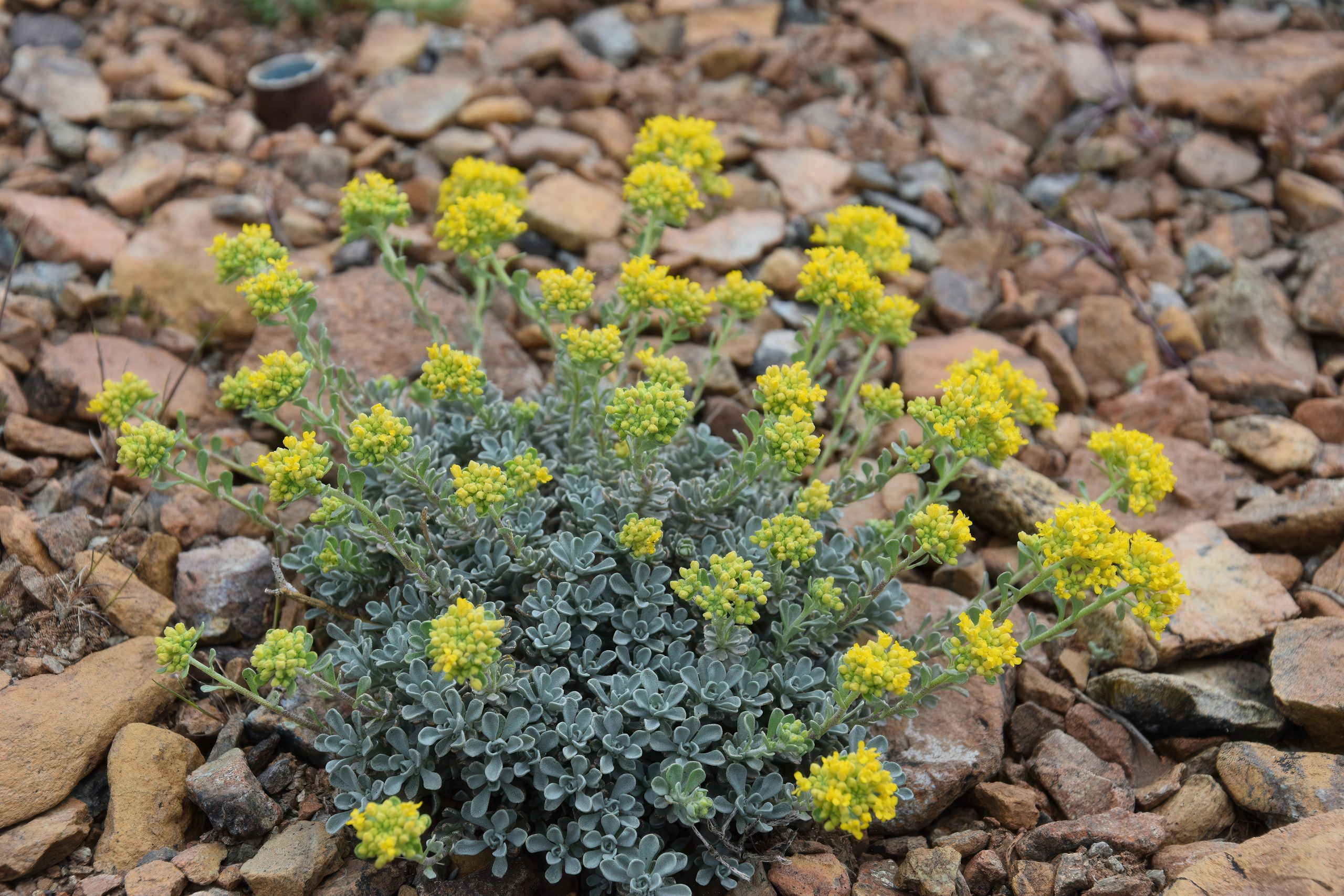
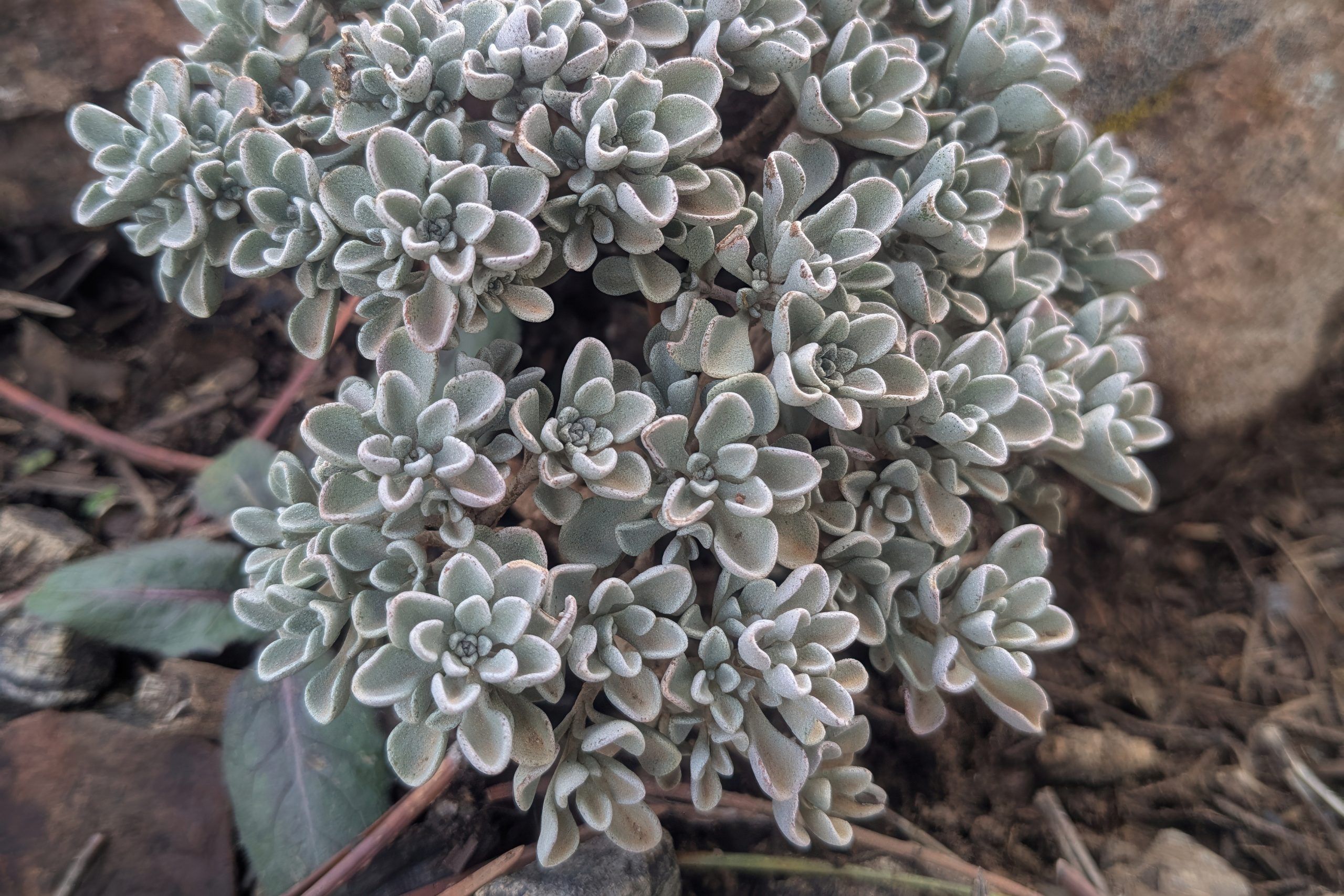
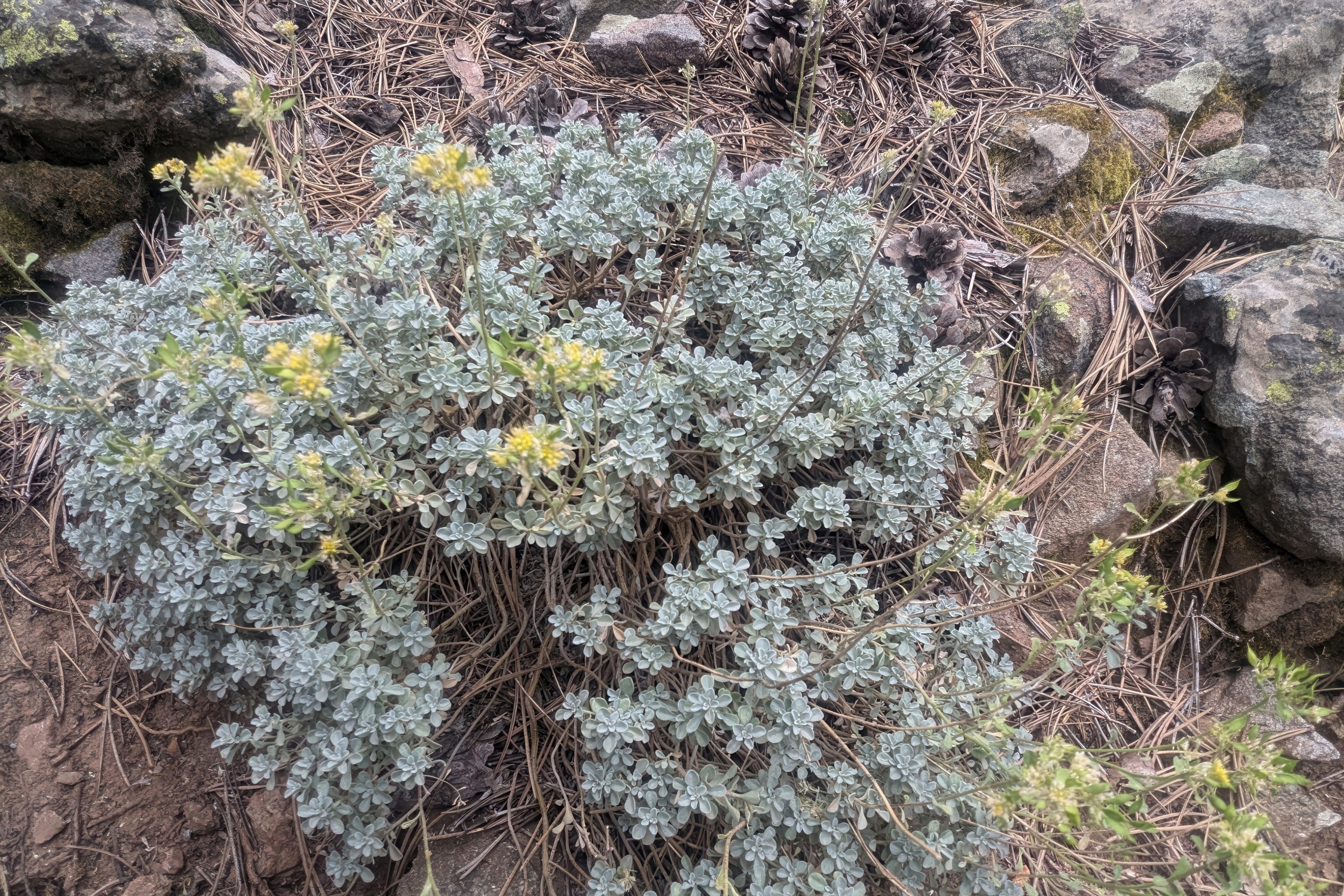
This hardy plant grows just 10 to 25 centimeters tall, forming bushy clusters with silvery-gray, spoon-shaped leaves coated in a fuzzy layer to shield against fierce winds and intense sun. Come spring and summer, it explodes with tiny, vibrant yellow flowers in dense bunches, like pockets of sunshine on dark, rocky outcrops.
Its roots dig into serpentine soils low in nutrients but high in metals, making it a compact powerhouse perfectly tuned to Cyprus’s high-altitude challenges.
Bet You Didn’t Know These Quirky Plant Tricks!
Odontarrhena troodi is a “hyperaccumulator” that slurps up nickel from the soil and stores it safely in its leaves—like a built-in metal detox system! It once went by Alyssum troodi until a 2015 scientific reshuffle gave it a new name, reflecting how botany keeps evolving. Plus, it’s the go-to host for a rare Cypriot weevil beetle found only on Mount Olympus, and recent studies show it helps prevent soil erosion in its rocky home.
Unlocking the Science: From Metal Mastery to Pollinator Partnerships
Delving deeper, this plant’s knack for thriving on ultramafic rocks—remnants of ancient volcanic activity—highlights its adaptations to heavy metals, potentially inspiring cleanup tech for polluted areas worldwide. Recent research reveals it relies on specialized pollinators for reproduction and even boosts its photosynthesis under nickel stress, a clever trick that sets it apart in its genus. As part of Cyprus’s 146 endemic species, it’s a prime example of island evolution at work.
Still Thriving: This Plant’s Role in Today’s Cypriot World
In modern Cyprus, Odontarrhena troodi symbolizes the island’s rich biodiversity, with over 1,600 native plants including 146 endemics like itself. It’s protected in national parks amid growing conservation efforts, as climate change and human activity threaten habitats—yet it’s not currently listed as critically endangered, thanks to ex situ seed banking that safeguards 93% of threatened endemics. Today, it fuels eco-tourism and local pride, reminding Cypriots of their unique natural heritage in a changing world.
Ready for Adventure? Spot It in the Wild!
You can experience Odontarrhena troodi by hiking in Troodos National Forest Park, especially above 1,300 meters near Mount Olympus—trails to Chionistra peak are ideal in late spring for blooming views. The trek feels invigorating: crisp air, panoramic vistas, and the thrill of spotting these silver-and-yellow bursts on rocky paths, offering a peaceful connection to Cyprus’s untamed beauty.
Why This Tiny Bloom Captures the Essence of Cyprus
Odontarrhena troodi isn’t just a plant—it’s a testament to Cyprus’s isolated wonders, where ancient geology breeds resilient life. Knowing about it deepens appreciation for the island’s biodiversity hotspots, urging us to protect these quiet treasures that make Cyprus a Mediterranean marvel worth cherishing.