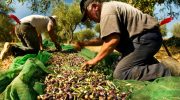
Cyprus has developed a distinctive approach to food production and consumption that combines centuries-old agricultural traditions with modern sustainability practices. The island’s organic farming sector and sustainable gastronomy movement reflect a growing commitment to environmental protection, rural development, and the preservation of culinary heritage. This transformation positions Cyprus as a destination where visitors can experience authentic Mediterranean food culture while supporting responsible agricultural practices.
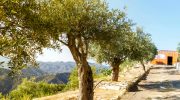
Organic farmland in Cyprus now covers 8% of cultivated land, a significant increase from just 0.22% two decades ago. This growth demonstrates the island’s response to both European Union directives and consumer demand for sustainably produced food. The agricultural sector employs traditional methods alongside innovative approaches, creating products that honor Cypriot identity while meeting contemporary environmental standards.
From Traditional Agriculture to Certified Organic Production
Cyprus agriculture has always relied heavily on small-scale family farms. The average farm size remains approximately 3 hectares, with 75% of holdings smaller than 2 hectares. This structure naturally favored low-intensity farming methods even before organic certification became widespread. However, formal organic agriculture development began relatively recently in Cyprus.
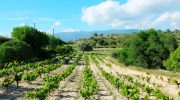
In 2003, only 85 farmers held organic certification. By 2024, that number had grown to 1,669 registered producers, with 1,462 actively involved in organic farming. Cyprus recorded a total of 10,994 hectares of farmland in 2024, with 7,018 hectares officially classified as organic. This expansion occurred alongside European Union support programs, which provided financial incentives and technical assistance to farmers transitioning from conventional to organic methods.
The Common Agricultural Policy provided over 485 million euros between 2014 and 2020 for agricultural modernization in Cyprus. These funds supported organic farming transitions, training programs, agritourism development, and applications for Protected Designation of Origin status. Additional funding through the 2021-2027 period continues supporting sustainable agriculture expansion.
Government policy actively encourages organic production as part of the EU Farm to Fork Strategy, which aims to increase agricultural land under organic farming to 25% by 2030. Cyprus has exceeded intermediate targets and continues expanding. The Strategic Plan for the Common Agricultural Policy 2023-2027 lists organic production as a high priority, recognizing its role in climate change mitigation and biodiversity preservation.
The Rise of Sustainable Dining and Agritourism
Sustainable gastronomy in Cyprus extends beyond organic production to encompass farm-to-table dining, agritourism experiences, and local food systems. This approach connects producers directly with consumers, reduces transportation impacts, and preserves traditional food knowledge.

Agritourism has emerged as a significant sector within Cyprus tourism. The government established the Cyprus Agrotourism Company to facilitate countryside holidays and coordinate restoration of traditional village houses. This initiative supports rural economies that experienced population decline due to urbanization. Villages throughout the Troodos Mountains, Marathasa Valley, and other regions now offer accommodation in restored stone houses, providing alternatives to coastal resort tourism.
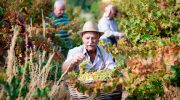
Farm stays allow visitors to participate in agricultural activities. Depending on the season and location, guests can harvest grapes, press olives for oil, pick citrus fruits, learn cheese-making techniques, or help with daily farm operations. These experiences provide income diversification for farmers while educating visitors about traditional practices and sustainable agriculture.

Many establishments emphasize locally sourced ingredients. Restaurants in villages such as Kalopanayiotis, Omodos, Kathikas, and Lofou feature menus built around seasonal produce from nearby farms. Some properties maintain their own gardens and orchards, ensuring maximum freshness and minimal transport. The Casale Panayiotis in Kalopanayiotis exemplifies this approach, offering locally sourced meals in a restored traditional setting.
Wine tourism forms an important component of sustainable gastronomy. Cyprus wine production dates to 3500 BC, making it among the oldest wine regions in the Mediterranean. The island produces wines from indigenous grape varieties, particularly Xynisteri and Mavro, alongside international varieties introduced during the British colonial period. After Cyprus joined the European Union, focus shifted back to indigenous varieties, aligning with EU emphasis on regional products.
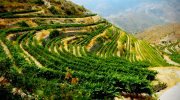
The Commandaria Wine Route guides visitors through the designated production region, with stops at family-owned wineries. These facilities offer tastings, production tours, and direct sales. Small-scale producers maintain traditional methods while implementing modern quality controls. The LionSpirit Winery and Distillery and Karseras Winery in Doros provide examples of operations combining heritage techniques with contemporary visitor facilities.
Current Trends and Innovative Practices
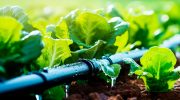
Cyprus agriculture increasingly adopts precision farming technologies and sustainable intensification methods. Smart irrigation systems help address water scarcity, which remains a chronic challenge due to low rainfall and limited freshwater resources. These systems use sensors and weather data to optimize water application, reducing consumption while maintaining yields.
Renewable energy adoption in agricultural operations has increased. Solar installations provide power for irrigation pumps, cooling facilities, and processing equipment. Some farms achieve energy self-sufficiency, reducing operating costs and environmental impact.

Crop diversification responds to climate change and market opportunities. Farmers cultivate superfoods, medicinal plants, and specialty crops that command premium prices. These products often target health-conscious consumers and export markets. The approach emphasizes quality over quantity, suitable for Cyprus’s small farm structure and limited land availability.
Circular economy principles appear in various operations. Olive processing facilities use waste products for animal feed and compost. Wineries convert grape pomace into fertilizer or biogas. These practices minimize waste while creating additional value from agricultural byproducts.
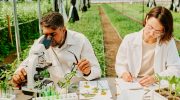
Research institutions collaborate with farmers through the European Innovation Partnership for Agricultural Productivity and Sustainability. These partnerships test new techniques, develop solutions to sector-specific challenges, and facilitate knowledge transfer between researchers and practitioners.
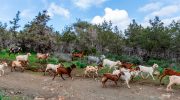
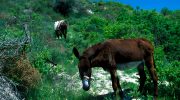
The organic livestock sector remains relatively small but growing. Producers focus on traditional breeds adapted to local conditions, raising animals on pasture with minimal supplementation. Cyprus mouflon, the island’s endemic wild sheep, exists only in protected populations, but domestic sheep and goat farming continues using extensive grazing systems that support organic certification.
Health and Environmental Benefits of Organic Methods
Organic agriculture in Cyprus provides documented environmental benefits. The 36,742 hectares under agri-environment-climate contracts target biodiversity preservation, improved water management, and soil erosion prevention. These programs encourage farmers to adopt practices that protect natural resources while maintaining productive agriculture.
Reduced chemical inputs improve water quality in aquifers and surface water bodies. Cyprus relies heavily on groundwater for both agricultural and domestic use. Excessive agrochemical application has caused pollution in some areas. Organic farming eliminates synthetic pesticides and fertilizers, reducing contamination risk.
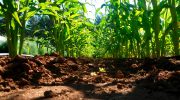
Soil health improves under organic management through increased organic matter, enhanced microbial activity, and better structure. These improvements increase water retention capacity, reduce erosion, and support long-term productivity. Traditional crops such as carob, olive, and almond trees thrive under low-input systems, making them suitable for organic certification.
Biodiversity increases on organic farms. The absence of broad-spectrum pesticides allows beneficial insects to flourish. Traditional stone walls, terraces, and field margins provide habitat for birds, reptiles, and small mammals. Endemic plant species persist in organic olive groves and carob orchards where chemical treatments would otherwise eliminate them.
Why Sustainable Gastronomy Matters for Cyprus
Organic production and sustainable gastronomy represent more than agricultural practices. They embody Cyprus’s approach to balancing economic development with environmental stewardship and cultural preservation. The island’s small size and limited resources make sustainability essential rather than optional.

Traditional agricultural methods, refined over millennia, already incorporated many principles now formalized in organic certification. The mild Mediterranean climate, diverse microclimates, and rich soils support varied production without excessive inputs. By building on these foundations, Cyprus develops food systems that honor heritage while addressing contemporary challenges.
The emphasis on quality over quantity aligns with global food trends favoring local, seasonal, and responsibly produced ingredients. Cyprus products can compete in premium markets based on unique characteristics, traditional methods, and certified origins. This positioning protects the agricultural sector from commoditization while rewarding farmers for maintaining sustainable practices.