
Cyprus follows left-hand traffic, a direct inheritance from British colonial rule that ended in 1960. This means vehicles drive on the left side with steering wheels positioned on the right. The system remains unchanged despite the island’s location in a region where most countries drive on the right. The cost of transitioning the entire transportation infrastructure would exceed €2 billion according to government estimates, making any change economically unfeasible.
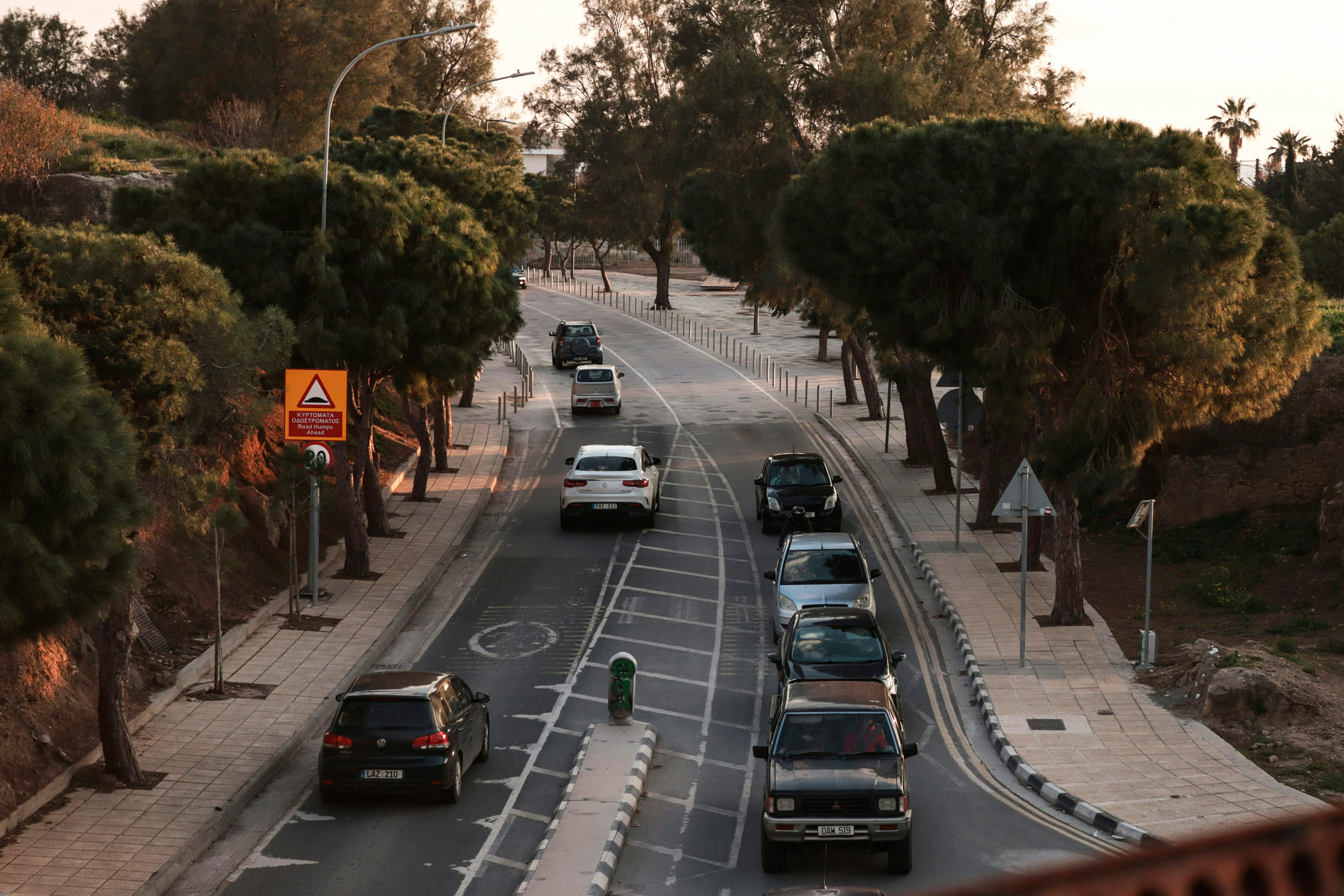
For British, Irish, and Australian visitors, this familiar setup offers immediate comfort. However, drivers from right-hand traffic countries face a genuine adjustment period. Research shows that drivers require 3-5 days to fully adapt their spatial processing when switching traffic sides. The challenge extends beyond steering to include automatic behaviors like mirror checking and turn judgment.
Speed Limits and Road Infrastructure
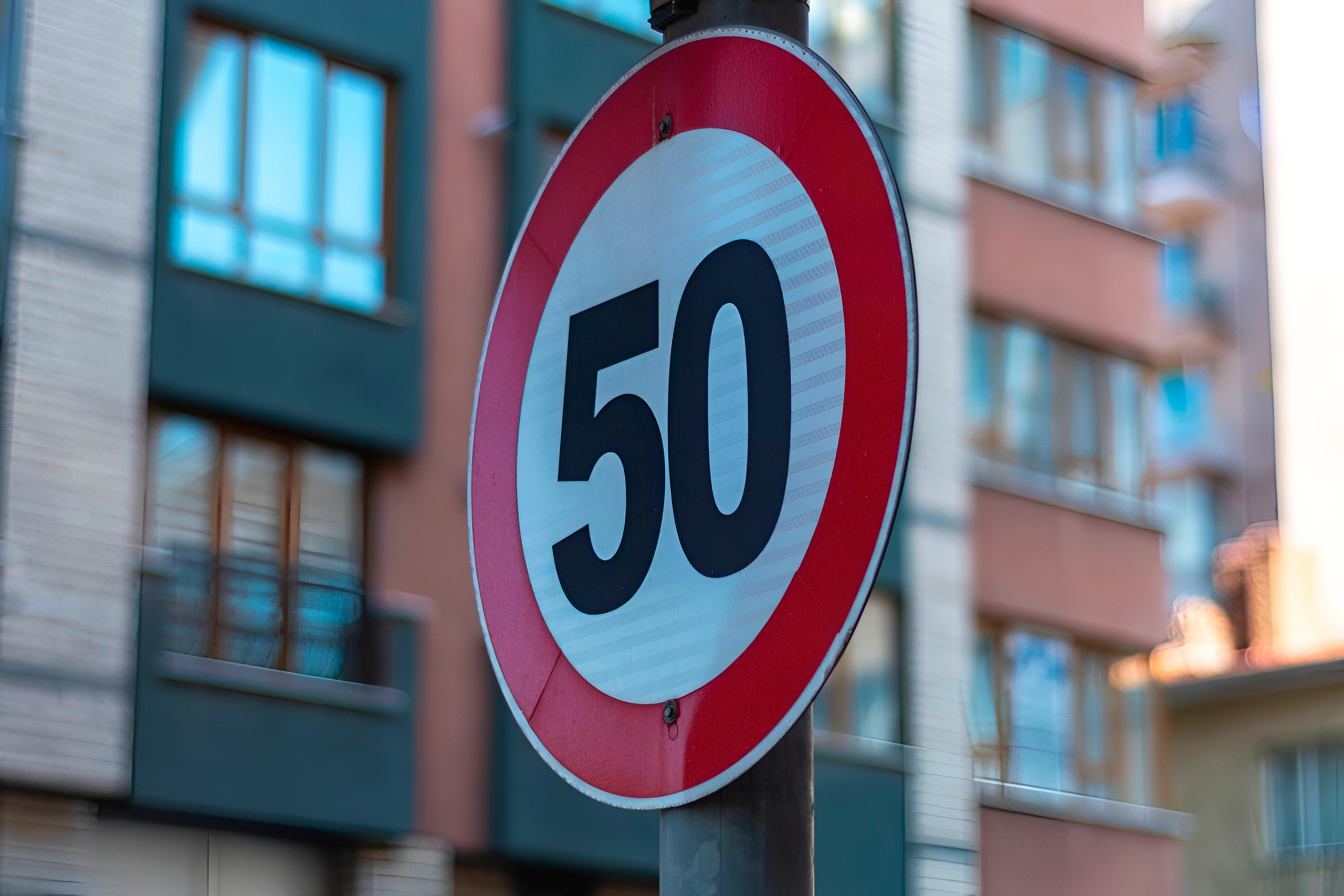
The speed limit structure in Cyprus is straightforward. Urban areas have a 50 km/h limit, while 80 km/h applies to major roads outside cities. Motorways allow a maximum of 100 km/h with a minimum requirement of 65 km/h. Villages typically enforce a 30 km/h limit with traffic calming measures.
Road quality varies significantly across the island. Motorways and major urban routes receive excellent maintenance with clear signage in both Greek and English. However, rural and mountain roads present challenges, including potholes, narrow passages, and deteriorated surfaces in remote areas. The Cyprus government allocated €127 million for road improvements in 2025, focusing on rural connectivity.
The Reality of Local Driving Behavior
The gap between written regulations and actual driving practices defines Cyprus’s road culture. Many Cypriot drivers focus primarily on themselves and their immediate surroundings, aiming to reach their destination as quickly as possible. This self-focused approach creates unpredictable situations for those unfamiliar with local customs.
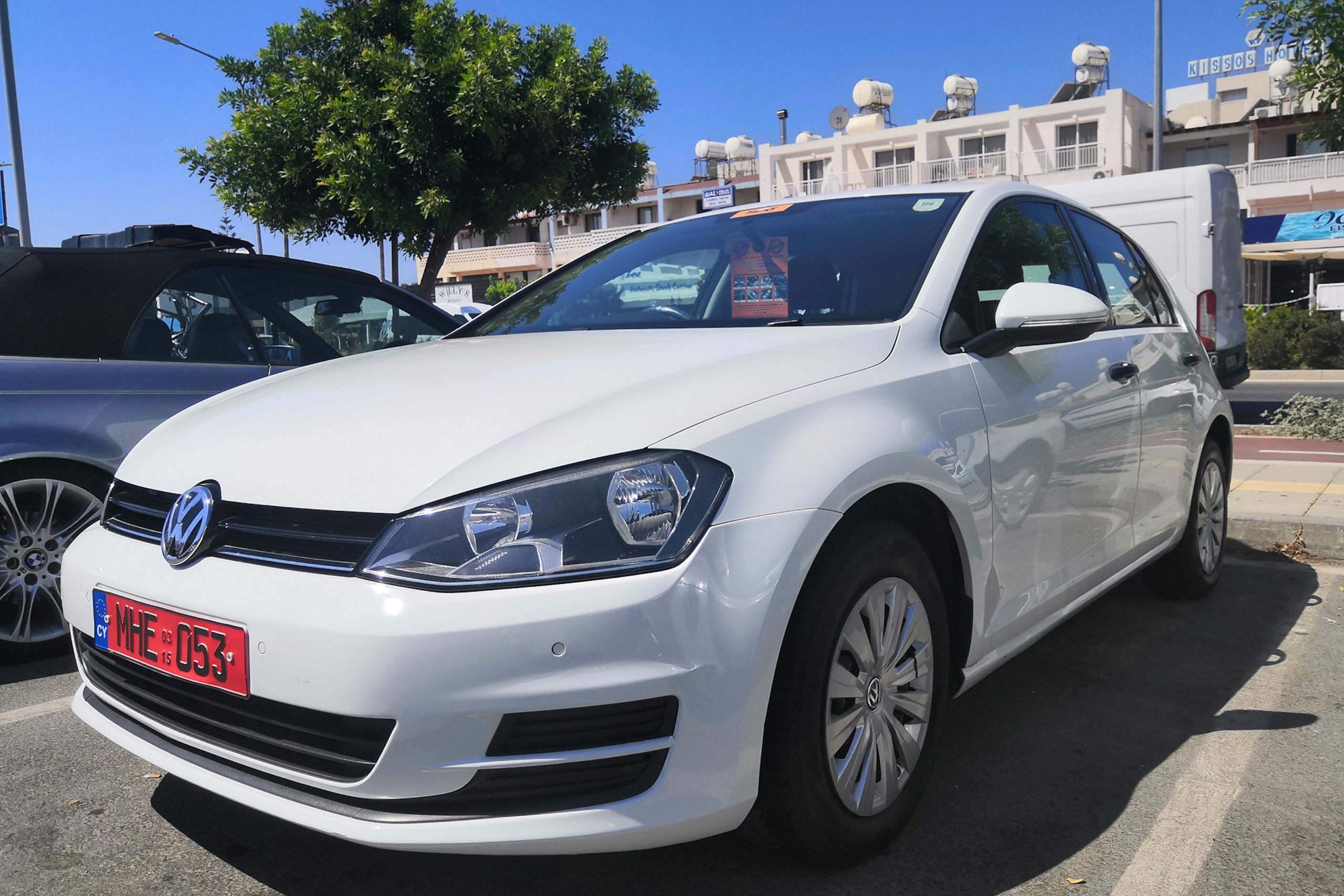
Rental cars in Cyprus carry red license plates, making tourists easily identifiable. Local drivers typically maintain more distance from these vehicles and drive more carefully around them, creating a somewhat misleading experience for short-term visitors who might not witness the full range of local driving behaviors.
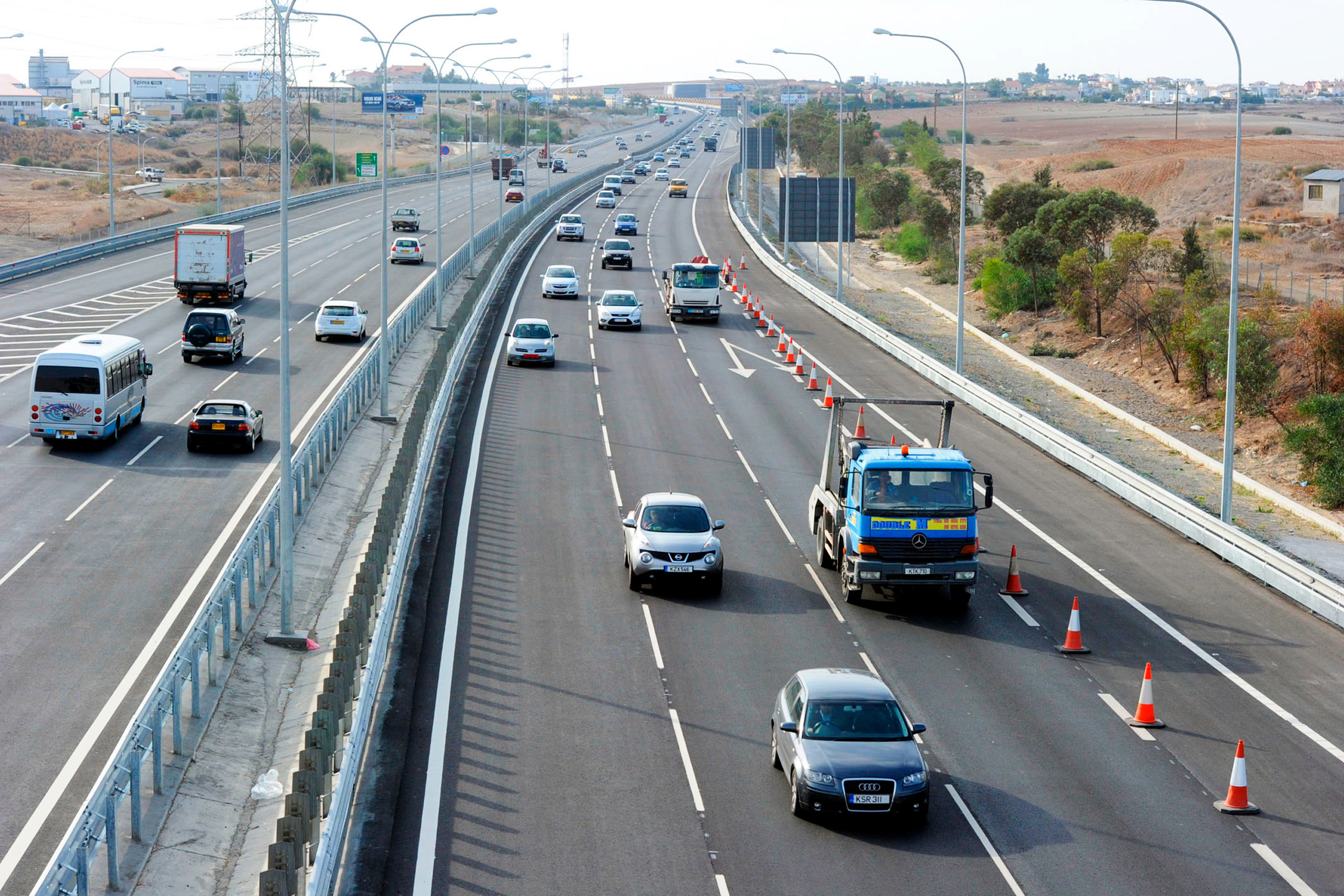
Cypriot driving culture emphasizes speed and assertiveness, with drivers frequently showing less patience for slower vehicles. The use of turn signals can be inconsistent, and sudden maneuvers occur more frequently than in many Western European countries. Roundabouts, particularly multi-lane ones, present special challenges where the rules seem to blur in practice.
Strict Enforcement and Penalties
Cyprus has implemented increasingly strict enforcement measures in recent years. The country uses a penalty points system where accumulating 12 points results in a six-month license suspension. Points remain on record for two years.
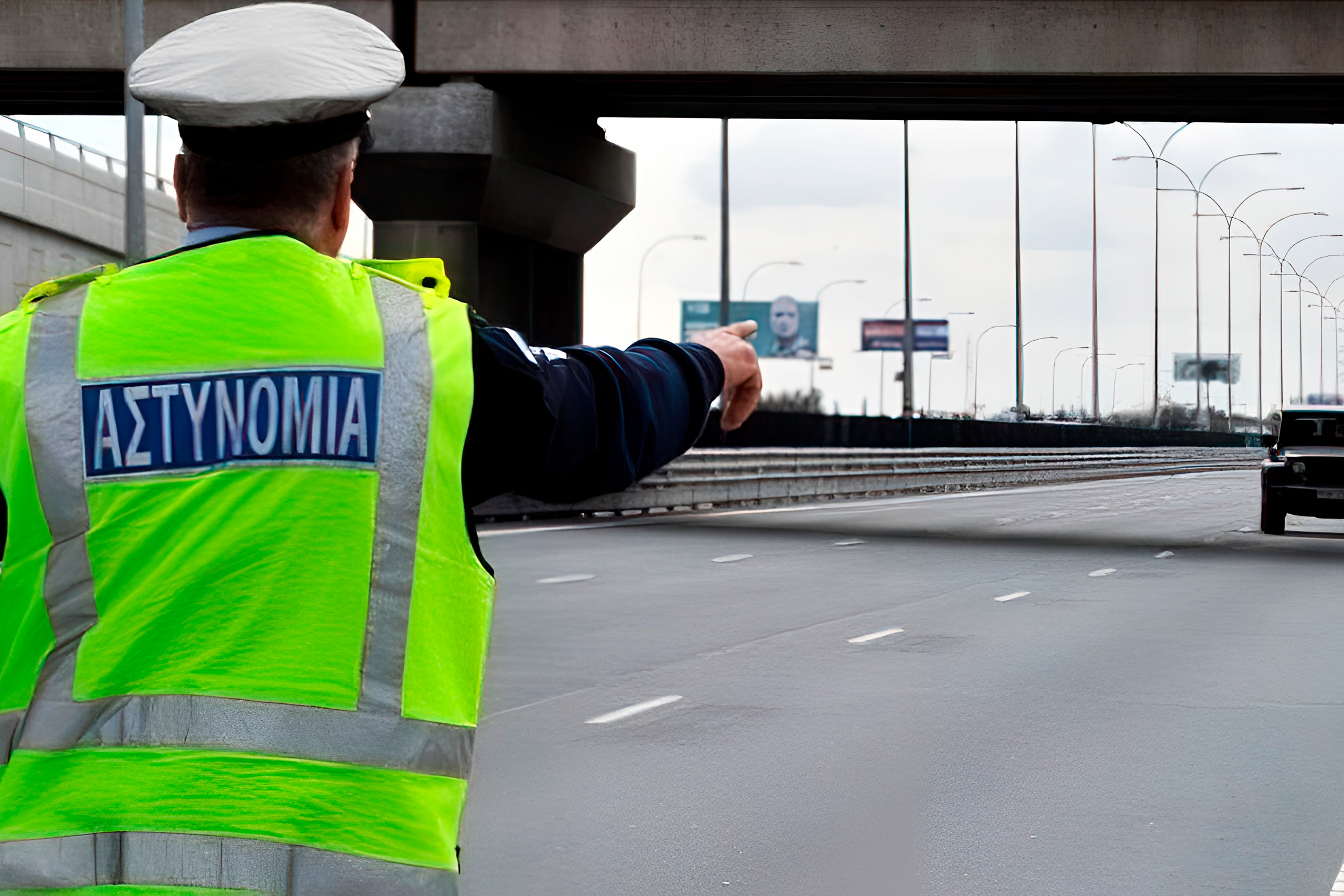
The alcohol limit stands at 22 micrograms per 100 milliliters of breath, significantly lower than many countries. For drivers with less than three years of experience and motorcyclists, the limit drops to just 9 micrograms. As of 2025, using a cell phone, tablet, or similar device while driving results in a fine of 100% of the minimum wage and 50 penalty points.
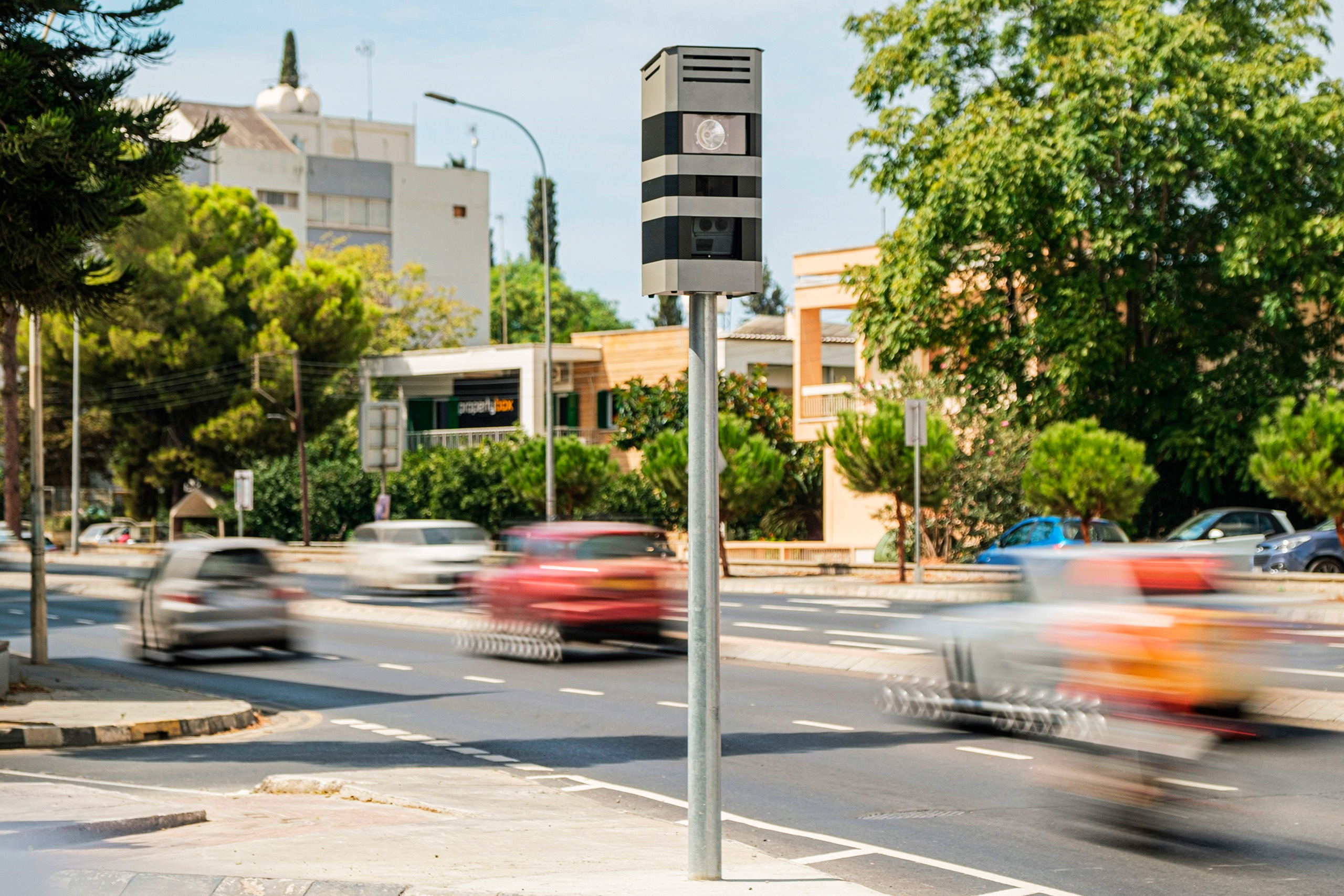
Traffic camera fines have become a contentious issue. Since January 8, 2025, over 100,000 fines remain outstanding, some dating back to 2021. Authorities have begun filing criminal court cases against those who failed to settle fines before the deadline. If unpaid fines reach court, judges can impose higher penalties than the original fine amount.
Safety Record and Ongoing Concerns
Cyprus recorded 51 road fatalities in 2023, a 14% decrease from previous years due to enhanced enforcement and awareness campaigns. While this shows improvement, the country’s road safety record still lags behind many EU nations. Between 2008 and 2015, Cyprus saw 67 road deaths per 1 million inhabitants, a figure noticeably higher than the EU average of 51 at the time.

Recent incidents continue to highlight risks. In July 2025, two fatal accidents occurred within an hour of each other, raising the year’s death toll to 25. Officials point to speeding, alcohol consumption, and failure to use seatbelts or helmets as primary contributing factors.
Public Transport Limitations and Car Dependency
The island’s heavy reliance on private vehicles stems from inadequate public transportation. Bus service exists in cities and between urban centers, but intercity buses run only 2-4 times daily. For suburban residents, this schedule proves extremely inconvenient. The hot climate, with summer temperatures exceeding 35 degrees Celsius, makes waiting for buses uncomfortable, pushing more people toward car ownership.
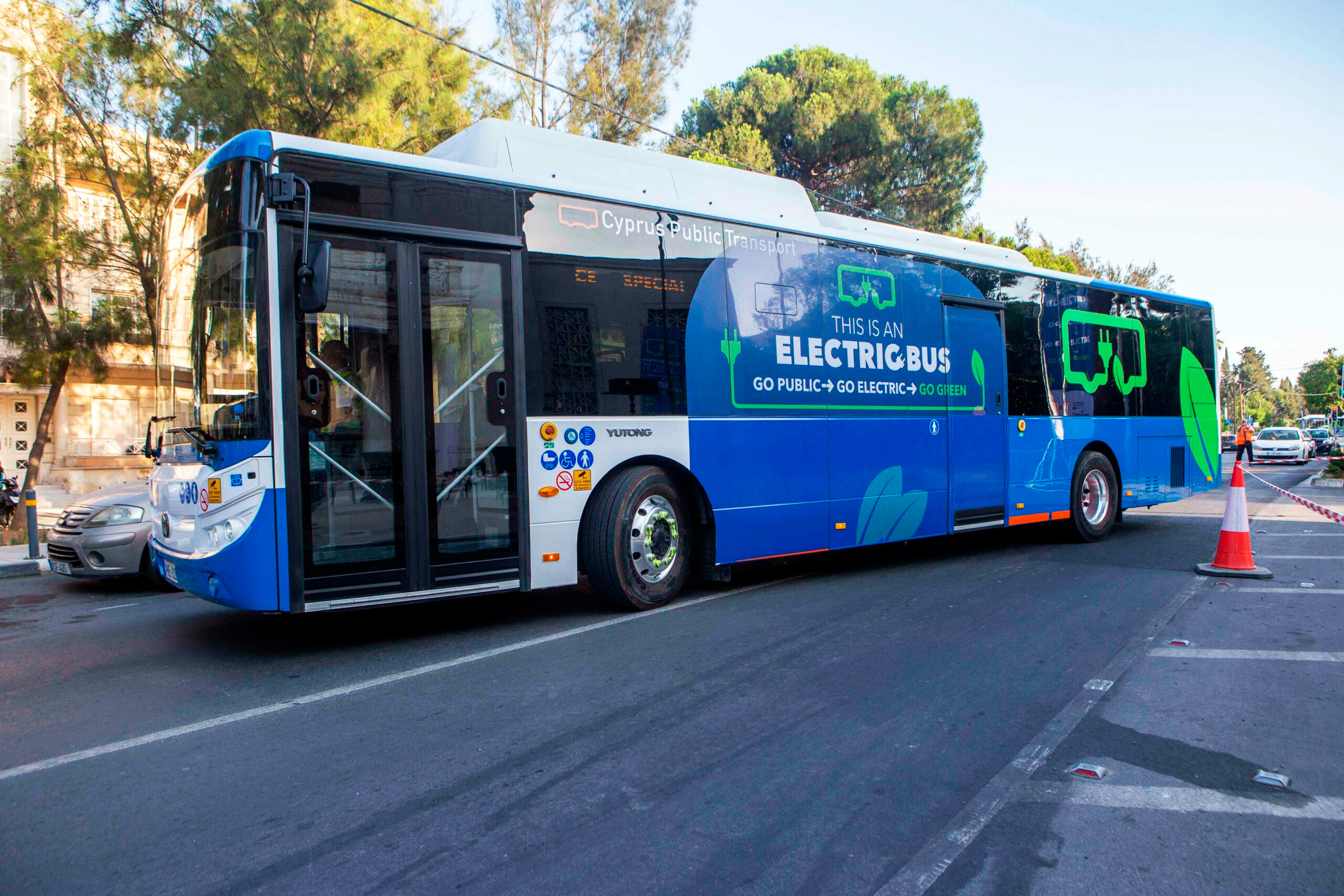
This dependency creates congestion during peak hours in major cities. A new bill proposes measures to ease traffic congestion, including staggered working hours and aims to reach a 20% reduction in peak-time travel on key road axes. The proposal includes establishing traffic management centers for each district and requiring companies with over 50 employees to submit mobility plans.
Practical Considerations for Drivers
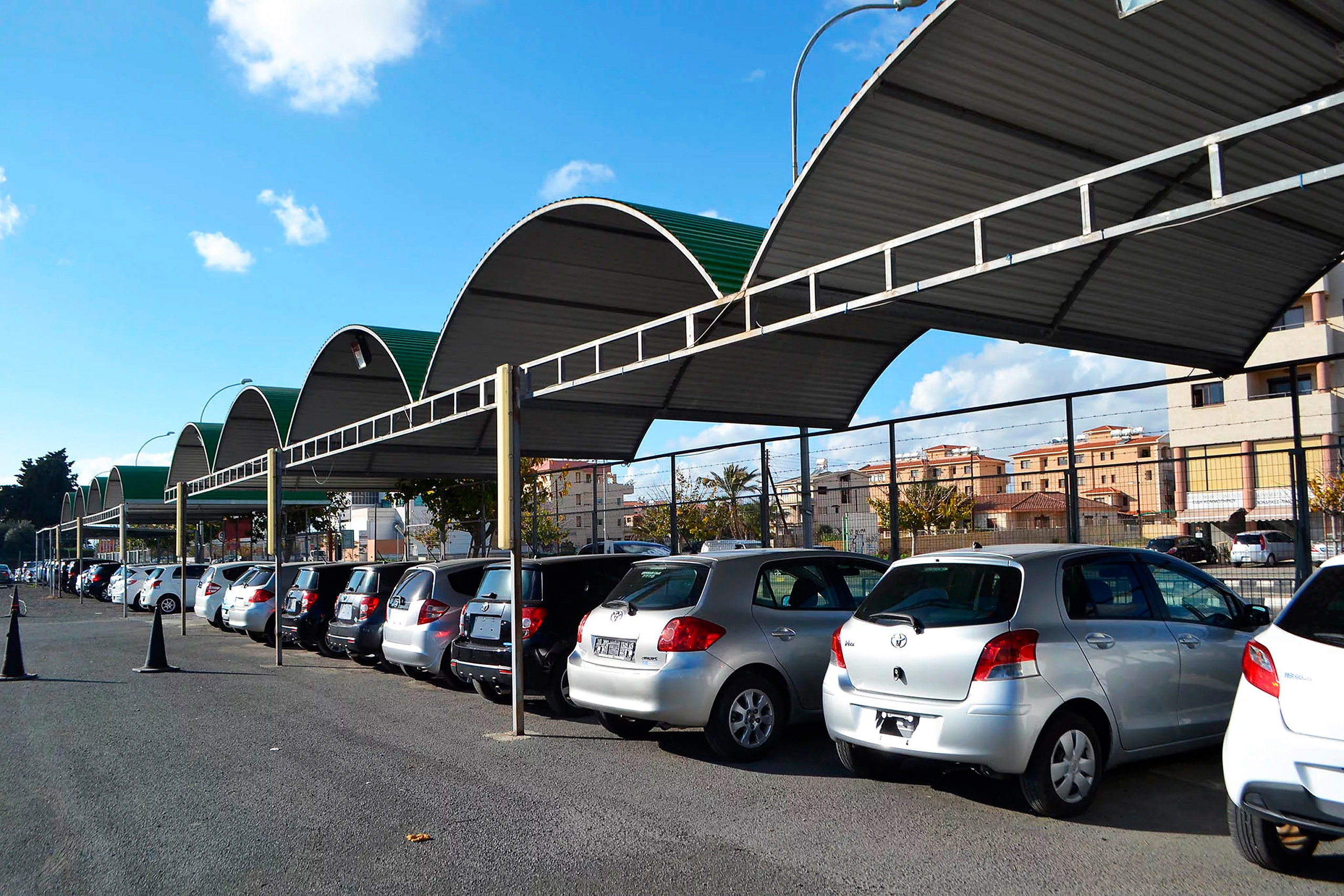
Parking in Cyprus varies by location. Most areas outside city centers offer free parking, but Limassol, Nicosia, and other major cities require payment in central zones. Limassol introduced new traffic regulations in October 2025, implementing one-way routes and a 30 km/h Zone 30 in central streets as part of sustainable urban mobility efforts.
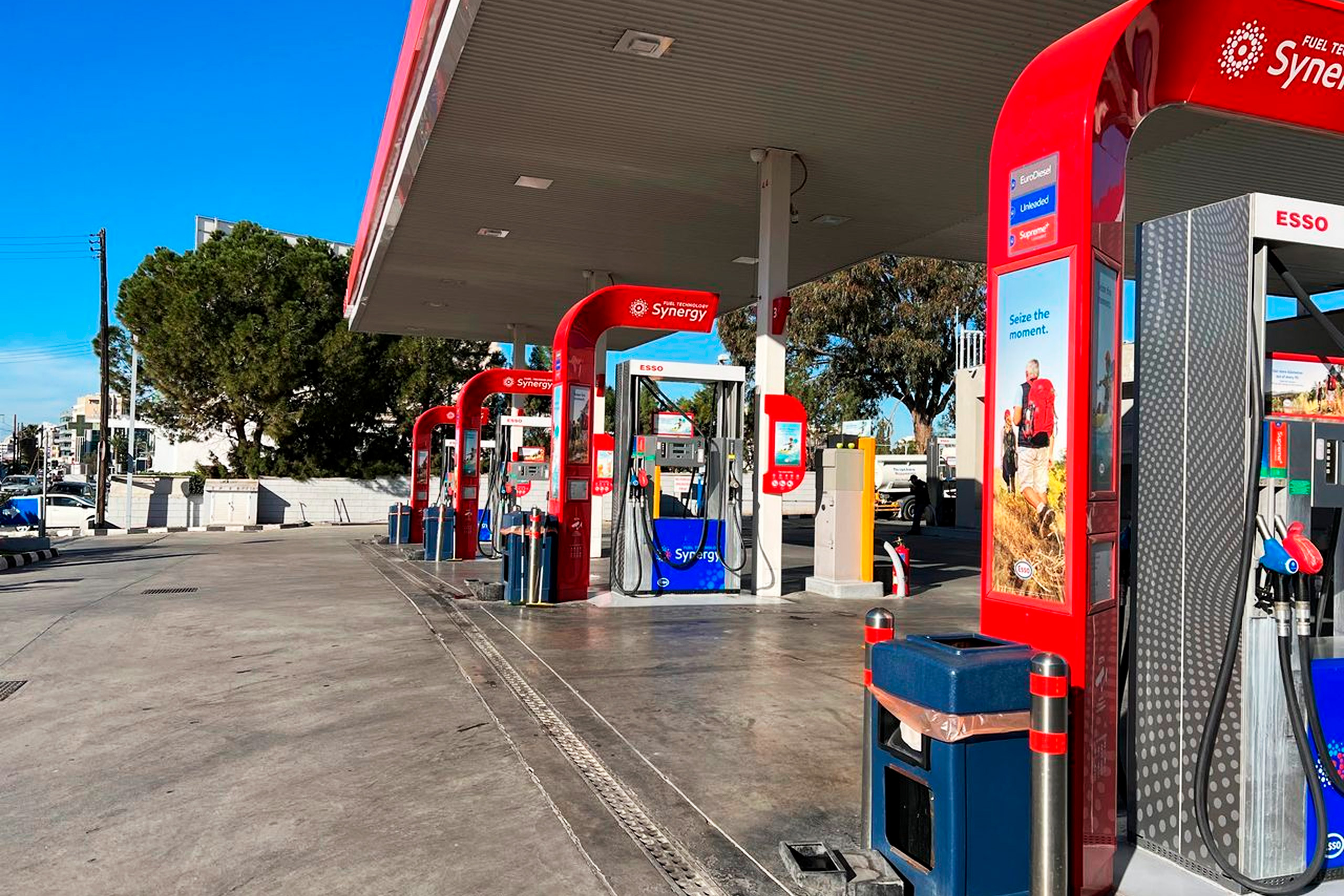
Petrol stations generally operate from 7 a.m. to 5 p.m., with many switching to self-service after hours. Prices remain competitive with or lower than many European countries. The island is divided by the Green Line, separating the Republic of Cyprus from the Turkish Republic of Northern Cyprus. Crossing requires specific documentation, and rental companies have varying policies about taking vehicles across.
The driving experience in Cyprus blends Mediterranean informality with British-style traffic infrastructure. Success on these roads requires defensive driving, constant alertness, and patience during the adjustment period. While the rules mirror those of other European countries, the interpretation and enforcement create a distinct driving culture that takes time to understand fully.