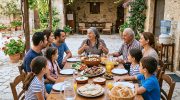
Cypriots are quite hardworking, but they tend to do most of their work as early in the morning as possible. The morning coffee break follows this early productivity. After completing their first tasks of the day, people pause for what locals call their coffee moment.

Traditional Cypriot coffee arrives in a small cup with a glass of cold water on a tin tray. This gesture symbolizes hospitality and is seen as a way to cleanse the palate before enjoying the rich flavors of the coffee. The water also helps balance the strong taste of this unfiltered brew.
The coffee itself is prepared in a small pot called a briki or mbriki. It is traditionally brewed over a gentle heat source, often a sand-filled brazier for even cooking. This slow brewing creates the kaimaki, the creamy foam on top that signals a well-made cup. If the foam collapses, locals consider it a sign of poorly prepared coffee.
Where Morning Conversations Happen
The kafenio serves as the social center of Cypriot communities. It is the meeting place of people of all ages, a place for a game of backgammon or cards, a place for debates and heated conversations about the news of the day.
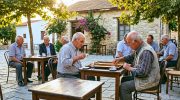
These traditional coffee shops can be found in every village, sometimes just one or two tables set up outside a shop. The village residents usually go to the so-called coffee shop or kafenion, which is often formed directly from any store. The setup might look simple, but the social function is complex.
When you enter a kafenio, proper etiquette matters. It is customary to say ‘Kalimera’ (good morning) or ‘Kalispera’ (good evening) to acknowledge the presence of others. This greeting creates an immediate sense of community, even among strangers.
Visitors often experience something unexpected: locals insisting on paying for their coffee. The locals consider it their honor to have you in their village or local coffee shop for the first time. Refusing this offer might actually cause offense, as hospitality forms a core part of the culture.
Three Chairs and the Philosophy of Slowing Down
Cyprus follows the principle of “siga-siga,” which means taking it slow and appreciating each moment. This philosophy comes to life in the morning coffee ritual.
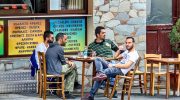
Cypriots use the so-called ritual of three chairs. The first is designed for sitting, the second chair is placed opposite so that you put your feet in the case of fatigue, and the third to support the cup of coffee. This arrangement forces you to settle in, relax completely, and resist the urge to rush.
The conversation that follows can last hours. The discussion can be more heated if the issue is still hot and people have different opinions about it. Topics range from family matters to international politics. According to locals, many global problems get solved over coffee in these simple settings, even if only theoretically.
Understanding Your Coffee Order
When ordering Cypriot coffee, you need to specify sweetness levels. The options are sketo (no sugar), metrio (medium sweet with one teaspoon), or gliko (sweet with two teaspoons). Some people even order variglyko, which is very sweet.

The coffee always comes with that essential glass of water. It is believed that this tradition originated from the days when coffee was considered a luxury and the water was served to cleanse the expensive coffee cups. Today, the water remains a symbol of Cypriot hospitality.
Modern cafes across Cyprus also serve frappe, freddo espresso, and other cold coffee drinks. Younger generations often enjoy these modern drinks during the day, while still appreciating the slower ritual of traditional Cyprus coffee in the mornings or at family gatherings. This blend shows how the island honors heritage while embracing new trends.
The Social Power of Small Talk
Recent research supports what Cypriots have always known. Brief, positive social contact can lower stress hormones and boost feel-good brain chemicals. The latest World Happiness Report suggests that small talk and casual social interactions seriously increase our sense of wellbeing and belonging.

Coffee is a social ritual, a tiny pause in the day that connects people, even when life is frantic. These micro-moments of connection prove especially valuable on an island where loneliness has been increasing in recent years.
The kafenio serves another function beyond caffeine delivery. Coffee houses have historically been important meeting places for locals to engage in lively conversations, discuss current events, and forge connections. In the past, these establishments were considered centers of intellectual and social life, where people gathered to discuss politics, philosophy, and current events.
A Tradition With Deep Roots
The tradition of coffee drinking can be traced back to the Ottoman Empire, when coffee was introduced to the island. Since then, it has become integral to Cypriot culture, with unique brewing methods and rituals passed down through generations.

Coffee cup reading, known as kafemandeia, adds another dimension to the experience. After finishing the coffee, the cup is turned upside down onto the saucer, allowing the grounds to settle. A skilled reader interprets the patterns left behind. This practice connects the present moment to questions about the future, adding mysticism to the morning routine.
The health benefits deserve mention too. Studies suggest it may improve heart health, boost energy levels, and even contribute to longevity, a fact reflected in the remarkable lifespans of many Cypriots. The coffee contains natural Arabica beans packed with antioxidants.
Making Time for Connection
The morning coffee tradition in Cyprus offers lessons for anyone feeling rushed or disconnected. It shows that slowing down does not mean being unproductive. The early risers who complete their work before their coffee break demonstrate this perfectly.

The practice also reveals that meaningful social interaction does not require deep conversation or large time commitments. A simple greeting, a shared smile, or a brief chat while waiting for coffee can create genuine connection.
Cyprus coffee culture reminds us that some of life’s most important moments happen in the pauses. The three-chair setup forces complete relaxation. The unrushed conversation allows real exchange of ideas. The hospitality shown to strangers builds community bonds.

Next time you drink your morning coffee, consider what Cypriots have known for centuries. The beverage matters less than who you share it with and how you choose to experience the moment. In a world that constantly demands speed, the Cypriot morning coffee ritual offers permission to slow down, connect, and simply be present.