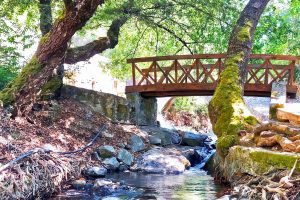
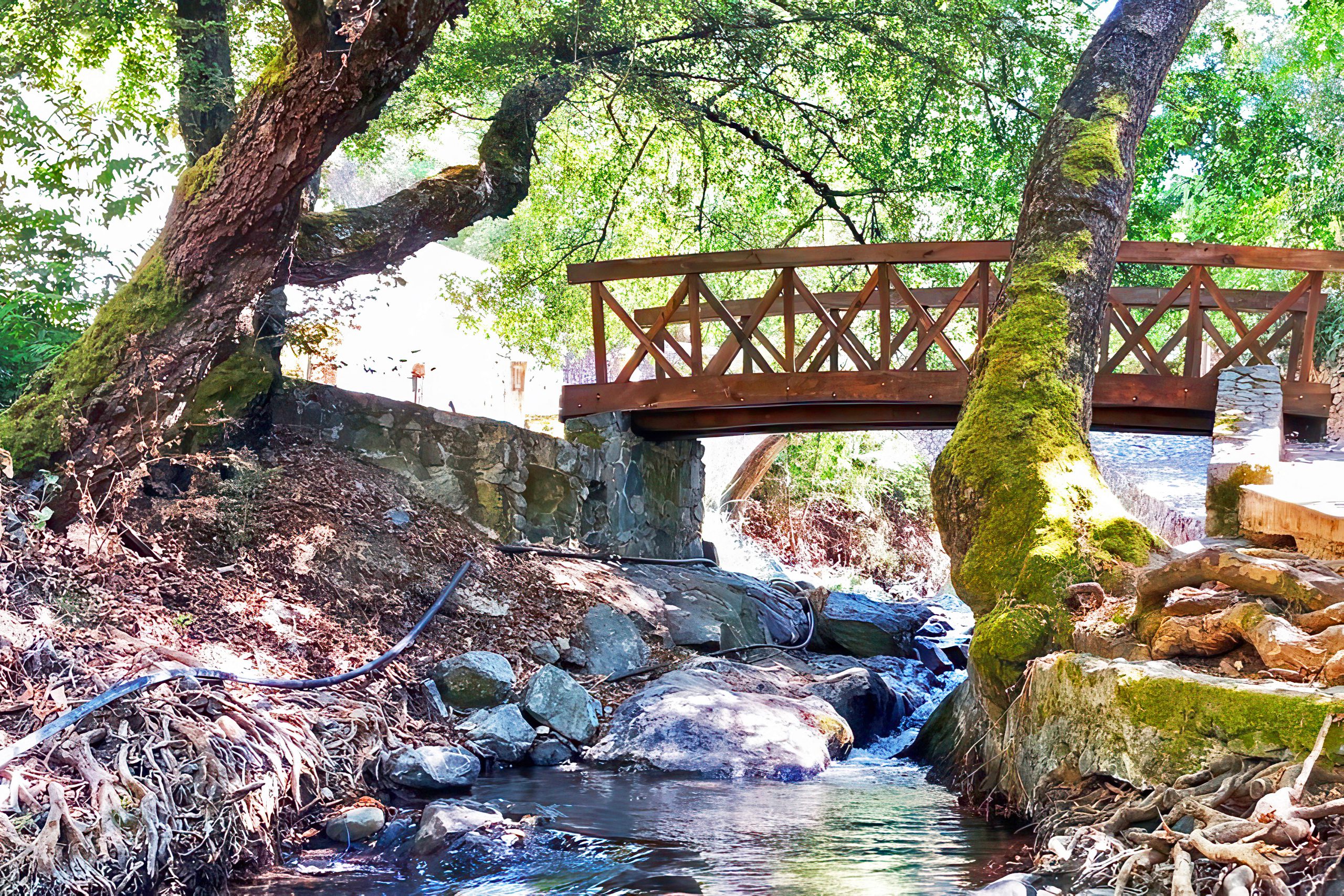
Deep in the Troodos Mountains, sulfur-rich waters rise from ancient rock, just as they have for thousands of years. These mineral springs have drawn healers, pilgrims, and travelers since antiquity. The most famous flows in Kalopanayiotis village, where thermal waters meet the Setrachos River beside a centuries-old Venetian bridge.
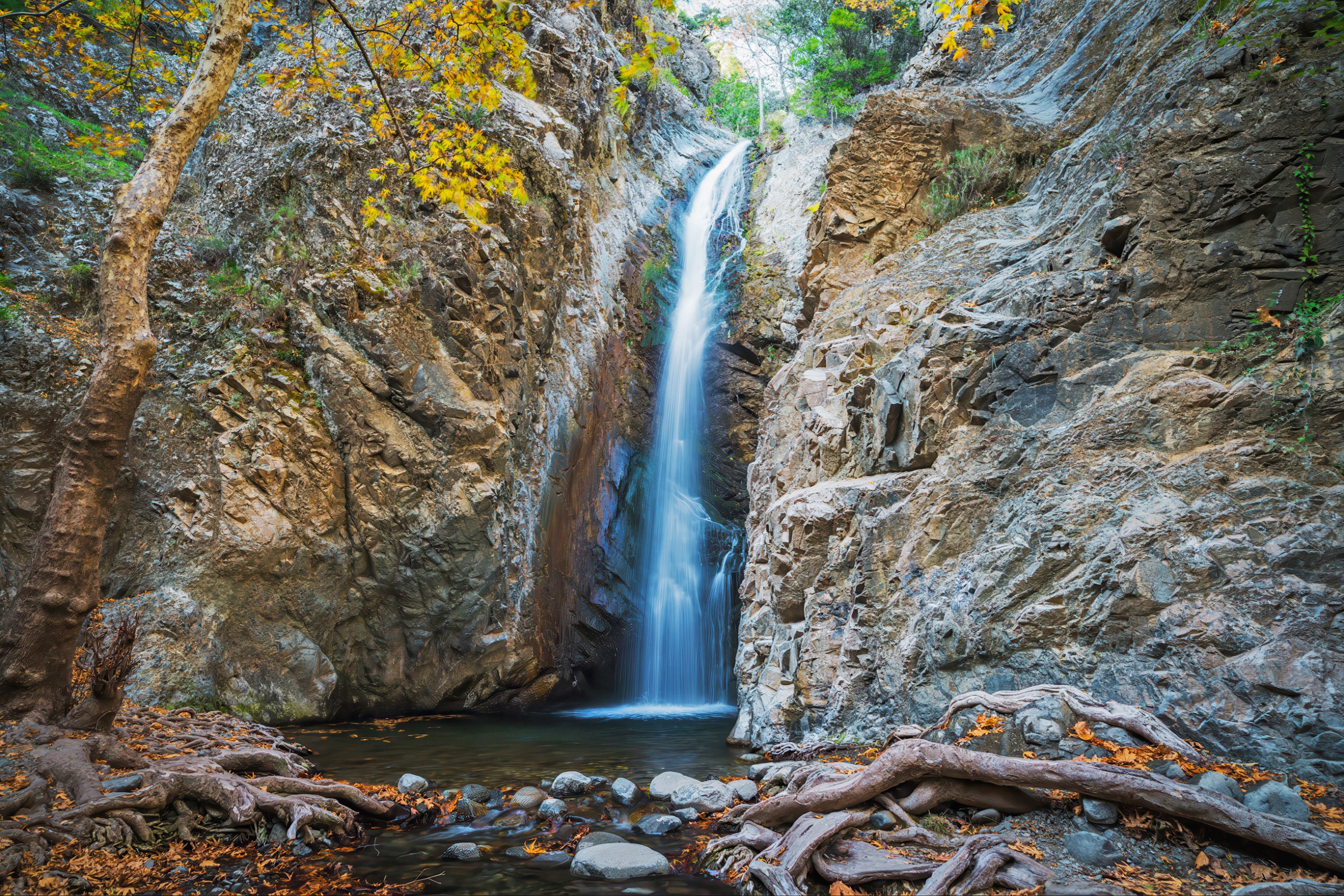
Mineral springs produce water containing dissolved substances that alter its taste and give it therapeutic value. Salts, sulfur compounds, and gases dissolve into the water during its underground passage. The springs in Cyprus are particularly rich in sulfur, with additional minerals including magnesium and calcium.
Water temperature at these springs varies from pleasantly warm to quite hot. The therapeutic minerals become concentrated as groundwater moves through rock formations deep underground. When pressure builds, the heated, mineral-laden water finds paths to the surface through cracks and faults in the bedrock.
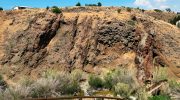
The Troodos ophiolite system, formed approximately 90 million years ago during the Upper Cretaceous period, provides the geological foundation for these springs. This ophiolite represents a fragment of ancient ocean floor pushed upward by tectonic forces. As water circulates through these volcanic rocks, it collects the minerals that give the springs their healing properties.
From Ancient Temples to Christian Monasteries
The Kingdom of Solon controlled the Marathasa area in ancient times. Kings used the sulfur springs as their wellness resort, combining spa treatments with hunting expeditions. A temple dedicated to Asclepius, the Greek god of healing, stood where the Monastery of Agios Ioannis Lambadistis exists today.
Patients would bathe in the thermal waters at the river’s edge, then rest in the Asclepieion. This ancient hydrotherapy center operated under royal protection. The practice followed the widespread Greek and Roman belief in water’s healing power, a tradition that spread across the Mediterranean world.
After Christianity became the dominant faith, the monastery of Agios Herakleidios was built on the same site. The ancient Asclepieion transformed into a Christian hydro-healing spa. Monks continued the therapeutic water treatments, adapting pagan practices to Christian beliefs. The monastery later became known as Agios Ioannis Lambadistis, a name it retains today.
Centuries of Healing Practice
The springs maintained their reputation through the Roman, Byzantine, and Frankish periods. Kings and princes visited the Marathasa area for both holidays and spa therapies. The healing properties of the sulfurous waters became well established across different cultures and religions.
Ottoman rule brought interruption to the hydropathic tradition. However, the practice resumed in the cells of Agios Ioannis Monastery. Later, village houses in Kalopanayiotis offered spa treatments as demand grew. The golden era arrived between 1920 and 1950, when hydrotherapy reached its peak popularity.
During this period, people in complete immobility and muscular rigidity would be carried to Kalopanayiotis. According to village accounts, many who arrived unable to walk could move independently after a month of treatment. European chemical laboratories repeatedly verified the therapeutic properties of these waters through scientific analysis.
Two Springs for Different Ailments
Kalopanayiotis has two main sulfur springs, each serving different medical purposes. One spring treats gastrointestinal disorders, including digestive tract issues, urinary organ problems, fatigue, and anemia. The second addresses external conditions through bathing, including rheumatic diseases, blood pressure regulation, nervous system stimulation, and various skin diseases.
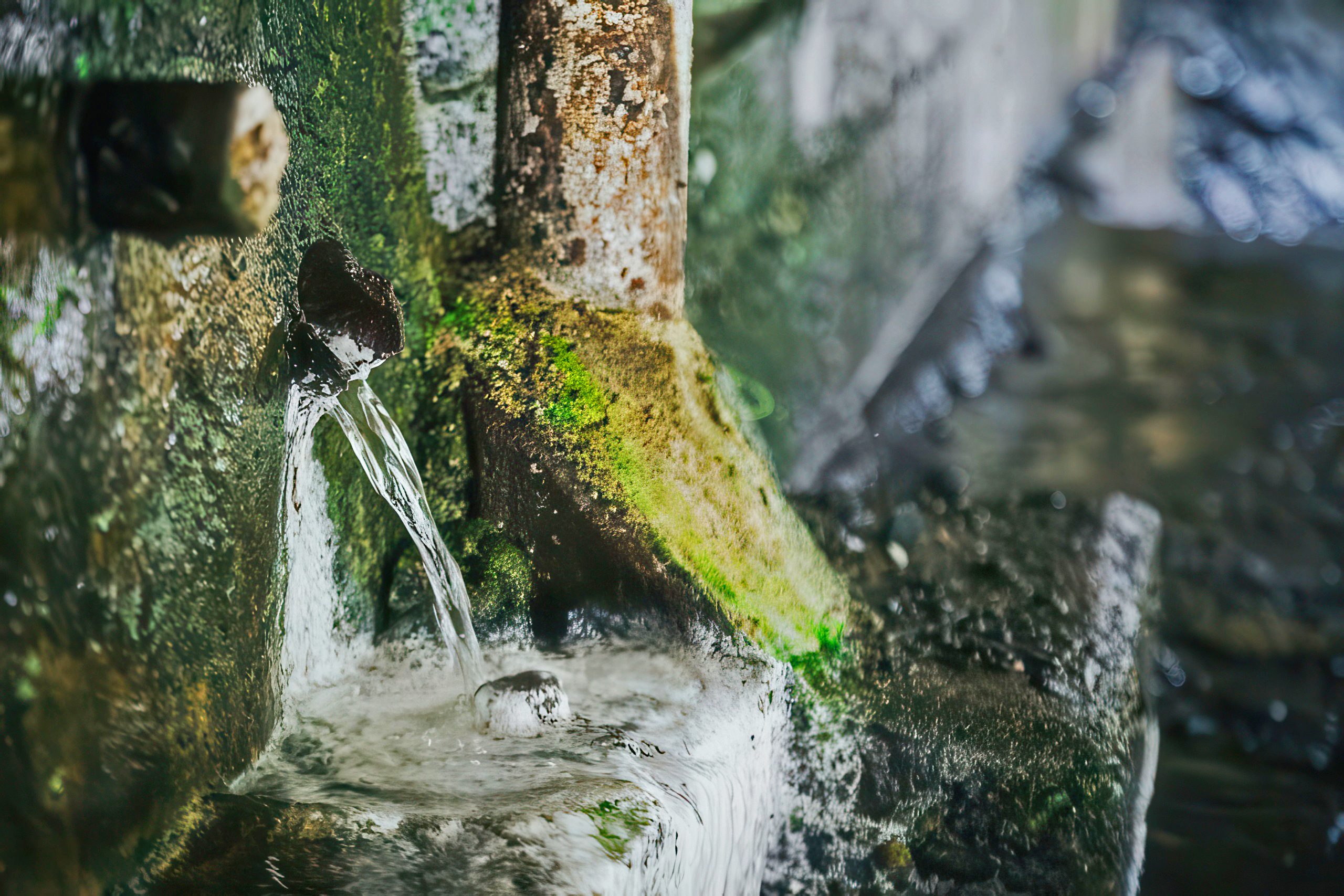
The waters can be used both internally and externally. Internal consumption treats digestive and metabolic conditions. External application through bathing addresses joint pain, muscle tension, and dermatological issues. This dual use made the springs valuable for treating a wide range of health problems.
The sharp decline in traditional sulfur bath use came with the rise of chemical additives in city hydrotherapy centers. Synthetic treatments in modern facilities replaced natural mineral waters. However, recent decades have seen renewed interest in traditional thermal spa therapies using the original springs.
Beyond Kalopanayiotis
Cyprus has several sulfur spring locations. Ayoi Anargyroi in Miliou features a monastery converted into a spa resort. The facility incorporates natural sulfur springs directly into its treatments. This combination of religious and therapeutic architecture reflects the historical connection between healing and sacred spaces.
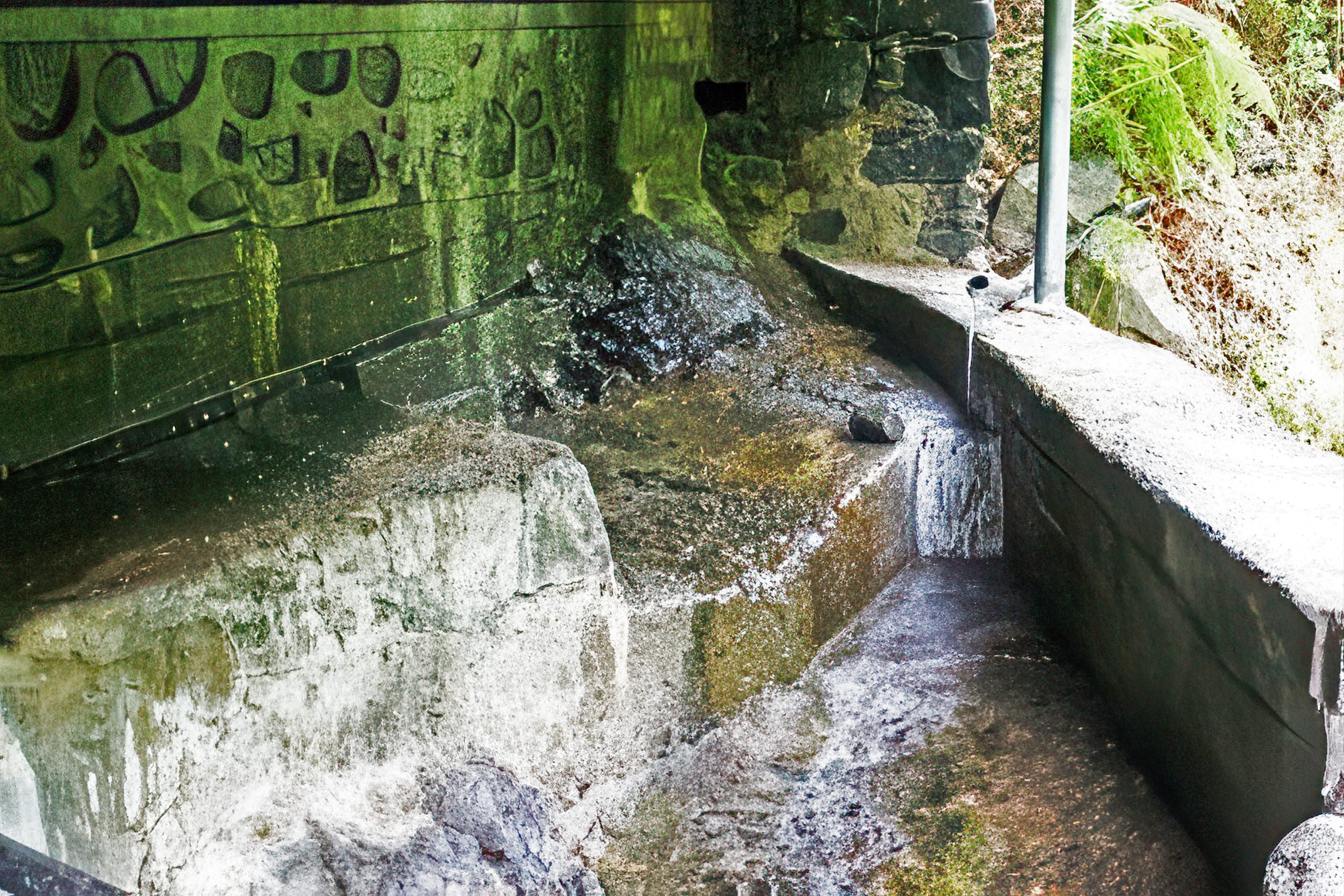
The springs near Kalopanayiotis remain the most developed and accessible. They flow at the banks of the Setrachos River, next to the Venetian bridge. The natural setting, combined with the village’s Byzantine heritage, creates an atmosphere where history and nature merge.
Modern spa facilities now operate in renovated traditional buildings. The Myrianthousa Spa at Casale Panayiotis offers treatments using natural sulfur water in specialized hydrobath massage tubs with over 100 microjets. Visitors can choose between natural sulfur spring water or other therapeutic baths.
The Geological Foundation
The Troodos ophiolite formed when tectonic forces pushed oceanic crust upward from the seafloor. This rare formation exposes rocks that normally remain hidden deep beneath the ocean. Cyprus became famous for copper production before 3000 BC, and the island’s name likely derives from the Latin word for copper.
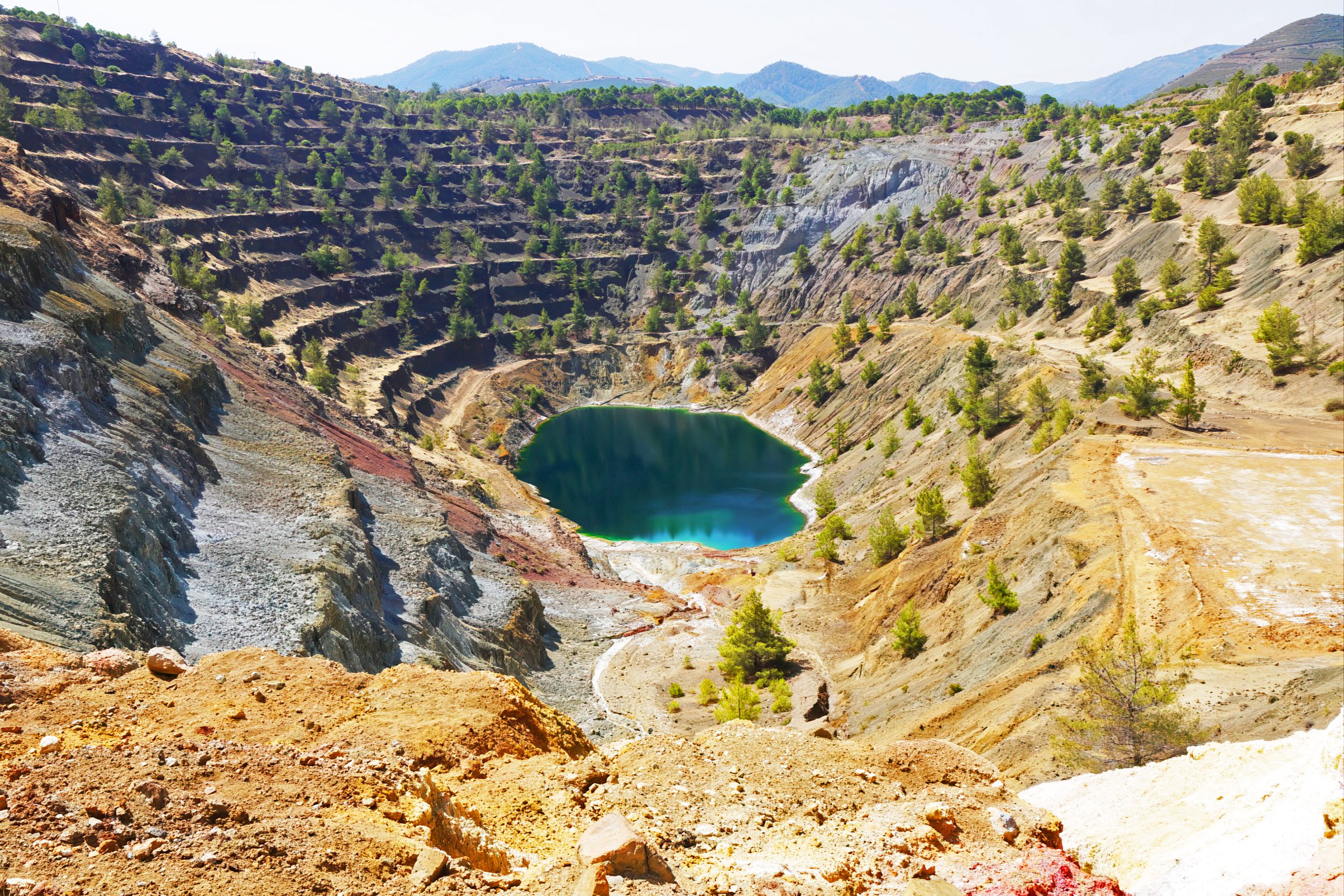
The same tectonic activity that created copper deposits established conditions for mineral springs. Hot hydrothermal fluids interact with volcanic rocks, and water passing through these formations dissolves minerals before surfacing. The ongoing convergence of the African and Eurasian plates maintains geological activity, ensuring that mineral springs continue to flow.
Recognition and Preservation
UNESCO designated Troodos as a Geopark in 2008. This recognition acknowledges the area’s scientific, cultural, and geological importance. The designation protects natural features while improving access for visitors interested in Cyprus’s unique geology.
In 2011, Kalopanayiotis received the European Commission’s EDEN award as a European Destination of Excellence. This honor recognized the village’s sustainable tourism practices and landscape preservation efforts. The community has worked to balance heritage conservation with modern development.
Recent restoration projects have revitalized the village while maintaining its traditional character. An old school beside the monastery now houses a museum with Byzantine art, ecclesiastical artifacts, and antiques. The house of National Martyr Lavrentios was converted into a cultural and conference center.
The Experience of Visiting
Kalopanayiotis sits 70 kilometers from both Nicosia and Limassol, in the valley of the Setrachos River. The village rises in layers along steep hillsides, with stone houses and traditional wooden balconies. Narrow cobbled streets wind between buildings shaded by vines and fruit trees.
The sulfur springs bubble beside the river with a distinctive smell. The warm mineral water feels heavier and slicker on the skin than ordinary water. The village offers hiking trails from easy riverside walks to challenging mountain routes, with sweeping views across the Marathasa Valley.
A Living Tradition
The Troodos mineral springs connect Cyprus’s geological formation to its cultural development. These waters emerged from the same tectonic forces that shaped the island and provided its mineral wealth.
From pre-Christian Asclepieions to Byzantine monasteries to modern wellness centers, the basic practice remains unchanged. People continue seeking relief in naturally heated, mineral-rich water. This persistence demonstrates how certain natural resources maintain value across different cultural periods.
Kalopanayiotis preserves this heritage while adapting to contemporary needs. Traditional spa practices blend with modern amenities. Visitors experience both the physical benefits of therapeutic waters and the cultural weight of a practice thousands of years old.