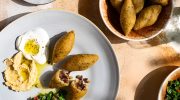
Cypriot cuisine developed at the crossroads of Greek, Turkish, Middle Eastern, and Levantine culinary traditions. The island’s fertile red soil, Mediterranean climate, and proximity to three continents created a food culture that combines fresh local produce with flavors from distant trading partners. Cyprus has more than 300 days of sunshine annually, producing vegetables, fruits, and herbs that burst with intensity.
The cuisine prioritizes simple preparation methods, seasonal ingredients, and shared eating experiences over complex techniques. Olive oil, fresh herbs, charcoal grilling, and slow cooking define the core approach. What separates Cypriot food from neighboring Greek cuisine is the stronger Middle Eastern and Turkish accent, visible in dishes using tahini, bulgur, and caul fat that you rarely encounter on mainland Greek menus.
Halloumi earns protected status worldwide
Halloumi stands as Cyprus’s most recognizable culinary export and the island’s unofficial symbol. The European Union granted halloumi Protected Designation of Origin status in 2021 under the names Halloumi and Hellim, legally confirming it can only be produced in Cyprus using traditional methods. Made from sheep’s and goat’s milk with small percentages of cow’s milk now also permitted, halloumi is brined and set with rennet. Its unusually high melting point makes it ideal for grilling or frying until golden and crispy on the outside while remaining firm within.

Fresh halloumi has a squeaky texture when bitten, softer and more complex in flavor than the exported versions sold abroad. Cypriots serve it with watermelon in summer, drizzled with honey in winter, stuffed in pita with tomato, or incorporated into pastries and pasta dishes. Halloumi dates to Byzantine times, with references to cheese production on Cyprus appearing in historical records from the 5th century onwards.

Mezze turns eating into social ceremony
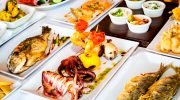
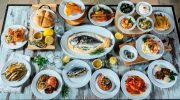
The mezze experience represents Cypriot dining culture at its most authentic. A typical spread begins with black and green olives, tahini, hummus, taramosalata fish roe dip, skordalia potato and garlic dip, and tzatziki alongside fresh bread and salad. The middle courses bring grilled halloumi, lountza smoked pork loin, keftedes meatballs, sheftalia pork rissoles wrapped in caul fat, and loukaniko spiced pork sausages.
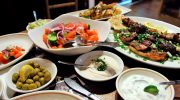
Hot grilled meats including kebabs, lamb chops, and chicken arrive later. The meal concludes with fresh fruit or glyko tou koutaliou, spoon sweets of preserved fruits and nuts in syrup. A full mezze can extend to 25 or even 30 dishes, arriving continuously over two to three hours. Some unusual mezze dishes include octopus in red wine, snails in tomato sauce, pickled quail eggs, and moungra pickled cauliflower. Before 1974, families in different parts of the island would celebrate special occasions with this communal feast, and the tradition continues unchanged today.
Slow cooked meats define the festive table
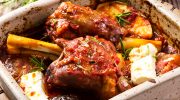
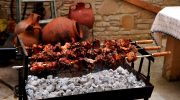
Kleftiko combines lamb with garlic, lemon, and herbs sealed in parchment paper and baked for several hours until the meat falls from the bone. The name means stolen meat and refers to the method of cooking in sealed clay ovens hidden in hillsides. Souvla threads large chunks of pork, lamb, or chicken onto long metal skewers and rotates them slowly over charcoal for up to two hours, producing crisp exterior and juicy interior.
Unlike Greek souvlaki which uses smaller pieces, Cypriot souvla requires patience and scale, with whole communities gathering around large grills for celebrations. Afelia marinates pork in red wine and coriander seeds for up to two weeks before slow cooking, producing tender pieces with complex flavor that defines home cooking in the Troodos villages. Stifado braises meat with whole shallots and spices into a thick stew with Venetian roots.
Carob and grape products define Cypriot sweets
Carob pods, once called black gold, provided Cyprus’s main export before citrus replaced them commercially. The island was once the world’s largest carob producer. Carob syrup sweetens traditional desserts, provides natural energy, and serves as caffeine free alternative to chocolate. Soutzoukos strings almonds on thread and dips them repeatedly into thickened grape must called palouze, creating chewy cylinders that last for months without refrigeration.

The palouze itself, made from grape juice thickened with flour and starch, is eaten alone as a pudding during harvest season. Loukoumades are deep fried dough balls soaked in honey syrup, traditionally sold at religious festivals. Flaounes are Easter pastries filled with a mixture of local cheeses, eggs, raisins, and fresh mint, baked only once a year for the Easter celebration.

Traditional drinks complete the experience
Zivania is a clear grape pomace spirit distilled from Xynisteri and Mavro grape varieties after wine production. Protected with its own designation of origin like halloumi, zivania has been produced on Cyprus for over 500 years. It carries fragrance of dried raisins and is served ice cold alongside mezze. The brandy sour is considered Cyprus’s unofficial national cocktail, combining local brandy with lemon cordial, aromatic bitters, and fresh lemonade.

Cyprus coffee brewed in small copper pots called mbriki produces a thick, intense drink served with a glass of cold water. Commandaria dessert wine made from sun dried grapes in the Troodos foothills holds the claim as the world’s oldest named wine, with documented production dating back to 800 BC and Crusader era records confirming its fame across Europe.

How this food shapes lives far beyond the plate
Cypriot cuisine functions as cultural memory, preserving centuries of agricultural knowledge and cross cultural exchange in every dish. The Ottoman period left its mark in the widespread use of tahini and bulgur. Venetian contact introduced pasta preparations adapted into distinctly Cypriot versions. The Orthodox fasting calendar shaped a rich tradition of vegetarian cooking using pulses, wild greens, and vegetables that predates current trends by centuries.

The ingredients themselves, the red tomatoes, the dense olive oil, the intensely fragrant oregano, reflect the specific combination of volcanic soil, mountain water, and Mediterranean sunshine that defines Cyprus. For visitors, understanding this cuisine means understanding the island itself, where hospitality is expressed through generosity with food and where the table remains the primary space for building and maintaining community bonds.