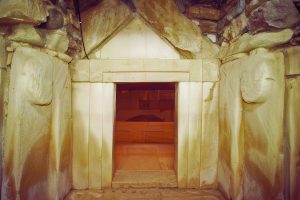
The Temple of Astarte-Aphrodite at Tamassos was a sacred site where different religious traditions met and blended. It reflects the merging of the Phoenician goddess Astarte with the Cypriot form of Aphrodite, showing how Cyprus functioned as a crossroads of belief in the ancient Mediterranean.
The sanctuary reveals how cultures interacted not only through trade and politics, but also through shared and evolving religious ideas.
A Sanctuary in the Heart of Cyprus
Tamassos lay inland, near rich copper resources and important trade routes. Though far from the coast, it was deeply connected to the wider Mediterranean world. The presence of a sanctuary dedicated to Astarte-Aphrodite reflects these connections and the movement of people, goods, and beliefs across the island.
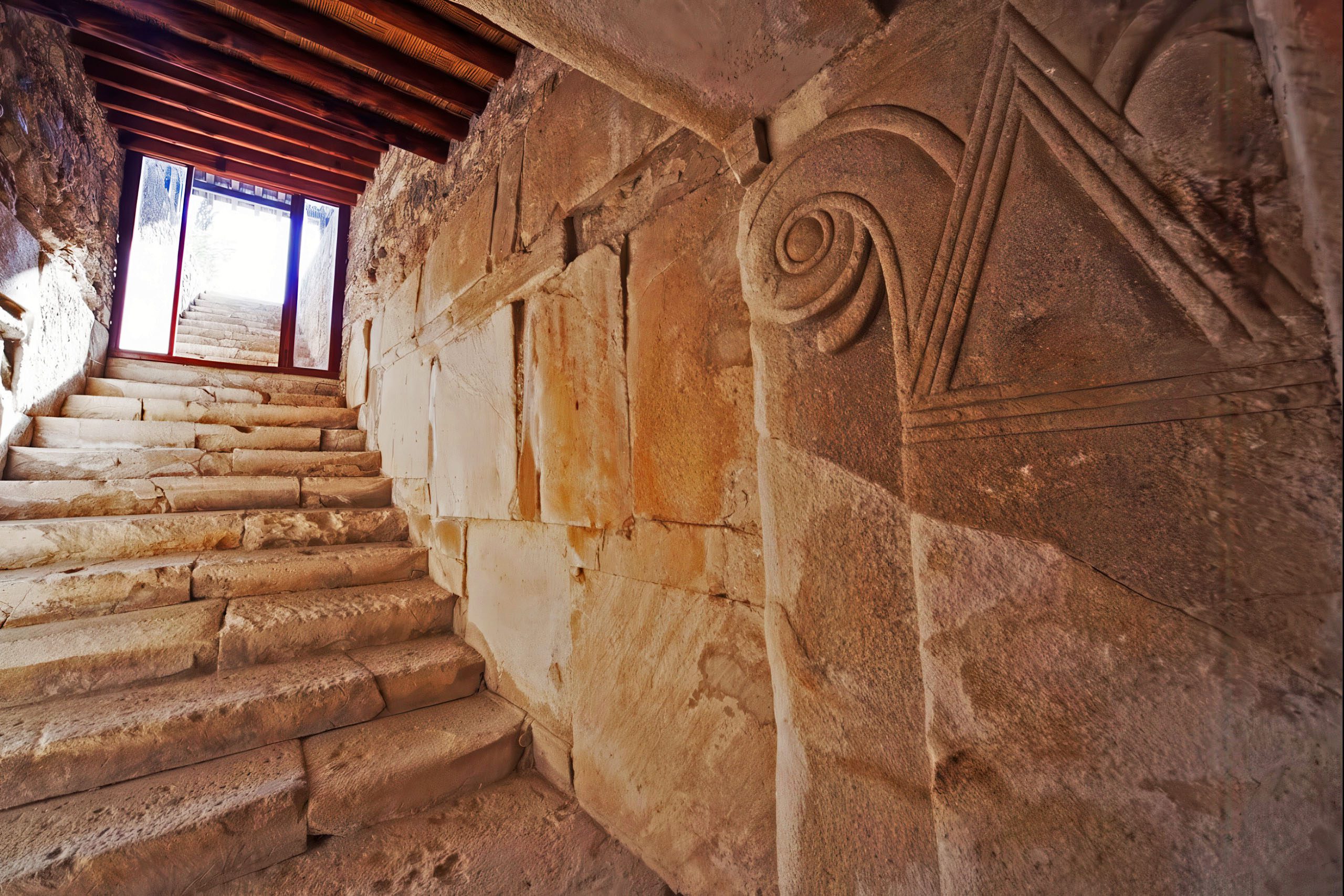
The temple served the local population while also reflecting foreign influence, making it a powerful symbol of Cyprus’s layered cultural identity.
Two Goddesses, One Sacred Presence
Astarte was a major Phoenician goddess associated with fertility, love, war, and royal power. Aphrodite, though later known as the Greek goddess of love, had deep roots in earlier Cypriot and Near Eastern traditions. At Tamassos, these two divine figures were not seen as separate, but as different expressions of the same sacred force.
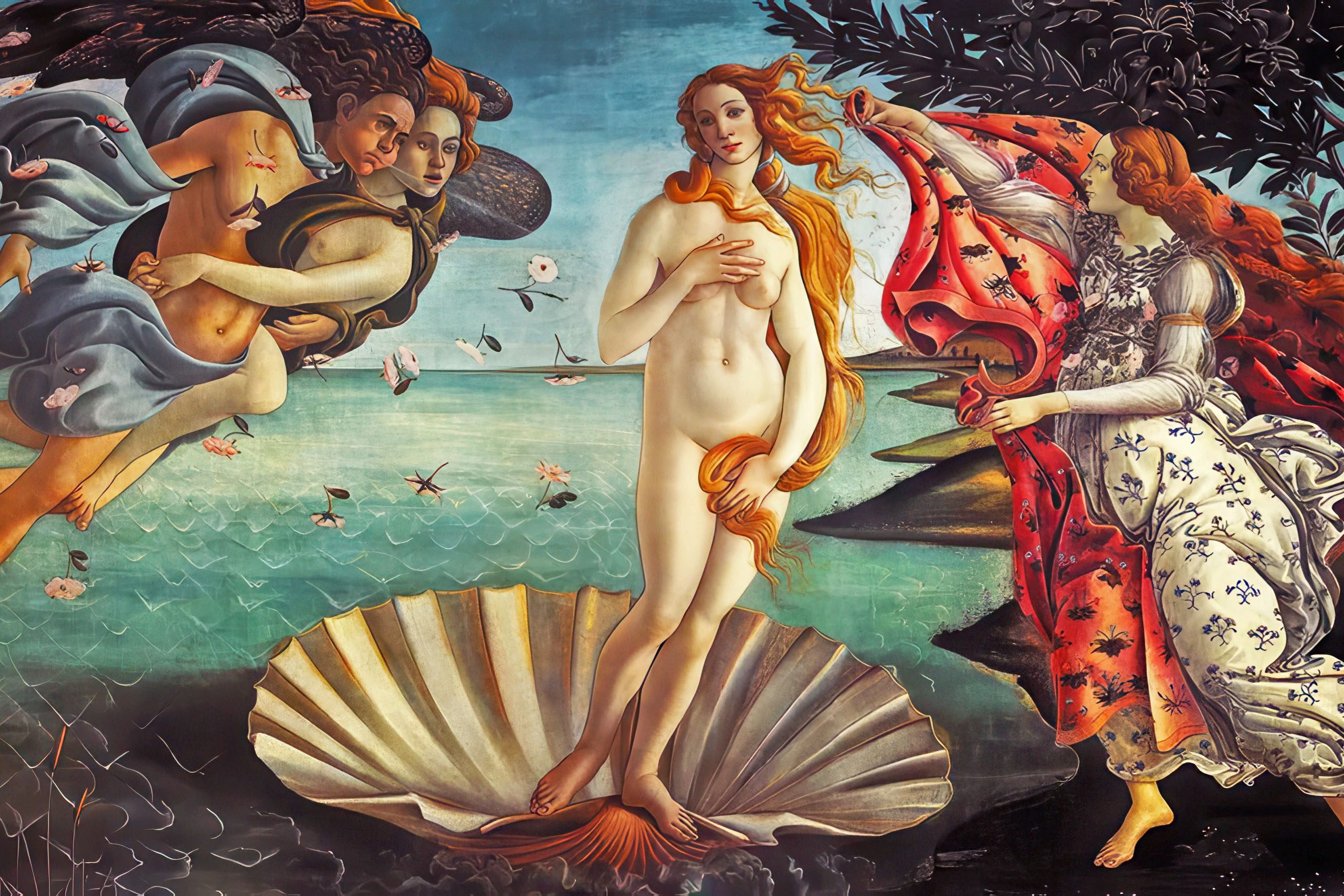
This blending, known as religious syncretism, allowed worshippers from different backgrounds to recognise their own beliefs within a shared cult. Rather than conflict, the sanctuary reflects adaptation and continuity.
Worship and Ritual at the Temple
The rituals practiced at the Temple of Astarte-Aphrodite likely focused on fertility, protection, and prosperity. Offerings may have included figurines, incense, and symbolic objects connected to life, growth, and renewal.
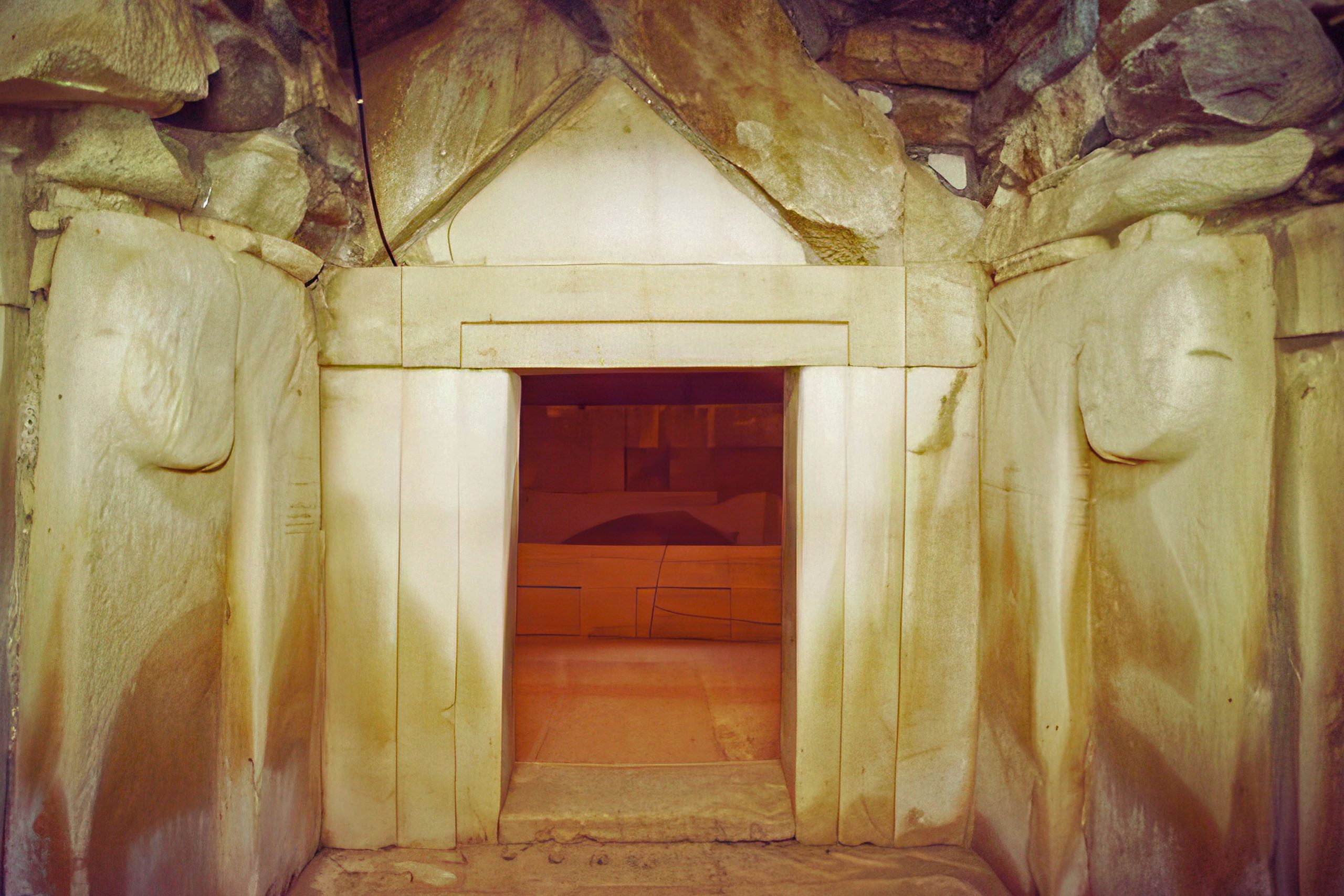
The sanctuary would have been a place where personal devotion met communal ritual. Worshippers came not only to honour the goddess, but to seek balance in their lives, their families, and their land.
A Reflection of Cultural Exchange
The existence of this temple illustrates how Cyprus absorbed influences from both the Greek and Phoenician worlds. Rather than choosing one identity over another, Cypriot religion often combined elements of both.
This openness allowed sanctuaries like Tamassos to function as shared spaces, where belief was flexible and inclusive. The goddess worshipped there belonged to no single culture, but to the island itself.
Decline and Memory
As religious practices changed and new belief systems spread, the sanctuary eventually fell out of use. Over time, its structures collapsed or were dismantled, and the sacred space faded into the landscape.
Yet the idea behind the sanctuary survived. The merging of Astarte and Aphrodite continued to shape how the goddess was understood across Cyprus, influencing later traditions and myths.
Encountering the Site Today
Today, the remains of the sanctuary at Tamassos are modest but meaningful. Though little of the original temple stands, the site still carries the weight of its symbolic importance.
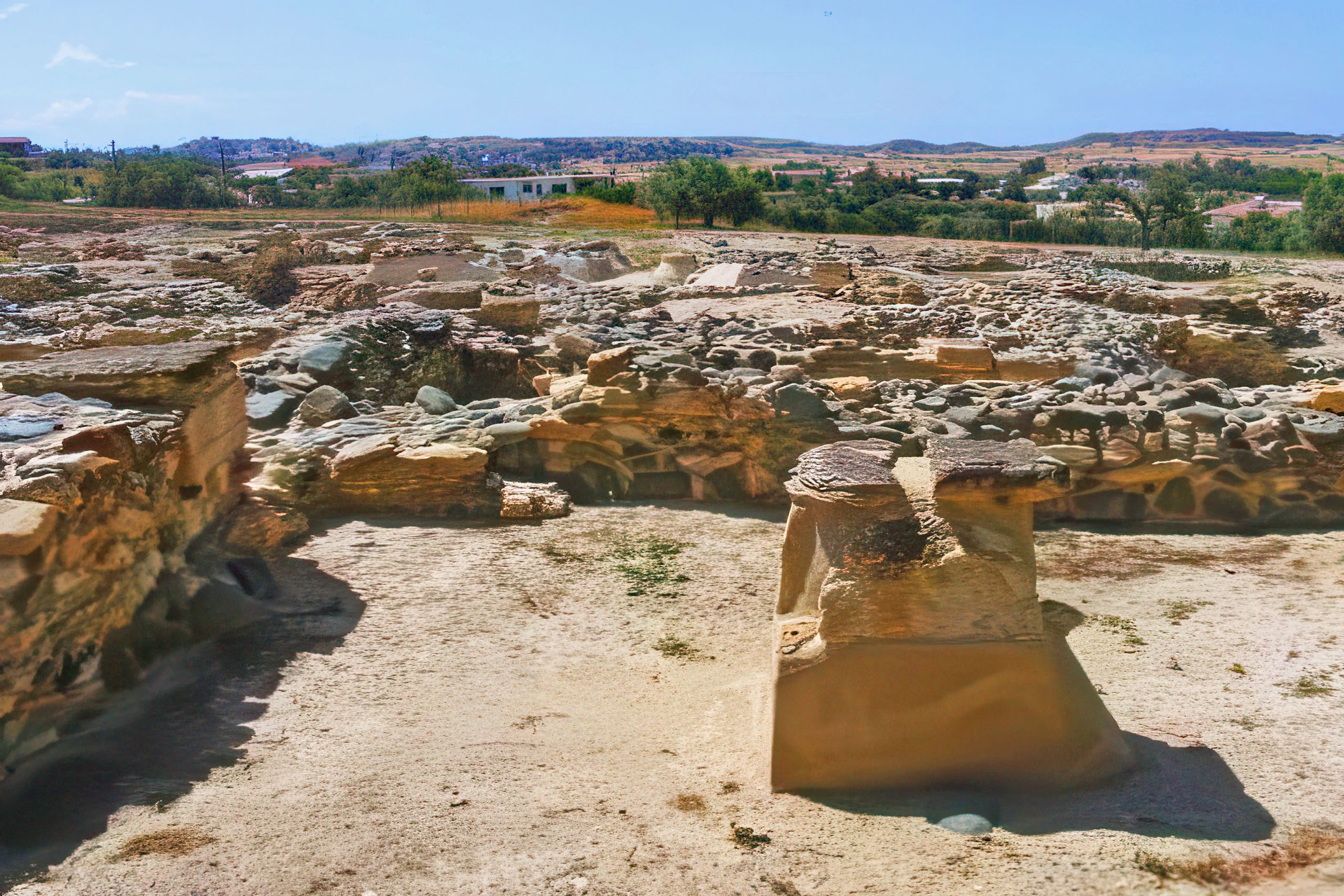
Visitors can reflect on how this quiet place once stood at the intersection of cultures, beliefs, and identities, shaping religious life far beyond its physical boundaries.
Why the Temple Still Matters
The Temple of Astarte-Aphrodite at Tamassos reminds us that ancient religion was not fixed or isolated. It evolved through contact, exchange, and shared experience.
In a world often divided by belief, this sanctuary offers a powerful lesson from the past. Cyprus thrived as a meeting point of cultures, and its religious landscape reflects that openness. The temple stands as a lasting symbol of the island’s role as a true religious melting pot.