Explore Cyprus with Our Interactive Map

Explore our top stories and discover ideas worth your time.

Xystarouda Nature Trail

Xystarouda Nature Trail

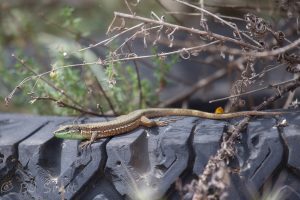
Nestled within the Paphos Forest of Cyprus, the Xystarouda Nature Trail offers a serene escape into a pristine Mediterranean woodland. This path follows a gentle course through dense stands of Calabrian pine and golden oaks. Hikers enjoy a quiet atmosphere where the scent of wild herbs fills the air. The trail provides a unique look at the island’s inland biodiversity far from the crowded coastal resorts. It serves as a vital link between the mountainous heart of Cyprus and its lush valleys. Every step reveals the raw beauty of a landscape that remains largely untouched by modern development or heavy urban influence. Trail Overview Location: Paphos Forest near Kykkos Monastery, Cyprus Distance: 3.1 miles (5 km) Route Type: Loop Difficulty: Easy to Moderate Elevation Gain: 150 meters Duration: 1.5 – 2 hours Best Time to Visit: March – May and September – October Terrain: Forest floor with occasional rocky sections Geological and Botanical Features The Xystarouda Nature Trail sits on the igneous rocks of the Troodos ophiolite. This complex geological structure supports a wide range of endemic plants that thrive in the nutrient-rich soil. As you walk, the canopy of Pinus brutia provides ample shade from the intense Cyprus sun. The golden oak, or Quercus alnifolia, grows in thick clusters along the slopes. This specific oak is a national symbol…

Read more
The Ancient Gods and Goddesses of Cyprus

The Ancient Gods and Goddesses of Cyprus

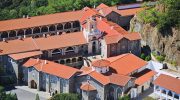
Long before saints and churches, Cyprus was home to powerful gods and goddesses whose temples dotted the island and whose myths shaped Mediterranean culture. From Aphrodite rising from the sea foam to warrior deities protecting cities, Cyprus's ancient pantheon blended Greek, Phoenician, and local traditions into something uniquely Cypriot — and traces of these divine beings still linger in the landscape today. A Crossroads of the Divine Ancient Cyprus didn't worship just one set of deities. Instead, the island's position at the crossroads of Greek, Near Eastern, and Egyptian civilizations created a rich religious tapestry where different cultures' gods merged, borrowed from each other, and sometimes became the same deity under different names. From the Bronze Age onward, Cypriots worshipped a Great Goddess of fertility who would eventually be identified with the Greek Aphrodite. But they also honored male gods adapted from neighboring lands — Phoenician warrior protectors, Greek sky fathers, and mysterious local spirits. By classical times, the island had developed a complex pantheon where Greek Aphrodite and Apollo appeared alongside Near Eastern Astarte and Resheph, creating a unique mythic identity that belonged fully to neither East nor West but to Cyprus itself. Where Divine Traditions Met and Merged Cyprus's religious history stretches back thousands of years, with each wave of settlers adding new layers to the island's spiritual…

Read more
Whispers from the Sunlit Slopes

Whispers from the Sunlit Slopes

Imagine strolling across a rocky hillside in Cyprus under a clear blue sky, where a shrubby plant releases a warm, woody aroma that hints at ancient potions and savory island dishes. This is sage, a resilient herb that dots the wild landscapes of Cyprus, offering simple wisdom from nature’s own apothecary to those who pause to notice. A Fragrant Shrub in the Mint Family Sage belongs to the genus Salvia in the vast mint family (Lamiaceae), a group of plants known for their square stems and aromatic leaves rich in essential oils. In Cyprus, several wild species grace the landscape, thriving in dry, rocky slopes and maquis vegetation from sea level to the high Troodos peaks. Echoes of Ancient Healers The name Salvia comes from the Latin “salvare” – to save or heal – reflecting its long history as a medicinal plant. In Cyprus, sage has been gathered since prehistoric times. Ancient Greek physicians like Dioscorides praised its wound-healing powers, while it was used in rituals for protection and purification. Over centuries, it became deeply rooted in island folklore as a symbol of longevity and wisdom. Woolly Leaves and Starry Blooms Wild sage in Cyprus typically grows as a low to medium shrub with fuzzy, silvery-green leaves that feel velvety to the touch. When crushed, they release a bold, earthy-camphor…

Read more