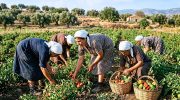
Daily Village Life in Cyprus – Community and Support
Daily village life in Cyprus revolved around close-knit family networks, communal labor, religious observances, and social gatherings that defined rural existence. Villages functioned as extended families where relatives lived in adjacent compounds, sharing courtyard spaces, agricultural tools, and economic responsibilities across generations. The rhythm of days followed agricultural cycles, with sunrise fieldwork interrupted by midday meals and coffee breaks, followed by afternoon labor and evening social gatherings in village squares. Women drew water from communal fountains where they exchanged information while washing clothes and filling vessels, creating female social networks parallel to male coffee shop culture. Children grew up supervised by grandparents, aunts, and neighbors who collectively ensured safety and transmitted traditional knowledge through daily interaction. This interconnected social structure provided economic security through mutual aid, emotional support during hardships, and collective celebration during festivals and life milestones. Morning Routines and Agricultural Work Village days began before sunrise, when women woke to prepare breakfast before men and children left for fields. The meal typically consisted of bread, olives, halloumi cheese, and yogurt with honey, supplemented by seasonal vegetables from kitchen gardens. Coffee brewed in long-handled pots called briki accompanied breakfast, providing caffeine for the day's physical labor ahead. Men departed for fields by 6:00 or 7:00 AM, carrying simple tools including hoes, sickles, and pruning shears. Donkeys transported heavier equipment…
Read more