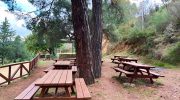
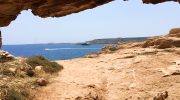
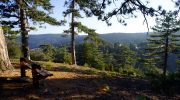
The Kampos tou Livadiou trail offers a serene path through the heart of the Troodos forest. This circular route provides a perfect glance at the high altitude beauty of Cyprus. Visitors find a peaceful retreat within the dense pine groves and fresh mountain air.
The path follows a level course around the plateau near the picnic area. It serves as an ideal choice for families or those who want a light walk. The trail stays under the shade of ancient trees for most of the loop. Each step brings a new view of the deep valleys below the mountain peaks.
This specific area holds a rich variety of local plants and rare birds. The silence of the woods creates a calm space for reflection and nature study. Many people visit this spot to escape the heat of the coastal cities. It remains a top destination for outdoor enthusiasts on the island.
Trail Overview
- Location: Troodos National Forest Park, Cyprus
- Distance: 1.9 miles (3.0 km)
- Route Type: Circular
- Difficulty: Easy
- Elevation Gain: 33 feet (10 meters)
- Duration: 45 – 60 minutes
- Best Time to Visit: Year-round
- Terrain: Flat Forest Floor
Geological and Ecological Significance
The terrain around Kampos tou Livadiou consists mainly of plutonic rocks from the Troodos ophiolite. These formations represent a slice of the ancient ocean crust from ninety million years ago. Geologists study this site to understand how the earth forms underneath the sea. The soil here is rich in minerals which supports a very specific type of plant life. Massive black pines dominate the skyline and provide shelter for the forest floor. These trees can live for hundreds of years and reach great heights.
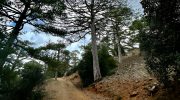
The ecosystem stays balanced through a mix of endemic shrubs and delicate wildflowers. Juniper bushes grow along the edges of the path where sunlight hits the ground. Rare orchids appear in the spring months when the snow melts away. This flora provides a vital food source for the local insect population. Bees and butterflies move through the forest as they gather nectar from the blossoms. The forest acts as a massive carbon sink and a filter for the island water supply. It holds moisture within the thick layer of pine needles that carpet the earth.
Flora and Fauna of the High Peaks
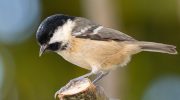
Birdlife thrives within the protected borders of the National Forest Park. The Cyprus wheatear often sits on the rocky outcrops near the start of the trail. This bird exists only on this island and migrates south for the winter. Woodlarks fill the air with song during the early morning hours of the summer. The coal tit is another common resident that flits between the branches of the pines. These birds play a crucial role in the control of forest pests.
Mammals are more elusive but their presence is clear from the tracks left in the dirt. The Cyprus mouflon occasionally wanders into this area from the more remote valleys. These wild sheep are a national symbol and enjoy full protection under the law. Small foxes hunt for rodents in the thickets during the twilight hours. Hares also live in the meadows near the picnic site and graze on the wild grass. This biological diversity makes every visit to the trail a unique chance for discovery. Each creature contributes to the health of the mountain environment in its own way.
Climate and Seasonal Variations
The weather at this altitude remains much cooler than the rest of Cyprus. Summer temperatures rarely exceed twenty five degrees celsius which feels very pleasant. This cool microclimate draws thousands of visitors during the peak of the heat. Winter brings a complete transformation as snow covers the entire trail system. The forest turns white and the pines bow under the weight of the ice. People come here to build snowmen or simply enjoy the rare sight of a frozen forest.
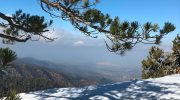
Spring and autumn offer the best conditions for serious nature study. The transition between seasons brings out different colors in the leaves and bark. In October the golden oaks change hue and create a warm glow across the slopes. The air becomes crisp and clear which improves the visibility for miles. One can often see the northern coastline from certain points on the mountain. Rain showers are common in the late afternoon during these months. This water recharges the springs that feed the villages further down the hill.
Path Construction and Maintenance
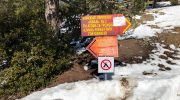
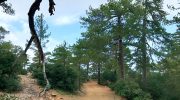
The forestry department maintains this circular path with great care and precision. They ensure the surface stays flat and free from large rocks or debris. This makes the route accessible for people with limited mobility or those with strollers. Wooden signs mark every intersection to prevent any confusion for the hikers. Benches appear at regular intervals to allow for rest and quiet observation. These seats often look out over the Solea valley and the distant sea.
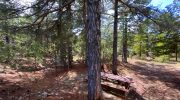
Maintenance crews work throughout the year to repair damage from winter storms. They clear fallen limbs and reinforce the edges of the path to stop erosion. This effort protects the natural landscape while it allows for safe public access. The trail design focuses on minimal impact to the surrounding trees and shrubs. No heavy machinery enters these zones to keep the ground compact and natural. This dedication to conservation ensures the trail stays beautiful for many decades.
Photography and Visual Points of Interest
The light in the high mountains has a quality that photographers find very attractive. Early morning rays pierce through the pine needles and create long shadows. This golden hour provides the best chance to capture the texture of the forest. The wide views of the valley offer a sense of scale that is hard to find elsewhere. Many people bring professional cameras to document the rare plants and birds. The contrast between the red soil and the green trees creates a bold visual palette.
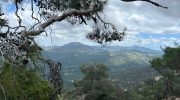
Macro photography is also popular on this trail due to the small details. Moss patterns on the rocks and the intricate structure of pine cones are great subjects. The dew on the grass in the morning adds a sparkle to the landscape. Every season provides a new set of colors and shapes to photograph. The circular nature of the path means the light hits the trail from every angle. This variety keeps the visual experience fresh from the start to the end.
Accessibility and Safety Guidelines
Safety is a primary concern for the forest authorities who manage the area. They provide maps and information at the nearby visitor center for all guests. The trail remains safe for solo walkers due to its popularity and clear markings. Mobile phone signals are generally strong in this part of the mountain. It is still wise to carry a small first aid kit for minor scrapes. Sturdy shoes provide the best grip on the dirt and gravel surface.
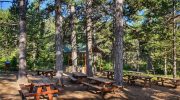
Water is a necessity even on a short walk like this circular loop. The mountain air is dry and can lead to dehydration quite quickly. There are water taps at the picnic site where bottles can be filled. Hikers should stay on the designated path to avoid the risk of a fall. The terrain off the trail can be steep and unstable in some sections. Respect for the signs ensures a smooth and pleasant trip for everyone.
The Kampos tou Livadiou trail represents the best of the Cyprus mountains. it is a place of peace and extreme natural beauty that is open to all. The loop is short but it leaves a lasting impression on the mind. It offers a chance to disconnect from the digital world and plug into nature. The scent of the pines and the sound of the wind are the only distractions. This path is a gift to the people and the guests of the island.
Every trip to the Troodos range should include a stop at this scenic loop. It provides a quick and easy way to feel the heart of the forest. The trail is a reminder of the importance of wild places in our lives. It stands as a silent witness to the passing of time and the beauty of the earth. Take the time to walk slow and breathe deep in this high mountain sanctuary. The forest has much to teach those who are willing to listen.