Roman Paphos Mosaics
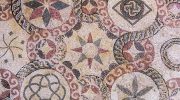
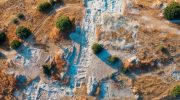
The Roman mosaics of Nea Paphos, especially in the House of Dionysos and the House of Theseus, were designed to do more than decorate elite homes: they signalled status, shaped movement, and communicated authority through myth. In the island’s administrative capital, these floors turned private reception rooms and official spaces into visual statements about leisure, order, and governance. This article explains how the two houses use different mosaic programs, what the imagery was meant to achieve, and why Paphos remains one of the clearest places to read Roman power at ground level. commons.wikimedia-org horosho-tam-ru Nea Paphos, Built for Rule Nea Paphos rose to prominence because of its political role. From the late Hellenistic period onward, the city served as the administrative capital of Cyprus, first under the Ptolemies and later under Roman rule. When Rome formally annexed the island in the first century BCE, Paphos retained its status as the seat of the proconsul, making it the centre of imperial authority on the island. mavink-com This political importance shaped the city's architecture. Elite residences were not hidden private retreats. They were positioned close to public spaces, built on a grand scale, and designed to receive visitors. In this context, the floors mattered. Mosaics were among the most visible and expensive features of a Roman house, and in Paphos, they became…
Read more