Explore Cyprus with Our Interactive Map

Explore our top stories and discover ideas worth your time.

Easter Traditions in Cyprus

Easter Traditions in Cyprus

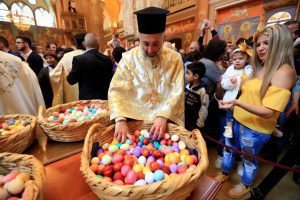
Easter represents the most important religious celebration in Cyprus, surpassing Christmas in spiritual significance and cultural observance. Known as Pascha in Greek, the Orthodox Easter follows the Julian calendar, often falling weeks after Western Easter. The celebration spans Holy Week with solemn church services, candlelit processions through village streets, and the midnight Resurrection liturgy when bells ring and fireworks light the sky. Families gather for elaborate feasts featuring roasted lamb, traditional flaounes cheese pastries, and red-dyed eggs. The festivities blend Byzantine religious ritual with distinctly Cypriot customs like bonfire lighting and the tsougrisma egg-cracking game. For both devout believers and secular Cypriots, Easter functions as the primary family reunion occasion and cultural identity marker, bringing together generations to maintain traditions passed down through centuries of Orthodox faith. The 40 Days of Lenten Preparation Orthodox Lent begins on Clean Monday, called Kathara Deftera, exactly 48 days before Easter Sunday. This day marks a dramatic shift from the excess of carnival to the austerity of fasting. Cypriots traditionally spend Clean Monday outdoors with countryside picnics, flying kites and consuming only fasting foods like tahini, olives, beans, flatbreads, and shellfish. The outdoor gathering symbolizes spiritual renewal and connection with nature before the solemn weeks ahead. During the 40-day Lenten period, observant Orthodox Christians abstain from meat, dairy products, eggs, fish with backbones, wine,…

Read more

Night Culture in Cyprus – Dining and Events

Night Culture in Cyprus – Dining and Events

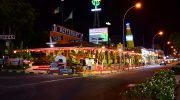
Cyprus transforms dramatically when the sun sets over the Mediterranean. The island's night culture combines traditional tavernas, modern beach clubs, live music venues, and cultural events that operate well past midnight. Government regulations require all nightlife establishments to close by 3:00 AM, with restaurants and bars shutting at 1:00 AM. A noise curfew from 10:00 PM protects residential areas, ensuring entertainment zones remain distinct from living quarters. This structure creates concentrated nightlife hubs in coastal cities and tourist areas where locals and visitors gather for evening entertainment. Historical Context Traditional Cypriot evening culture centered on family gatherings and village celebrations for centuries. The taverna, a cornerstone of social life, provided spaces where communities shared meals, stories, and music. After Cyprus gained independence in 1960, urbanization and tourism development gradually transformed these customs into more diverse offerings. The 1970s and 1980s saw coastal areas develop tourism infrastructure, particularly in Ayia Napa, Limassol, and Paphos. International visitors brought demand for nightclubs, cocktail bars, and entertainment that extended beyond traditional dinner hours. By the 1990s, Ayia Napa had emerged as a major party destination, attracting European clubbers with its concentration of venues and world-class DJs. The 2000s brought sophistication to Cyprus nightlife. Limassol developed upscale marina restaurants and rooftop bars that catered to a more affluent demographic. Paphos Harbor became a refined alternative…

Read more
Church of Panagia tou Araka

Church of Panagia tou Araka

The Church of Panagia tou Araka, located near the village of Lagoudera in the Troodos Mountains of Cyprus, is one of the most celebrated monuments within the UNESCO World Heritage group known as the Painted Churches of the Troodos Region. Built in the late 12th century, the church stands as a remarkable testament to the artistic and spiritual vitality of Cyprus during the Middle Byzantine period. Its significance lies primarily in its interior decoration, which preserves some of the finest examples of Comnenian art an artistic style associated with the reign of the Comnenian dynasty in Byzantium and closely linked to the cultural life of Constantinople. At a Glance Location: Lagoudera village, Pitsilia region, Troodos MountainsDate of frescoes: 1192Artist: Theodore ApsevdisStatus: UNESCO World Heritage Site (Painted Churches of the Troodos Region)Best known for: One of the most complete Middle Byzantine fresco cycles in Cyprus Historical Background Theodore Apsevdis is one of the rare Byzantine artists whose name survives alongside his work. Trained in Constantinople, he brought metropolitan skill to a rural Cypriot setting. His style belongs to the late Comnena period, marked by elongated figures, flowing drapery, and faces filled with restrained emotion. The church demonstrates how artistic developments from the imperial capital reached even remote regions, shaping local expressions of faith and aesthetics. The late 12th century was a…

Read more