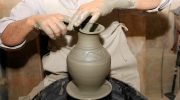
Traditional Crafts of Cyprus – Weaving Pottery Wood
Traditional crafts in Cyprus represent centuries of accumulated artisan knowledge passed through family workshops from medieval times to the present. The island's strategic position between three continents created distinctive craft traditions blending Byzantine, Venetian, and Ottoman influences with indigenous Cypriot techniques. Weaving, pottery, basketry, woodcarving, and metalwork sustained village economies when farming alone could not support families, with an old saying advising "learn a craft even if you don't need to and if you get hungry, practice it." The government-run Cyprus Handicraft Service, established in 1975, operates workshops in Nicosia that preserve these traditional skills through training programs, research, and marketing support. Several villages maintain craft specializations including Fyti for weaving, Kornos and Foini for pottery, Lefkara for lace and silverwork, and scattered communities for basketry. These crafts now serve cultural tourism and export markets while maintaining their role as living heritage connecting modern Cyprus to its artisan past. Weaving Traditions Across Specialized Villages Byzantine period sources document highly developed weaving traditions that continued evolving through successive civilizations. The Paphos village of Fyti became particularly renowned for its distinctive textiles called Fythkiotika, featuring colorful geometric patterns woven on undyed cotton cloth. The textiles serve as napkins, tablecloths, and bed covers with designs that have remained consistent for over 500 years. Artisans work on traditional looms called voufa, weaving patterns passed…
Read more