Explore Cyprus with Our Interactive Map

Explore our top stories and discover ideas worth your time.

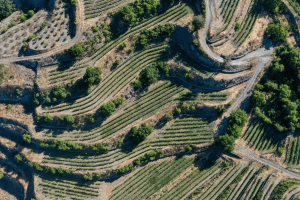
Cyprus Scenic Lanes – Hills & Local Life

Cyprus Scenic Lanes – Hills & Local Life

Cyprus scenic lanes wind through agricultural fields, olive groves, and mountain villages far from coastal tourist centers. These narrow roads connect rural settlements and farmland, offering glimpses into traditional Cypriot life that has changed little over generations. The countryside lanes range from paved roads between villages to dirt tracks through vineyards and wheat fields. Unlike major highways, these routes meander through natural landscapes where farmers still tend crops by hand and donkeys carry loads up hillsides. Travelers who venture beyond main roads discover the authentic rhythm of rural Cyprus. Stone houses with wooden balconies, elderly residents sitting in doorways, children playing in village squares, and farmers working terraced fields create scenes that feel timeless. The slower pace allows observation of details easily missed from expressways. Agricultural Routes Through History Cyprus has maintained agricultural roads for thousands of years. Ancient pathways connected farms to market towns, enabling trade in wheat, olives, wine, and copper. Many modern lanes follow routes established during Byzantine times or earlier. The Mesaoria Plain, stretching between the Troodos and Kyrenia mountain ranges, developed an extensive network of agricultural roads. This central plain became the island's breadbasket, producing cereals that fed communities across Cyprus. Farmers needed reliable routes to transport harvests to coastal ports for export. Mountain roads evolved differently. Villages in the Troodos range required paths that…

Read more
Black Locust Robinia In Cyprus

Black Locust Robinia In Cyprus

Imagine walking through an older Cypriot village or along a rural roadside in late May, when the air suddenly fills with a sweet, heavy perfume reminiscent of orange blossom. Looking up, you see long, drooping clusters of creamy-white flowers hanging like fragrant tassels from the branches of a graceful, thorny tree. This is the black locust of Cyprus – a fast-growing, nitrogen-fixing beauty that has quietly become part of the island’s living heritage. The False Acacia of the Legume Family Black locust, Robinia pseudoacacia, belongs to the vast Fabaceae (legume) family – the same group as carob, peas and beans. It is a deciduous tree famous for its ability to enrich poor soils by fixing nitrogen from the air. Locally it is known as Ροπίνια η ψευδοακακία (Ropínia i pseudoakakía), literally “false acacia Robinia”, because its pinnate leaves and pea-like flowers resemble true acacias even though it is not closely related. From American Forests to Cypriot Roadsides Native to the Appalachian Mountains and Ozarks of the eastern United States, black locust was one of the first North-American trees brought to Europe in the early 17th century. It reached Cyprus during the British period (late 19th–early 20th century) and was widely planted for durable timber, excellent honey production, erosion control on degraded land, and quick shade in villages and towns. Like…

Read more

Reshef Warrior Protector

Reshef Warrior Protector

Reshef was a prominent deity in the ancient eastern Mediterranean, especially in regions such as Syria, Phoenicia, and the Levant. He was primarily associated with protection, warfare, and sometimes with plague or healing, reflecting a divine role that combined destructive and safeguarding powers. Unlike deities who represented abstract forces, Reshef was closely tied to the realities of conflict, defense, and communal survival. His worship reached Cyprus through networks of trade and migration, illustrating the island’s position as a meeting point between eastern and Aegean religious traditions. In Near Eastern belief systems, Reshef embodied the paradox of a deity who could both bring harm and prevent it. He was invoked to ward off danger, especially during times of conflict or epidemic threat. This dual nature made him a figure of respect and fear, a protector whose favor was essential for maintaining social stability. When his cult spread to Cyprus, these attributes resonated with local communities who faced similar concerns about security and survival. Arrival of Reshef in Cyprus The introduction of Reshef to Cyprus reflects the island’s long-standing cultural connections with the Levant. Maritime trade during the Bronze and Iron Ages facilitated not only the movement of goods but also the transmission of religious beliefs. Inscriptions and iconographic evidence from Cypriot sites show the presence of deities with clear Near Eastern…

Read more