Explore Cyprus with Our Interactive Map

Explore our top stories and discover ideas worth your time.

Fitness Culture in Cyprus

Fitness Culture in Cyprus

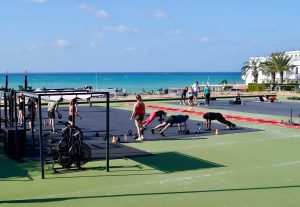
Cyprus combines Mediterranean climate with diverse terrain to create ideal conditions for outdoor fitness and recreation. The island's 340 days of annual sunshine allow year round sports participation that northern European countries cannot match. From golden beaches to mountain trails at 2,000 meters elevation, the natural environment encourages active living beyond indoor gym walls. Cypriots embrace outdoor activities including hiking, swimming, cycling, and team sports that integrate fitness into daily routines. The culture values physical activity not just for health but as social engagement, with sports clubs and outdoor groups creating community bonds. This natural integration of movement into life makes Cyprus attractive for families and professionals seeking healthier lifestyles than sedentary urban environments allow. Traditional gyms serve serious fitness goals Modern gym facilities operate across all major cities and tourist areas, offering equipment and classes that meet international standards. New Body Gym ranks as one of the leading health clubs, providing comprehensive workout environments with certified personal trainers. Oxygen Gym has operated since 1996 as a pioneer in the fitness industry, offering weight classes and varied services. Tower Fitness in Peyia serves the Paphos area with high-quality facilities and professional instruction. Sanctum Spa and Fitness at Limassol Marina combines luxury amenities with serious training options. UN1T offers comprehensive strength and conditioning programs designed to deliver measurable results for athletes.…

Read more
Larnaca Fort Cyprus

Larnaca Fort Cyprus

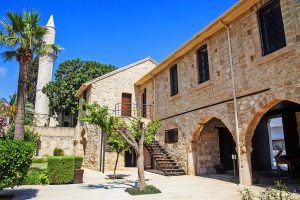
Larnaca Fort is a coastal defensive structure that started as a Byzantine fortification and took its current form during Ottoman rule in the 17th century. The fort sits directly on the waterfront at the western edge of one of Cyprus's most popular seaside promenades. Despite its modest size compared to larger Cypriot castles like Kyrenia or Kolossi, the fort played an essential role in protecting Larnaca harbour and the southern coast from pirates and invaders. Today, it houses the Larnaca Medieval Museum and hosts cultural events in its courtyard. Historical Background Archaeological evidence suggests the Byzantines built a small fortification on this site in the late 12th century. Larnaca, known in ancient times as Kition, had been inhabited since the 14th century BC. The medieval fort became necessary when the Genoese captured Famagusta, Cyprus's main port, in 1373. This forced the Lusignan Kingdom of Cyprus to develop Larnaca as an alternative major port. According to medieval chronicler Florius Boustronius, King James I of Cyprus ordered the expansion of the Byzantine fortification into a more substantial castle between 1382 and 1398. The castle's primary purpose was to defend the harbour and protect the increasingly important port town. During this period, Larnaca transformed from a minor coastal settlement into one of the kingdom's principal trading centers, making coastal defenses critical for both…

Read more
Cyprus Hero Digenis Akritas

Cyprus Hero Digenis Akritas

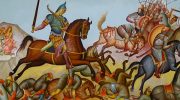
Digenis Akritas stands as the most famous epic hero to emerge from the Byzantine Empire, celebrated in folk ballads and a lengthy epic poem that originated in the 10th century and developed further in the 12th century. The name Digenis means "two-blood" or "of two peoples," referring to his mixed Byzantine Greek and Arab heritage.  Akritas translates to "borderer" or "frontier guard," identifying his role defending Byzantine territory. The protagonist became the archetype of the ideal medieval Greek hero, frequently appearing in traditional folk songs particularly popular in Crete, Cyprus, and Asia Minor. For Cypriots specifically, Digenis Akritas represents more than legend, symbolizing bravery, strength, and the eternal fight for freedom against foreign invaders. The Epic Story and Family Origins The epic details the life of the hero Basil, whose epithet Digenis Akritas refers to his unique parentage. The first half of the epic, written in an epic tone, describes how his parents met. His mother, a Byzantine noblewoman named Eirene from the aristocratic Doukas family, was abducted during an Arab raid by his father, an Arab emir named Mousour. After capturing Eirene, the emir fell in love with her and she with him. To marry her, Mousour converted to Christianity, reconciling the two peoples through marriage and representing the triumph of Christianity over Islam. The reconciliation between Byzantine and…

Read more