Explore Cyprus with Our Interactive Map

Explore our top stories and discover ideas worth your time.

Easter Traditions in Cyprus

Easter Traditions in Cyprus

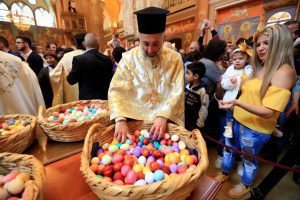
The spring season hosts the most prominent annual commemorative event in Cyprus, serving as a major focal point for regional heritage and cultural observance. Known as Pascha in the Greek language, this period follows the Julian calendar and marks a significant administrative and social break in the national calendar. The schedule involves a week of formal communal gatherings, organized evening walks through village districts, and a large-scale public event at midnight characterized by bell ringing and extensive fireworks displays. Families assemble for traditional meals featuring specific regional dishes such as roasted meats and local cheese pastries. These festivities combine medieval Byzantine customs with unique local traditions like the construction of large bonfires. For the general population, this season serves as a vital period for family reunions and the reinforcement of a collective identity rooted in the island’s long historical and social development. The 40 Days of Lenten Preparation Orthodox Lent begins on Clean Monday, called Kathara Deftera, exactly 48 days before Easter Sunday. This day marks a dramatic shift from the excess of carnival to the austerity of fasting. Cypriots traditionally spend Clean Monday outdoors with countryside picnics, flying kites and consuming only fasting foods like tahini, olives, beans, flatbreads, and shellfish. The outdoor gathering symbolizes spiritual renewal and connection with nature before the solemn weeks ahead. During the 40-day…

Read more
Limassol Archaeological Museum

Limassol Archaeological Museum

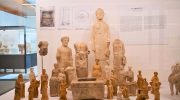
The Limassol Archaeological Museum houses a rich collection spanning 9,000 years of human civilization in southern Cyprus. Founded in 1948 and originally housed in Limassol Castle, the museum moved to its current purpose-built structure in 1975. The building consists of two long rooms joined together by two transversal spaces, covering 3,000 square meters. The exhibits focus on discoveries from the Limassol district, particularly from the ancient kingdoms of Kourion and Amathous. Unlike the Cyprus Museum in Nicosia, which displays material from across the entire island, this regional facility concentrates on southern coastal culture and trade. The collection includes pottery, jewelry, sculptures, tools, and everyday objects that provide insight into how ancient Cypriots lived in this fertile and strategic region. Entry is free, making the museum accessible to all visitors. Historical Background The museum displays remains of pygmy elephants and pygmy hippopotamus found at the Pre-Neolithic site of Akrotiri Aetokremnos, the earliest known site in Cyprus. These extinct animals lived on the island before humans arrived, providing evidence of Cyprus's unique ecosystem during the Ice Age. The pygmy species evolved smaller body sizes due to island isolation, a common evolutionary pattern. Tools and pottery from the Aceramic Neolithic I period through the Late Bronze Age demonstrate how early settlers developed agriculture and craft technologies. Objects excavated from Chillourokampos in Parekklisia, Sotira,…

Read more

Larnaca Fort Cyprus

Larnaca Fort Cyprus

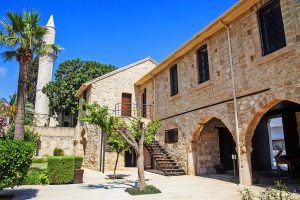
Larnaca Fort is a coastal defensive structure that started as a Byzantine fortification and took its current form during Ottoman rule in the 17th century. The fort sits directly on the waterfront at the western edge of one of Cyprus's most popular seaside promenades. Despite its modest size compared to larger Cypriot castles like Kyrenia or Kolossi, the fort played an essential role in protecting Larnaca harbour and the southern coast from pirates and invaders. Today, it houses the Larnaca Medieval Museum and hosts cultural events in its courtyard. Historical Background Archaeological evidence suggests the Byzantines built a small fortification on this site in the late 12th century. Larnaca, known in ancient times as Kition, had been inhabited since the 14th century BC. The medieval fort became necessary when the Genoese captured Famagusta, Cyprus's main port, in 1373. This forced the Lusignan Kingdom of Cyprus to develop Larnaca as an alternative major port. According to medieval chronicler Florius Boustronius, King James I of Cyprus ordered the expansion of the Byzantine fortification into a more substantial castle between 1382 and 1398. The castle's primary purpose was to defend the harbour and protect the increasingly important port town. During this period, Larnaca transformed from a minor coastal settlement into one of the kingdom's principal trading centers, making coastal defenses critical for both…

Read more