Explore Cyprus with Our Interactive Map

Explore our top stories and discover ideas worth your time.

Semi-Arid Inland Plains Climate (Mesaoria)

Semi-Arid Inland Plains Climate (Mesaoria)

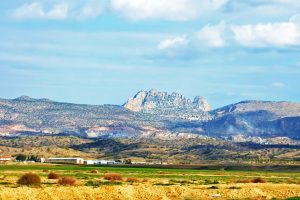
Semi-Arid Inland Plains Climate (Mesaoria) is characterized by low rainfall and hot summers, a pattern that has shaped Cyprus's central lowlands with drought-resistant vegetation and adapted agricultural practices. This climate, with annual precipitation under 350mm and temperatures soaring above 40°C in July-August, creates a landscape of dry riverbeds, thorny shrubs, and resilient crops like barley. It influences everything from biodiversity to human settlement, highlighting how the island's interior has fostered unique ecosystems and cultural responses to aridity. A Harsh Yet Resilient Inland Environment The Mesaoria Plains, often called the "breadbasket" of Cyprus, span the island's central region between the Troodos and Kyrenia Mountains, covering approximately 2,500 square kilometers. This semi-arid zone experiences extreme seasonal contrasts, where scorching summers give way to mild winters with sporadic rains. Low rainfall, averaging 300-400mm annually, concentrates in short winter bursts, leading to high evaporation rates that deplete soil moisture and create a challenging environment for life. Hot summers, with daytime highs frequently exceeding 35°C and occasional peaks at 45°C, intensify water scarcity, promoting vegetation that conserves resources through deep roots and reduced leaf surfaces. fergusmurraysculpture.com This climate has molded a resilient ecosystem, where plants like the thorny burnet (Sarcopoterium spinosum) and wild thyme dominate, forming maquis scrublands that prevent soil erosion on the plains' calcareous soils. Agriculture adapts with drought-tolerant crops such as carob…

Read more

Airports of Cyprus: Larnaca vs Paphos

Airports of Cyprus: Larnaca vs Paphos

Cyprus operates two international airports that serve as the island's primary gateways for tourism and business travel. Larnaca International Airport handles approximately 70 percent of total passenger traffic, while Paphos International Airport serves the remaining 30 percent. dsaengineers-com Together, these facilities processed over 13 million passengers in 2025, representing a 12 percent increase from 2024 and significantly exceeding pre-pandemic levels from 2019. Hermes Airports operates both facilities under a concession agreement with the Cyprus government that has been extended until 2033. The company has committed 170 million euros to Phase 2 expansion projects that began in March 2025, with completion expected by 2027. When finished, Larnaca will handle 12.4 million passengers annually while Paphos will accommodate 5 million, bringing combined capacity to 17.4 million passengers per year. These expansions reflect Cyprus's growing importance as a Mediterranean travel hub and the government's strategy to strengthen tourism infrastructure. How Larnaca Dominates Passenger Traffic Larnaca International Airport processed 9.37 million passengers between January and November 2025, accounting for approximately 72 percent of Cyprus's total air traffic. The airport serves as the main entry point for visitors from the United Kingdom, Greece, Israel, Poland, and Germany, which collectively represent 64 percent of all arrivals. London and Athens each generate approximately 1.4 million passengers annually, while Tel Aviv contributes close to one million. philenews-com The…

Read more
Wild Oregano treasure hunt

Wild Oregano treasure hunt

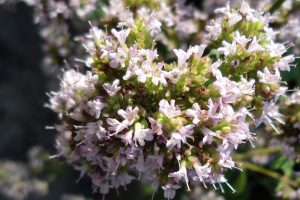
Imagine wandering the sun-drenched paths of Cyprus's Troodos Mountains, where a humble herb releases a spicy, earthy aroma that whispers of age-old remedies and hearty island feasts. This is oregano, a wild treasure that's flavored Cypriot life for centuries, inviting us to uncover its simple joys and hidden strengths. www.inaturalist.org A Spicy Star in the Mint Family Oregano is a fragrant herb from the vast Lamiaceae family, a group that includes over 7,000 species worldwide, like mints, sages, and basils – all sharing square stems and leaves packed with essential oils that give them their punchy scents and flavors. In Cyprus, it grows as a tough little bush in rocky spots, a classic example of Mediterranean wild plants that thrive in harsh, sunny environments. A Gift from Mountain Spirits The name "oregano" springs from ancient Greek words – "oros" for mountain and "ganos" for joy – beautifully capturing how this resilient plant thrives on sunny hillsides and brings simple delight to those who stumble upon it. In Cyprus, its tale reaches back to the island's earliest settlers around 10,000 years ago, who likely gathered it for nourishment and healing, much like their kin across the Mediterranean waves. Locally known as ρίγανη (rigani), it echoes this joyful legacy, cherished by ancient inhabitants for its seasoning and soothing powers long before tales…

Read more