Explore Cyprus with Our Interactive Map

Explore our top stories and discover ideas worth your time.

Marathi Cave Paphos

Marathi Cave Paphos

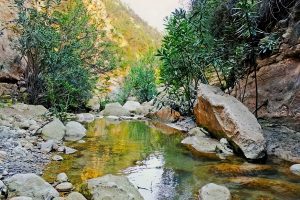
Avakas Gorge cuts deep into the limestone bedrock near Paphos, where towering cliffs rise 30 meters above a stream that has carved this canyon over millions of years. The narrow passages, dramatic rock walls, and rich plant life make this one of Cyprus's most impressive natural features. shoesyourpath-com The gorge sits within the Akamas Peninsula on the western coast of Cyprus, about 16 kilometers from Paphos. It runs east to west for approximately three kilometers, though most visitors hike only the first section. The Avgas River created this formation through constant erosion of the limestone bedrock. Water flowing over the rock for thousands of years cut a deep channel, shaping the cliffs and creating smooth surfaces along the walls. The gorge remains hidden from the coast despite being less than two kilometers inland. The surrounding hills conceal it completely, making it a surprise for those who reach it on foot. Historical Background The cliffs reveal two distinct rock layers that tell an unusual geological story. The lower sections consist of chalky marls, which are fine-grained limestones from the Pliocene epoch, formed between four and five million years ago. Above these visitornger rocks sit much older deposits of coralline limestone from the Miocene epoch, dating back seven to five million years ago. This reversed layering puzzles geologists, since visitornger sediments normally…

Read more
Cyprus Coastal Seafood Festivals

Cyprus Coastal Seafood Festivals

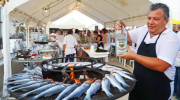
Seafood festivals in Cyprus are joyful coastal celebrations that bring together food, tradition, and community life. Held mainly in seaside towns such as Zygi, Latchi, Limassol, Larnaca, and Paphos, these events reflect the island’s long relationship with the sea and its fishing heritage. Through simple dishes, shared tables, and open harbors, they offer an easy and memorable way to experience Cyprus beyond the beach. What Are Seafood Festivals in Cyprus? Seafood festivals in Cyprus are local events that celebrate fishing culture and fresh Mediterranean seafood. They are usually organized by municipalities, community councils, or local fishing groups and take place near harbors, marinas, or coastal promenades. Some are clearly defined annual festivals, while others are part of broader cultural or religious celebrations that include seafood as a central element. At their core, these festivals focus on sharing freshly prepared fish and seafood in a relaxed, social setting. Visitors can expect grilled fish, octopus, calamari, and traditional fish meze served alongside music, conversation, and sea views. The atmosphere is informal and welcoming, designed to bring locals and visitors together rather than impress with spectacle. Roots in Coastal Life and Fishing Traditions Cyprus has always been shaped by the sea. For centuries, small coastal communities relied on fishing not only for food but for trade, identity, and survival. Harbors doubled as social…

Read more

Scuba Diving Spots in Cyprus

Scuba Diving Spots in Cyprus

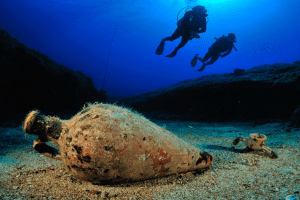
Cyprus ranks among the Mediterranean's premier diving destinations, offering crystal-clear waters with visibility often exceeding 30 meters, warm sea temperatures reaching 27 degrees Celsius in summer, and diverse underwater landscapes ranging from ancient shipwrecks to vibrant reef systems. tripadvisor-com The island's strategic location at the crossroads of three continents has resulted in a rich maritime history, with numerous wrecks resting on the seabed alongside natural caves, underwater cliffs, and thriving marine ecosystems. Cyprus's diving season extends year-round, though the most comfortable conditions occur between April and November when water temperatures remain above 20 degrees Celsius and weather conditions are optimal. The Zenobia Wreck Near Larnaca The MS Zenobia stands as one of the world's top ten wreck dives and Cyprus's most famous underwater attraction. This Swedish-built roll-on roll-off ferry sank on her maiden voyage on June 7, 1980, just outside Larnaca harbor after suffering computer malfunctions that caused ballast system failures. The ship now rests on her port side at depths ranging from 16 to 42 meters, making different sections accessible to divers of varying experience levels. tripadvisor-com The 172-meter-long vessel carried 104 articulated lorries loaded with cargo when she sank, creating an enormous artificial reef that has attracted diverse marine life over four decades. Divers can explore the bridge, engine room, and cargo holds still containing trucks and trailers…

Read more