Explore Cyprus with Our Interactive Map

Explore our top stories and discover ideas worth your time.

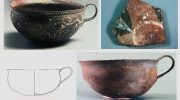
Kamares Ware: Cyprus Joins Bronze Trade

Kamares Ware: Cyprus Joins Bronze Trade

Kamares ware is luxury pottery made in Minoan Crete that reached Cyprus nearly 4,000 years ago, proving the island was already tied into long-distance Mediterranean exchange. Thin “eggshell” vessels and high-control firing techniques turned these cups and jugs into prestige objects, appearing mainly in elite burials and high-status contexts rather than everyday homes. This article explains how Kamares travelled through Cypriot ports, what it signalled about copper-era trade, and how imported styles helped reshape local ceramic traditions over time. cretetravel-com Aegean Luxury Arrives in Cyprus During the early second millennium BCE, Cyprus was not an isolated island on the edge of history. Its copper resources made it valuable to societies that lacked metal of their own, especially Minoan Crete. At the same time, improvements in shipbuilding and navigation allowed traders to move goods across open sea routes with increasing confidence. Kamares ware belongs to this moment of expansion. Produced in Crete during the Middle Minoan period, these vessels reached Cyprus through maritime exchange, arriving mainly at coastal centres that were already developing into hubs of trade and redistribution. Early Routes Across Open Water Kamares ware was never intended for ordinary households. The vessels are thin, light, and carefully finished, often decorated with white, red, and orange motifs on a dark background. Many examples are so delicate that they are described…

Read more
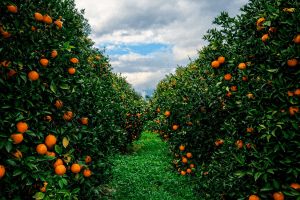
Cyprus Citrus Groves

Cyprus Citrus Groves

Citrus trees have never been a background crop in Cyprus. They reshaped coastal plains, sustained export economies, scented villages with orange blossom, and anchored everyday cooking. Oranges, lemons, grapefruits, and local hybrids thrive where mild winters meet long sunlight hours, making citrus one of the island's most recognisable and enduring farming traditions. Even as Cyprus modernises, citrus remains a quiet constant, rooted in land, memory, and daily life. Why Citrus Took Hold in Cyprus Citrus farming in Cyprus is defined by geography. The island’s coastal plains provide exactly what citrus trees require: frost-free winters, fertile soils, and long growing seasons. Unlike vineyards that climb into the mountains, citrus orchards stay close to the sea, shaping lowland landscapes around Morphou, Limassol, and Paphos. These groves were never ornamental. They provided reliable harvests, export income, and household staples, becoming as common in village courtyards as in commercial plantations. Over time, citrus trees blurred the boundary between agriculture and domestic life, integrating farming directly into everyday routines. The Coastal Landscapes That Grow Citrus Citrus orchards are closely tied to Cyprus’s coastal geography. The most productive groves sit on fertile alluvial soils where irrigation can be carefully managed. Historically, regions such as Morphou developed reputations as citrus heartlands due to access to natural springs and groundwater flowing from the Troodos foothills. Limassol’s coastal zones…

Read more

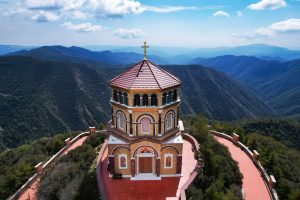
Pilgrimage to Saintly Relics

Pilgrimage to Saintly Relics

Pilgrimage to saintly relics in Cyprus is a heartfelt tradition where believers journey to tombs, monasteries, and churches to connect with holy figures like Saint Lazarus or pieces of the True Cross. These trips blend deep faith with hopes for healing and protection, turning the island's landscapes into paths of spiritual renewal. It's a practice that feels personal and alive, drawing people from near and far to experience a touch of the divine in everyday places. Basilica-ro A Journey of Faith and Connection Imagine setting out on a winding road through Cyprus's hills or coastal towns, driven not by sightseeing but by a quiet need for solace or thanks. That's the essence of pilgrimage to saintly relics here - a simple yet profound act where ordinary folks seek out the remains or sacred items of saints, believing they hold ongoing power. These aren't museum pieces; they're bridges to the holy, places where prayers feel heard and lives can shift. From bustling Larnaca to remote mountain monasteries, pilgrims come for everything from physical cures to emotional peace, making the island a living map of devotion. No fancy rituals required - just an open heart and a willingness to travel, turning the act of going into a form of worship itself. Roots in Ancient Beliefs and Miracles This tradition stretches back to…

Read more