Cyprus possesses a landscape rich with caves, springs, and natural formations that have inspired supernatural stories for thousands of years. The island’s geological features, from coastal grottos to mountain springs, became the settings for tales of dragons, serpents, and mysterious creatures that guarded treasures or threatened unwary travelers.
These legends blend ancient mythology with local folklore, creating a unique tradition of supernatural stories connected to specific natural sites. The caves and springs of Cyprus served practical purposes as water sources and shelter, but they also held deeper meaning as places where the boundary between the ordinary world and the realm of myth became thin and permeable.
Historical Context
Serpent and dragon myths in Cyprus trace back to multiple cultural influences. The island’s position at the crossroads of civilizations meant that Greek, Phoenician, Roman, and Byzantine traditions all contributed to local folklore. Ancient Greeks associated serpents with various deities and natural forces. The Agathodaemon, a benevolent spirit depicted as a serpent, was believed to protect homes and ensure prosperity for families. This protective serpent appears in Cypriot traditions as a guardian rather than a threat.
The connection between serpents and water sources has ancient origins. Many Mediterranean cultures viewed springs and wells as sacred places where supernatural beings dwelled.
In Cyprus, springs emerging from limestone rocks created mysterious cave systems that seemed to come from the underworld itself. The sound of water echoing through dark chambers, the cool air flowing from underground passages, and the sudden appearance of water in dry landscapes all contributed to beliefs that these places harbored powerful forces.
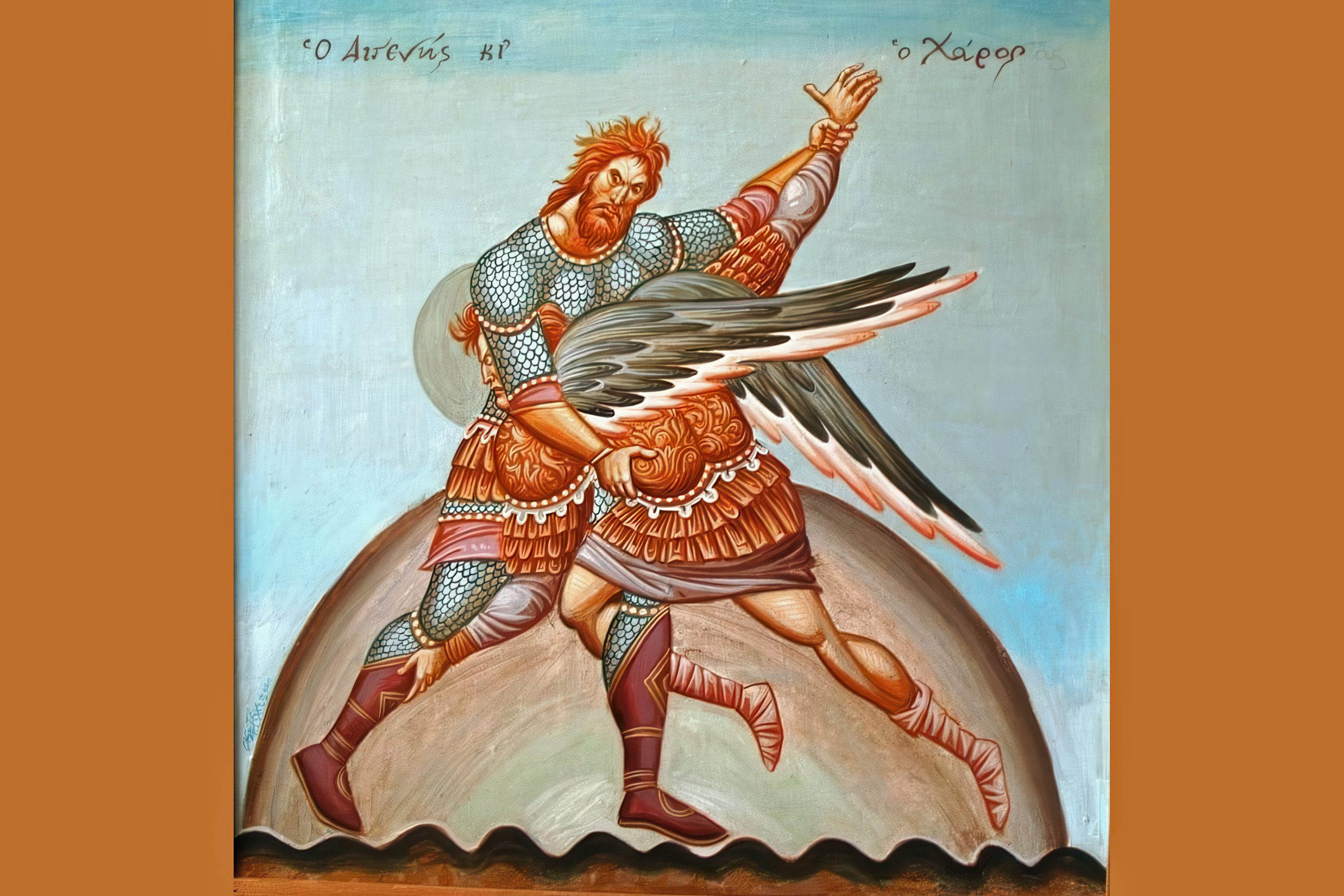
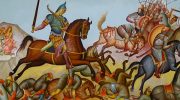
The epic of Digenis Akritas, the Byzantine hero, includes a dragon-slaying episode. According to the poem, Digenis defeated a dragon that terrorized the countryside. This story reinforced the archetype of the heroic dragon-slayer and connected the Cypriot landscape to epic struggles between human courage and monstrous threats. Later folklore built on these established patterns, placing dragons and serpents in caves, springs, and remote locations throughout the island.
The Natural Sites and Their Mythical Residents
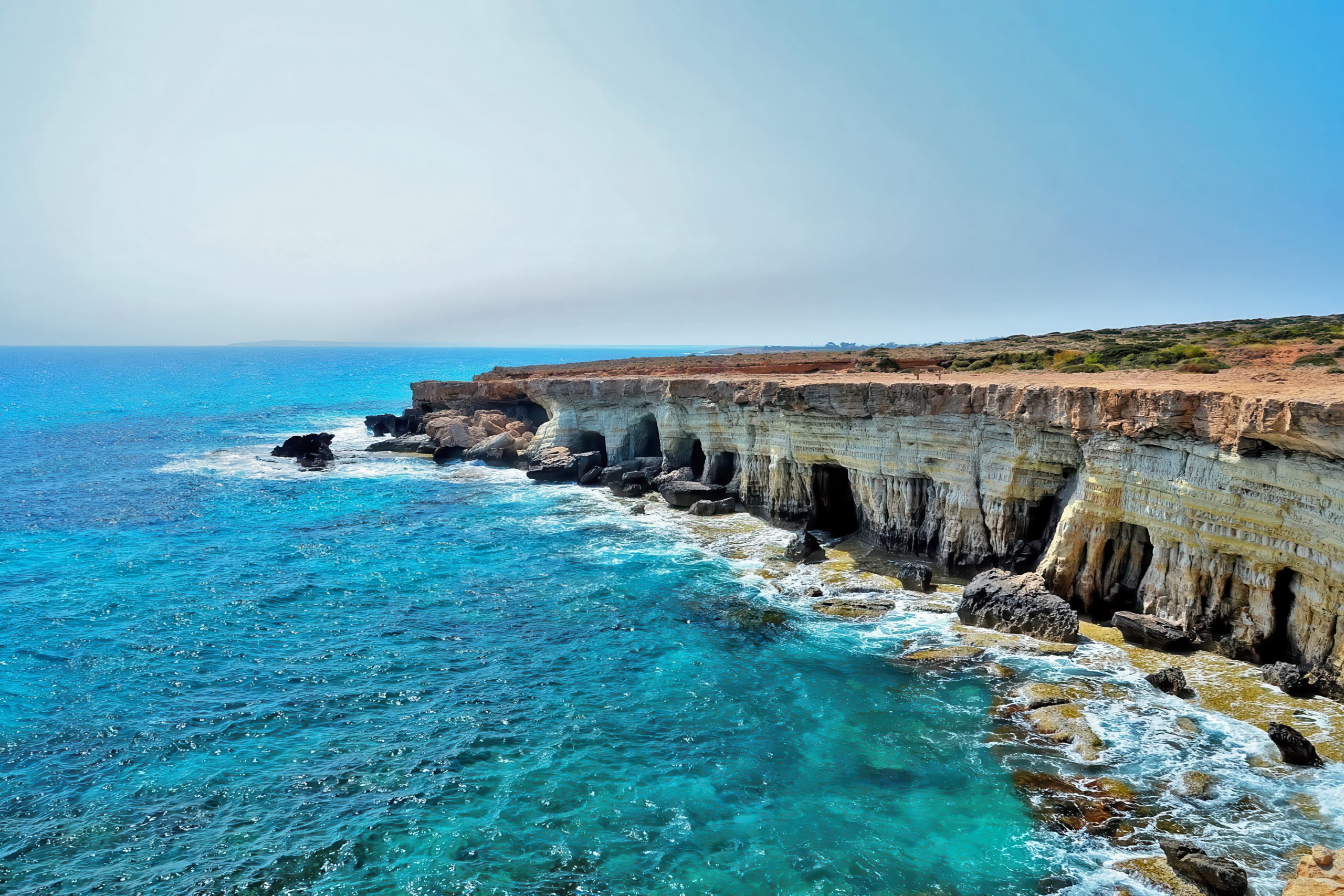
Cape Greco, a rocky headland near Ayia Napa, became the center of Cyprus’s most famous modern serpent legend. Local fishermen call the creature To Filiko Teras, which translates to the Friendly Monster. Sightings have been reported since at least the mid-20th century, with the creature described as resembling either a giant crocodile or a sea serpent. The monster supposedly drags away fishing nets but has never harmed anyone, earning its friendly reputation.
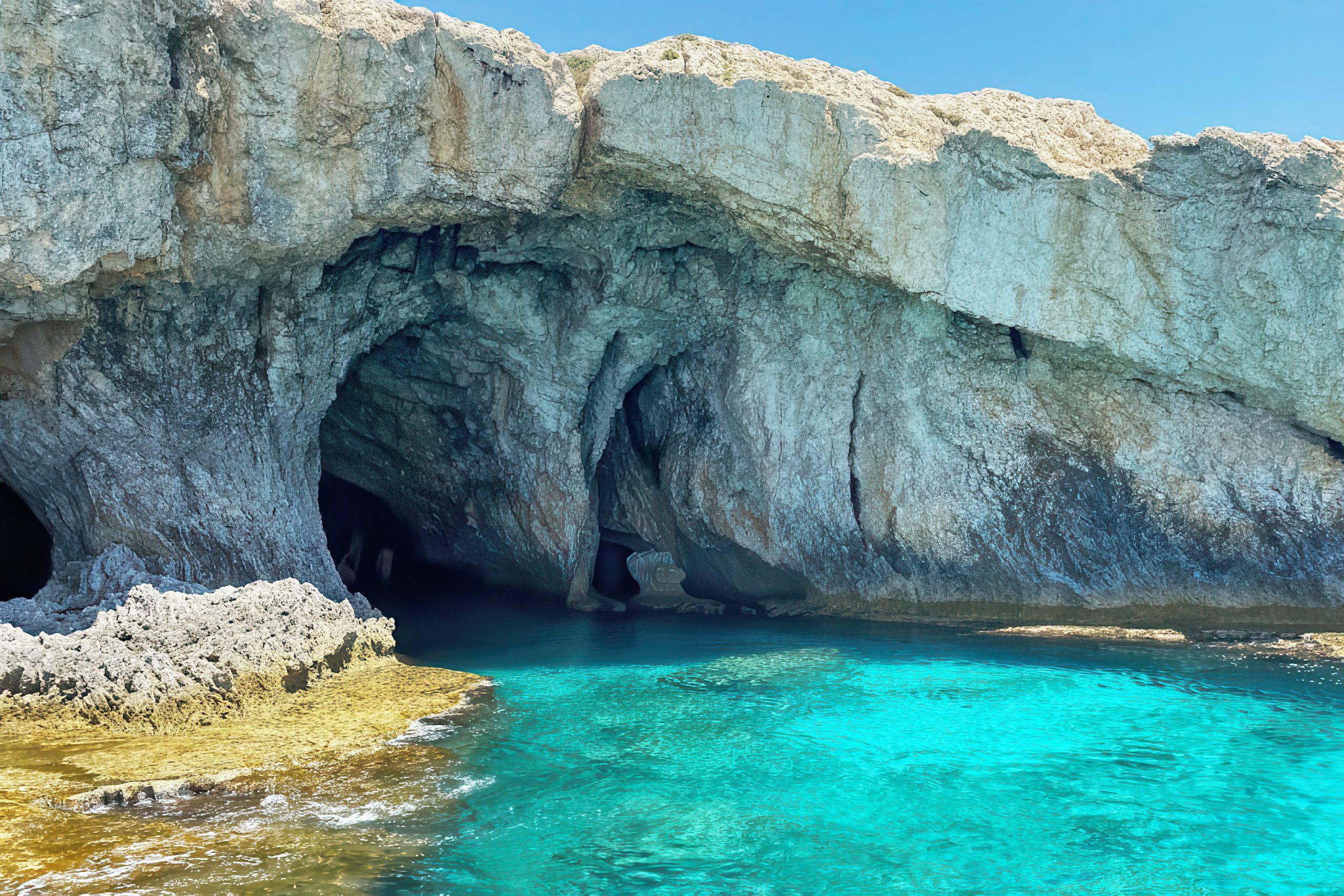
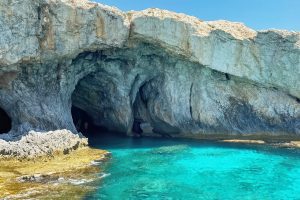
The cape features numerous sea caves carved by waves over millennia. These dark chambers with their echoing sounds and mysterious depths provide perfect settings for monster stories. The Cyclops Cave at Cape Greco adds another layer of mythology to the location. Local legend connects it to the one-eyed giants from Greek mythology, though the cave’s name likely derives from the massive rock formations that resemble giant features.
Some newspapers dubbed the Cape Greco creature the Cyprus Loch Ness, drawing comparisons to Scotland’s famous monster. Government officials reportedly launched searches for evidence of the creature’s existence. Tour boat operators capitalize on the legend by offering trips to monster-spotting locations. Whether the sightings represent misidentified marine life, optical illusions, or pure imagination, the legend has become firmly established in local culture.
The Baths of Aphrodite near Latchi feature a natural grotto surrounded by lush vegetation. According to myth, the goddess bathed in this freshwater spring and met her lover Adonis here. While not directly connected to dragon legends, the site demonstrates how natural springs became associated with divine or supernatural presences. The cool water emerging from rock, the shade of an ancient fig tree, and the secluded location create an atmosphere where mythology feels tangible.
Avakas Gorge, a dramatic limestone canyon carved by the Avgas River, stretches for about three kilometers with cliffs reaching 30 meters high. The narrow passages, towering walls, and echoing sounds make it easy to imagine dragons or other creatures lurking in its depths. Local traditions speak of treasures hidden in caves along the gorge, guarded by spirits or magical creatures. These stories follow the common pattern of supernatural guardians protecting wealth in remote natural locations.
The Troodos Mountains contain numerous caves and springs that feature in folklore. Legends tell of underground chambers filled with riches, opening only once every hundred years and accessible only to chosen individuals. These caves were said to be guarded by spirits, ancient gods, or magical creatures. The stories served practical purposes beyond entertainment, warning people away from dangerous cave systems while explaining mysterious geological features.
The Cultural Functions of Monster Stories
Dragon and serpent myths served multiple purposes beyond entertainment. They explained natural phenomena that ancient people could not understand scientifically. Strange sounds from caves, unusual rock formations, mysterious disappearances of livestock, and rare sightings of large marine animals all received supernatural explanations through monster stories.
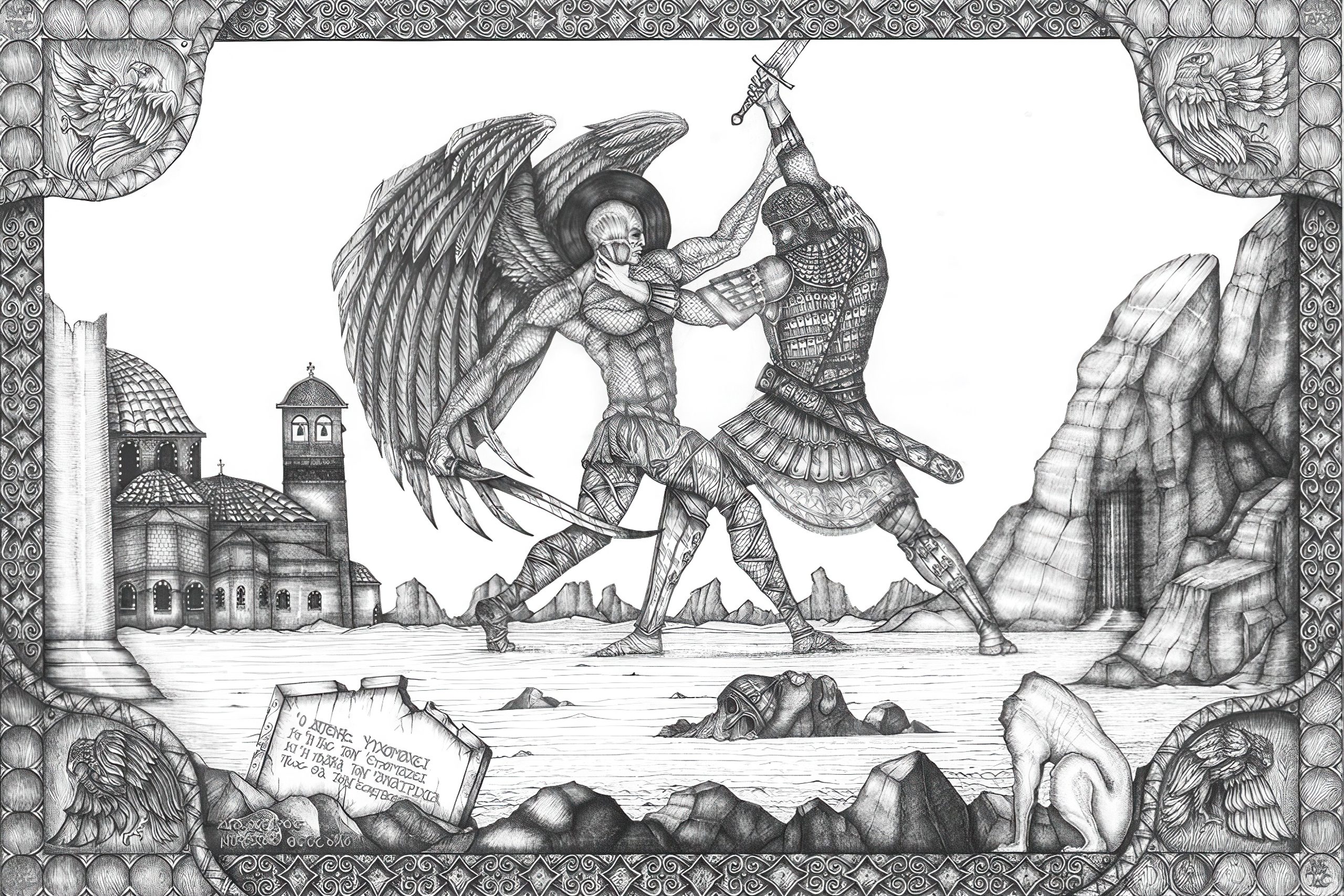
The tales established boundaries and warned about dangers. Children learned to avoid deep caves, strong currents, and isolated locations through stories of creatures lurking there. Adults understood these warnings applied to real hazards like rockfalls, drowning, and getting lost in cave systems. The supernatural elements made the warnings memorable and effective.
Monster guardians of treasure reflected cultural attitudes about wealth and proper behavior. The heroes who successfully obtained treasures in folklore typically demonstrated courage, purity of heart, or divine favor. Those who failed were often greedy, dishonest, or disrespectful toward sacred places. The stories taught moral lessons about character and consequences.
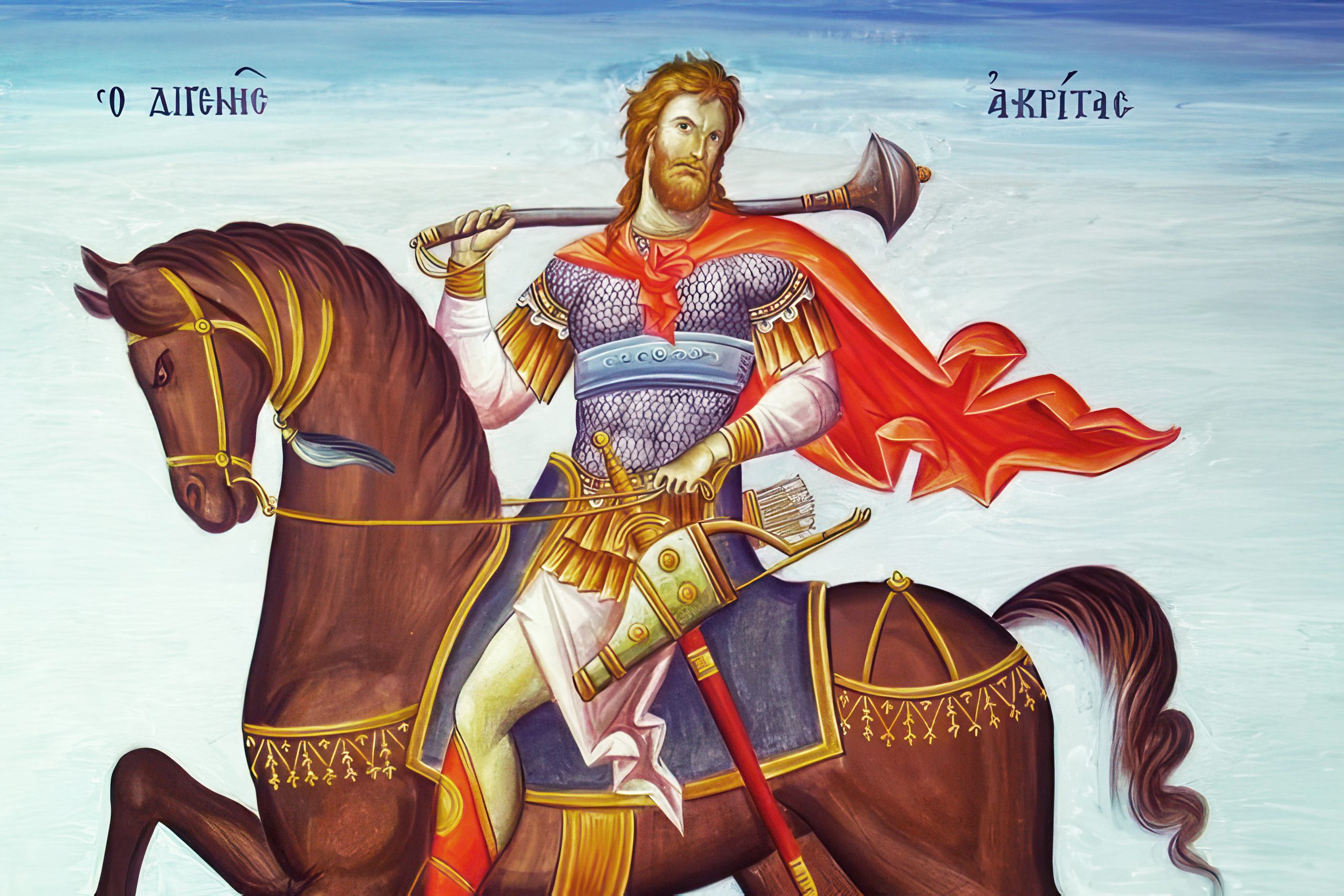
Dragon-slaying stories, like the Digenis Akritas episode, provided models of heroic virtue. The hero who defeats a dragon demonstrates courage, strength, and divine favor. These stories inspired people facing real challenges and provided cultural heroes who embodied valued qualities. The dragon became a symbol of chaos or evil that civilization must overcome.
Modern Perspectives on Ancient Legends
The Ayia Napa sea monster demonstrates how traditional beliefs adapt to modern contexts. Sightings continue to be reported, though photographic evidence remains elusive. The creature has appeared in television programs about cryptids and mysterious phenomena. Tour operators offer monster-spotting excursions that combine natural beauty with the thrill of legendary creature hunting.
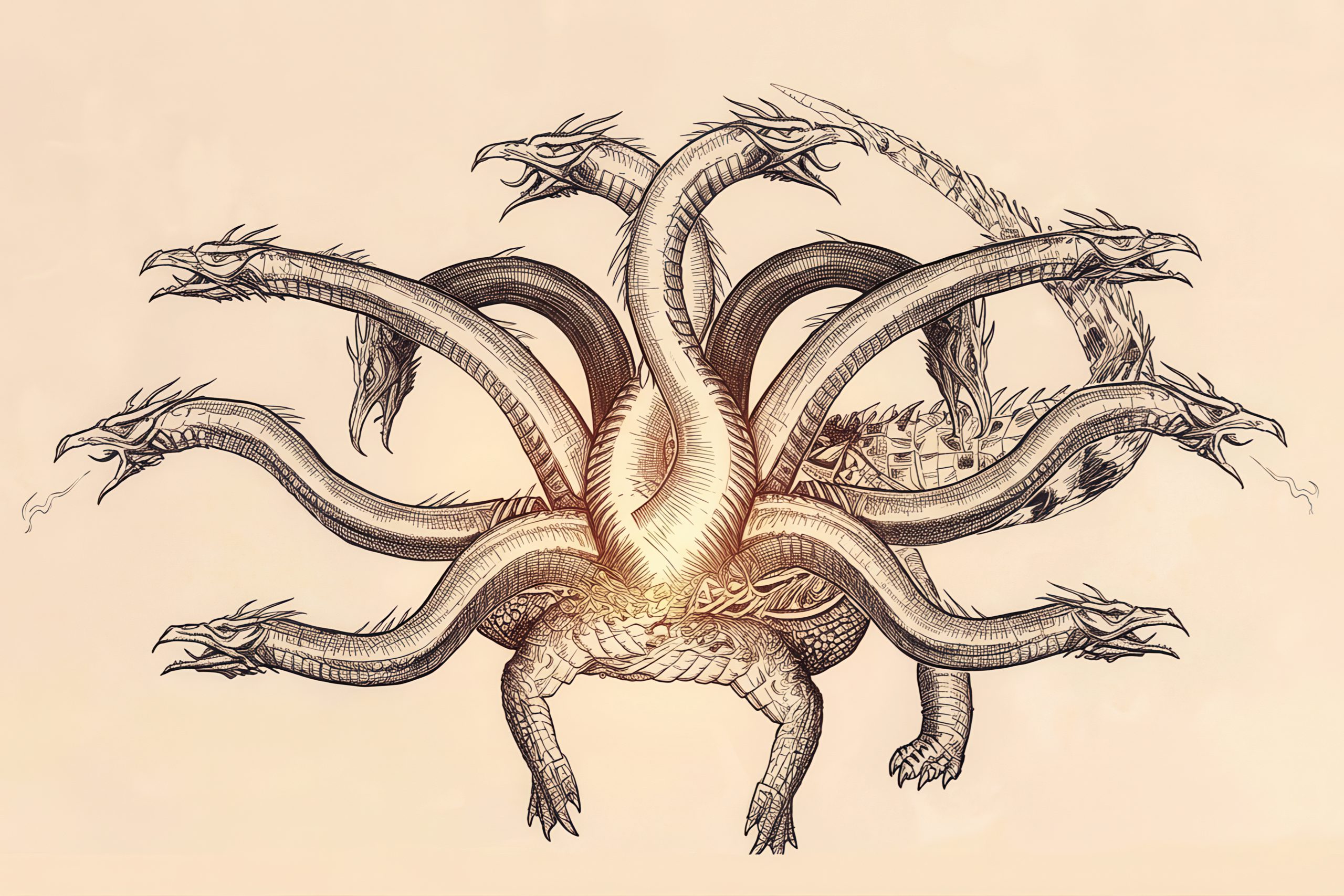
Some researchers suggest the sightings might represent large fish, dolphins, sea turtles, or other marine life seen under unusual conditions. Others propose that debris, waves, or optical effects could explain the reports. The lack of concrete evidence has not diminished local interest in the legend, which has become part of Cape Greco’s identity and tourist appeal.
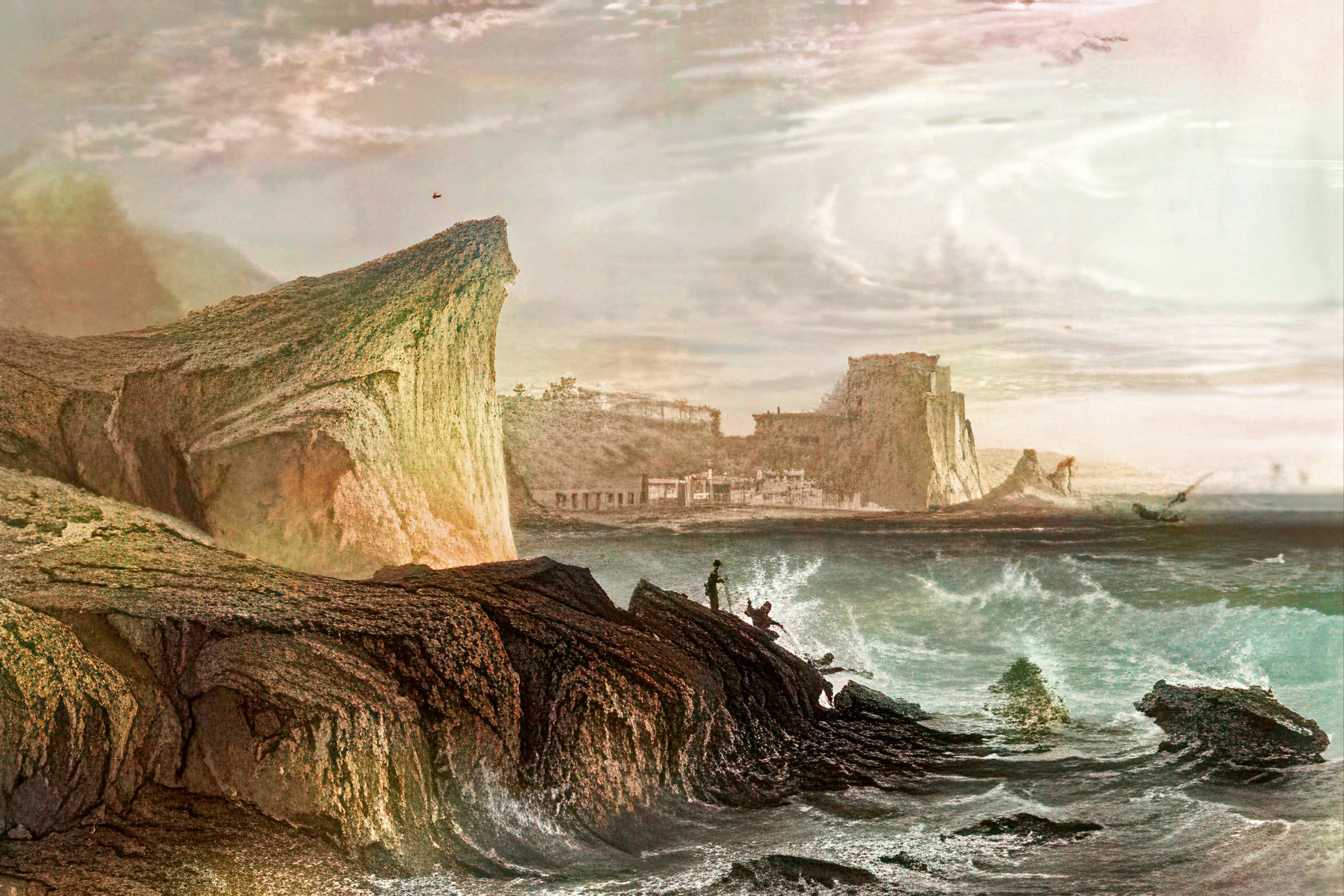
Academic interest in folklore treats these legends as valuable cultural artifacts rather than literal truth claims. Scholars study how communities create and transmit supernatural stories, what purposes they serve, and how they reflect cultural values and anxieties. The dragon and serpent myths of Cyprus provide insights into how people understood their environment and organized social knowledge.
Tourism based on mythology and folklore supports local economies while maintaining cultural traditions. Visitors who come to see legendary sites learn about Cypriot history, mythology, and natural features. The economic value of legends provides incentive to preserve both the stories and the landscapes that inspired them.
Experiencing the Legendary Landscapes
Visitors can explore many of the caves and natural sites associated with dragon and serpent myths. Cape Greco offers hiking trails along dramatic cliffs with views of sea caves below. Boat tours provide access to coastal caves from the water, allowing visitors to see formations that inspired monster stories. The national park includes information about local legends alongside natural history.
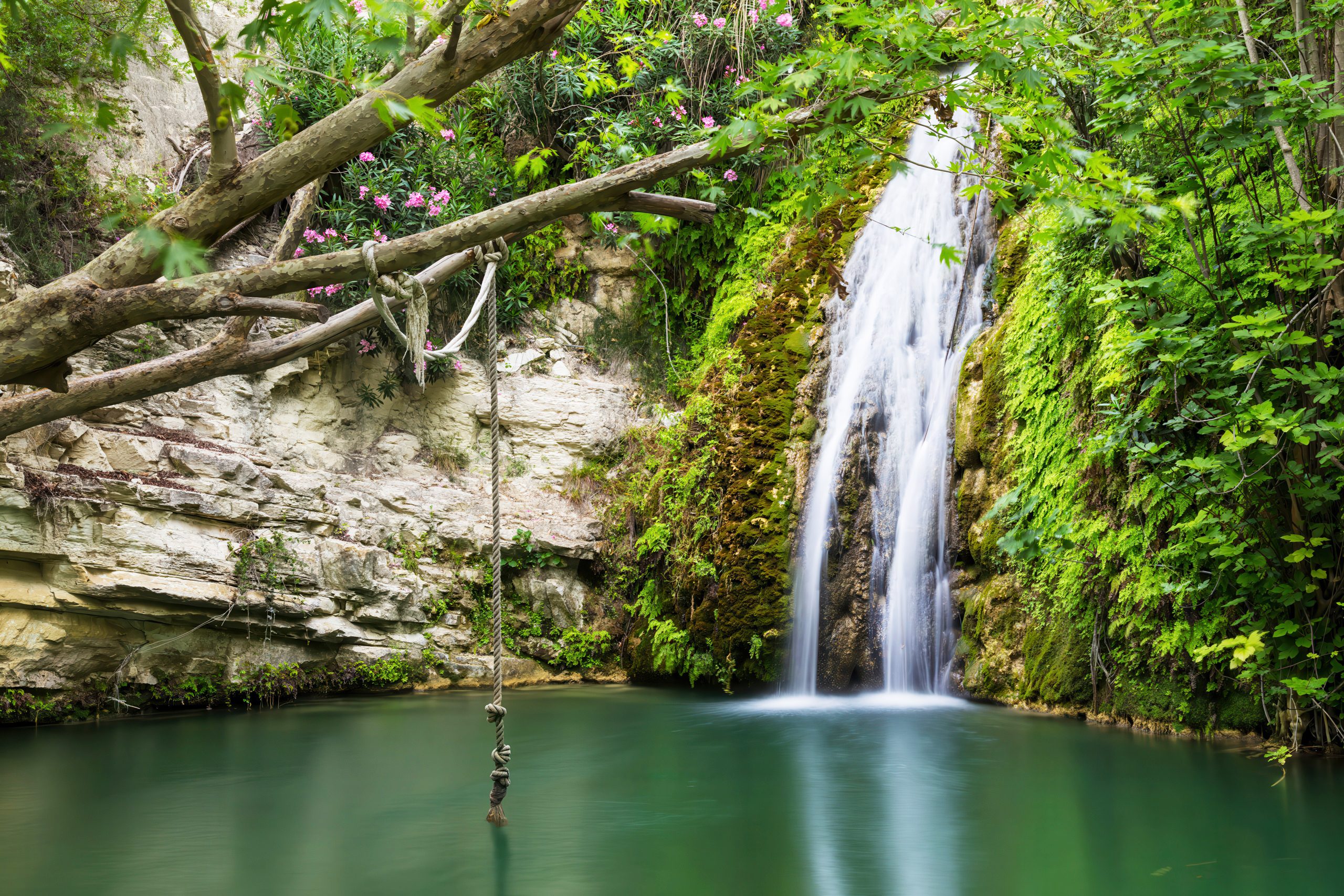
The Baths of Aphrodite attract visitors interested in mythology and natural beauty. The spring emerging from rock creates a small pool shaded by vegetation. Information displays explain the mythological connections and the geological processes that created the spring. The site serves as the starting point for hiking trails through the Akamas Peninsula.
Avakas Gorge welcomes hikers who can walk through the narrow canyon and see the towering limestone walls. The trail follows the riverbed, sometimes requiring rock-hopping across water. The dramatic geology and isolated atmosphere make it easy to understand how such places inspired supernatural stories. The gorge hosts rare plant species including the Centaurea akamantis flower.
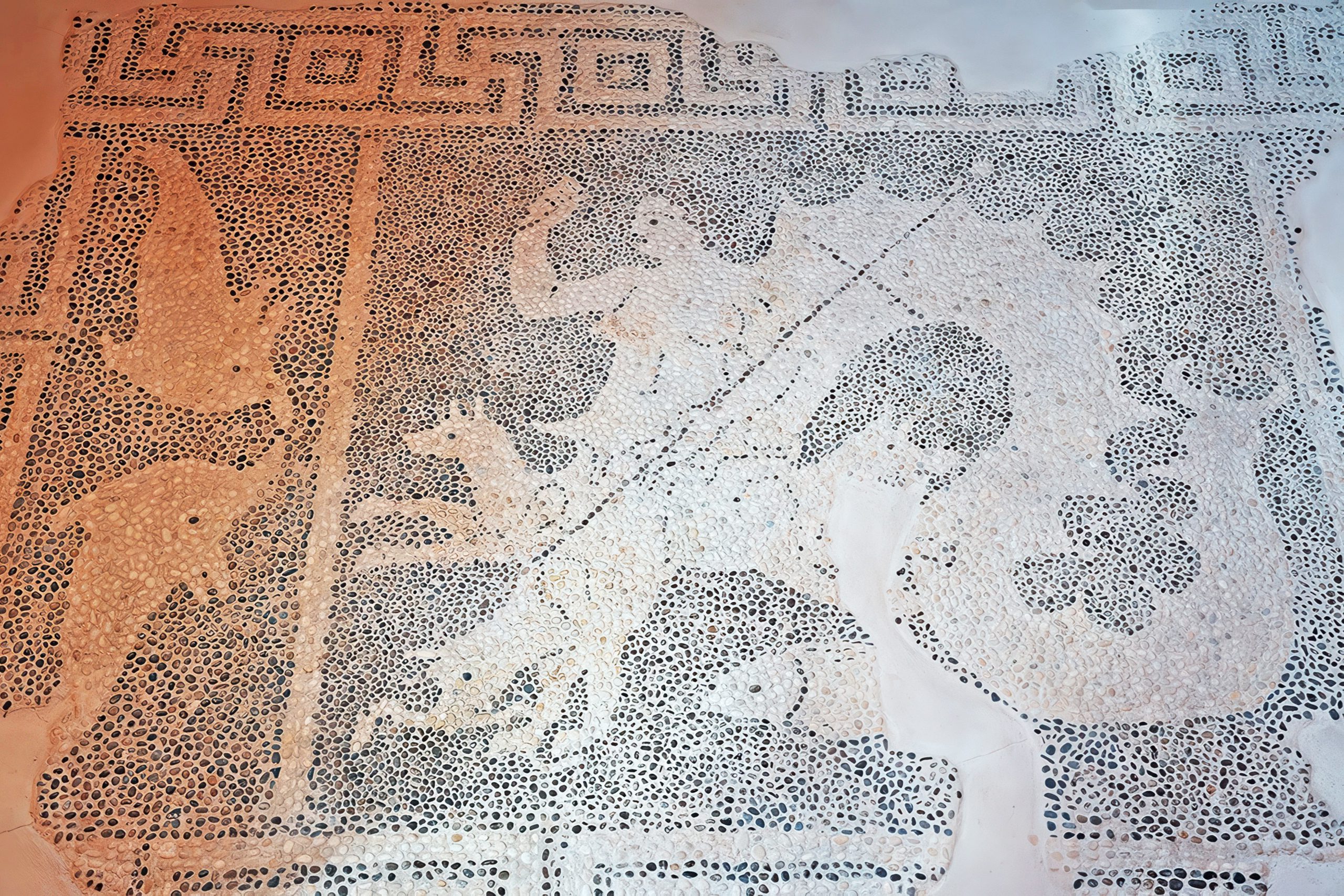
The House of Dionysus in Paphos displays the Scylla mosaic that depicts the serpent-bodied monster from Greek mythology. This Roman villa from the 2nd century AD contains extensive floor mosaics showing mythological scenes. Visitors can see how ancient artists visualized the creatures that later influenced local folklore.
Local festivals and cultural events sometimes incorporate dragon and serpent imagery from traditional stories. These celebrations maintain connections to folklore while adapting them for contemporary audiences. Traditional music, storytelling performances, and artistic representations keep the legends alive in active cultural practice.
The Living Tradition of Mythical Places
The dragon and serpent legends of Cyprus continue to evolve while maintaining connections to ancient patterns. New sightings of the Ayia Napa monster add to a tradition stretching back decades or possibly centuries. The stories adapt to modern contexts through social media, tourism marketing, and popular culture while retaining core elements that make them recognizably part of Cypriot folklore.
These legends demonstrate how communities create meaning through stories about their landscape. A cave is not just a geological feature but a place where treasure might be hidden, where heroes fought monsters, or where supernatural beings dwell. Springs are not merely water sources but sacred sites associated with gods, goddesses, or protective spirits. The myths transform the physical environment into a landscape of meaning and memory.
The persistence of these stories across generations shows their cultural value beyond simple belief or disbelief. Whether anyone literally believes in the Ayia Napa monster matters less than the fact that the story enriches the cultural identity of the region. The legends provide topics for conversation, shared experiences for tourists, and connections between present-day Cyprus and its mythological past.