Cyprus holds a remarkable place in wine history that few other regions can match. This Mediterranean island has been producing wine for nearly 6,000 years, with archaeological evidence placing its first vintages around 3500 BC.
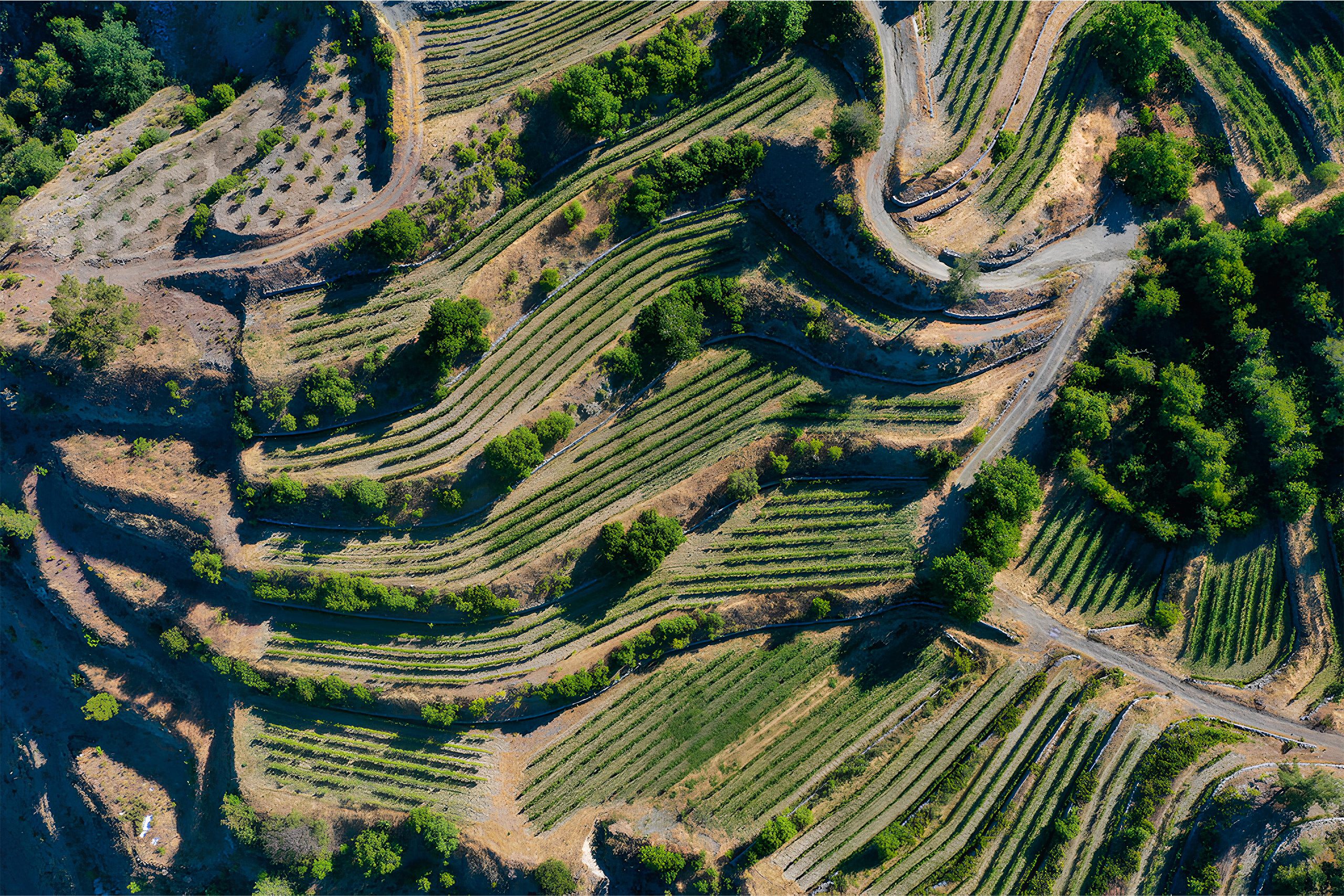
Today, Cyprus stands at an exciting crossroads where ancient traditions meet modern innovation, creating wines that honor the past while embracing the future.
Historical Context
In 2005, archaeologists made a discovery that changed our understanding of wine history. They analyzed pottery fragments found in the village of Erimi during the 1930s and confirmed these Chalcolithic wine jars dated back 5,500 years. The containers showed traces of tartaric acid, a key component of wine, proving that Cyprus produced the Mediterranean’s first wines, predating Greek and Italian vintages by centuries.
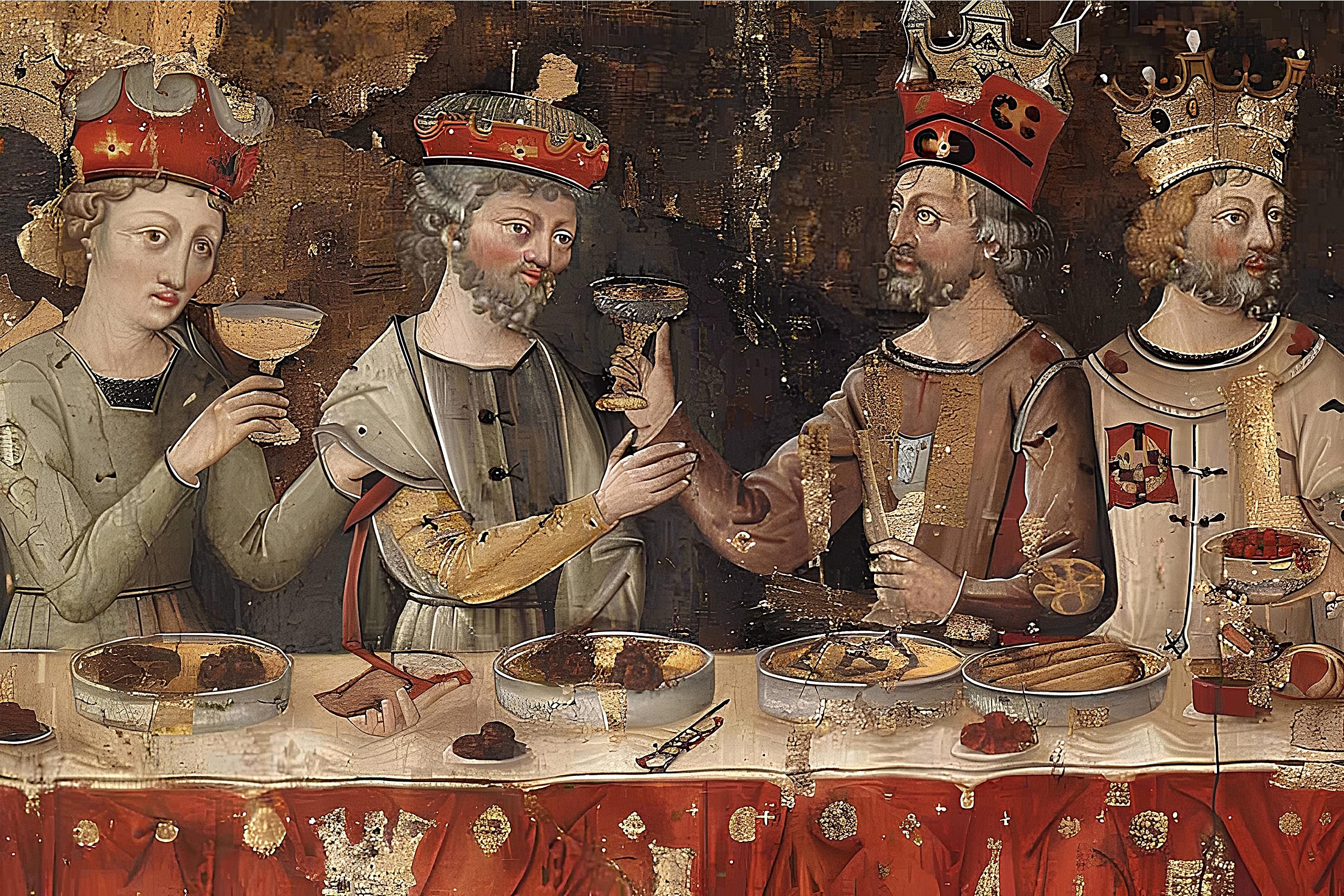
The ancient Greeks celebrated Cyprus wine at festivals honoring Aphrodite, the goddess of love and beauty. This sweet dessert wine, known as “Cypriot Nama,” was documented as early as 800 BC by the Greek poet Hesiod. During the Byzantine period, this same wine became part of Christian holy communion rituals, showing how deeply wine was woven into the island’s cultural and spiritual life.
Commandaria: The King of Wines
No discussion of Cyprus wine is complete without Commandaria, recognized as the world’s oldest named wine still in production. The wine earned its current name during the Crusades in the 12th century when the Knights Templar established their headquarters at Kolossi Castle. They created a feudal estate called “La Grande Commanderie” in the Limassol region, producing and exporting this sweet wine throughout Europe.
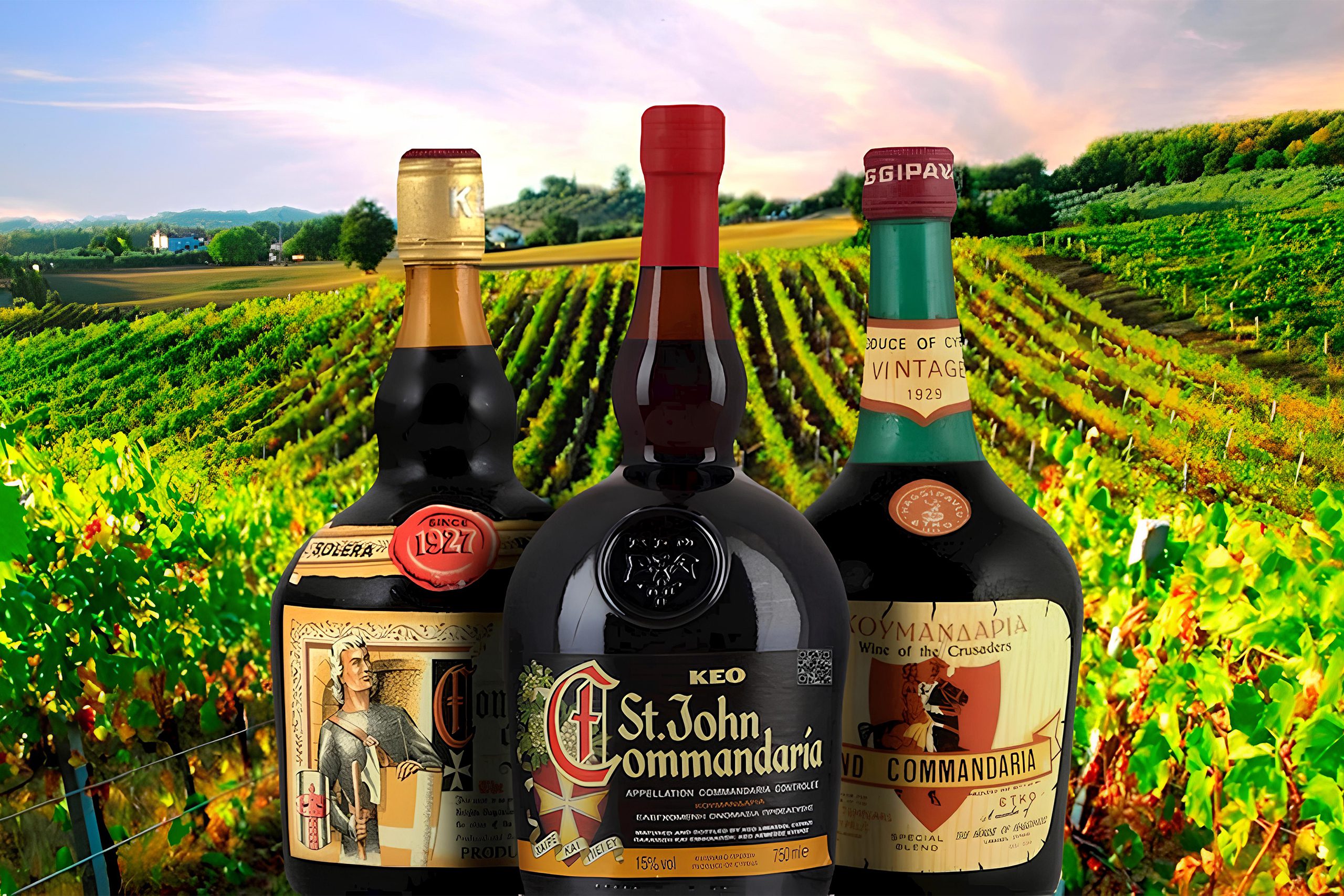
King Richard the Lionheart famously called Commandaria “the wine of kings and the king of wines” after celebrating his wedding in Cyprus in 1192. The wine’s reputation reached new heights in 1224 when French King Philip Augustus held what is believed to be the first international wine competition. Commandaria won, with the monarch declaring it “the Apostle of wines.”
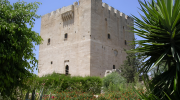
Commandaria is made from sun-dried grapes of two indigenous varieties, Xynisteri and Mavro. After harvest, the grapes are laid out in the sun for 7 to 10 days to concentrate their sugars through evaporation.

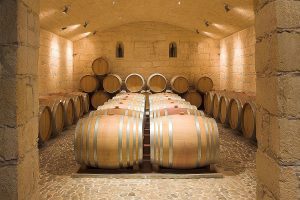
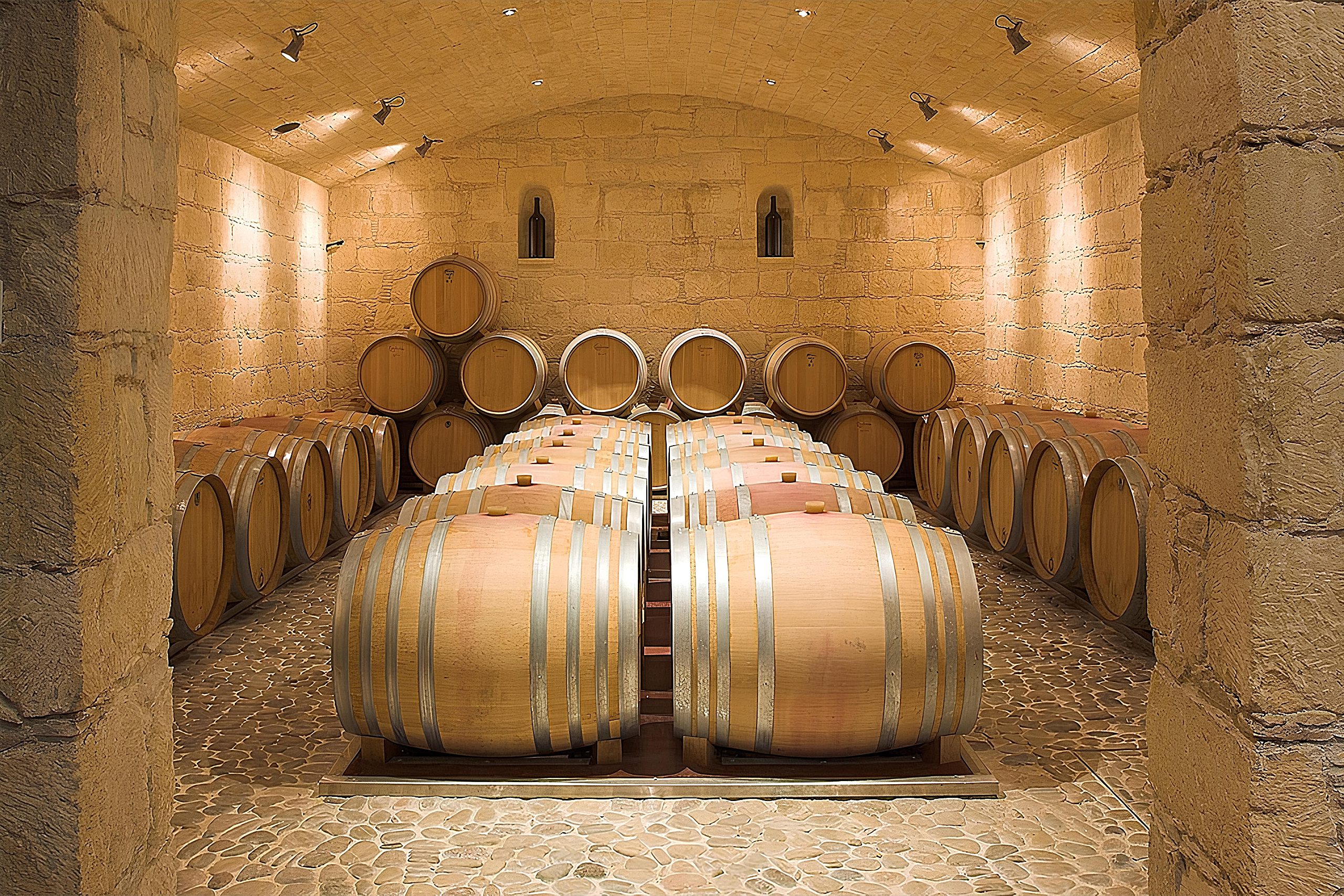
The must weight reaches 19 to 23 degrees Baumé before fermentation, which naturally arrests around 15 percent alcohol due to the high sugar levels. By law, Commandaria must age for at least two years in oak barrels and can only be produced in 14 designated villages in the Troodos Mountains.
Indigenous Grapes Adapted to Cyprus Climate
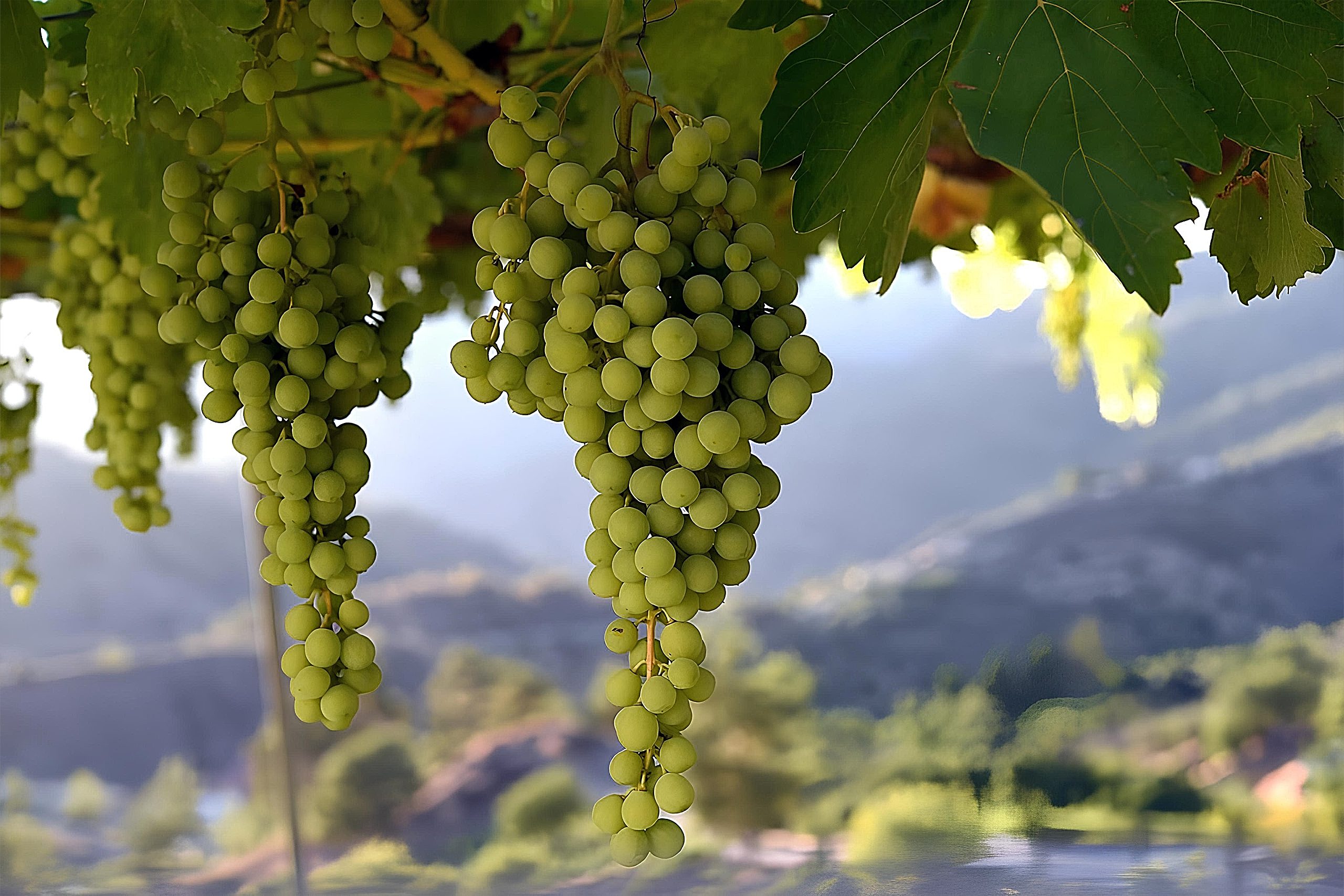
Cyprus boasts more than 10 indigenous grape varieties that have evolved over millennia to thrive in hot, dry conditions. Recent research comparing these local grapes to international varieties like Shiraz and Sauvignon Blanc found that Cypriot varieties tolerate drought better and perform well without irrigation.
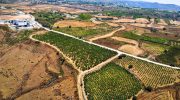
Xynisteri, the most widespread white variety, accounts for roughly 28 percent of Cyprus vineyards. The name translates to “low acidity,” which accurately describes wines that are fresh and light with 11 to 12 percent alcohol. Xynisteri produces aromas of apple, stone fruit, citrus, and floral notes. The grape thrives in limestone soil and can grow in the hottest, driest areas of Cyprus, often trained in the traditional goblet style.
Maratheftiko represents the Cyprus premium red grape variety. This rare indigenous grape was nearly lost to history but was rediscovered 35 years ago. The variety faces a unique agricultural challenge because its male parts are underdeveloped, making self-pollination difficult. Winemakers solve this by interplanting Maratheftiko with Spourtiko and Xynisteri, which flower at the same time and aid pollination. Despite representing only seven percent of cultivated vineyards, Maratheftiko has become extremely popular among winemakers and enthusiasts for its rich, aromatic wines with soft tannins and flavors of red and black cherry.
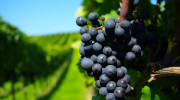
Mavro, which translates to “black” in Greek, is the most planted grape in Cyprus, covering 79 percent of the total production area. This dark red variety produces simple table wines and serves as one of the two grapes used in Commandaria production.
The Phylloxera Advantage
Cyprus wine industry received an unexpected boost in the late 19th century when the phylloxera epidemic devastated European vineyards. This aphid-like pest destroyed the majority of wine-producing vines across mainland Europe, but Cyprus remained unaffected thanks to its island location and strict quarantine controls. Demand for Cyprus grapes and wines surged, creating a mini boom for the industry.
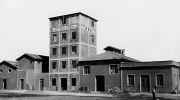
Four major companies, known as “the big four,” were established during this period. ETKO organized the first industrial winery in 1844, followed by KEO, SODAP, and LOEL in 1943. These companies dominated Cyprus wine production for decades, primarily producing inexpensive bulk wine and spirits for export to the Soviet Union and Cyprus sherry for the United Kingdom.
The Modern Wine Renaissance
The Cyprus wine industry experienced a dramatic transformation starting in the 1980s. After Cyprus lost its export markets when the Soviet Union collapsed and Spain successfully claimed exclusive rights to the sherry name, the industry faced a crossroads. The government responded with incentives for small wineries and introduced proven international varieties like Cabernet Sauvignon, Semillon, and Shiraz.
Today, Cyprus has over 60 wineries, with 90 percent being small, family-owned operations. This new generation of winemakers focuses on indigenous grape varieties while incorporating modern techniques. Boutique wineries like Zambartas, Tsiakkas, Vlassides, and Fikardos have won international awards by combining traditional knowledge with contemporary viticulture.
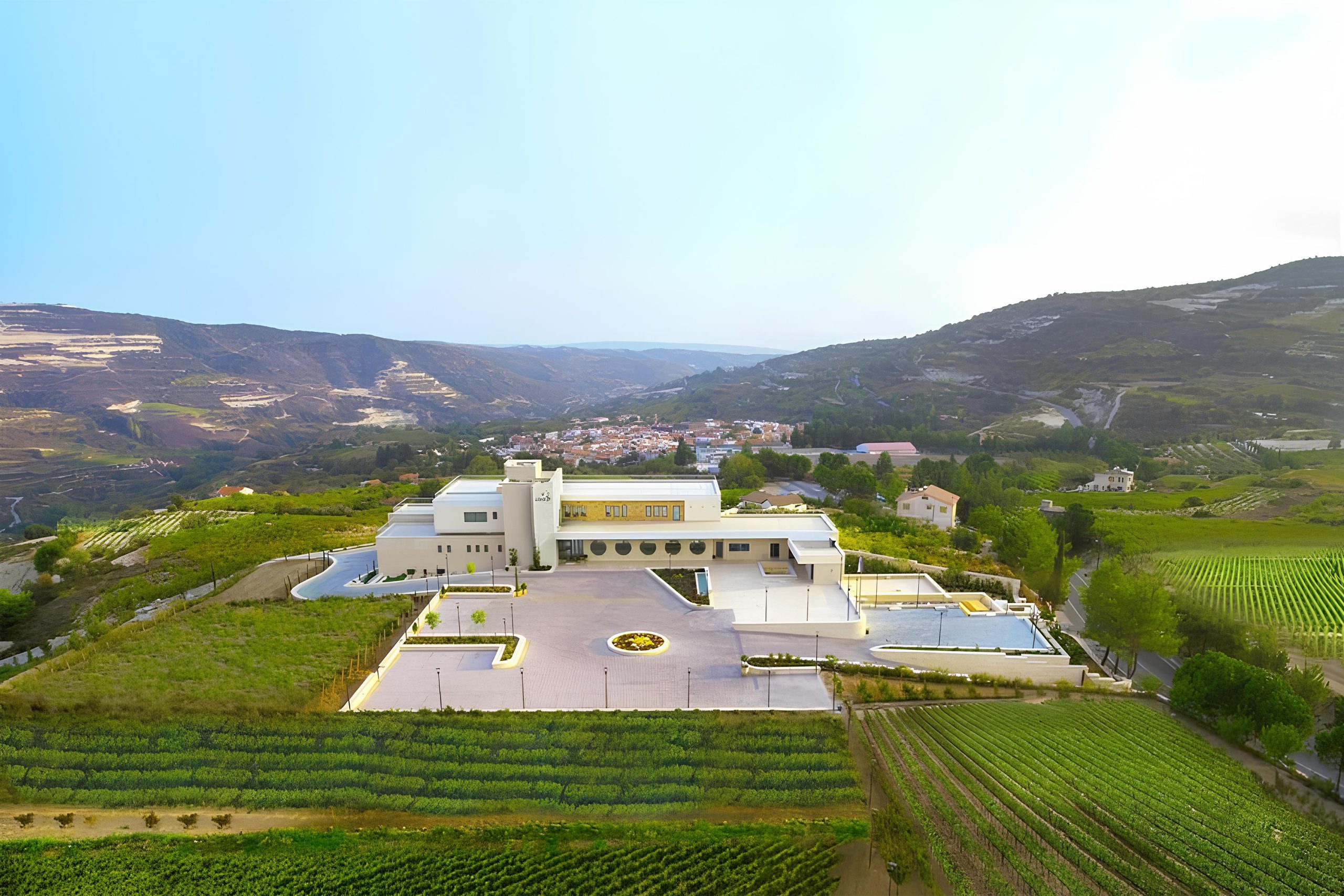
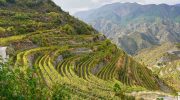
Modern Cyprus wineries benefit from technological advances that preserve the delicate characteristics of island grapes. Night picking, overnight refrigeration, and cool fermentation in stainless steel have become standard practices. Winemakers have also discovered that higher elevation vineyards, some reaching 1,535 meters, produce wines with better natural acidity and finer textures thanks to 20-degree diurnal temperature drops.
Several wineries have adopted sustainable practices, including solar power for operations and organic vineyard management. The Cyprus government introduced a Protected Designation of Origin system in 2007, similar to other European countries, to regulate quality standards and protect traditional production methods.
Wine Routes and Tourism
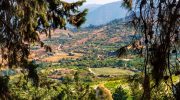
Cyprus has developed seven official wine routes that showcase its winemaking heritage. Three of these routes are located in the Paphos region, leading visitors through picturesque villages with panoramic mountain views. The routes connect traditional wineries, museums, cultural sites, and tavernas, making them accessible for both self-guided exploration and organized tours.
Visitors can tour facilities that blend ancient and modern equipment, as some techniques from millennia ago remain part of current production processes. Wine tastings often take place on sun-soaked terraces with spectacular views of the Troodos Mountains or coastal areas, creating memorable experiences that combine excellent wine with stunning scenery.
Looking Forward
Cyprus wine industry demonstrates how ancient traditions can adapt to modern demands without losing their essential character. The island’s unique terroir, with its limestone-rich soils, abundant sunshine, and indigenous grape varieties, produces wines with distinctive Mediterranean character. Consumer studies have shown that wines made from Cypriot varieties are equally acceptable to international consumers as those made from traditional European varieties.
As climate change places pressure on wine regions worldwide, Cyprus indigenous grapes are attracting global attention. These varieties have evolved over thousands of years to tolerate hot, dry conditions, making them valuable for wine regions facing hotter climates and water scarcity. The success of Cypriot wines proves that ancient wisdom and modern science can work together to create something truly special.