Traditional Cyprus villages relied on specialized structures beyond the main living quarters to support agricultural life and craft production. In the house there was always a utility room called jellari, where vegetables, flour, oil, wine, olives and other products were stored, and tools of labor were also put here, including plows, shovels, and axes. Very often the utility room was combined with a barn for animals.

These functional spaces formed integral parts of village architecture, enabling families to process crops, shelter livestock, produce handicrafts, and store the harvest that sustained them through seasons. The workshops where potters shaped clay, olive mills where villagers pressed oil, and carpenters crafted furniture all operated as community resources that defined village economic and social character.
The Jellari and Animal Barns
The jellari served as the household’s storage center and often occupied ground floor rooms in two-story houses. The thick stone walls provided cool, dark conditions ideal for preserving food through Cyprus’s hot summers. Families stored grain in large earthenware jars called pitharia, olive oil in smaller vessels, wine in wooden barrels or clay amphorae, and dried fruits and vegetables hung from ceiling beams. The jellari’s temperature remained
stable year-round, preventing spoilage and insect damage.
Animal barns occupied spaces adjacent to or integrated with the jellari. If the house had two floors, then domestic animals could live on the ground floor with people on the first. The service part includes kitchen, storage, and combined washing areas. Animal barns are also placed in this area, creating compact functional zones. Turkish-Cypriot rural households often maintained animal barns in their courtyards, though Greek Cypriot cultural norms generally did not allow chickens or rabbits in courtyard spaces, viewing this as intrusion of nature into domestic territory.
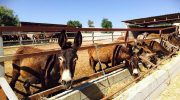
Donkeys, mules, goats, sheep, and chickens required shelter from weather and protection from predators. The barn sections featured stone mangers for feeding, tethering posts, and drainage channels to manage waste. Families cleaned barns daily, using animal manure to fertilize gardens and fields. The proximity of animals to living spaces meant constant interaction, with children learning animal husbandry through daily participation in feeding and care routines.
Village Olive Mills and Processing
Olive mills represented major community investments where multiple families brought harvests for pressing. The Platanistasa Olive Mill displays the process needed from the collection of the olives until the production of olive oil. From the end of October until the end of February, villagers would go to fields to collect olives through the practice called louvima.
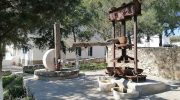
The mills featured large circular stone troughs with heavy round millstones, usually made of limestone. Olives were poured into the round olive mill and the large, heavy millstone was then turned repeatedly over the olives, crushing the skins and grinding up the olives into a rough, coarse state. Right away, an oily substance started to exude from the crushed skins. Even children participated in the grinding process.
Once grinding was complete, the crushed olives were loaded into circular containers known as zymbilia made of woven hemp. These containers had many porous holes across their woven surface which allowed the oil to ooze out during the pressing stage. The zymbilia were stacked and pressed, with the liquid material coming out through gaps referred to as leromeno ladi, or “dirty oil,” because it contained lots of solid debris from skins and crushed pits.
A final process involved placing the dirty oil in a container and extracting the pure or clean oil by mixing it with water, which would force the unwanted detritus to the bottom. The handheld system which the oil producers used to take the oil often remained in excellent condition. The press, the grinder, and the mill stones along with other tools now form small folk art museums in villages like Agros, Agridia, and Platanistasa.
Pottery Workshops and Clay Processing
Pottery workshops concentrated in specific villages where suitable clay deposits existed. The potters and their art processed the clay in order to satisfy the needs of the people for storage, transportation, and maintenance of their products. Until the Turkish invasion in 1974, the island’s centers of pottery were the villages of Varosi, Lapythos, Kornos, and Fini. Nowadays pottery is confined mainly to Kornos and Fini.
The dirt in the areas of Fini was dug for centuries by villagers, who created pots on the spot before they transferred them to other areas. Workshops occupied dedicated buildings or sections of family compounds where potters worked year-round. The space required storage for clay, work areas with potter’s wheels, and kilns for firing finished pieces.
Potter’s wheels were powered by foot, with the craftsman kicking a large stone flywheel to maintain rotation while shaping clay. Skilled potters could produce dozens of identical vessels daily, their hands moving with practiced precision to form bowls, jugs, storage jars, and cooking pots. Apprentices learned through observation and gradually took on simpler tasks before mastering complex forms.
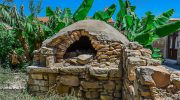
Kilns occupied separate structures away from main buildings due to fire risk. These beehive-shaped chambers were built from stone and clay, designed to reach and maintain high temperatures needed to harden pottery. Firing required constant attention, with potters feeding wood or brush into the fire while monitoring temperature through the clay’s color changes.
Workshops for Traditional Crafts
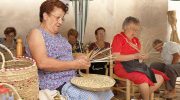
Basket-weaving workshops operated outdoors when weather permitted or under covered work areas. Weavers soaked reeds, rushes, and grasses to increase pliability, then wove them into baskets of various sizes and purposes. The villages of Ineia, Akrotiri, Xylotympou, and Avgorou became renowned for basket makers who produced items for cheese making, olive storage, and transporting farm goods.
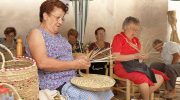
Lace-making workshops in Lefkara and Omodos specialized in the intricate needlework called Lefkaritika. Women gathered in homes or dedicated workspaces, their fingers moving rapidly to create geometric patterns in white thread on linen fabric. The concentration required meant lacemakers often worked in silence or accompanied by conversation about village affairs, creating social bonds while producing marketable goods.
Carpentry workshops produced furniture, agricultural implements, and building components. The famous Cypriot wooden chairs are made in the village of Fini, where chair making was a difficult occupation practiced by specialized craftsmen. Carpenters worked with local woods including olive, walnut, and pine, using hand tools to shape pieces joined without nails or screws through mortise and tenon joinery.
Silversmith workshops in villages like Lefkara created the delicate filigree work for which Cyprus became famous. The craft required small specialized tools, steady hands, and years of training to master the techniques of twisting and soldering thin silver wire into intricate patterns.
Community Spaces and Shared Resources
Many village workshops operated as community resources rather than private businesses. Olive mills, carob mills, and threshing floors belonged to the community or wealthy families who allowed access for fees or labor shares. This communal approach enabled small farmers to process crops they could not handle individually.
Wine presses occupied dedicated buildings where multiple families brought grape harvests. The traditional Cypriot wine press featured large stone or wooden basins where grapes were crushed by foot. The juice flowed into collection vessels, then into barrels for fermentation. Families often worked together during harvest season, turning wine production into social events with music and shared meals.
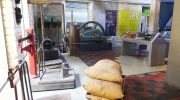
Carob mills processed the long dark pods into flour and syrup. The Carob Mill Museum in Limassol, built at the beginning of the 20th century, demonstrates the industrial-scale processing that developed as carobs became important export commodities. Village-level processing used smaller equipment but similar principles of grinding and extracting usable products.
Why These Structures Matter Today
Traditional barns and workshops represent more than old buildings. They embody the economic foundations that supported village life for generations. The jellari’s food storage enabled families to survive between harvests. The olive mills turned raw crops into marketable oil. The pottery workshops produced essential containers before plastic and metal alternatives existed.
These spaces also document craft knowledge transmitted across generations. The techniques used in olive pressing, pottery making, lace work, and carpentry represented accumulated wisdom refined over centuries. When workshops closed and craftspeople aged without successors, this knowledge faced extinction.
Many traditional workshops have been restored as museums and cultural centers. The Handicraft Centres in Nicosia and other cities provide spaces for practicing traditional crafts including basket weaving, pottery, lacemaking, and woodworking. Visitors can watch craftspeople demonstrate techniques and purchase authentic handmade items.
The restoration of traditional buildings including workshops and barns forms part of Cyprus’s agrotourism development. Villages convert old structures into guesthouses, restaurants, and cultural attractions that generate income while preserving architectural heritage. This adaptive reuse maintains village character while providing economic justification for conservation.
Workshop spaces that once produced necessities now create cultural experiences. Visitors participate in pottery classes, basket weaving workshops, and lacemaking demonstrations, learning abbreviated versions of traditional techniques. While these tourist workshops cannot replicate years of apprenticeship, they introduce traditional crafts to new audiences and create appreciation for the skills involved.