Explore Cyprus with Our Interactive Map

Explore our top stories and discover ideas worth your time.

Cyprus Workweek Structure and Professional Norms

Cyprus Workweek Structure and Professional Norms

The Cyprus workweek follows EU labor regulations with Mediterranean characteristics. Standard working hours range from 38 to 48 hours per week, with the legal maximum set at 48 hours including overtime. Full-time employment is legally defined as 40 hours per week, typically distributed as 8 hours per day across 5 working days.  Professional culture balances European business standards with relationship-focused traditions. The structure reflects both modern efficiency requirements and traditional values about work-life balance, family time, and personal connections. How Cyprus Developed Its Work Standards Colonial rule under the British from 1878 to 1960 helped establish the foundation for modern business systems and labor regulations. The British introduced standardized office hours, formal employment contracts, and structured business practices. After independence in 1960, Cyprus maintained these European frameworks while preserving Mediterranean social customs. EU entry in 2004 brought significant changes, opening new trade and investment opportunities. Cyprus adopted EU working time directives, which set clear limits on maximum hours and mandatory rest periods. According to EU directives, employees should not work more than 48 hours per week including overtime, averaged over a four-month period. This averaging system allows for seasonal variations while protecting worker health. The 2013 financial crisis affected employment patterns significantly. The middle class struggled under the economic climate, with unemployment becoming a serious problem. However, this period also…

Read more
Best Cyprus Cultural Sites for Photography

Best Cyprus Cultural Sites for Photography

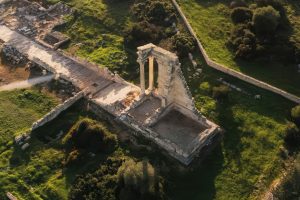
Cyprus holds a vast array of cultural sites that serve as perfect subjects for professional photography. These locations reflect thousands of years of human history and architectural evolution. Photographers find a wealth of visual material in the ancient stone structures and narrow streets. The island possesses a unique light that enhances the textures of historical masonry and marble. Each site offers a different perspective on the past through its ruins and preserved buildings. This guide provides a detailed look at the most significant cultural locations for high-quality imagery. A professional approach to these sites requires an understanding of their historical context and physical layout. Precise angles and careful timing lead to the best photographic results. This article explores seven key destinations that define the cultural landscape of the island today. 8 Best Cultural Sites for Photography If you’re planning a photography trip to Cyprus, prioritize sites like Famagusta Gate, the Kolossi Castle, and the Sanctuary of Apollo Hylates. These locations offer diverse backdrops, from coastal views to intricate medieval architecture. They’ll definitely ensure a rich portfolio that captures the island's layered cultural and historical narratives. 1. Famagusta Gate Nicosia Famagusta Gate stands as the most impressive entrance among the three original gates of the Venetian walls in Nicosia. The architecture features a large dome that allows natural light to enter…

Read more
Kantara Castle Cyprus

Kantara Castle Cyprus

Kantara Castle is a Byzantine and medieval fortress located in the eastern Kyrenia mountain range in the Turkish-occupied part of Cyprus. The name comes from the Arabic word “qantara,” meaning bridge or arch, though some sources translate it as observation point. The castle sits at the easternmost position of three famous mountain castles in Cyprus, with Buffavento Castle to the west and St. Hilarion Castle further west. The castle occupies a strategic position with views over both the northern coast and the Mesaoria Plain. On clear days, visitors can see the Karpasia Peninsula, Famagusta Bay, and distant mainland coasts. This commanding location made Kantara essential for Cyprus’s defense for nearly 500 years. Historical Background The exact construction date remains unknown, but most historians place the Byzantine construction around 965 AD after Arab raiders were pushed back from Cyprus. For centuries, coastal populations had faced repeated attacks, and mountain watchtowers were needed to spot approaching ships and warn inland settlements. Before the fortress existed, an Orthodox monastery dedicated to St. Mary of Kantara stood on the site. Defensive walls were gradually added, turning the religious complex into a military stronghold. This mix of sacred and defensive use was common during unstable periods. Kantara formed part of a signal network with the other Kyrenia mountain castles. Guards could see neighboring fortresses and…

Read more