Cyprus attracts thousands of foreign residents each year with its Mediterranean climate, safety, and reasonable living costs. The island offers three major cities that appeal to different lifestyles and budgets.
Choosing between Nicosia, Limassol, and Paphos depends on whether business opportunities, beaches, or affordability take priority. Each city provides distinct advantages that match specific needs and preferences.
Limassol Where Business Meets the Beach
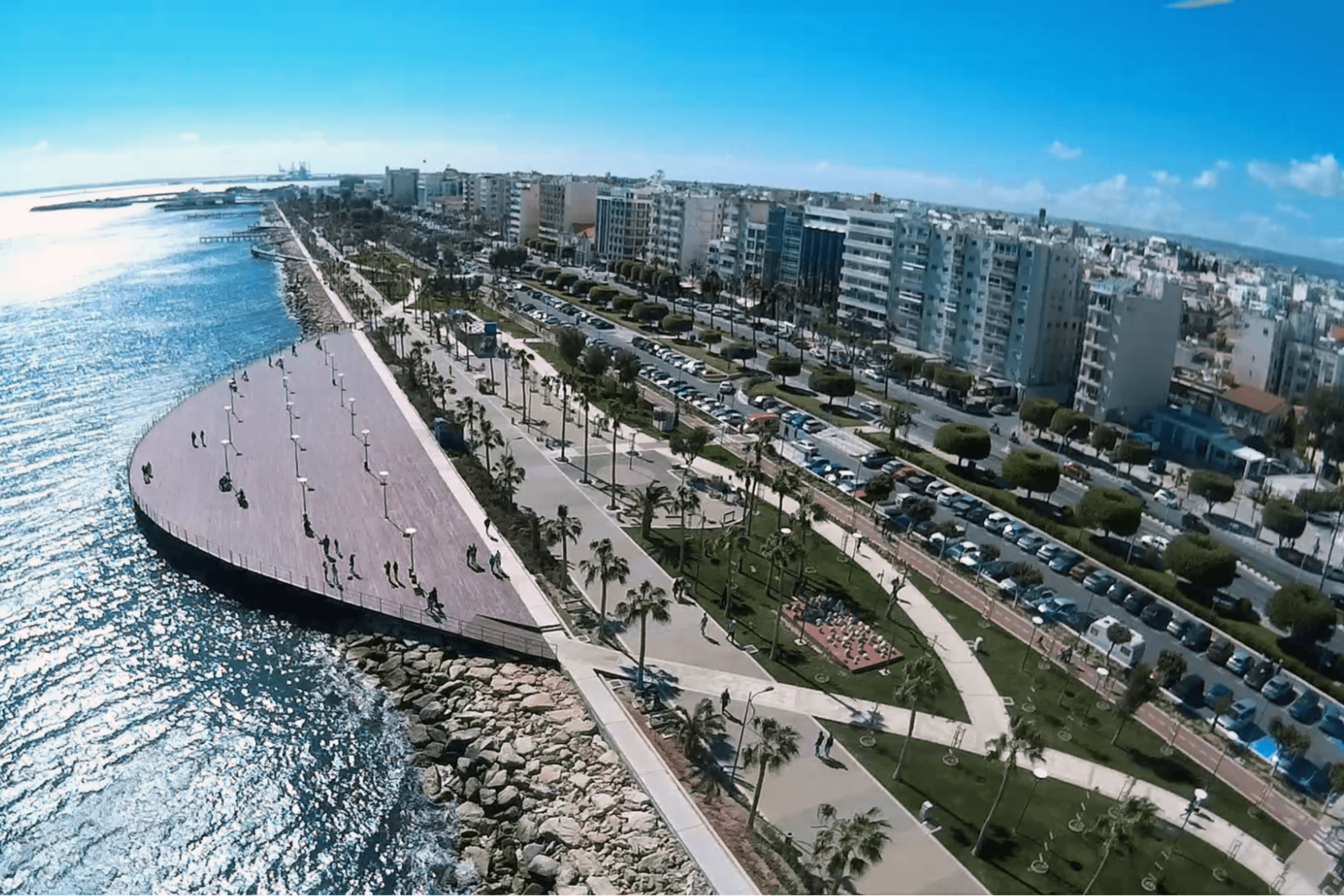
Limassol operates as Cyprus’s economic powerhouse and financial center. The city draws professionals, entrepreneurs, and digital nomads with its modern marina, international businesses, and vibrant nightlife. Seafront promenades, coworking spaces, international schools, and cultural festivals create a cosmopolitan atmosphere unmatched elsewhere on the island.
Monthly living expenses total €1,800 to €2,200 for single residents including rent, rising to €2,500 to €3,000 for couples. Families of four should budget €4,000 to €4,500 monthly. The cost matches cities like Lisbon or Berlin, though favorable tax treatment at 12.5% for businesses and freelancers helps offset higher daily expenses for long-term residents.
The city commands the highest prices in Cyprus across all categories. One-bedroom apartments in the city center rent for €1,200 to €1,600 monthly, while larger two-bedroom units reach €1,600 to €2,400. High-end rental prices hit record levels in 2025, with asking rents ranging from €1,651 for one-bedroom apartments to €7,750 for four and five-bedroom units. Large six-bedroom houses near the coast can reach nearly €10,000 per month.
Limassol excels in employment opportunities, offering the strongest job market and business ecosystem on the island. The city hosts major banks, tech companies, shipping firms, Blue Marine, and professional services that provide salaries well above the national average. The nightlife, restaurant scene, and entertainment options surpass other Cypriot cities, making Limassol ideal for those who value urban energy and career advancement.
Traffic congestion presents the main drawback. The city has overtaken Nicosia as the island’s traffic champion, with residents spending significant time in gridlock during peak hours from 7 to 9 AM, 12 to 2 PM, and 5 to 7 PM. The rapid population increase of several tens of thousands in recent years overwhelmed infrastructure that was not designed for such growth.
Nicosia The Cultural and Administrative Hub
Nicosia serves as Cyprus’s capital and largest city, functioning as the economic, academic, and administrative center. The city houses major banks, government offices, universities, and regional headquarters of global companies. This creates a dynamic business environment that attracts both locals and international professionals.

However, the biggest disadvantage comes from the absence of beaches. Nicosia sits in the center of Cyprus, about 40 to 50 minutes from the nearest coast. This location provided protection against pirates and invaders in ancient times but now means residents must drive to enjoy beach activities. Traffic from neighborhoods like Engomi or Agios Pavlos to the highway can add another 40 to 50 minutes before reaching the sea.

The city combines modern urban living with historical charm. Universities like the University of Nicosia and European University of Cyprus contribute to a dynamic, youthful population. Vibrant energy fills weekends, driven by students and numerous dining and shopping options. The central location makes Nicosia a convenient base for exploring the rest of the island.
Nicosia compensates with lower costs, authentic local culture, and strong employment in government, banking, education, and administration. The city offers more genuine Cypriot experiences compared to heavily touristed coastal areas. English remains widely spoken, nightlife includes bars, clubs, and live music venues, and the multicultural atmosphere creates diverse dining options.
Paphos: The Affordable Coastal Haven
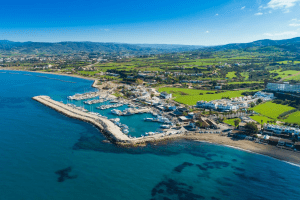
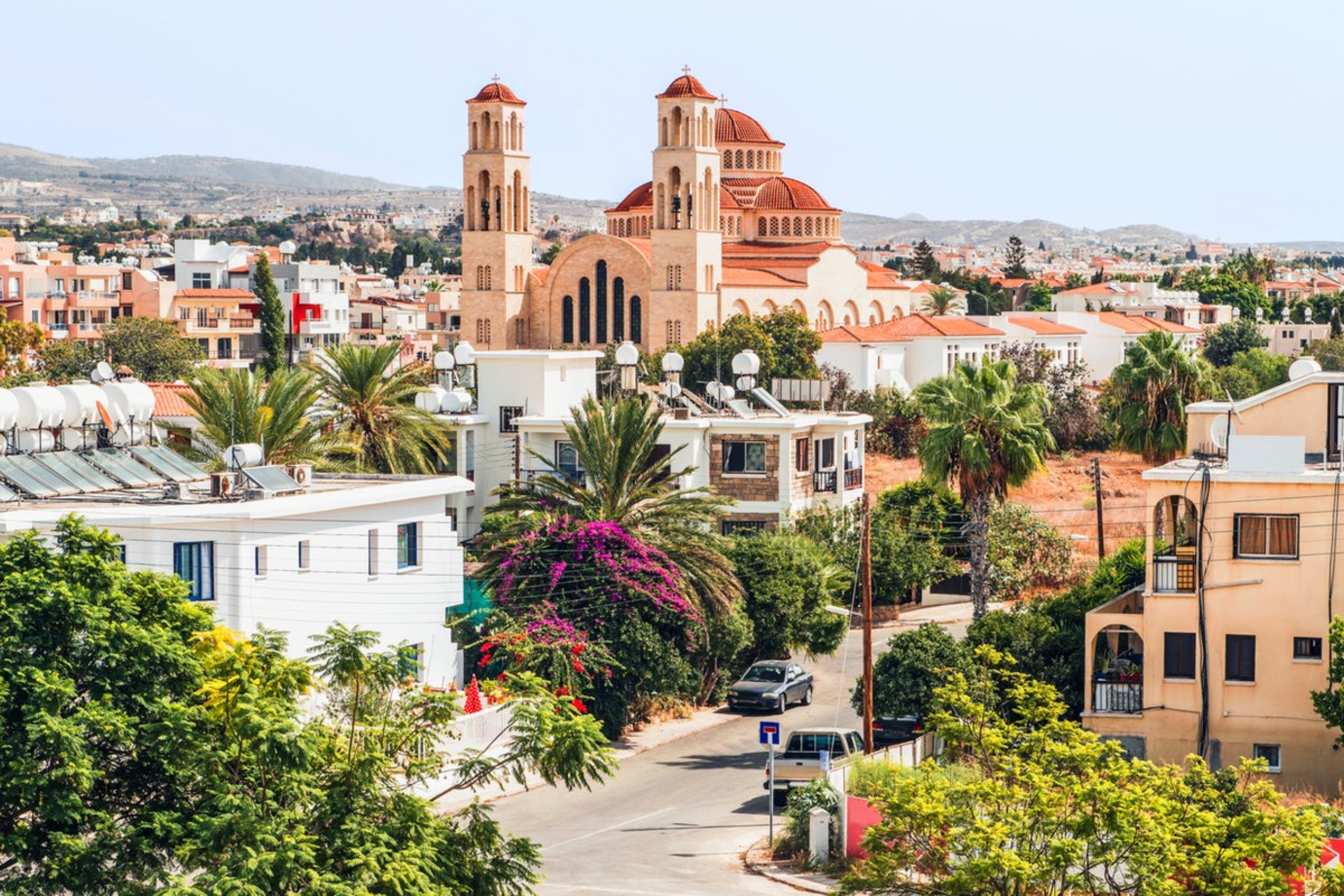
Paphos attracts over 50% of the expat population and serves as the primary hub for foreign residents, particularly British retirees. The city combines a slower pace of life with picturesque harbor views, archaeological sites including UNESCO World Heritage Roman mosaics, and the most affordable housing on the island.
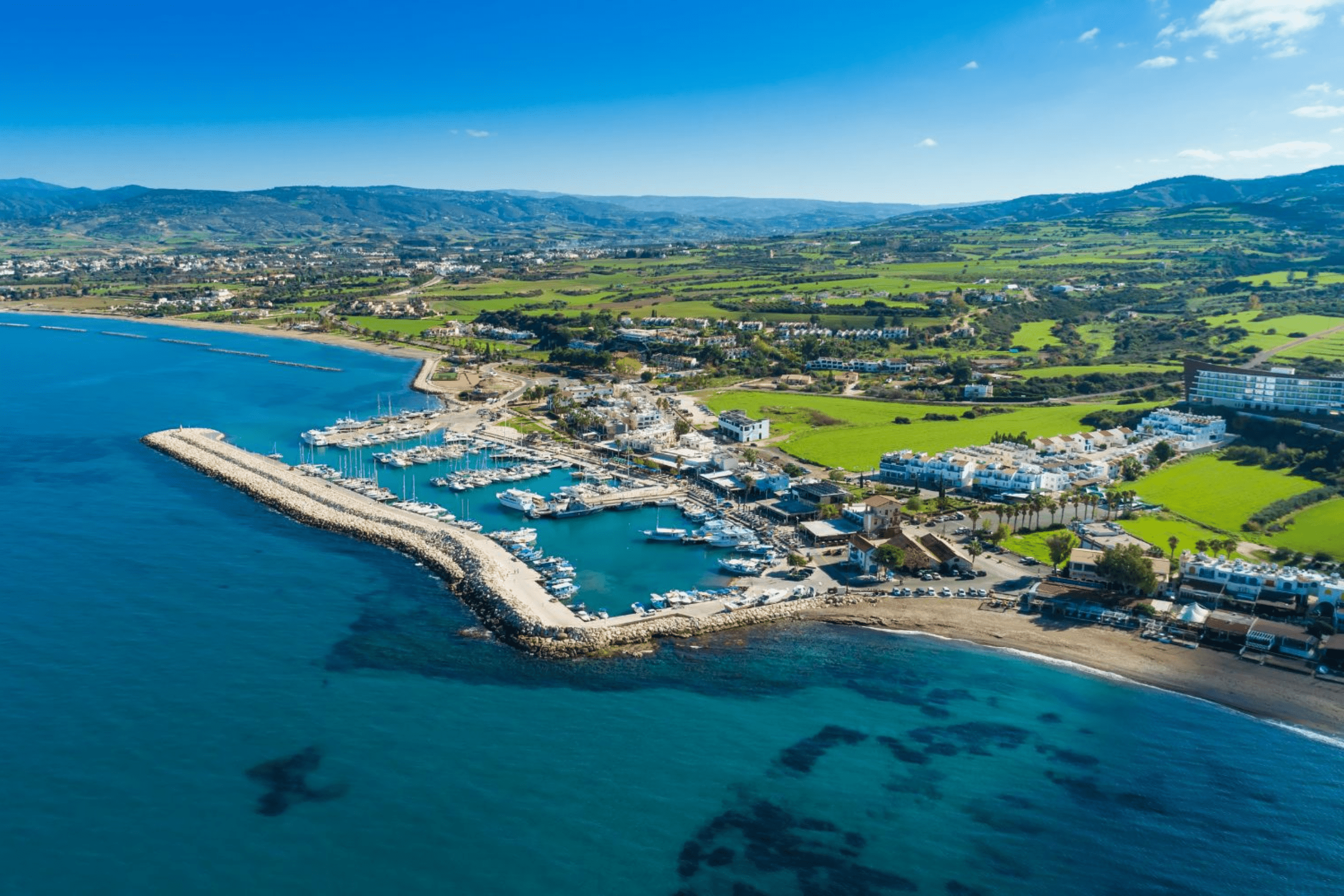
One-bedroom apartments in decent areas rent for €600 to €800 monthly, well below rates in Limassol and even Nicosia. Property prices for apartments start around €170,000, with houses available from €300,000. Monthly living costs total €2,600 without rent, roughly 10 to 15% lower than Limassol. This makes Paphos particularly attractive for families, remote workers, and retirees on fixed budgets.
The established English-speaking community creates natural support networks for newcomers. Approximately 50% of the 50,000 British expats in Cyprus live in the Paphos district, ensuring English-language services, social clubs, and familiar products remain readily available. The city hosts its own international airport, which provides convenient connections to Europe without requiring travel to Larnaca.
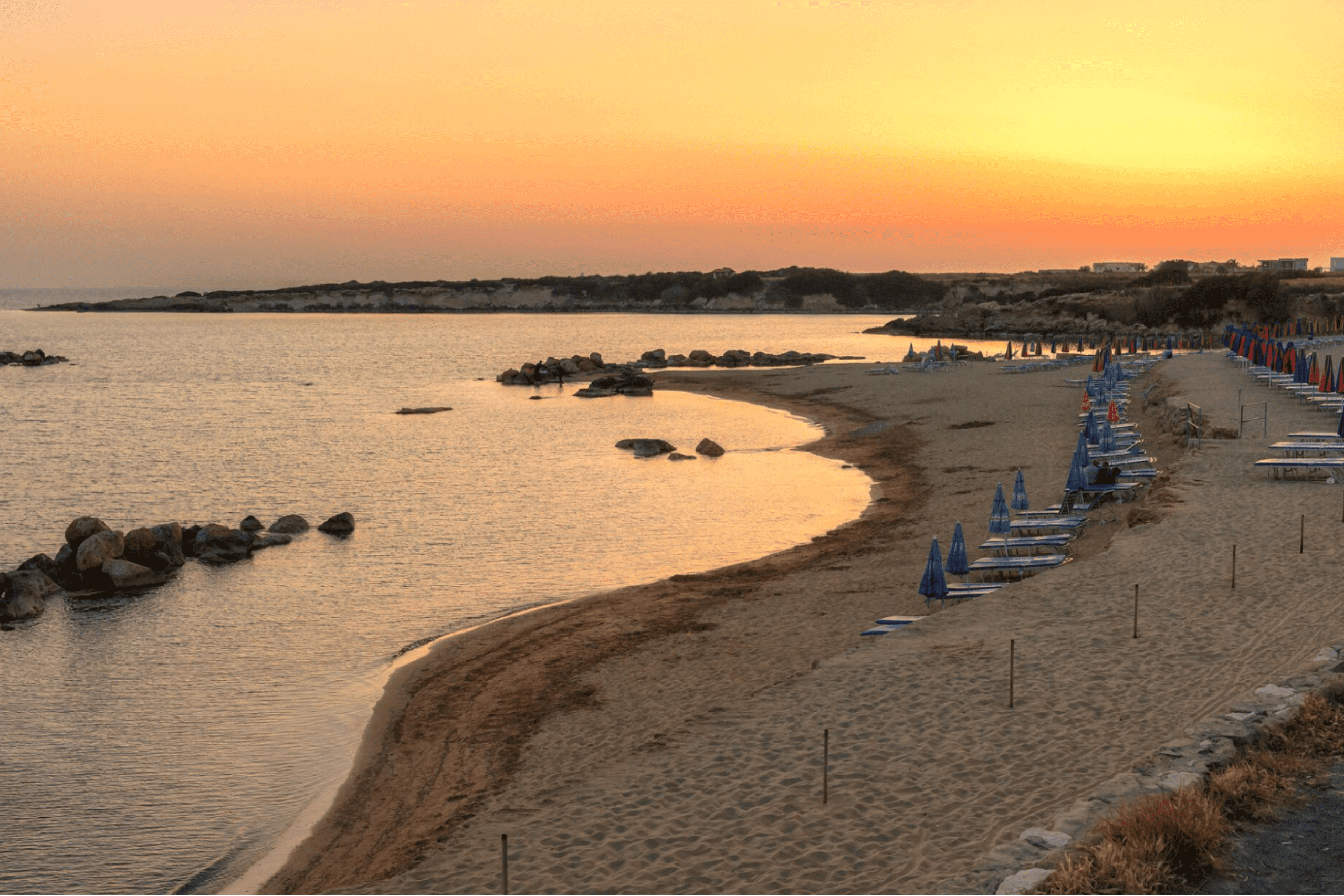
The relaxed atmosphere appeals to those who prioritize lifestyle over career advancement. Beaches, restaurants, and over 300 sunny days annually support outdoor living year-round. Archaeological treasures, harbor activities, and nearby hill villages that offer cooler summer temperatures create varied experiences within short distances.
Limited employment opportunities present the main challenge for working-age residents. Paphos lacks the business infrastructure and job market of Limassol or the government employment of Nicosia. Remote workers and retirees with independent income sources find this less problematic than those seeking local employment. The nightlife and entertainment options pale compared to Limassol, which requires drives to larger cities for specialized shopping or cultural events.
Making the Final Decision
The choice between these three cities comes down to priorities and life stage. Limassol suits professionals, entrepreneurs, and those who want urban energy with beach access. The premium prices buy access to the best job market, most developed infrastructure, and strongest business ecosystem.
Nicosia attracts those who value authentic local culture, lower costs, and government or academic employment. The absence of beaches matters less to people focused on careers, education, or cultural experiences. Students, government workers, academics, and those who appreciate city life without tourist crowds find Nicosia’s mix of modern amenities and historical character appealing.
Paphos provides the best value for retirees, remote workers, and families who prioritize beach lifestyle over career opportunities. The established expat community eases integration, while lower costs extend budgets further. Those seeking relaxation, archaeological interests, and gentle pace appreciate what Paphos offers, while accepting the tradeoffs in employment and entertainment variety.