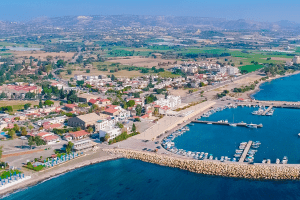
Cyprus has become one of Europe’s most attractive retirement destinations, drawing more than 100,000 foreign retirees to its shores. The Mediterranean island offers a combination of year-round sunshine, affordable living costs, excellent healthcare, and favorable tax benefits.
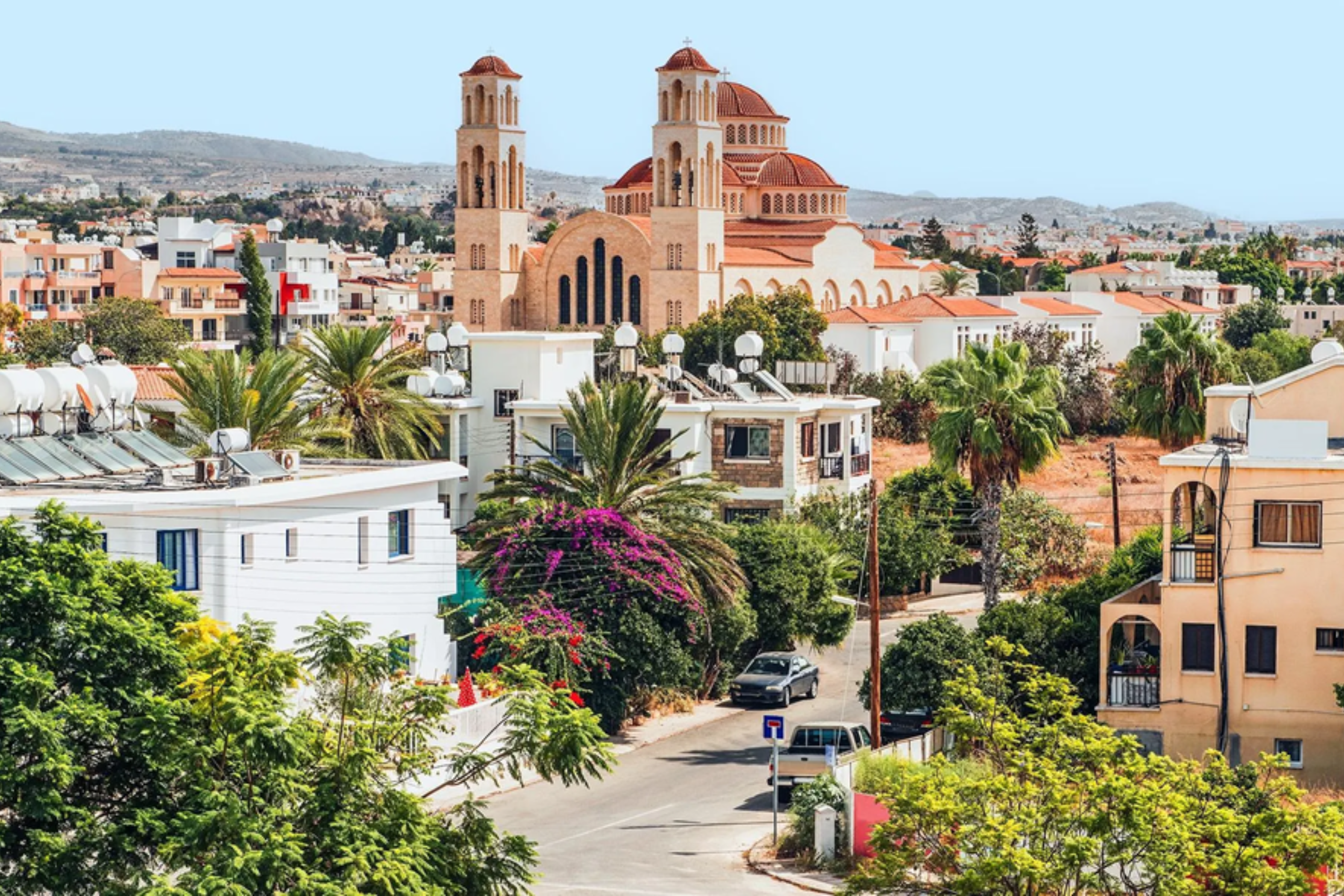
With over 320 sunny days annually, temperatures rarely dropping below 10°C in winter, and summers averaging 30-35°C, the climate alone makes Cyprus appealing.
The island’s strategic location between three continents, two international airports, and widespread English usage create an environment where retirees can maintain connections with loved ones while enjoying a relaxed Mediterranean lifestyle.
- A Mediterranean Haven for International Retirees
- What Makes a City Retirement-Friendly
- Paphos Combines History with Modern Comfort
- Limassol Offers Urban Energy and Business Opportunities
- Larnaca Provides Affordability and Accessibility
- Smaller Towns Deliver Peace and Community
- Financial Considerations Shape City Choices
A Mediterranean Haven for International Retirees
Cyprus began attracting international retirees in significant numbers after introducing specialized visa programs in 2007. The island’s appeal extends beyond weather and beaches. British nationals make up approximately 60,000 property owners, with about 50% concentrated in the Paphos district alone. This established expat presence means English-language services, familiar products, and social networks are readily available.

The island’s history as a British colony until 1960 left lasting infrastructure improvements and an administrative system that many Western retirees find familiar. Today, Cyprus offers two main residency paths for non-EU retirees: the renewable temporary residence permit (Pink Slip) requiring proof of annual income of at least €9,568, or permanent residency through property investment starting at €300,000.
What Makes a City Retirement-Friendly
Several factors determine whether a Cypriot city suits retirement needs. Healthcare access ranks highest, as the island operates both a public General Healthcare System and private facilities with English-speaking doctors. Property costs vary significantly by location, ranging from €80,000 for village homes to over €800,000 for luxury villas. Transportation infrastructure matters because public transport remains limited outside major cities.
Social opportunities through expat communities help newcomers integrate and combat isolation. Finally, the balance between amenities and tranquility differs by location, with some cities offering vibrant urban life while others provide peaceful coastal or mountain settings.
Paphos Combines History with Modern Comfort
Paphos stands as the most popular retirement destination in Cyprus, particularly among British retirees. The UNESCO World Heritage city on the southwestern coast hosts legendary sites like the Paphos Archaeological Park with its Roman mosaics, the Tombs of the Kings, and ancient ruins linked to Aphrodite’s birthplace.
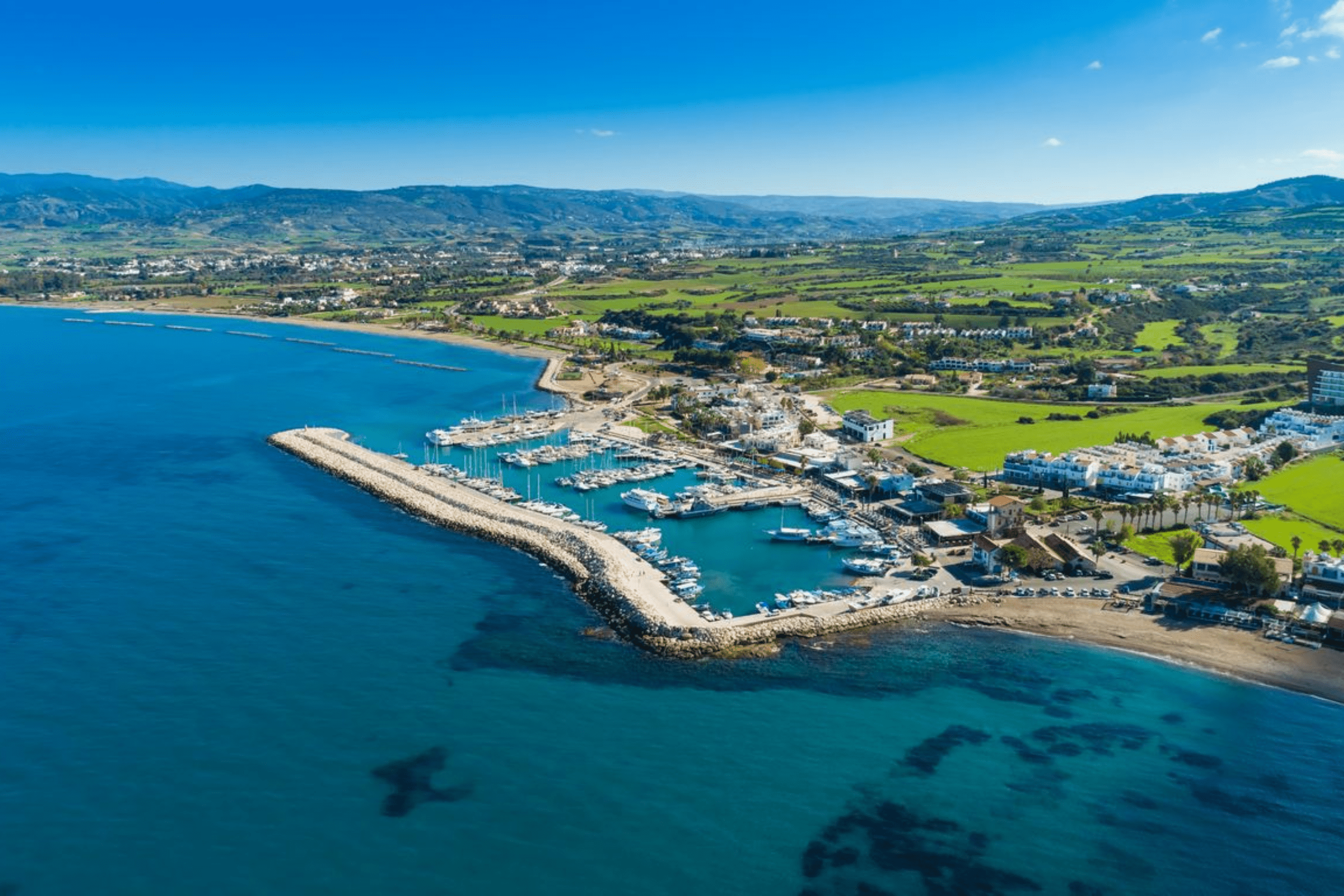
Beyond history, Paphos delivers practical advantages: housing costs remain 10-15% lower than Limassol, with one-bedroom apartments renting for €500-700 monthly in the city center and €400-600 outside it. The International School of Paphos, founded in 1987, serves over 1,000 students from 40+ nationalities, making the city family-friendly as well. Three private hospitals provide high-quality care, and many doctors trained internationally speak English fluently.
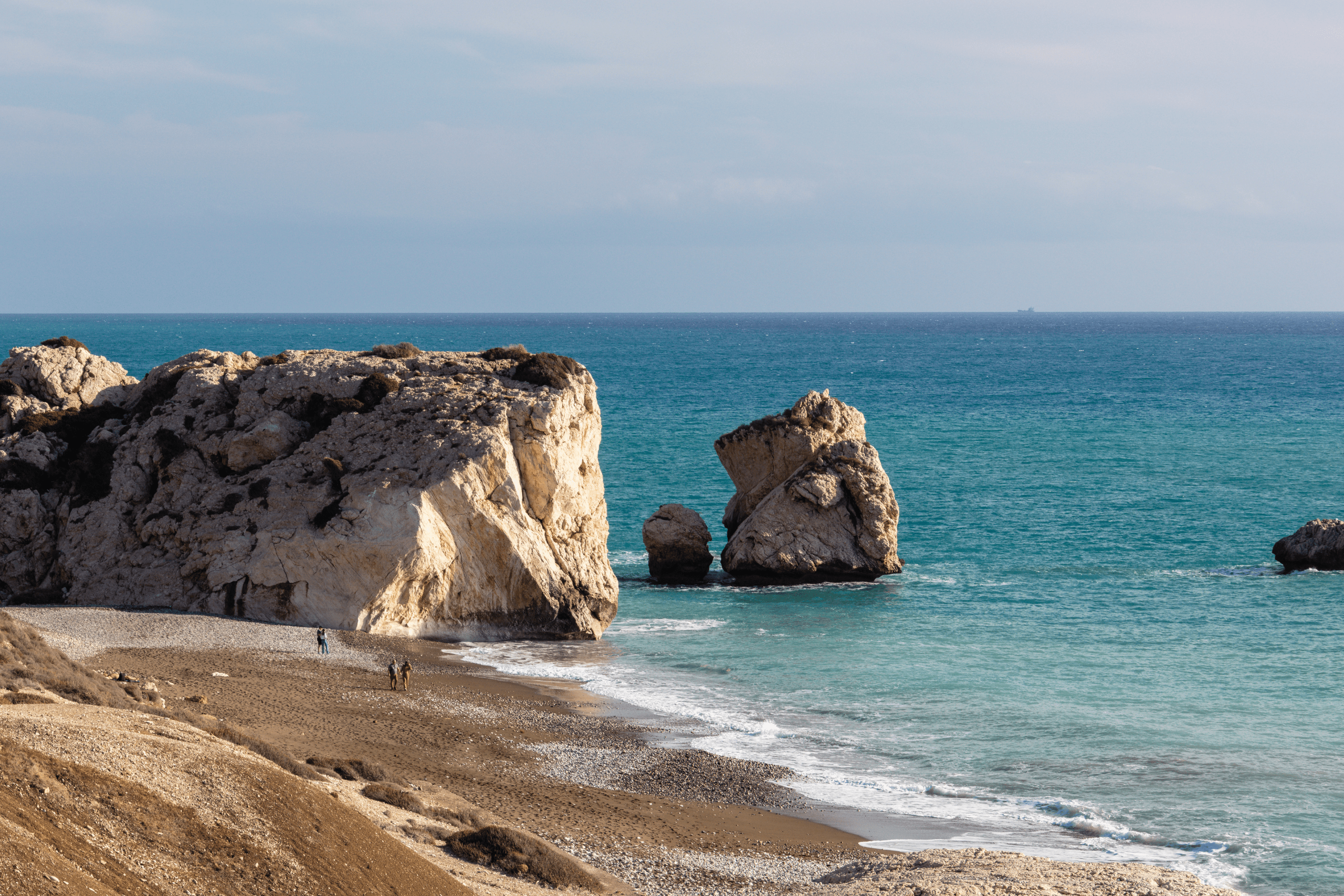
The established expat community organizes regular social events including golf tournaments, tennis matches, wine tastings, book clubs, and language exchanges. Paphos International Airport ensures easy travel connections. The city maintains a relaxed pace while offering modern amenities, beachfront promenades, and cultural festivals. Temperatures rarely fall below 10°C, ideal for those with health conditions aggravated by cold weather.
Limassol Offers Urban Energy and Business Opportunities
Limassol, Cyprus’s second-largest city with around 200,000 people in the urban area, sits on the southern coast and serves as the island’s business hub. Numerous international companies and financial institutions headquartered here create a cosmopolitan atmosphere distinct from other Cypriot cities. The city attracts active retirees who want proximity to beaches without sacrificing urban conveniences.
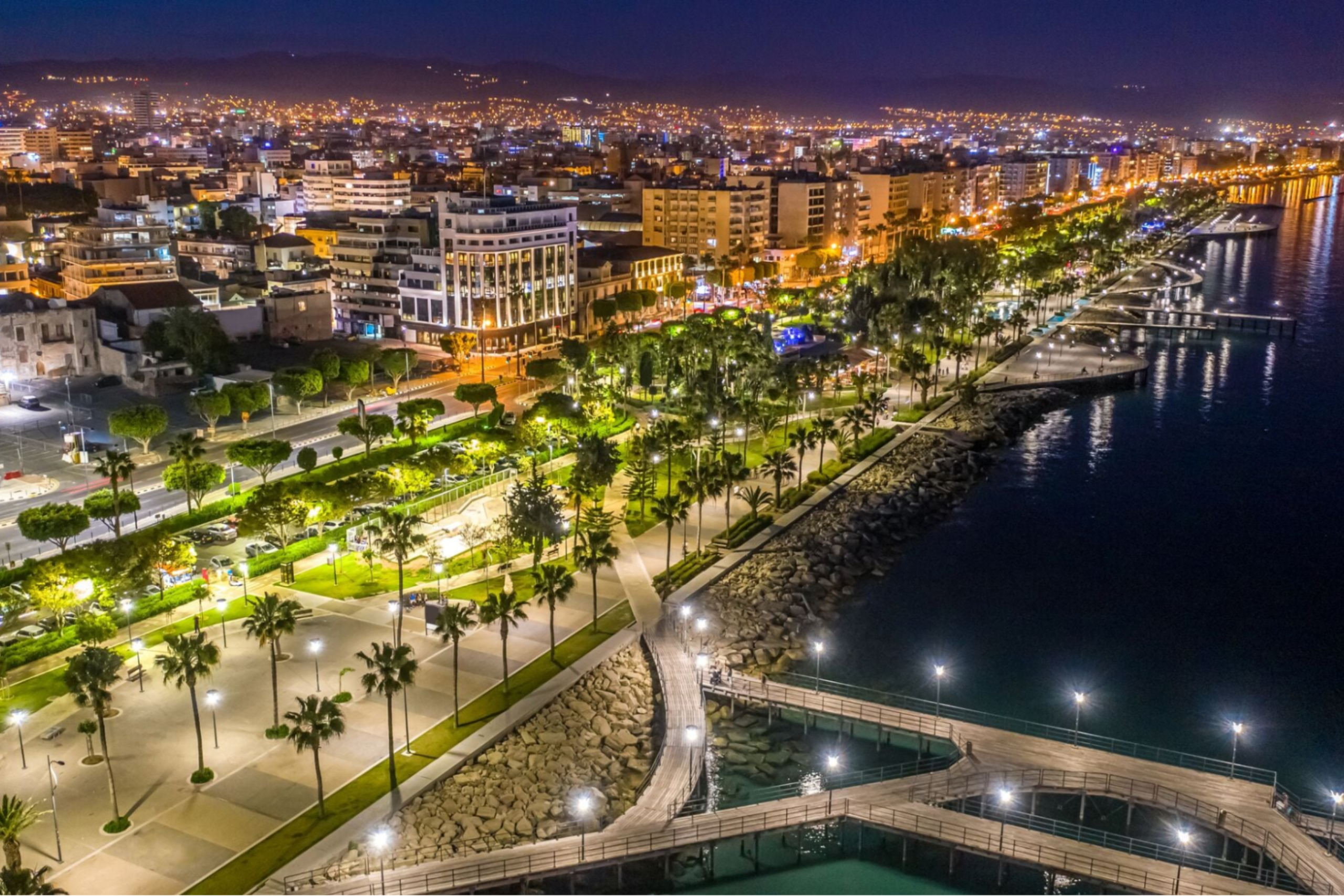
Limassol’s port handles most of the island’s cargo and cruise ship traffic, contributing to its vibrant economy. The British improved Limassol’s infrastructure during colonial rule, repairing roads, cleaning city center, adding landscaping, and constructing docks. These historical investments created lasting quality of life improvements. Today, Limassol hosts the island’s wine industry and offers access to nearby Vikla’s golf course. The city’s beaches balance tourist development with local life.
Housing costs run higher than Paphos, with two-bedroom apartments fetching €230,000-240,000 and bungalows with pools ranging €220,000-240,000. Suburbs like Agios Athanasios feature upscale residential areas with large villas, while Colombia attracts families and retirees seeking quieter settings with parks and green spaces. The city’s active runner and hiker communities organize regular group activities. Limassol suits retirees who prefer urban energy, diverse dining options, and cultural events like the famous island-wide Carnival and contemporary theater performances.
Larnaca Provides Affordability and Accessibility
Larnaca, the oldest continuously inhabited city in Cyprus and birthplace of ancient Stoic philosopher Zeno, has transformed into a practical retirement hub. The city hosts one of Cyprus’s two international airports, making travel convenient. Larnaca gained prominence as the wine capital of Cyprus and maintains that agricultural heritage today. The city offers the most affordable living costs among major Cypriot cities, with property investments starting from €150,000 for two-bedroom detached villas and €100,000-150,000 for apartments.
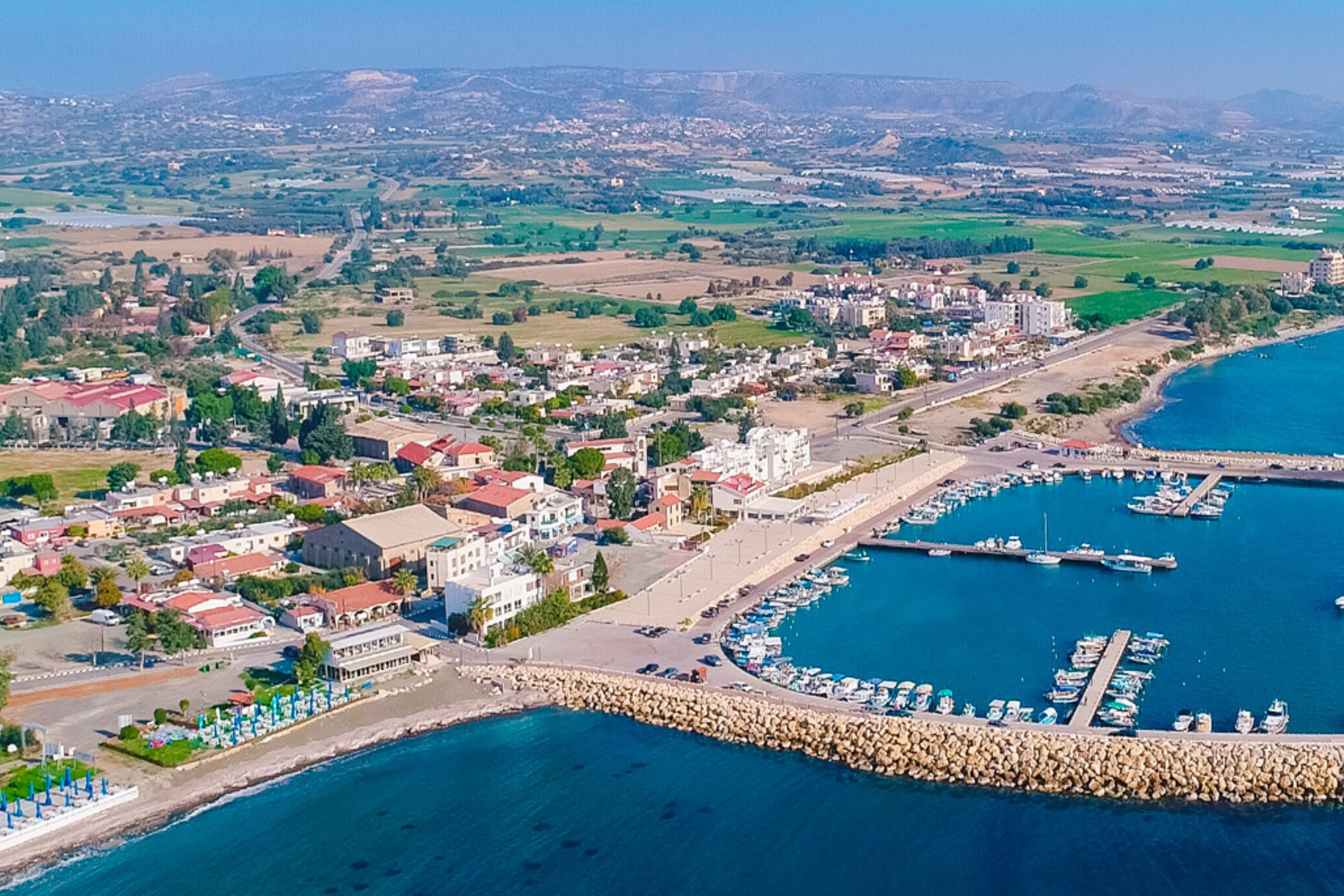
The palm-lined Finikoudes seafront promenade provides a scenic walking route that attracts both locals and retirees for daily exercise. The nearby salt lake offers birdwatching opportunities, particularly during flamingo migration seasons. Despite its industrial harbor, which some consider an eyesore, Larnaca benefits from ongoing coastal redevelopment projects expected to transform it into a major tourist hub within the decade.
The city’s position makes it ideal for retirees seeking airport proximity without Limassol’s higher costs or Paphos’s heavy tourist concentration. Larnaca’s cuisine scene stands out even among Cyprus’s generally excellent food offerings, reflecting its agricultural abundance and coastal location.
Smaller Towns Deliver Peace and Community
Beyond the three major cities, several smaller communities attract retirees seeking tranquility. Paraklissa (also spelled Pareklisia), located 10-15 minutes from Limassol, draws British retirees who form exercise groups in the local town hall and organize running events. Two-bedroom villas start at €150,000-200,000, apartments at €250,000, and bungalows at €280,000.
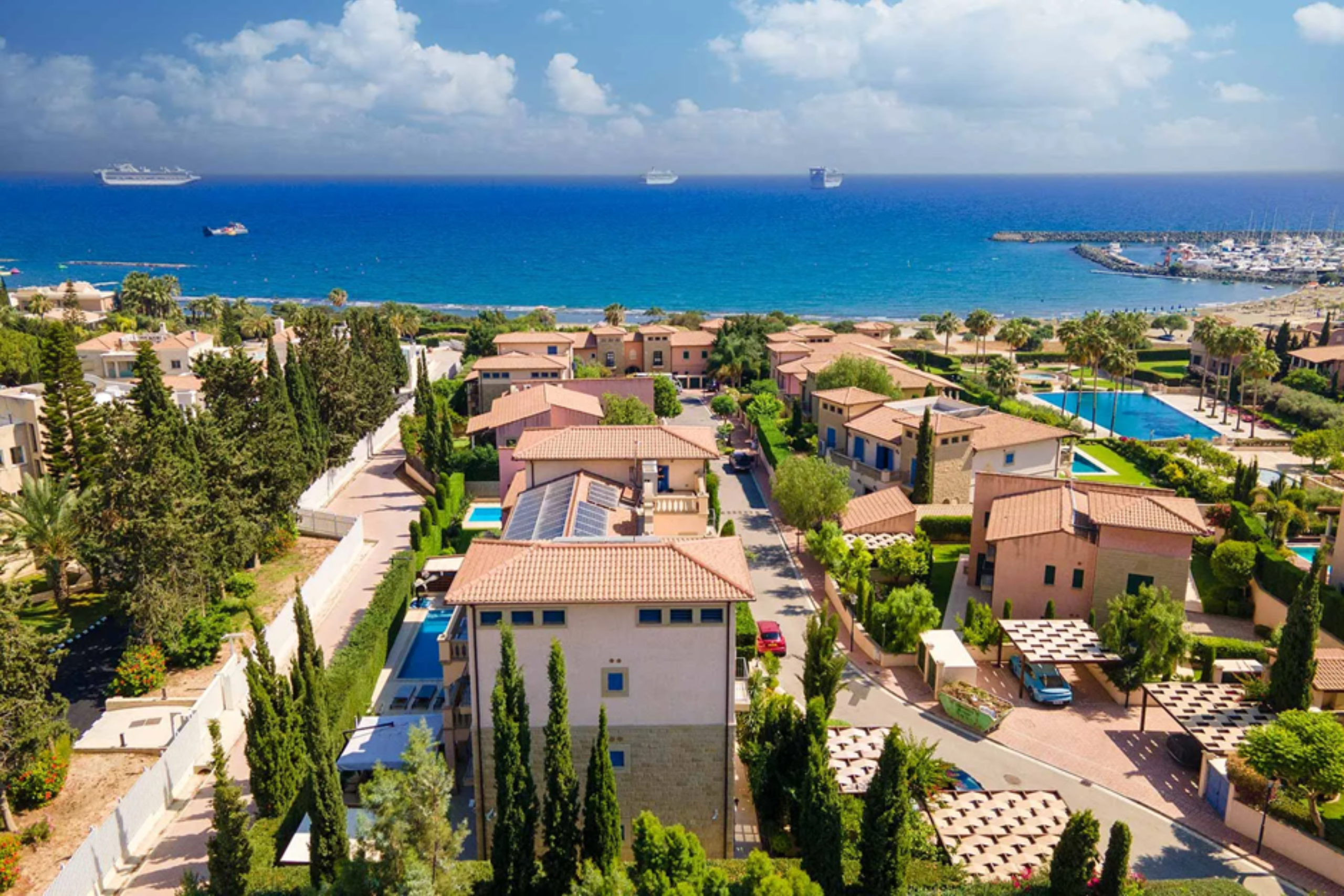
Pyrgos, also near Limassol, offers village life with hiking access and mountain views. Its elevated position provides cooler temperatures and hosts weekly group hikes. Property costs range from €100,000-150,000 for apartments to €210,000-220,000 for detached villas. Lania, situated in the mountains, delivers stunning views and relaxed atmosphere with several tourist attractions, free vineyards, and hobby classes.
Property remains affordable, making it attractive for retirees wanting to watch the world pass by from mountain heights. The Troodos Mountain region overall provides cooler summer temperatures and winter possibilities for mountain activities. These smaller communities suit retirees prioritizing nature, quiet, and tight-knit community over urban amenities.
Financial Considerations Shape City Choices
Living costs vary significantly between cities but remain lower than most Western European destinations. A couple can live comfortably on €1,700-2,000 monthly in Cyprus compared to €1,900 in the UK, with Paphos being the most affordable major city. Electricity and water cost approximately €400 bimonthly for average families, though summer air conditioning increases expenses. Gasoline runs about €1.39 per liter for unleaded 95, while public transport remains infrequent outside cities, making car ownership nearly essential.

Cyprus imposes no inheritance tax, and retirees can choose between a flat 5% tax rate on foreign pension income over €3,420 or progressive income tax scales. Double taxation treaties with many countries, including the UK and USA, prevent paying taxes twice. Non-EU citizens require private health insurance for visa applications, costing approximately €150-300 monthly for comprehensive coverage, though legal residents access the public system. Property purchases by non-EU nationals require Council of Ministers approval and involve additional costs including VAT (5-19% depending on property type), stamp duty (0.15-0.2% of value), and transaction fees (1% of value).