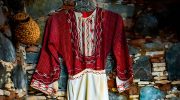
Cyprus developed distinctive basket weaving and textile traditions that stretch back to ancient times. These crafts include water reed baskets from marshy regions, colorful Fythkiotika woven fabrics, and intricate Lefkaritika lace work. Each village specialized in particular techniques using locally available materials like reeds, cotton, and silk.
The crafts served essential practical purposes in daily life while demonstrating artistic skill passed through generations. From storage vessels to dowry items, these handmade goods connected families to their heritage and provided economic livelihood in rural communities.
Historical Background
Basket weaving dates to Neolithic times, with techniques remaining essentially unchanged over millennia. Archaeological evidence shows woven items existed since the earliest settlements, with the craft spreading across all cultures worldwide. In Cyprus, basketry developed around two main centers. Larnaca and Akrotiri had naturally marshy landscapes perfect for growing water reeds, rushes, and bamboo used in basket construction. The Salt Lake and marshes attracted settlers to Akrotiri specifically because these materials enabled basket production that became central to village economy.
Historical sources from 6 BCE document famous Cypriot weavers including Akisas and Elikon. Textile production flourished during Byzantine times when precious Cypriot silk and woolen fabrics earned reputations for exceptional quality throughout Europe. The craft reached its peak under Lusignan dynasty rule from 1192 to 1489. Italian writer Giovanni Boccaccio mentioned Cypriot fabrics in The Decameron, describing bed sheets made from the thinnest silk and covers of snow-white Cypriot fabric.
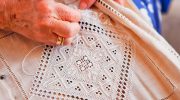
Lace making tradition emerged during Venetian times starting in 1489. Venetian ladies brought lace techniques to Cyprus that blended with indigenous white embroidery called asprobloumi already practiced across the island. This combination produced the distinctive Lefkaritika style that incorporated ancient Greek and Byzantine geometric patterns with cut-work designs. The village of Lefkara became the primary center for this embroidery by the 14th century, giving the craft its name.
Distinctive Features of Cyprus Handcrafts
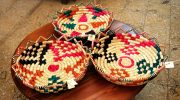
Cyprus baskets came in many shapes and sizes, each designed for specific purposes. Short, wide zembilia baskets had narrow circular openings at the top where olives were inserted and crushed inside to extract oil. Talari baskets featured colorful flat designs now commonly used as wall decorations. Different basket types served cheese production, olive storage, carrying field supplies, farming grapes, traveling, hanging bread from ceilings, and storing food.

Traditional basket makers harvested materials from natural wetland areas. Water reeds grew abundantly along riverbanks and flatlands. Thin flexible terpene brushes, pepper trees, wild olives, snowbell branches, and date palm leaves all provided weaving materials. Artisans from Akrotiri used these reeds extensively, creating a craft tradition so central that basket weaving became described as being in their DNA rather than merely a skill.
Surprising Facts About Village Crafts
A typical basket required up to three hours to complete when made entirely by hand using traditional methods. Petros Nicolaou, a contemporary basket weaver from Paphos, learned the craft from grandparents who earned their living harvesting materials and crafting baskets to sell across Cyprus. He now works full time creating baskets for individual clients and businesses while conducting demonstrations for tourists in Cyprus and abroad.
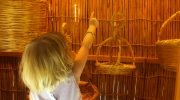
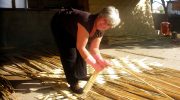
Livadia village remains the only place in Cyprus where psatharkes, traditional cane items used for roofing, are still produced. The village’s basketry and straw mat making earned UNESCO Intangible World Heritage List recognition. The Craft of Caning Museum opened in Livadia in November 2016 to preserve unique basket weaving techniques using cane and reeds. In earlier times, Livadia women spent entire days paring and splitting reeds to make various basketry products.
The last man to make baskets from twigs in Kritou Terra village has passed away, representing the loss of a specific weaving technique. Mass-produced plastic alternatives largely replaced traditionally woven baskets due to convenience and longer lifespan, significantly reducing demand for handcrafted items.
One weaver from Fyti village became so impressed by a school teacher’s shoes that she created a special design commemorating them. This anecdote illustrates how remote village weavers had limited interaction with urban centers and found inspiration in simple encounters with cosmopolitan visitors.
Fythkiotika fabrics formed integral parts of young women’s dowries and often helped establish new family life. These items passed down through generations as inherited treasures. The tradition valued handmade textiles so highly that preparation often began in childhood and continued for years.
Why These Crafts Matter Today
The Cyprus Handicraft Service operates under the Deputy Ministry of Culture since 1975, maintaining traditional craft skills through experimental workshops. Specialized craftsmen work under instructor supervision in centers including the main facility on Athalassa Avenue in Nicosia. The service trains new artisans in basketry, weaving, and other traditional techniques, ensuring knowledge transfer continues.
Contemporary artisans by choice dedicate themselves to preserving heritage crafts. Maria Polly and Petros Nicolaou represent committed individuals using rare skills passed through generations to revive traditional basket making. Both learned as children from grandparents, never imagining these skills would shape their careers. They now teach younger generations through hands-on demonstrations and workshops.
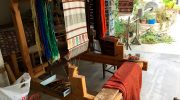
Fyti village maintains active weaving traditions through remaining practitioners. Mother and daughter Irène and Diamant Diomidous work at the Fyti Weaving Museum, creating gorgeously woven textiles using traditional methods. Irène started weaving at age 15 when her mother left the loom, continuing the practice since then. The museum offers free admission year-round, welcoming visitors to observe traditional techniques.
Experiencing Cyprus Handcraft Heritage
The Cyprus Handicraft Centre on Athalassa Avenue in Nicosia allows visitors to observe craftspeople working. The facility displays traditional techniques across multiple workshops including basketry and textile production. Authentic handcrafted items are available for purchase from service craftsmen and private artisans. The center provides information about craft origins and histories, making products more meaningful.
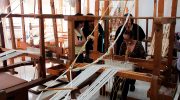
The Fyti Weaving Museum houses exhibits in a refurbished building showing the village’s famous woven textiles. Demonstrations reveal how craftspeople have practiced techniques since medieval times using old-style looms. The Museum of Weaving and Folkloric Art welcomes visitors warmly, with owners sharing knowledge about weaving traditions and village history. A fully operational spinning wheel called anemi represents one main attraction.
Livadia’s Craft of Caning Museum opened in 2016 to preserve and share basketry traditions. The structure itself features cane construction, displaying large arrays of baskets, musical instruments, tools, and other exhibits. Photographic exhibitions document the craft’s historical importance. The museum demonstrates how women spent days paring and splitting reeds to create various products.
Omodos village features the Centre for Preservation of Narrow-Knit Lacing (Pipilla) housed within monastery premises. This small museum contains remarkable lace specimen collections, preserving Omodos traditions in pipilla making. The village also offers cobbled squares, stone-built houses, local wineries, and medieval wine presses for comprehensive cultural experiences.
The Cyprus Folk Art Museum founded in 1937 displays over 5,000 exhibits including woven goods, basketry, and embroidered textiles. Collections span from ancient periods through modern pieces, providing context for craft evolution. Regional variations become apparent through comparative displays showing coastal versus mountainous styles.
The Living Value of Village Crafts
Traditional Cypriot baskets and handwoven crafts represent unbroken connections between past and present. The techniques developed over thousands of years demonstrate human ingenuity in transforming simple natural materials into functional art.

Each basket and woven piece carries knowledge accumulated through generations of refinement. The survival of these traditions despite modernization pressures proves their cultural importance extends beyond economic utility. Contemporary artisans maintain ancestral skills while adapting to current markets, showing how heritage crafts remain relevant.
Understanding these village crafts means recognizing how manual traditions preserve cultural identity, support rural economies, and connect communities to their environment. The baskets woven in Akrotiri marshes and textiles created in Fyti workshops embody Cyprus itself, where ancient wisdom informs modern creativity.