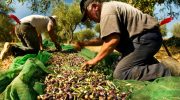
Traditional Cypriot cooking relies on three essential ingredients: olive oil, lemon, and fresh herbs such as mint, oregano, and parsley. This simple trinity defines the island’s approach to food, creating dishes that emphasize natural flavors rather than complex techniques. Traditionally, cumin and coriander seeds make up the main cooking aromas of the island.

Olive oil serves as the primary fat for salad dressings and vegetable preparations, though not for cooking meat dishes. Lemon juice appears in nearly every savory dish, from marinades to finishing touches.
Fresh herbs grow abundantly across Cyprus, with mint being particularly important. Mint grows abundantly in Cyprus, and locals use it for everything, particularly in dishes containing ground meat. This cooking philosophy developed over centuries of Mediterranean agriculture and remains central to Cypriot identity today.
Ancient Roots of Olive Cultivation
Greece started to produce its own olives on Minoan Crete and Cyprus in the Late Bronze Age. Historians suggest that in Cyprus, people were among the first in the world to learn how to extract oil from olives, with the first tools dating back to around the 12th to 6th centuries BCE.

These early implements consisted of stone millstones turned by donkeys that crushed olives between plates to yield oil. Archaeological evidence shows that Cyprus exported olive oil to Egypt, the Middle East, Greece, and Turkey in ancient times, establishing the island as a major producer. Olive trees have been growing in Cyprus for over 6,000 years, with cultivation on the island dating to the Bronze Age.
The British administration in the early 20th century brought olive cultivation under organized control. Today, approximately 400 villages maintain olive plantations that harvest more than 10,000 tons of olives annually. Nearly half of this harvest goes to oil production. The average Cypriot consumes about 8 kilograms of olives yearly and uses around 3 liters of olive oil.
How These Ingredients Shape Every Dish
Olive oil is used as a dressing for salads, vegetables, and pulses, but is not used to cook meat dishes. This distinction reflects traditional cooking methods where meat receives rendered animal fat or modern alternatives, while vegetables benefit from olive oil’s distinct flavor.
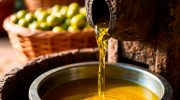
Lemon juice appears in multiple forms throughout meal preparation. It marinates meats for hours before cooking, particularly for dishes like kleftiko and souvla. It dresses salads and vegetables immediately before serving. It finishes grilled meats and fish as a final seasoning. Salad vegetables are eaten at every meal, sometimes whole, but more often chopped, sliced, and dressed with lemon and olive oil.
Fresh herbs follow seasonal availability but maintain year-round presence. Oregano and thyme season grilled meats. Parsley and coriander leaves appear in summer salads. Mint flavors everything from meatballs to yogurt sauces. Bay leaves infuse stews and slow-cooked dishes. This approach emphasizes ingredient quality over elaborate preparation. The flavors remain distinct rather than blended into complex sauces.
Regional Varieties and Local Traditions
The most popular olive tree variety in Cyprus is the Kypriaki, also called Ladoelia or Dopia, which has been cultivated since ancient times and is adapted to the island’s special soil and climatic conditions.
This native variety produces mid-sized fruit suitable for both oil and table use. The oil content of the fruit is about 22 percent, and the olive oil from the Cypriot Oil Olive has a very characteristic aroma that Cypriot consumers prefer to use in raw preparations such as salads and legumes.

The Koroneiki variety, introduced from Greece around 1977, provides a second option focused exclusively on oil production. Tsakkistes, cracked green olives marinated with garlic, coriander seeds, and lemon juice, remain a true Cypriot favorite.
Different villages developed their own herb combinations and marinades based on what grew locally. Mountain areas favor wild oregano and thyme picked from hillsides. Coastal regions incorporate sea salt and more lemon. The village of Anogyra earned recognition as Cyprus’s olive village and hosts an annual Olive Festival each autumn.
Cooking Methods That Preserve Tradition
Cypriot cooking methods developed to maximize these three core ingredients. Slow cooking in sealed environments allows herbs and lemon to permeate meat while olive oil bastes vegetables. Grilling over charcoal produces meat that receives fresh lemon juice and olive oil just before serving. Simple boiling or steaming of vegetables gets followed by dressings of olive oil and lemon.
During Orthodox fasting days, when animal products cannot be consumed, pulses are eaten instead, sometimes cooked in tomato sauce but more usually simply prepared with olive oil and lemon.
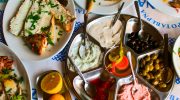
The meze tradition showcases this cooking philosophy perfectly. Small plates arrive in succession, each highlighting one or two main ingredients with minimal seasoning. Raw vegetables appear with olive oil. Grilled vegetables come dressed with lemon. Pulses receive both olive oil and lemon. Even complex dishes like koupepia rely on fresh herbs rather than elaborate spice blends. This restraint allows the natural flavors of Cyprus-grown ingredients to dominate each dish.
Experiencing This Cooking Today
Visitors to Cyprus encounter this cooking style everywhere from roadside tavernas to family homes. Traditional restaurants serve village salads dressed only with olive oil and lemon. Grilled fish arrives with these same simple seasonings. Home cooks maintain herb gardens with mint, parsley, oregano, and coriander. Many families own olive trees and press their own oil each autumn.
The communal olive harvest remains an annual ritual in rural areas. Villages organize pressing days where neighbors bring their olives to shared facilities. The fresh oil from each season’s harvest has a distinctly green, peppery flavor that mellows over months.
A Timeless Mediterranean Food Ethos
The Cypriot method of cooking with olive oil, lemon, and herbs represents more than cuisine. It demonstrates how limited ingredients, used skillfully, create satisfying and healthy food. The approach requires excellent raw materials rather than culinary techniques. It values seasonal eating, local production, and minimal processing. These principles sustained Cyprus through centuries of foreign rule, economic hardship, and social change. The simplicity allowed families to eat well regardless of wealth or status. Gardens, olive groves, and wild herbs remained accessible to everyone.
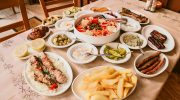
This democratic aspect of Cypriot cooking, where the same core ingredients appear in both peasant and celebration meals, reflects island culture’s emphasis on community over hierarchy. The continuing reliance on olive oil, lemon, and herbs in modern Cyprus shows how traditional wisdom about food and health persists when it delivers genuine value rather than nostalgia.