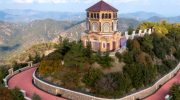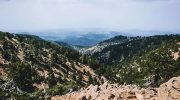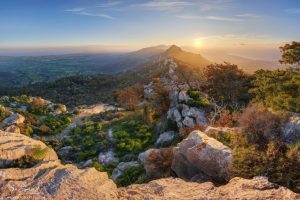
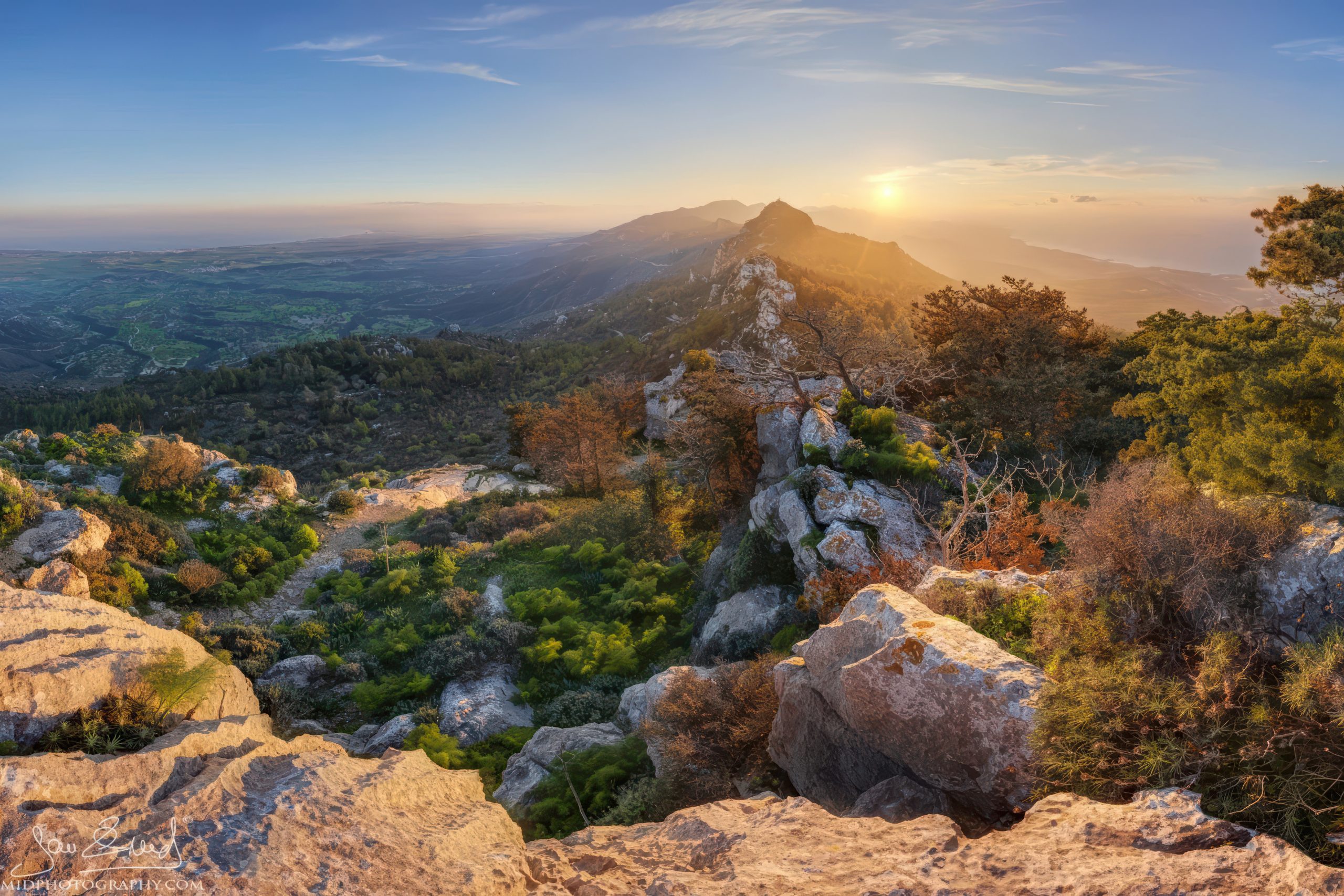
Whether you stand on the observation deck in Troodos near the summit of Mount Olympus on a clear day, walk across the rolling fields of the Mesaoria plain, or simply drive through the streets of Nicosia, your eyes will inevitably be drawn north.
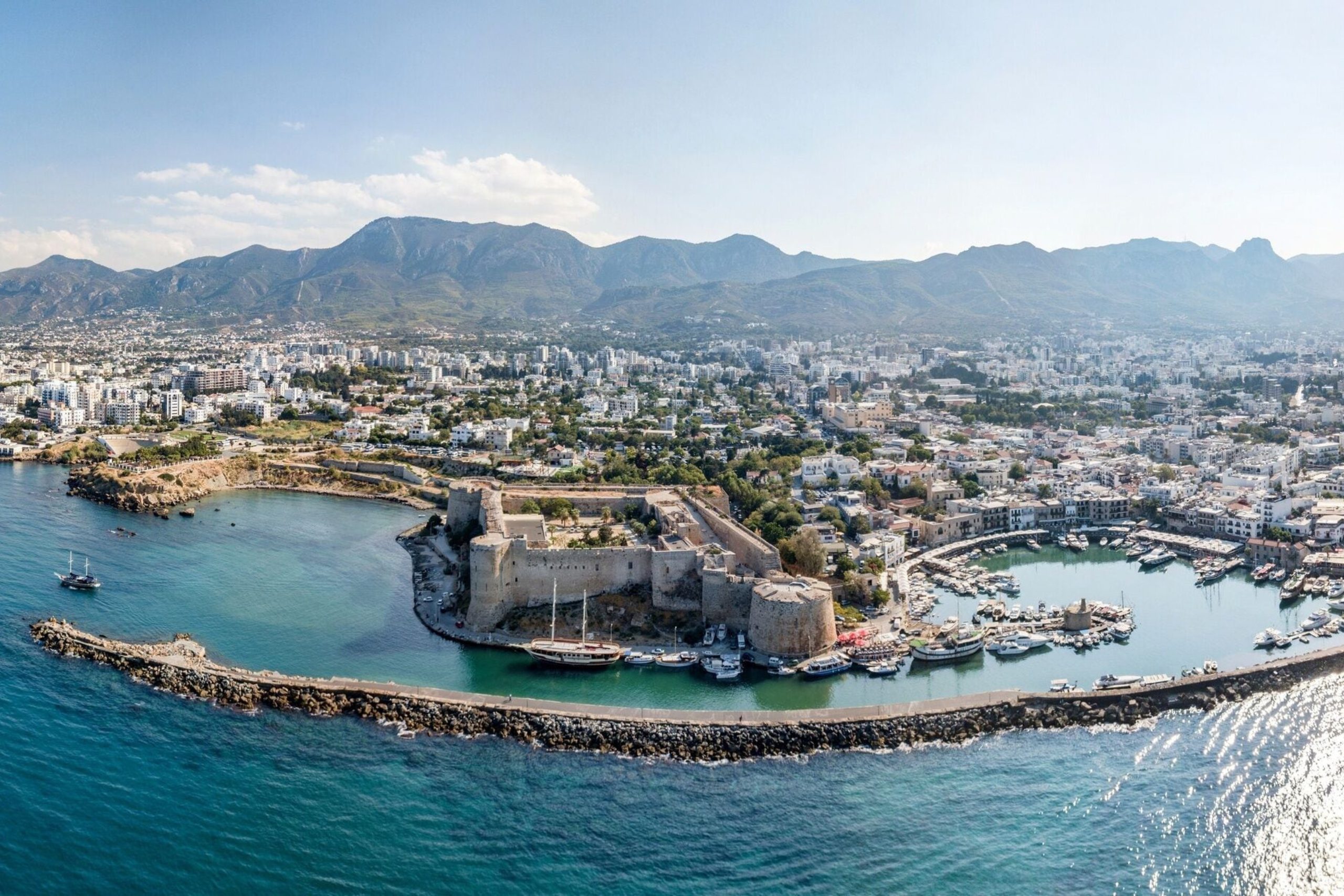
There, a long, jagged ridge cuts across the horizon like a line drawn by a giant hand. In some places it rises so sharply that it feels unreal, as if the land itself has been lifted and frozen mid-motion. At sunrise it glows pale and soft. By midday it hardens into white stone. At dusk it becomes a jagged silhouette, like the ruins of a forgotten kingdom.
These are the Kyrenia Mountains, also known as Pentadaktylos. Unlike Troodos, which rises gradually through valleys, plateaus and forests, the Kyrenia Mountains are abrupt, almost theatrical. They form a narrow ridge stretching for almost 200 kilometres, from Cape Kormakitis in the west to Cape Apostolos Andreas in the east. To the north they fall sharply toward the sea, separated by a narrow coastal strip rarely more than five kilometres wide.
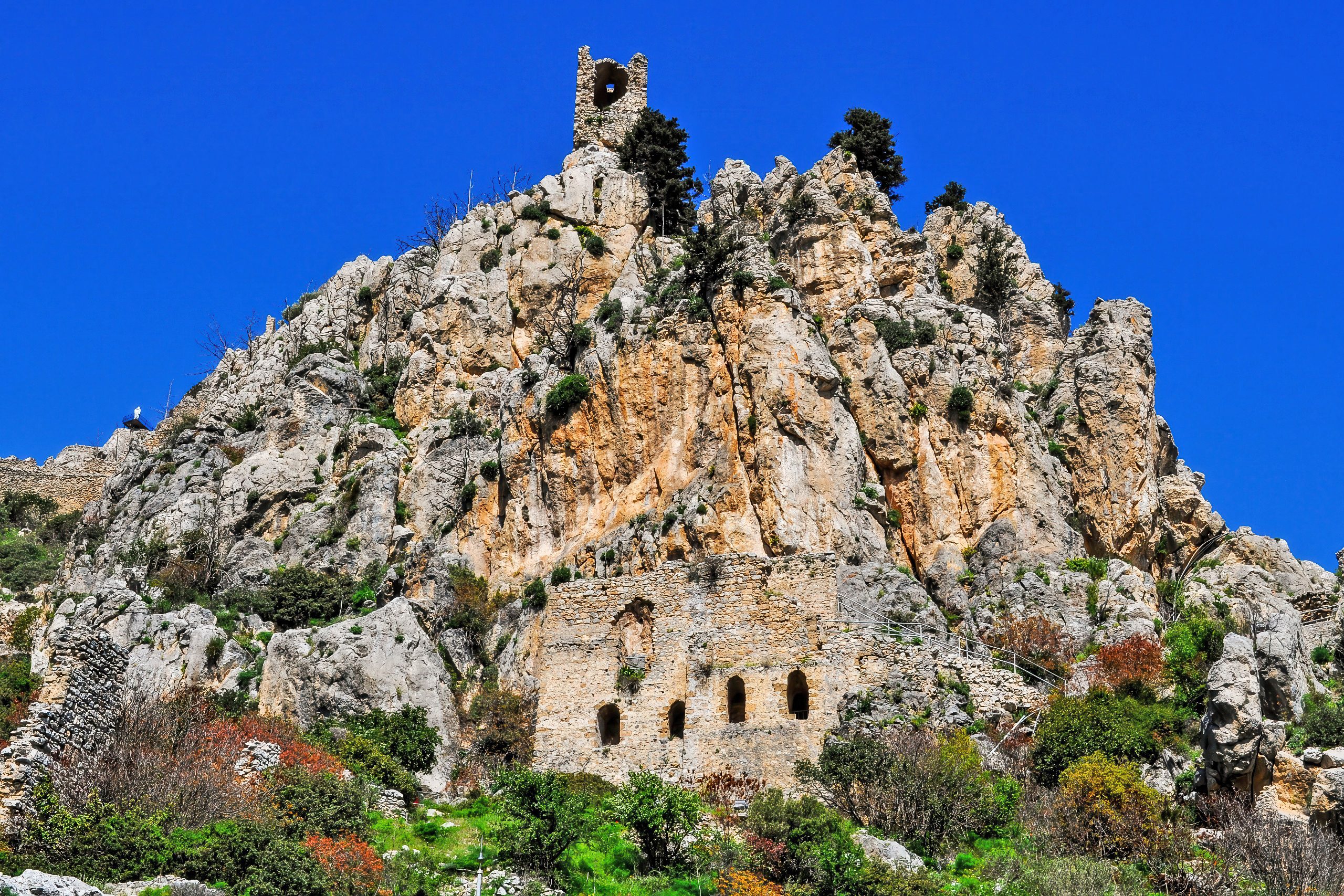
To the south they rise almost vertically above the flat Mesaoria plain. They look less like mountains and more like a stone wall, or the ruins of a forgotten city from the fantasy epic. And in many ways, they are far older than they appear.
In fact, they are a fragment of ancient super-continent, torn apart, submerged, compressed and lifted again onto the edge of rising oceanic crust. Some of its rocks formed almost 300 million years ago (rivalling the age of some serpentinites in Mamonia Melange), long before Cyprus existed, long before even the dinosaurs walked the Earth.
- 1. Two Names, Two Legends: From the Deer of Hercules to the Byzantine Superman
- 2. Older than the T-Rex. The Birth of the Mountains that Crossed Worlds and Time.
- 3. The Rocks that Carved the Wall of Legends
- 4. Karst, Caves and Hidden Landscapes
- 5. The Stones that Made History
- 6. Wildlife and Birds
- 7. Conclusion: The Line That Never Moves
1. Two Names, Two Legends: From the Deer of Hercules to the Byzantine Superman
The range carries two names, that tell two very different stories.
The name Kyrenia comes from the coastal town below, itself rooted in ancient Greek myth. It is believed to be linked to the legendary Ceryneian hind, a sacred creature chased across mountains and forests by Zeus’s son Hercules during one of his famous twelve labours.
Whether that deer once roamed the lands of continental Greece or the island of Cyprus remains uncertain. But the name stayed, tying the mountains to one of the oldest mythological cycles of the Mediterranean.
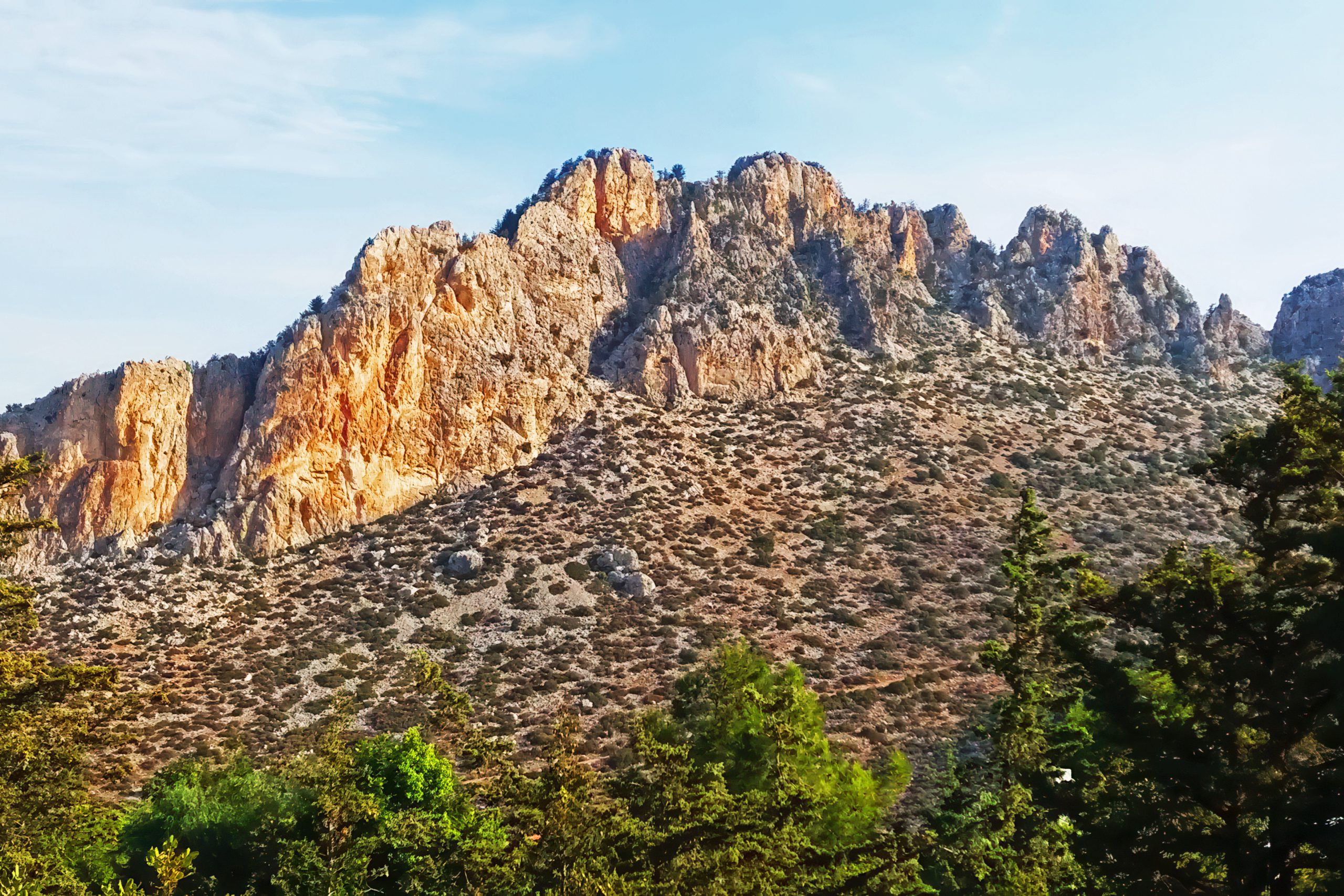
The second name, Pentadaktylos, means “five fingers.” It refers to one of the most striking peaks in the range, shaped like a closed fist pressed into the sky.
Local legend ties this formation to the mysterious figure of Digenis Akritas, the epic Byzantine hero who lives somewhere between history and myth. He appears in medieval Greek tales as the guardian of the eastern frontier, a warrior entrusted by the Emperor to defend Cyprus and the lands beyond from Saracen raids.
Digenis is no ordinary man. Born of mixed Greek and Syrian Arab heritage (hence his name, meaning “of two origins”) he is described as both deeply devout to Christ and almost superhuman. In the stories he fights entire armies alone, moves through mountains as if they were fields, and wields a strength that seems to belong more to legend than to flesh.
It is said that the very shape of Pentadaktylos bears his mark. In one story he undertakes a perilous journey to bring the holy water from Apostolos Andreas’ Monastery for his bride. When she refuses him, he throws the mountain at her in anger.
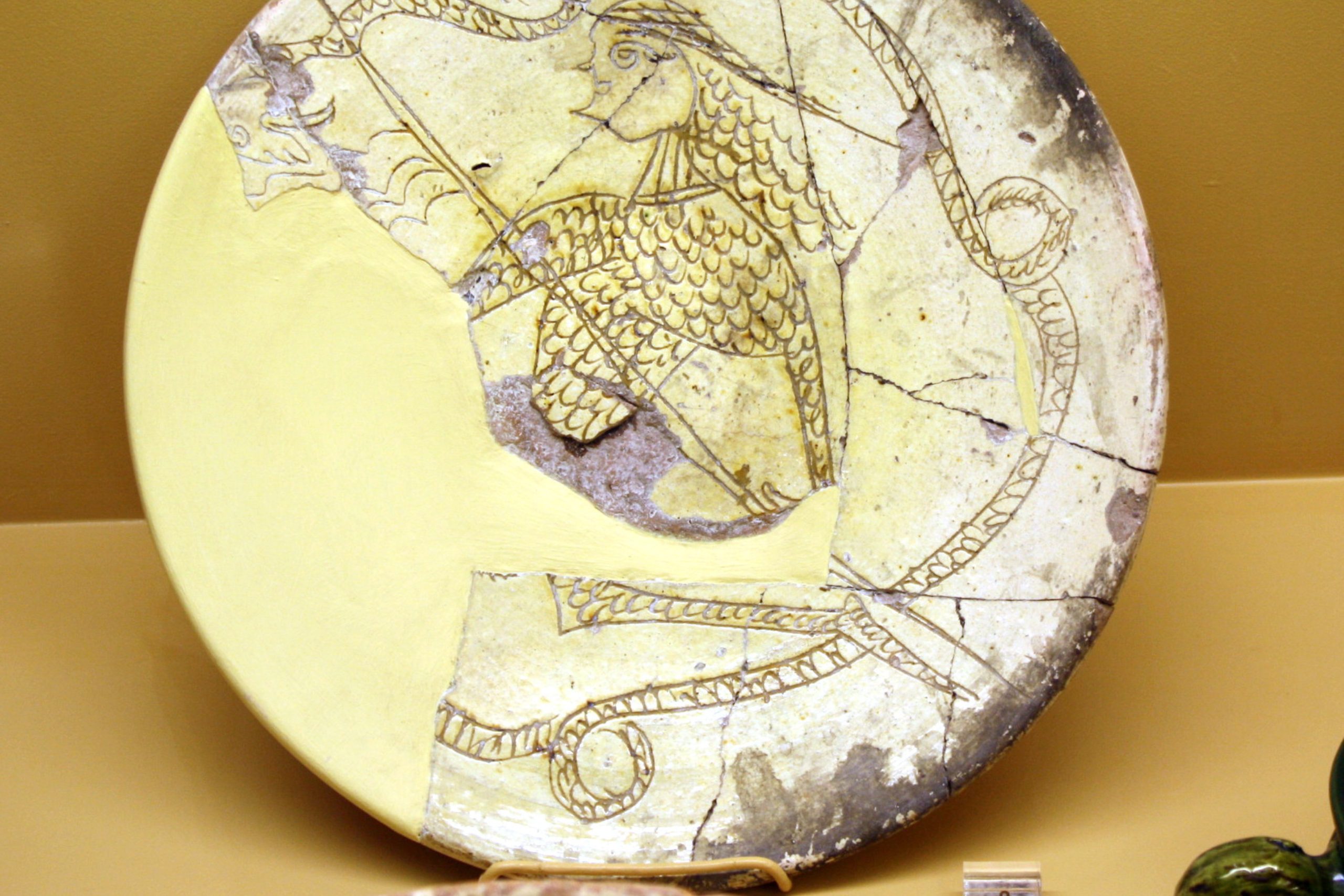
In another version, he hurls the mountain across the entire island to crush an invading enemy fleet near Petra tou Romiou in Paphos. This legend explains the Byzantine name of the Rock of Aphrodite, literally translated to English as “the Rock of the Roman” referring to Digenis himself. A feat no less worthy than those of Hercules.
Curiously, this myth carries a fragment of geological truth. Parts of the Kyrenia range share similarities in age and composition with older formations found within Mamonia Melange in western Cyprus. The idea of stone being “thrown” across the island is not entirely poetic.
2. Older than the T-Rex. The Birth of the Mountains that Crossed Worlds and Time.
Some parts of the Kyrenia Mountain chain began forming around 300 million years ago, during the Permian period.
At that time the world looked entirely different. Africa, South America, India, Antarctica, Australia, modern day Arabian Peninsula and Middle East, Anatolia, Iran, Tibet, Japan, Italy and Spain were joined into the supercontinent called Gondwana, and the region that would one day become Cyprus lay dormant beneath ancient seas along its margins. These were not violent underwater volcanic environments like those that later created Troodos. They were calm, shallow tropical waters, filled with life. Corals built reefs. Shells accumulated. Microscopic organisms settled to the seabed in endless layers.
These early rocks are preserved in what geologists call the Kantara Formation, named after the Crusader castle, that now stands high above the eastern ridge. Over millions of years these sediments hardened into massive limestones. What makes this remarkable is its age. These rocks existed long before the dinosaurs, before the Atlantic Ocean opened, before the Mediterranean even formed.
But the story did not end there.
Later, during the age of the Neo-Tethys Ocean, these slabs were submerged again. New younger layers accumulated above them. Eventually, tectonic push began to lift them once more as the island of Cyprus started to take its familiar shape, spearheaded by the subduction of Africa and the gradual rise of the nearby Troodos.
This collision created enormous compressional forces. Sedimentary layers that had formed quietly on the seabed were squeezed, folded and eventually thrust southward over younger formations.
Geologists describe Kyrenia Mountains as “allochthonous” meaning they were transported from their original position. Entire blocks of limestone were displaced and stacked, forming the narrow ridge we see today.
This process is similar to mountain building in parts of Turkey and Greece, including the famous Pindus Range or the Alanya Massif (just across the sea from Kyrenia), where continental fragments were broken and reassembled during the closure of ancient oceans.
In Cyprus, the Kyrenia range represents the southernmost margin of this tectonic mosaic. Its narrow shape thus reflects the intense compression that pushed the rocks upward and squeezed them into a tight belt. In geological terms they are a classic fold-and-thrust system. Layers were not only lifted but also stacked and tilted, creating steep ridges and sharp slopes.
Because the compression was intense and prolonged, the resulting mountains are unusually narrow and steep. In many places they rise almost directly from the surrounding landscape without gradual transition.
The Kyrenia Mountains are therefore not just old. They have been buried, raised, drowned, compressed, turned upside down and sideways, and then raised again, a survivor of multiple ancient worlds, carrying their memory.
3. The Rocks that Carved the Wall of Legends
The Kyrenia Mountains are built almost entirely from limestone, a sedimentary carbonate rock rich in calcium. Yet not all limestone is the same. Its character changes depending on mineral content, density, the conditions under which it formed and, perhaps most importantly, its age. As a result, each geological formation within the Kyrenia range reveals a different chapter in the mountain’s long and captivating story.
Kantara Formation: Echoes of Gondwana.
Geologists sometimes say that if you ever find yourself in East Africa, walk along the shores of Lake Tanganyika and remember where you stand. In a few million years, that land will no longer belong to Africa. It will drift away and become a new continent altogether. In Cyprus, you can do the opposite.
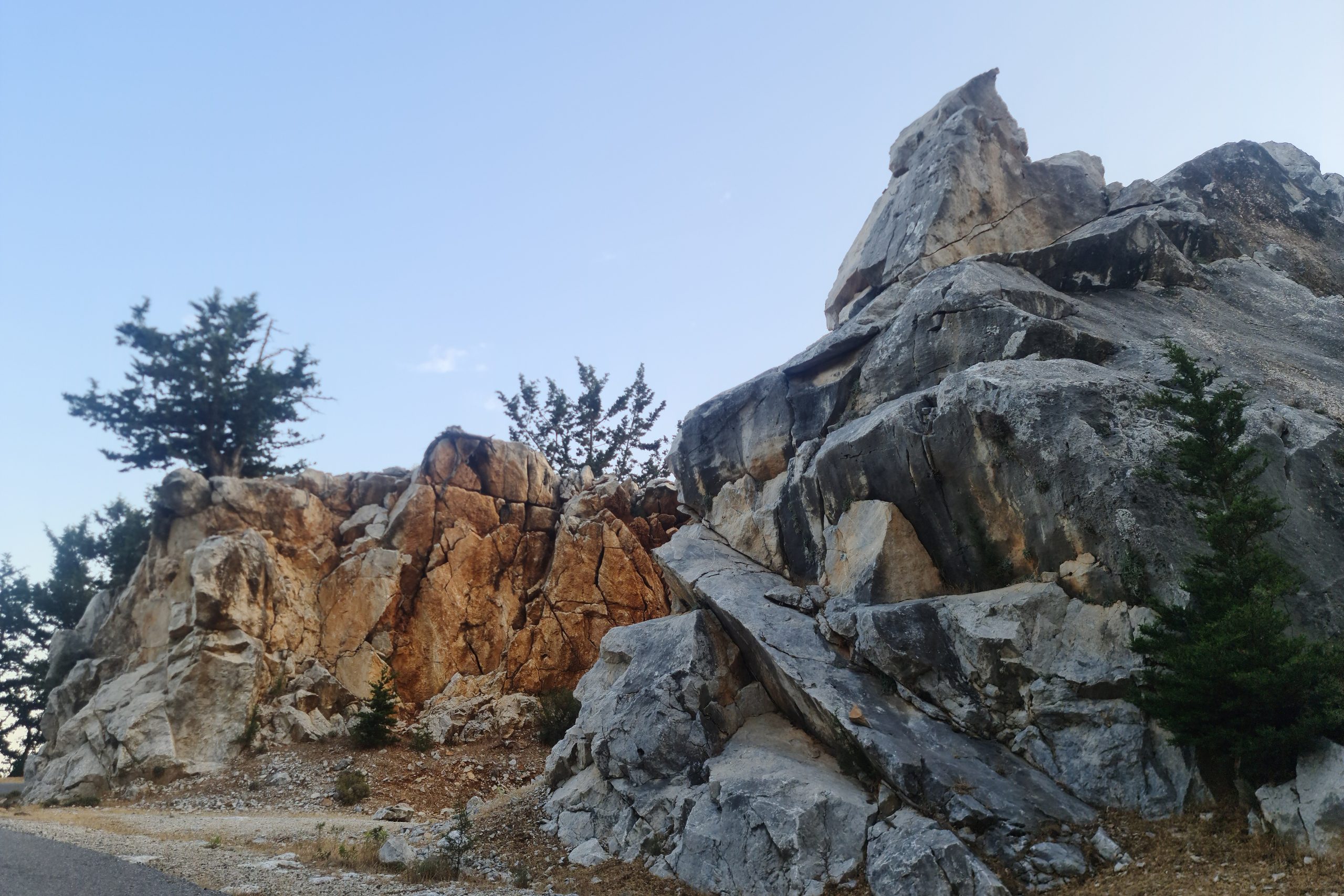
Drive along the narrow ridge road beneath Kyparissovouno, or walk the forest trails near Kantara Castle, and you are stepping not into the future, but into a fragment of a continent that has already vanished. What lies beneath your feet is not just mountain rock. It is the echo of Gondwana, a world that disappeared hundreds of millions of years ago.
These are the rocks of the Kantara Formation, the oldest in the Kyrenia range. They formed around 300 million years ago. Massive reef limestones grew slowly beneath ancient waters, layer upon layer, until they became thick, solid bodies of stone. Today they appear pale grey, beige or weathered brown, heavy and silent, as if they have outlived everything around them.
Time has broken them apart. Some now stand as isolated blocks, embedded within younger rocks like fragments of a lost world. Others have eroded into enormous boulders, rising tens of metres high. In places, entire masses stretch for over a kilometre, too large to comprehend at once, like pieces of a continent scattered across the mountain.
You can encounter these relics in two main regions: around Kantara Castle, where they emerge from the forested slopes, and along the western ridge above the Morphou–Kyrenia road, just before the mountains rise toward their highest peak of Kyparissovouno.
Walk among them long enough and a strange thought begins to settle in.
These stones have outlived oceans, continents and entire landscapes. What you are touching is not just part of Cyprus, but a fragment of a world that no longer exists, carried here and left behind like a memory.
Dhikomo Formation: The Hidden Marble of Cyprus.
If you ever visit the Cyprus Museum in Nicosia, leaf through a Cypriot passport, or hold one of the old Cypriot twenty-pound notes in your hands, you may notice an impeccably beautiful, pale, almost glowing statue of Aphrodite of Soloi. The stone it is carved from is marble, and in Cyprus, that marble comes from just one small corner of the Kyrenia Mountains.
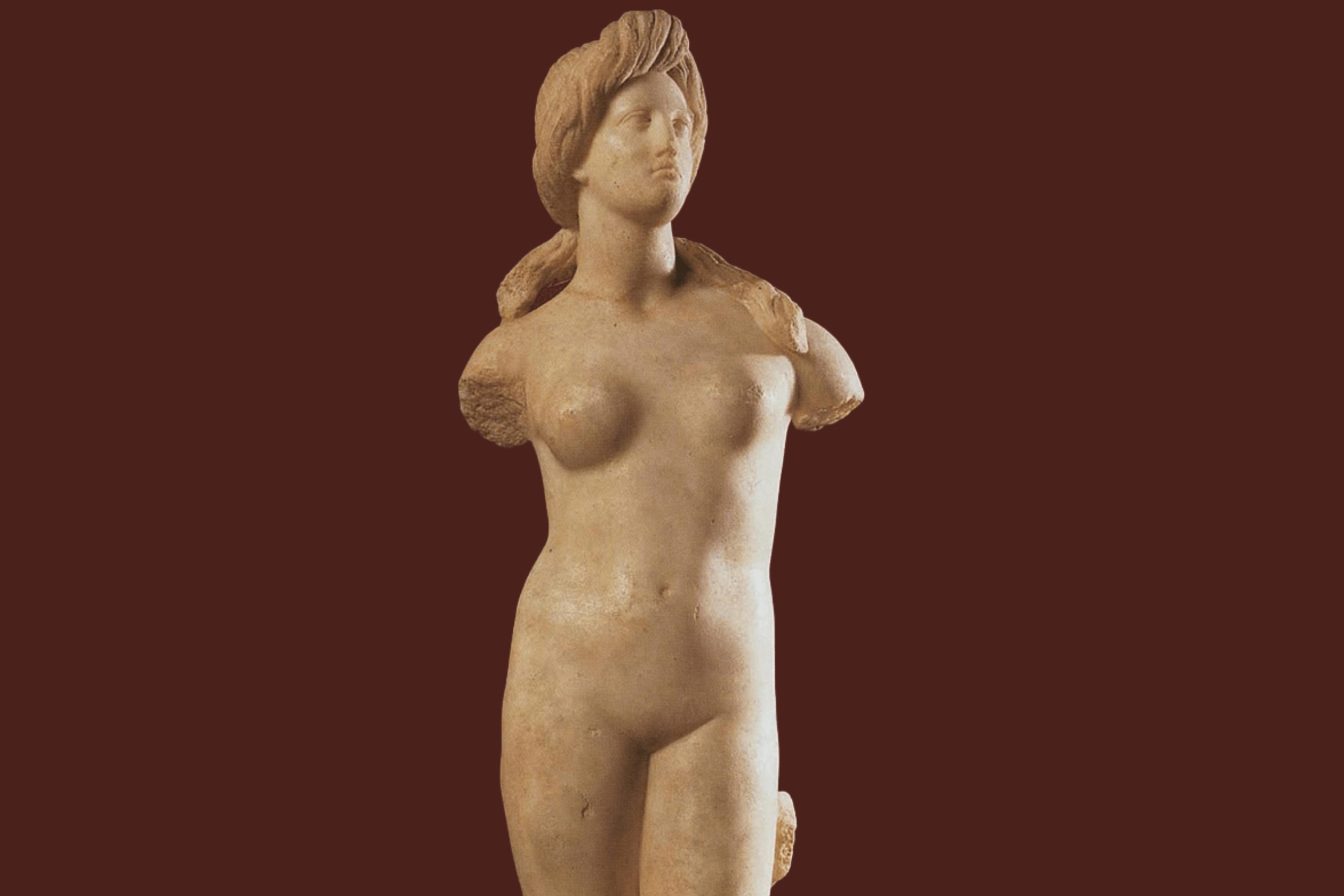
This is the Dhikomo Formation, a younger, rarer, yet still ancient part of the range, formed roughly between 250 and 200 million years ago, and the only natural source of marble on the island.
Marble, one of the most prized materials in human history, forms when limestone is subjected to intense heat and pressure deep within the Earth. Over time it recrystallises, becoming denser, smoother and capable of holding fine detail the very reason it has been used in art and architecture since antiquity.
One cannot help but imagine walking in the footsteps of Pygmalion, the mythical king of Paphos and high priest of Aphrodite. Legend says he was so moved by the beauty of the stone that he carved the statue of the perfect woman, Galatea, from marble. The goddess herself, touched by his devotion, brought the statue to life and made her his wife. Standing among these rocks, it is easy to understand how such a love story could be born, how stone, under the right hands and the right light, might begin to feel almost alive.
Cypriot marble has a character of its own. On the surface it often appears dark and weathered, yet when broken open it reveals a pale, almost luminous interior, threaded with delicate calcite veins. In places, layers of another mineral phyllite run through the stone, giving it a subtle silky shimmer when caught by the ever-present sunshine.
Geologically, the Dhikomo Formation marks the base of the Kyrenia range’s main limestone sequence a transition between older massive limestones and the later formations that build the dramatic ridges that Kyrenia is known for.
These rocks can be encountered along the approaches to Kantara Castle from the south-west, and in smaller pockets in the westernmost part, where fragments of this rare stone emerge quietly among the slopes, as if hiding in plain sight.
Sykhari and Hilarion Formations: The Natural Castles of Kyrenia
The heart of the Kyrenia Mountains is built from two formations that give the range its unmistakable silhouette: the Sykhari and Hilarion. Together, they form the spine of the ridge, shaping its jagged skyline, its vertical walls and its almost architectural appearance.
These rocks were formed between the Triassic and early Cretaceous periods, roughly 250 to 100 million years ago, during long stretches of calm when this region lay beneath ancient seas. It was a quiet world of sediment and slow accumulation. Then everything changed. Deep within the Earth, forces began to build that would later give rise to Troodos. With it came immense pressure, uplift and erosion, reshaping these older marine rocks. The Sykhari and Hilarion formations were lifted, fractured and exposed, ultimately sculpted into some of the most dramatic landscapes in the eastern Mediterranean.
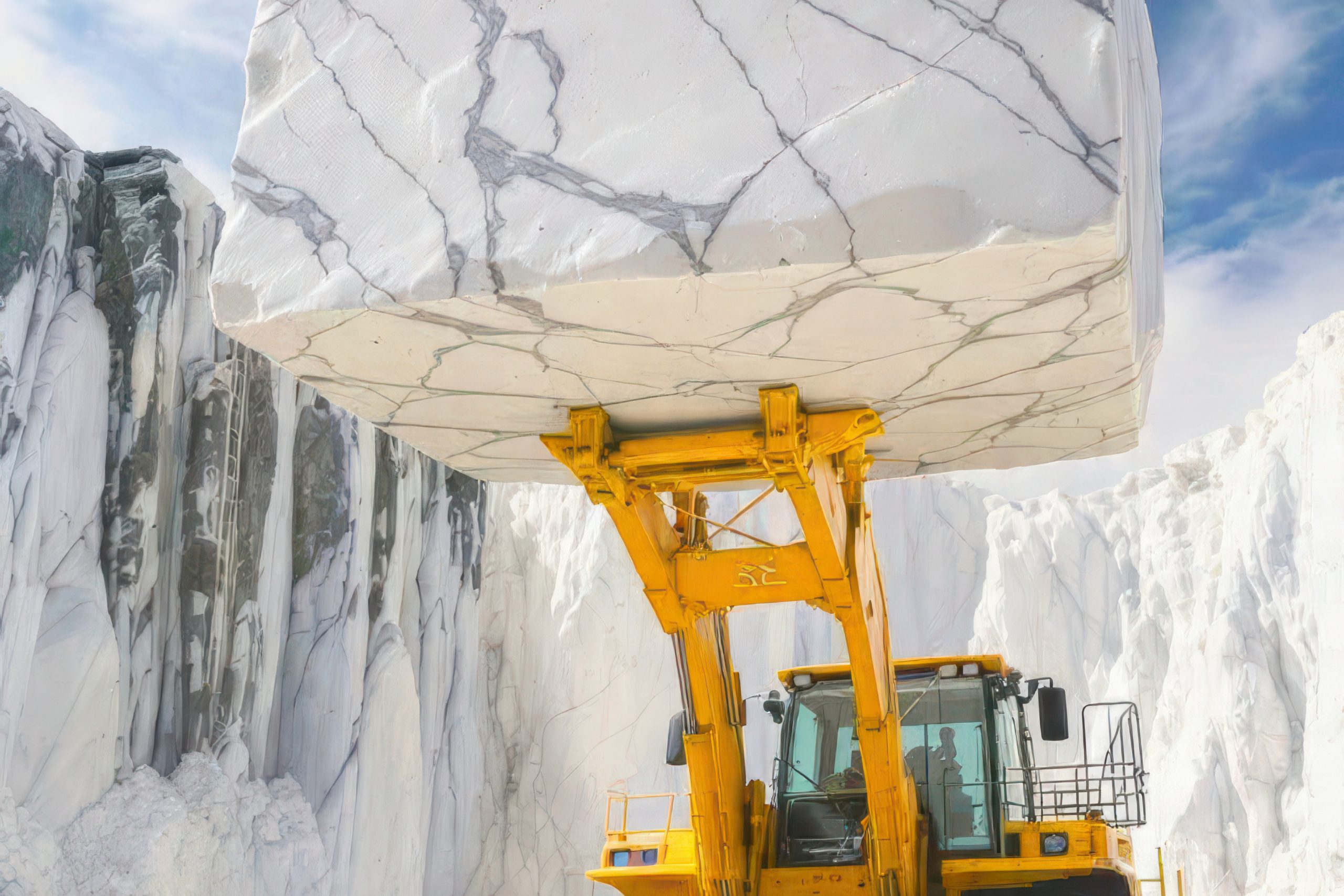
The Sykhari Formation is dominated by dolomitic variety of limestone, one of the hardest and most resilient forms of carbonate rock. Dolomite forms when magnesium-rich fluids alter limestone over geological time, strengthening its structure and making it far more resistant to weathering.
The name does indeed sound familiar. You may have come across it while planning a ski trip, watching the Winter Olympics, or even while brushing your teeth in the morning. It is the very same rock that gives its name to the Dolomitic Alps of northern Italy, famous for their towering peaks and sheer cliffs. It also appears in ceramics and modern design, from tiles to bathroom surfaces. Yet here in Cyprus, this stone plays a far older and far more elemental role.
Because dolomitic limestone resists erosion, it remains standing while softer surrounding rocks are gradually worn away. The result is a landscape of towers, ridges and vertical walls, often appearing almost man-made in their precision. Entire sections of the Kyrenia range resemble ruined fortresses or abandoned cities carved from stone.
One of the most striking examples of the Sykhari Formation can be seen at Buffavento peak, where the rock rises in sharp, wind-sculpted forms. It is no coincidence that the Crusaders chose this exact spot to build Buffavento Castle. The name itself comes from Italian and roughly translates to “defying the wind” a quiet acknowledgement of the forces that shaped both the rock and the Medieval fortress upon it.
Dolomitic rocks here range in colour from light grey to dark graphite, often appearing almost metallic under certain light. In the heat of the day they feel solid and unyielding. At sunset they soften, taking on warmer tones, as if the mountain itself is slowly changing character.
Interwoven with the dolomites of Sykhari is the Hilarion Formation, slightly younger in age, dating from the Jurassic to early Cretaceous periods. It takes its name from St. Hilarion Castle, yet another keep perched impossibly high along the ridge.
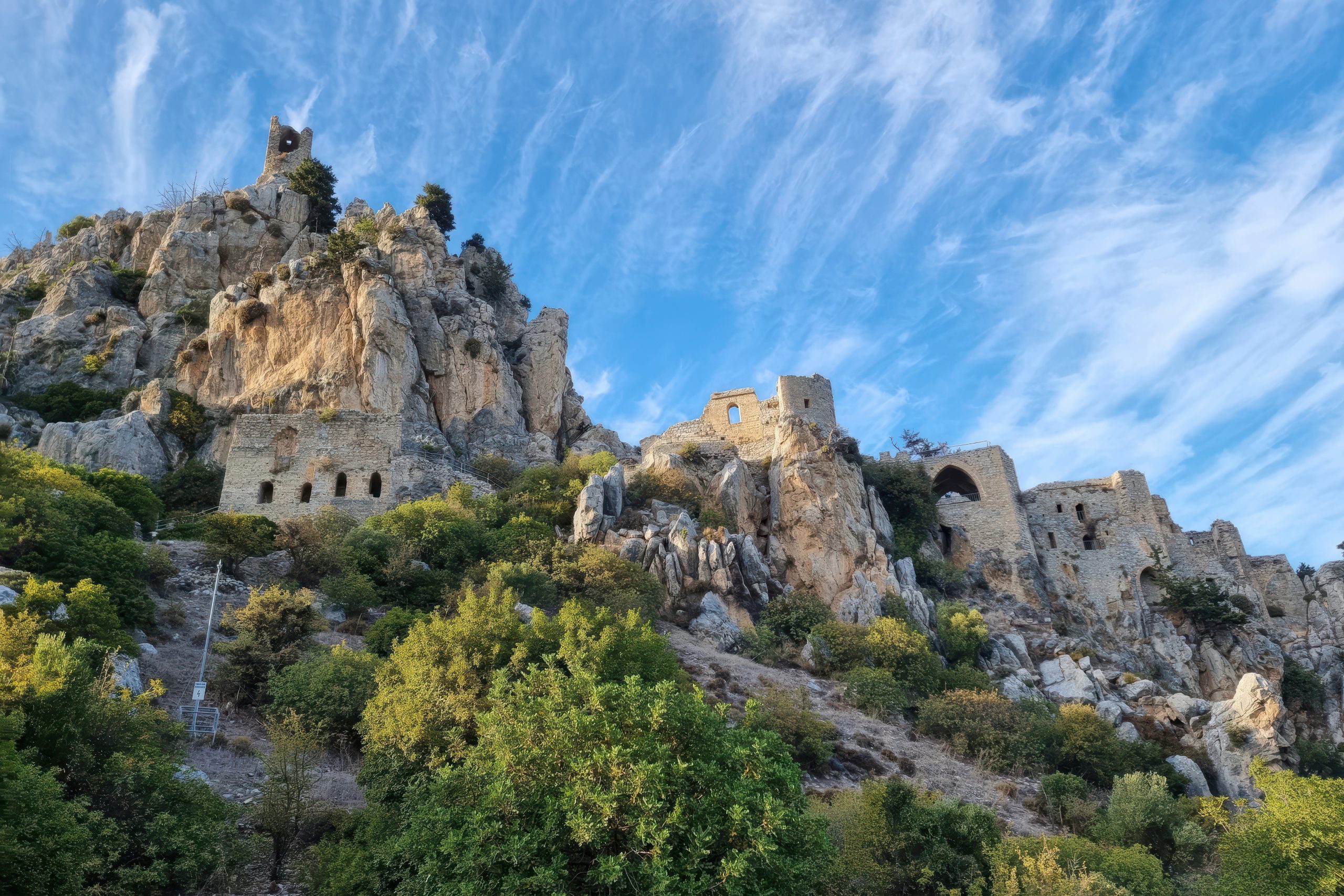
The rocks of this formation consist largely of recrystallised limestone, which has been altered under pressure, becoming denser and more compact. Compared to the dolomites, they are often more fractured and varied in texture.
Here the mountains take on a different expression.
The stones tend to be yellowish to brownish, sometimes pale and dusty, sometimes deep and weathered. They are more prone to breaking and reshaping, creating surfaces that appear cracked, layered and occasionally almost sculptural. In some places they form brecciated textures, where fragments of rock are fused together, resembling coarse stone mosaics.
These rocks often preserve subtle traces of their marine origin. Fossilised algae and ancient life forms can sometimes still be detected within them, quiet reminders that these towering ridges were once seabeds.
The most iconic example of the Hilarion Formation is the Pentadaktylos peak itself, the famous “five fingers” pressed into the mountain. Its shape is so distinct that it almost defies explanation. The same formation also dominates the northern slopes of Kyparissovouno, where the ridge drops sharply toward the sea.
Together, the Sykhari and Hilarion formations create the visual identity of the Kyrenia Mountains.
They are the reason the range appears not as a gentle rise, but as a line of towers, a wall of stone shaped by time, pressure and erosion. Long before castles were built upon them, the mountains themselves already looked like fortifications. And perhaps that is why they were chosen.
Lapithos Formation: Rise, Cyprus, Rise!
At lower elevations lies the Lapithos Formation, younger and softer, formed during the later stages of Cyprus’s uplift. They mark the stage when Cyprus was beginning to emerge from the sea.
It resembles the chalky Lefkara formation found in the Circum-Troodos sedimentary region and contributes to gentler slopes near the base of the mountains.
Lost Song of Fire Within the Stone
For all its identity as a limestone mountain chain, the Kyrenia range occasionally reveals something unexpected.
Hidden within the folds of the ridge, especially toward the Karpasia Peninsula and the remote reaches of Cape Apostolos Andreas, small pockets of mélange-like material begin to appear. These are not dominant features, but rather scattered intrusions that interrupt the otherwise orderly sedimentary story.
Here and there, the pale limestones give way to darker, denser rocks. Basalts emerge, sometimes smooth and weathered, sometimes fractured into sharp blocks. In certain outcrops, one can even encounter traces of our familiar character, serpentinite, the “snake-stone” greenish and slick to the touch, reminiscent of the formations seen in Mamonia.
Running through these rocks are occasional quartz veins, bright and glassy, cutting across darker material like frozen streaks of lightning.
These minerals do not belong naturally to the surrounding limestone sequence. They are outsiders, fragments of alien geological material that were caught, transported and embedded during the complex tectonic movements that shaped the range.
Their presence hints at a more chaotic past.
They suggest that even here, within what seems like a purely sedimentary mountain, forces of volcanic origin once played their part. That pieces of oceanic crust, or remnants of ancient tectonic zones, were carried into the structure and left behind like misplaced memories.
In those rare darker outcrops, the calm story of limestone briefly gives way to something deeper, older and far more restless.
4. Karst, Caves and Hidden Landscapes
Stand on the walls of the medieval fortress in the port of Kyrenia and look up. The mountains rise in layers of pale stone, sharp and sculpted, almost familiar. There is something about them that feels European, almost Alpine. And you would not be entirely wrong to think of southern France. Yet the French knights who had once built the castle have nothing to do with it.
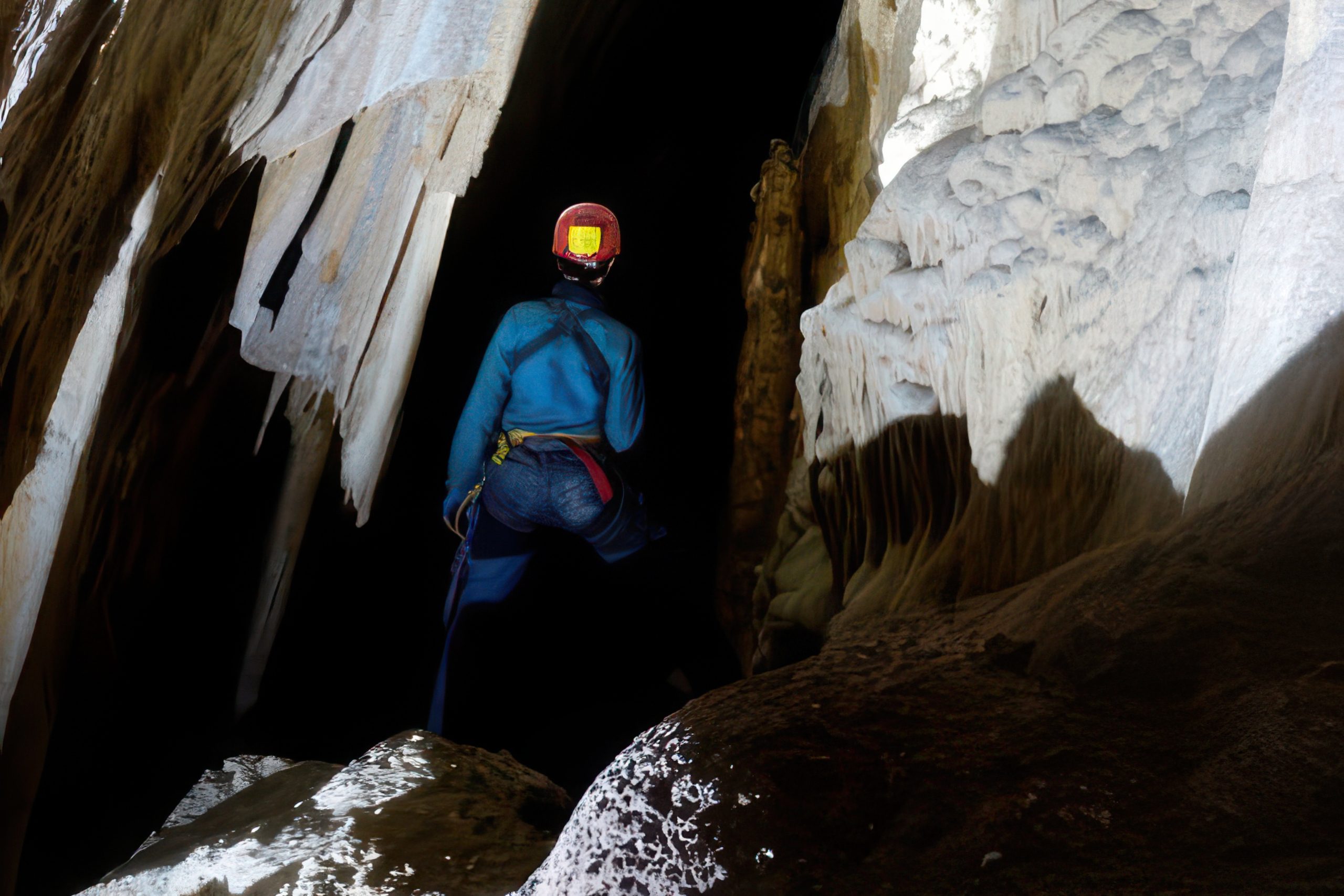
The resemblance comes from geology. Both the Côte d’Azur and the Kyrenia Mountains belong to a landscape type known as karst.
Because the range is composed mainly of limestone, it is highly susceptible to karst processes: the slow transformation of rock through its interaction with water over millions of years. Rainwater, slightly acidic, seeps into the stone and gradually dissolves calcium carbonate. What begins as invisible chemistry becomes landscape.
Over time this process creates a hidden world beneath the surface:
• caves and underground chambers
• sinkholes and collapsed cavities
• networks of subterranean drainage systems
These features are widespread throughout the Kyrenia range, particularly in areas dominated by dolomitic limestone. Some caves contain delicate mineral formations built drip by drip over thousands of years. Others remain concealed, known only to local explorers or hinted at by subtle depressions in the ground above.
In certain places, mineral-rich waters emerge from the rock and deposit travertine, forming layered terraces and pale crusts that slowly grow with each passing season.
Much of this underground landscape of Kyrenia remains largely unexplored even today. The terrain is difficult, the cliffs unstable, and the entrances often hidden.
What appears from afar as a solid wall of stone is, in reality, a mountain quietly hollowed from within.
5. The Stones that Made History
The Kyrenia Mountains have always been more than a geological formation. They are a barrier, a gateway and, at times, a fortress in their own right.
Their steep slopes and narrow ridges made them difficult to cross. Movement between the northern coast and the Mesaoria plain was never easy. Instead, it was forced through a handful of natural passes: narrow corridors that became strategically vital long before they were mapped or fortified.
During the Middle Ages, this geography shaped history.
The Crusaders quickly understood what the mountains already knew. Whoever controlled the passes controlled the island. And so, along the ridge, they built a chain of castles that still define the skyline today:
• St. Hilarion Castle, rising above the plain, served as a royal residence for the Lusignan kings and one of the most spectacular strongholds in the eastern Mediterranean
• Buffavento Castle, the highest and most inaccessible, functioned as a watchtower, guarding the central passage through the range
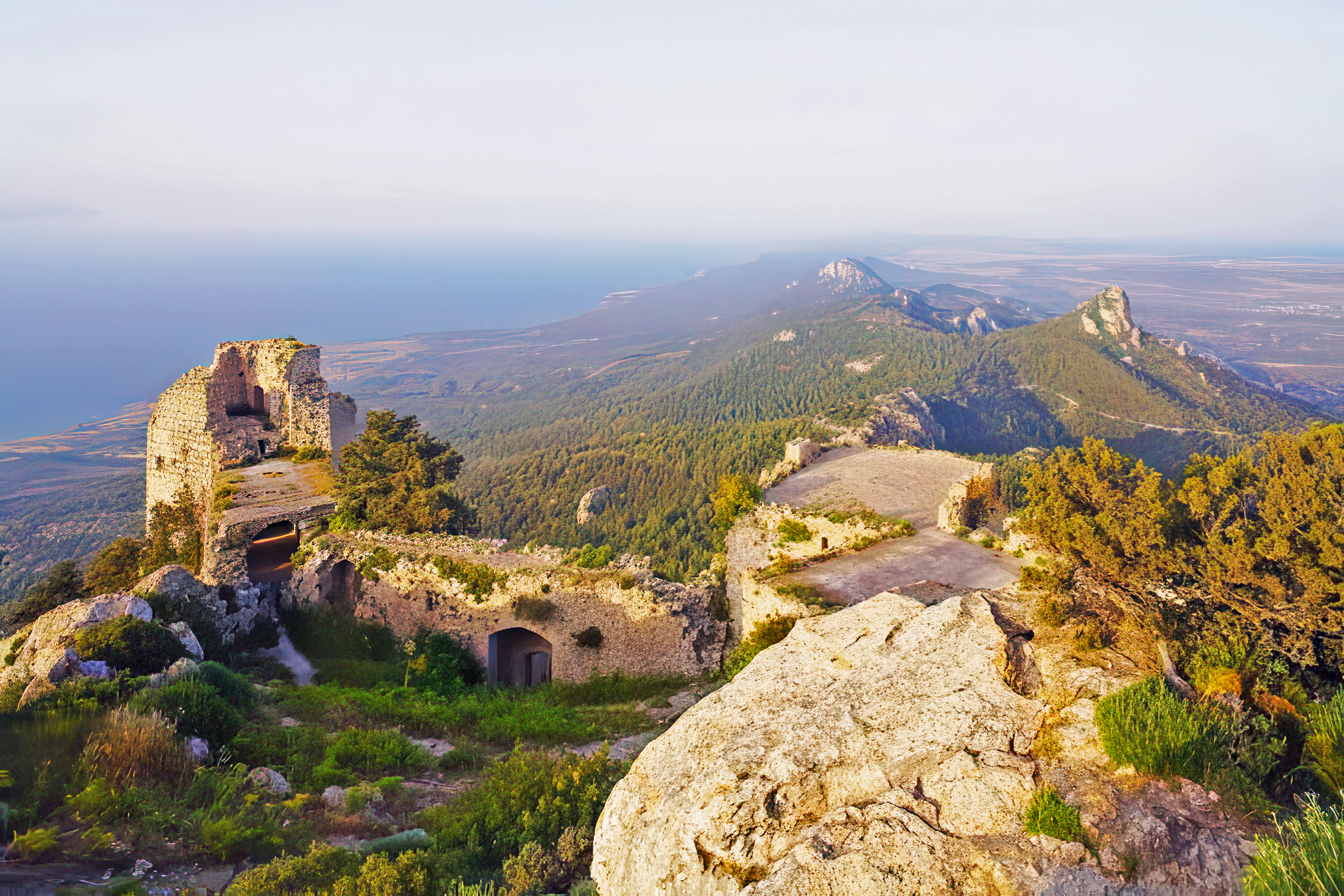
• Kantara Castle, positioned at the eastern end, controlled access to the long and exposed Karpasia Peninsula
These fortresses were not placed by chance. They sit exactly where the mountain allows passage. From their walls, one can see both worlds at once: the sea to the north and the plains to the south. Signals could be passed from one castle to another, creating a defensive chain stretched across the ridge.
Even today, the logic remains unchanged. Modern roads still wind through the same narrow gaps, following routes that have been used for centuries, sometimes millennia.
But the influence of the Kyrenia Mountains goes deeper than strategy. They also shaped settlement.
The broader coastal strip at the foot of the mountains, where the town of Kyrenia stands today, was already inhabited in the late Neolithic period by some of the earliest settlers on the island. The natural shelter provided by the mountains, combined with access to the sea, made it an ideal place to live.
Later, during antiquity, the Achaean Greek city-kingdoms of Lapithos and Karpassia flourished along this northern coast. Their harbours connected Cyprus to the wider Mediterranean, while the mountains behind them offered protection and resources.
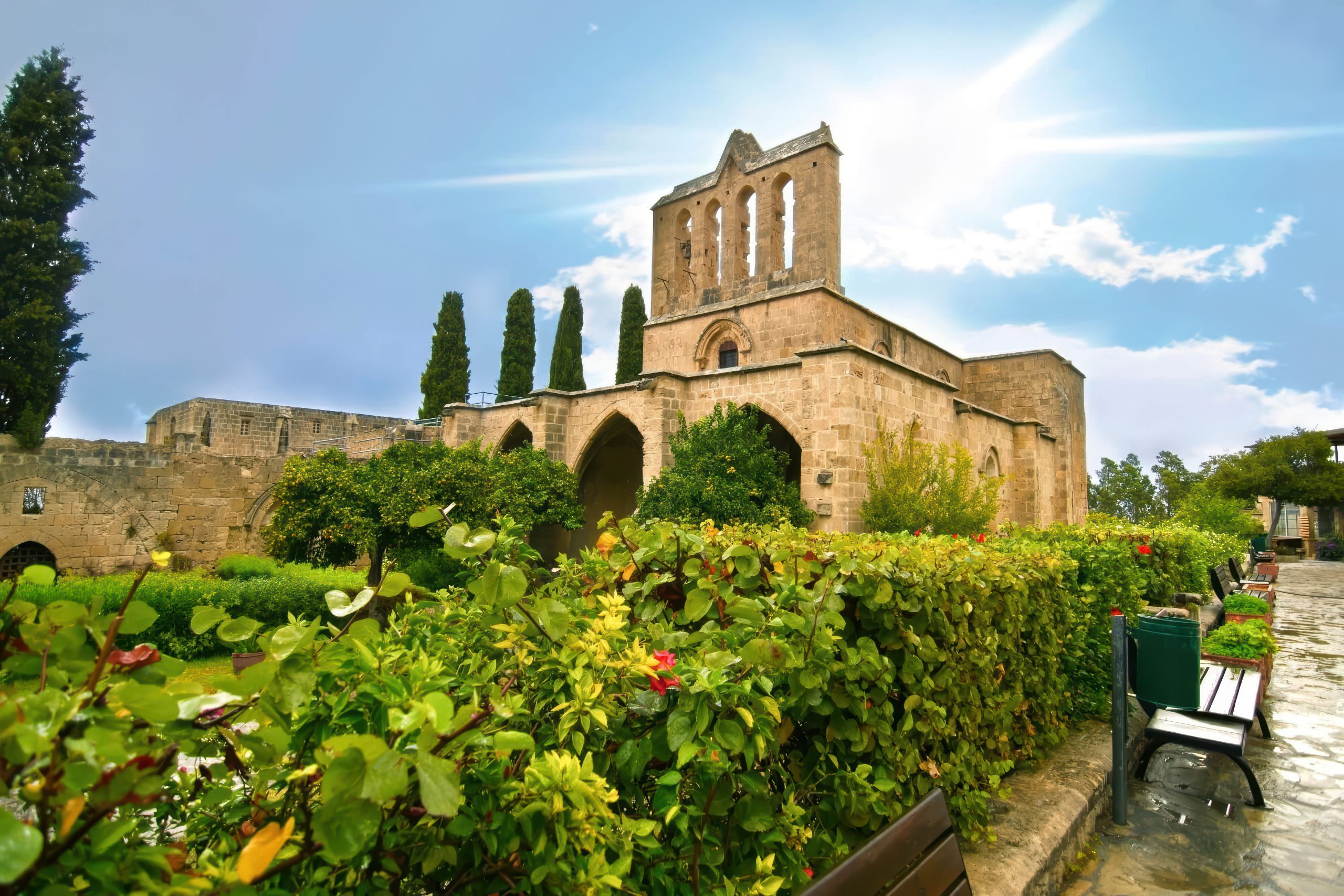
And resources they provided. The limestone of the Kyrenia range became the fabric of the region’s architecture. It built not only the castles that crown the ridge, but also the Kyrenia fortress, the elegant Gothic monastery of Bellapais, and the medieval streets of the town itself, where the cobblestones still echo with centuries of footsteps.
From deeper within the range came marble, used for statues, columns and decorative elements that carried Cypriot craftsmanship far beyond the island.
In this way, the mountains did not simply stand above history. They became part of it.
6. Wildlife and Birds
The mountains provide habitat for diverse wildlife despite Cyprus’s relatively limited mammal population. Foxes roam the forested areas, while hares inhabit open spaces. The Cypriot mouse, an endemic rodent, lives in rocky areas. Hedgehogs and bats occupy various ecological niches.
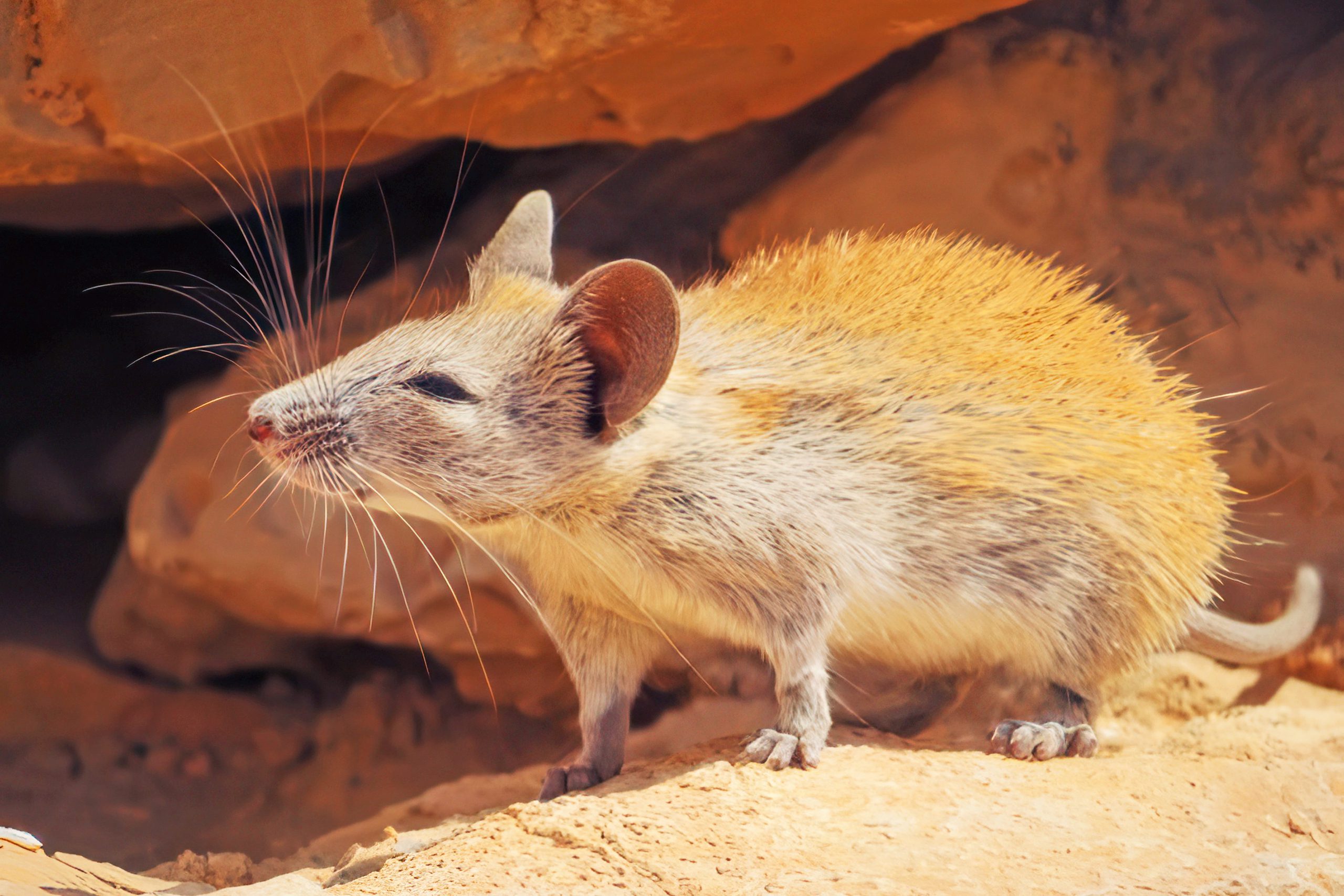
The range supports important bird populations as a stopover point for species traveling between Europe and Africa. Cyprus lies along major migration routes, and the mountains concentrate birds before they cross the Mediterranean. The Cyprus warbler and Cyprus wheatear, both endemic species, breed in the rocky terrain and scrubland.
Raptors use the mountains for hunting and resting during migration periods. Eleonora’s falcon breeds along the cliffs, while other species of eagles, buzzards, and kestrels pass through seasonally. The range around Kantara Castle provides excellent vantage points for bird watchers to observe species such as the spectacled warbler.
Reptiles include various harmless snakes such as the Cyprus whip snake, along with several lizard species that bask on sunny rocks. The Cypriot blunt-nosed viper, a large and dangerous but non-aggressive snake, inhabits rocky areas. Numerous
7. Conclusion: The Line That Never Moves
The Kyrenia Mountains do not dominate Cyprus by height. They dominate it by presence.
A line across the Northern horizon. A boundary that feels both physical and symbolic. They do not invite you in gently. They confront you. They rise suddenly, sharply, as if the Earth itself decided to draw a line and leave it untouched.
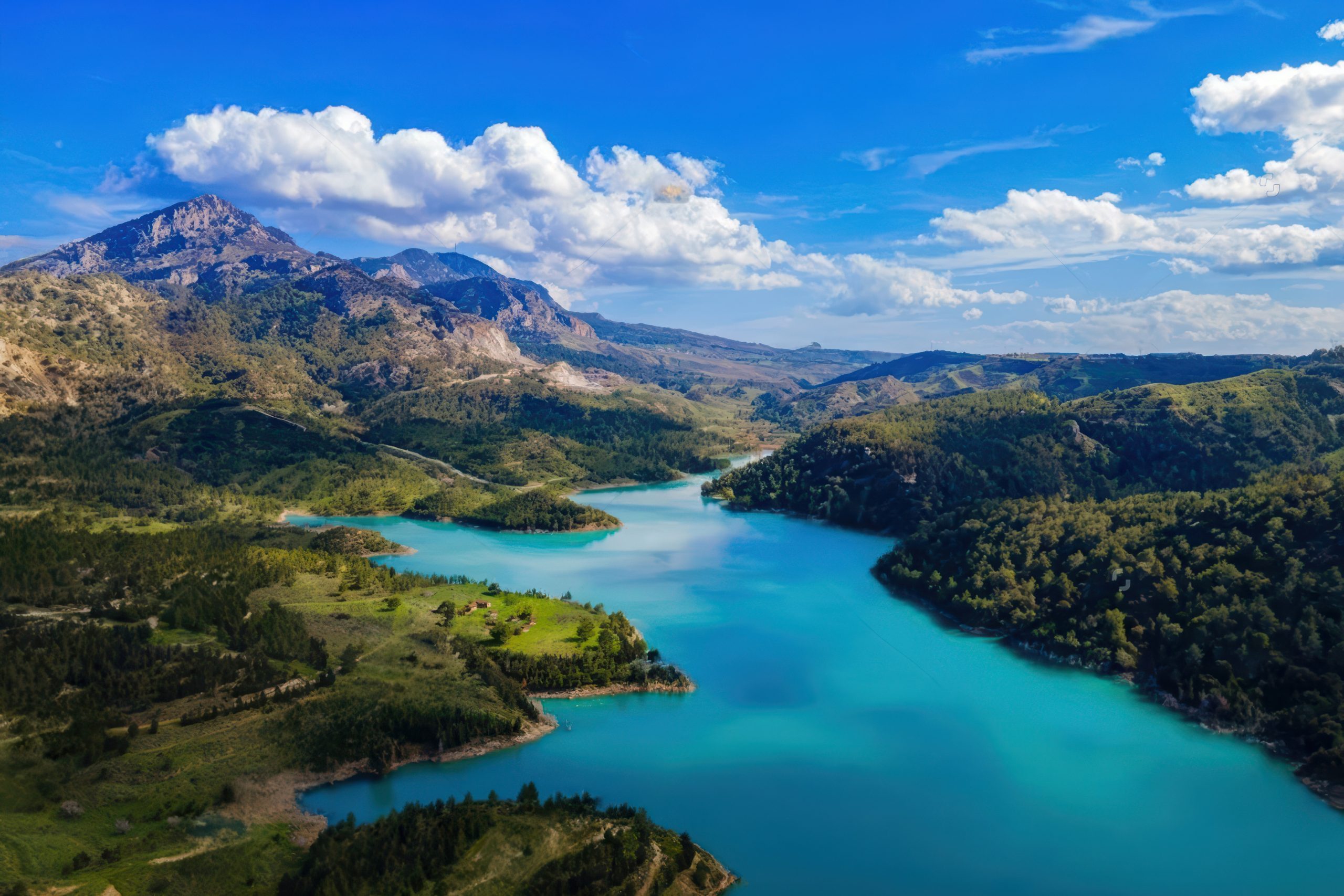
And yet, within that line lies a story far older than the island around it. These mountains were born in ancient seas long before Cyprus existed. They were carried across shifting continents, buried beneath oceans, compressed, fractured and lifted back into the light.
Their stones remember Gondwana, the Neo-Tethys and the slow closing of worlds that no longer exist. Unlike Troodos, which reveals the deep interior of the Earth, Kyrenia tells a different story. A story of pressure, of time, of layers pushed together until they rose into something narrow, sharp and enduring.
But geology alone does not explain their presence.
The Kyrenia Mountains shaped the life of the island just as much as they shaped its land. They guarded the northern coast, dictated the paths of travellers, and forced armies and kings to follow their rules. They offered stone for castles, monasteries and towns, and in return became crowned with fortresses that seem almost inevitable, as if they had always belonged there.
Even their myths reflect this. The five-fingered fist of mighty Digenis Akritas forever pressed into the ridge. The deer of Hercules tied to their name. Stories of strength, of movement, of forces that reshape the land. Legends that feel less like invention and more like echoes of something deeper.
Stand before them long enough and a strange thought begins to form.
These mountains do not feel like something that simply grew here. They feel placed. Lifted.
Set between the sea and the plain as a final boundary. A wall of stone that has watched everything change around it. And yet, it remains exactly where it has always been.