Cyprus holds a unique position in metalworking history. The island gave its name to copper itself, with the Latin term “cuprum” deriving from “Cyprus.” For over 6,000 years, Cypriot artisans have shaped metals into tools, weapons, jewelry, and decorative objects.
The tradition spans from simple Chalcolithic copper tools around 4000 BCE to Byzantine gold treasures and modern handcrafted silver jewelry. This heritage connects ancient mining operations in the Troodos Mountains with contemporary workshops where craftspeople maintain techniques passed down through generations.
Historical Background
The metal story in Cyprus begins during the Chalcolithic period when early settlers discovered native copper deposits. By 3000 BCE, Cypriots were already working copper to create artifacts of high quality that circulated throughout the Mediterranean. Archaeological evidence shows that copper smelting started during the third millennium BCE, transforming the island into a major production center.
The Bronze Age brought massive expansion. Cyprus became the largest copper supplier around the Mediterranean, with the island’s strategic location between three continents making it a vital trading hub. Ancient texts from Babylon, Mari, and Alalakh dating to the 19th through 17th centuries BCE mention copper from Alashiya, the Bronze Age name for Cyprus. The Ulu Burun shipwreck discovered off Turkey’s southwestern coast carried over 10 tons of Cypriot copper ingots when it sank in the late 14th century BCE, demonstrating the scale of international trade.
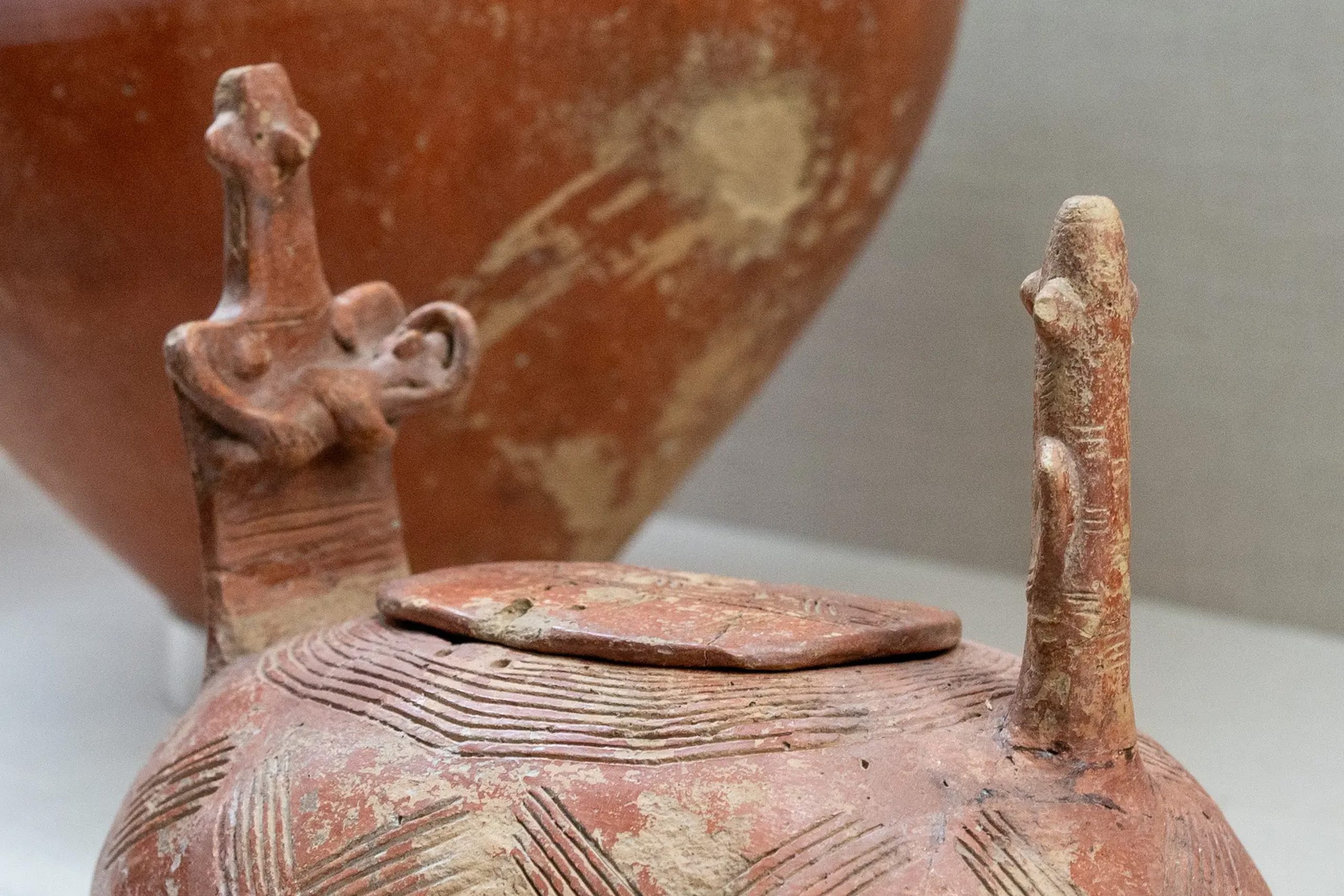
The copper deposits formed 90 million years ago during seafloor spreading in the Upper Cretaceous period. Black smokers, underwater volcanic vents, ejected superheated mineral-rich water that concentrated copper in the pillow lavas circling the Troodos Mountains. These geological formations created some of Europe’s richest copper ore deposits. Ancient miners extracted high-grade metal called copper talents from surface deposits initially, then developed underground mining galleries as surface sources depleted.
Distinctive Features of Cyprus Metalwork
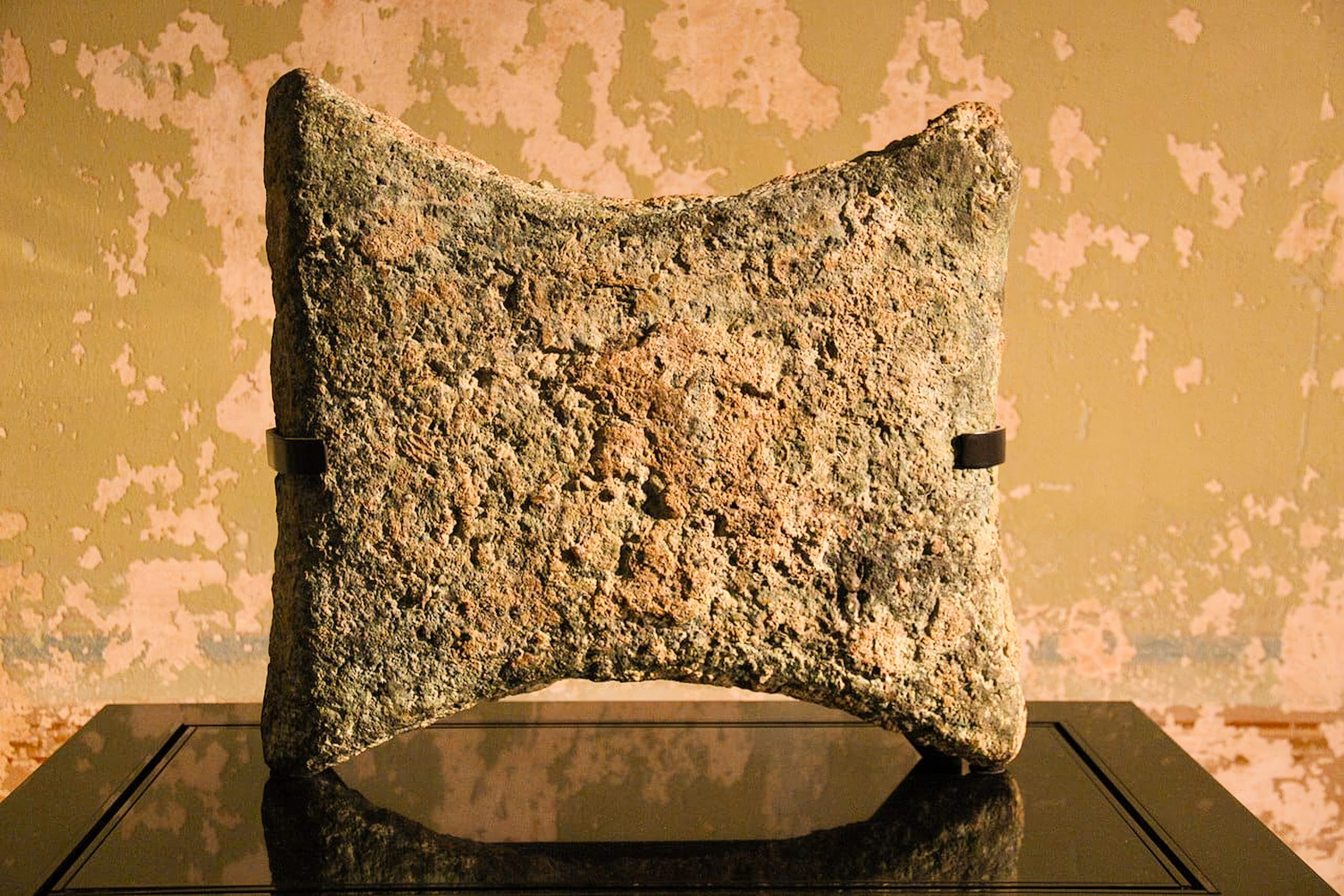
Copper craftwork in Cyprus developed specific characteristics. Bronze Age metalsmiths created ox-hide shaped ingots, a distinctive form that became standard for Mediterranean trade. These ingots weighed around 36 kilograms each and appeared in foundry hoards at major settlements like Enkomi. Bronze four-sided stands and tripods from the Late Bronze Age represent some of the finest metalwork in the eastern Mediterranean, with detailed decorative elements showing human figures carrying copper ingots.
The transformation from copper to bronze required adding tin, which Cypriots began doing by the start of the second millennium BCE. True tin bronzes enabled production of superior tools, weapons, and decorative items. Bronze Age workshops produced limited types initially, including pins, razors, and simple weapons. By the Late Bronze Age, nearly all major centers including Enkomi, Kition, and Hala Sultan Tekke showed increased metallurgical activity with more sophisticated products.
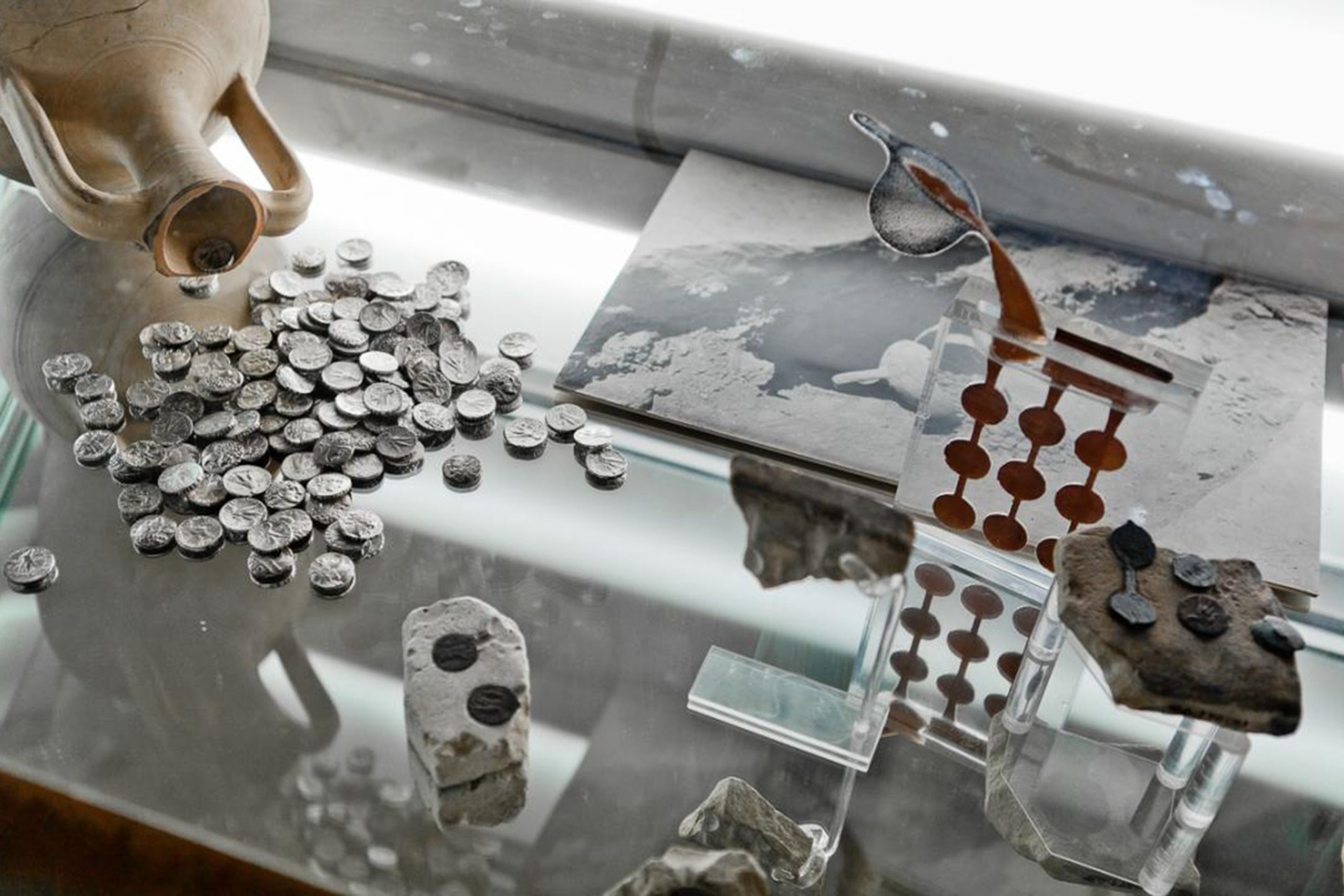
Gold and silver working developed alongside copper traditions. Archaeological discoveries reveal Cypriot artisans crafted gold and silver jewelry as early as 2500 BCE. The island’s position fostered trade that brought influences from the Near East and Aegean region. During the Cypro-Archaic period around 750 to 480 BCE, artisans assimilated Assyrian, Egyptian, and Greek elements, creating unique pieces with intricate motifs and sophisticated metalwork.
Surprising Facts About Cyprus Metals
The word copper comes directly from the Latin “Cyprium aes,” meaning metal from Cyprus. Romans recognized the island as their primary copper source, giving the metal a name that persists across languages worldwide. This linguistic legacy demonstrates how fundamental Cyprus was to ancient metal supply chains.
Medieval furnaces from the 16th century found in Lapithos provide evidence of sustained pottery and metalwork production for about 500 years. The village gained fame for copper and silver items with representations copied from archaeological museum pots and from Curium and Paphos frescoes. Traditional items included cauldrons, pans, ibrikia for making Cyprus coffee, and decorative sieves with both traditional and new designs.
Emperor Justinian created a law in 529 CE stating that sapphires, emeralds, and pearls were reserved for imperial use, but every free man could wear a gold ring. This regulation reflects how precious metal jewelry served as a status marker throughout Byzantine society. Byzantine royalty covered themselves in jewelry from headwear to body ornaments, with large gem-set necklaces popular among women and gold bracelets favored by men.
The Skouriotissa copper mine continues operating today, making it possibly the world’s oldest mine in continuous use since its founding. Modern miners constantly encounter ancient Roman galleries during excavation. In 2010, the mine exported approximately 13.1 million US dollars worth of copper, much from reprocessing waste material left by previous operations. New technology and economics make previously unprofitable low-grade deposits viable for extraction.
Cyprus copper deposits contain trace amounts of gold and silver, though not enough to have justified separate extraction in ancient times. The weathering of copper deposits produced colorful gossans, iron-rich surface layers that ancient prospectors could identify from a distance to locate mining sites.
Why Cyprus Metalwork Matters Now
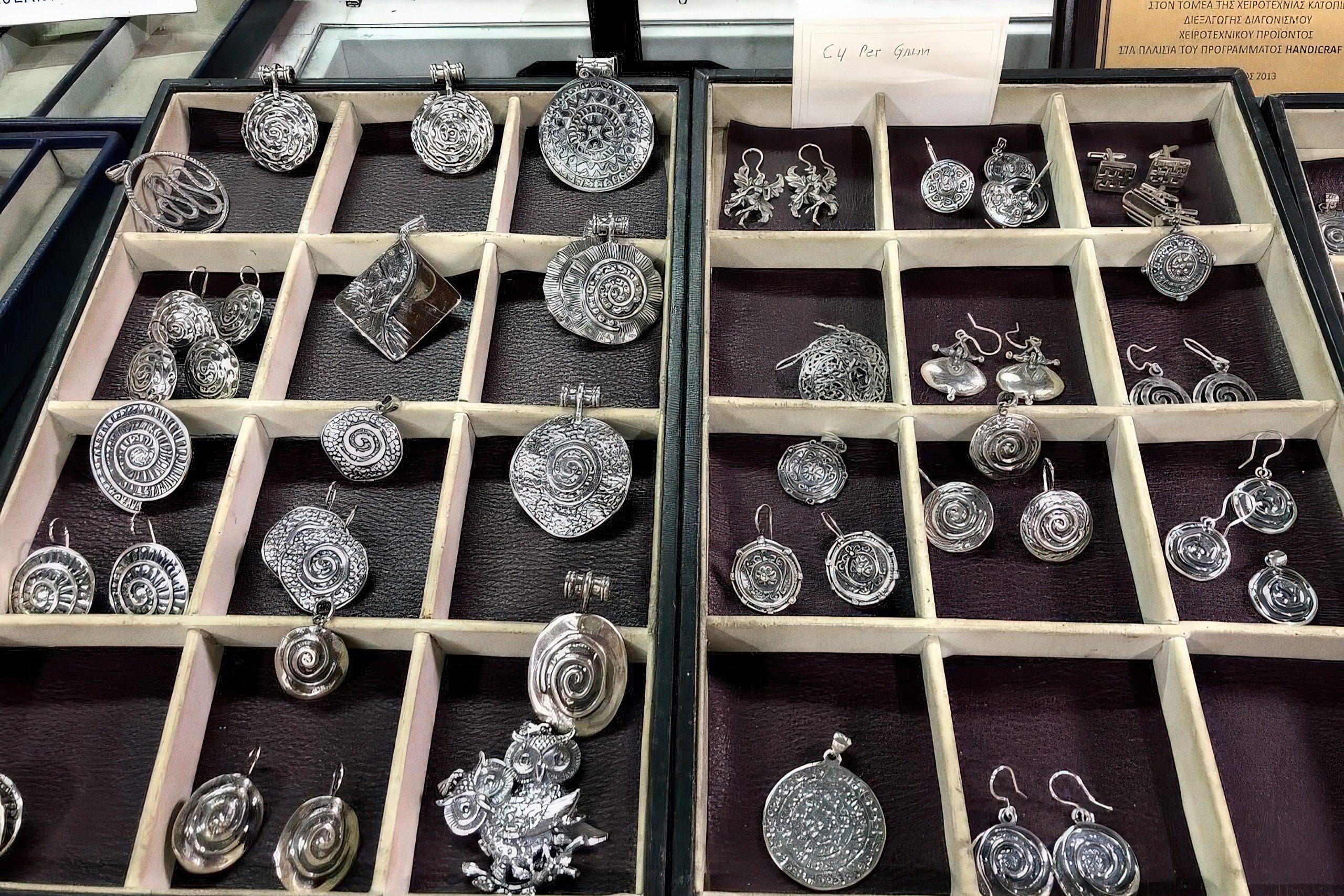
The Cyprus Handicraft Service, operating under the Deputy Ministry of Culture since 1975, maintains traditional metalworking skills. The center in Nicosia includes experimental workshops where specialized craftsmen work under instructor supervision. Metalwork workshops produce copperware and silverware reflecting the island’s historical connection to metal crafts.
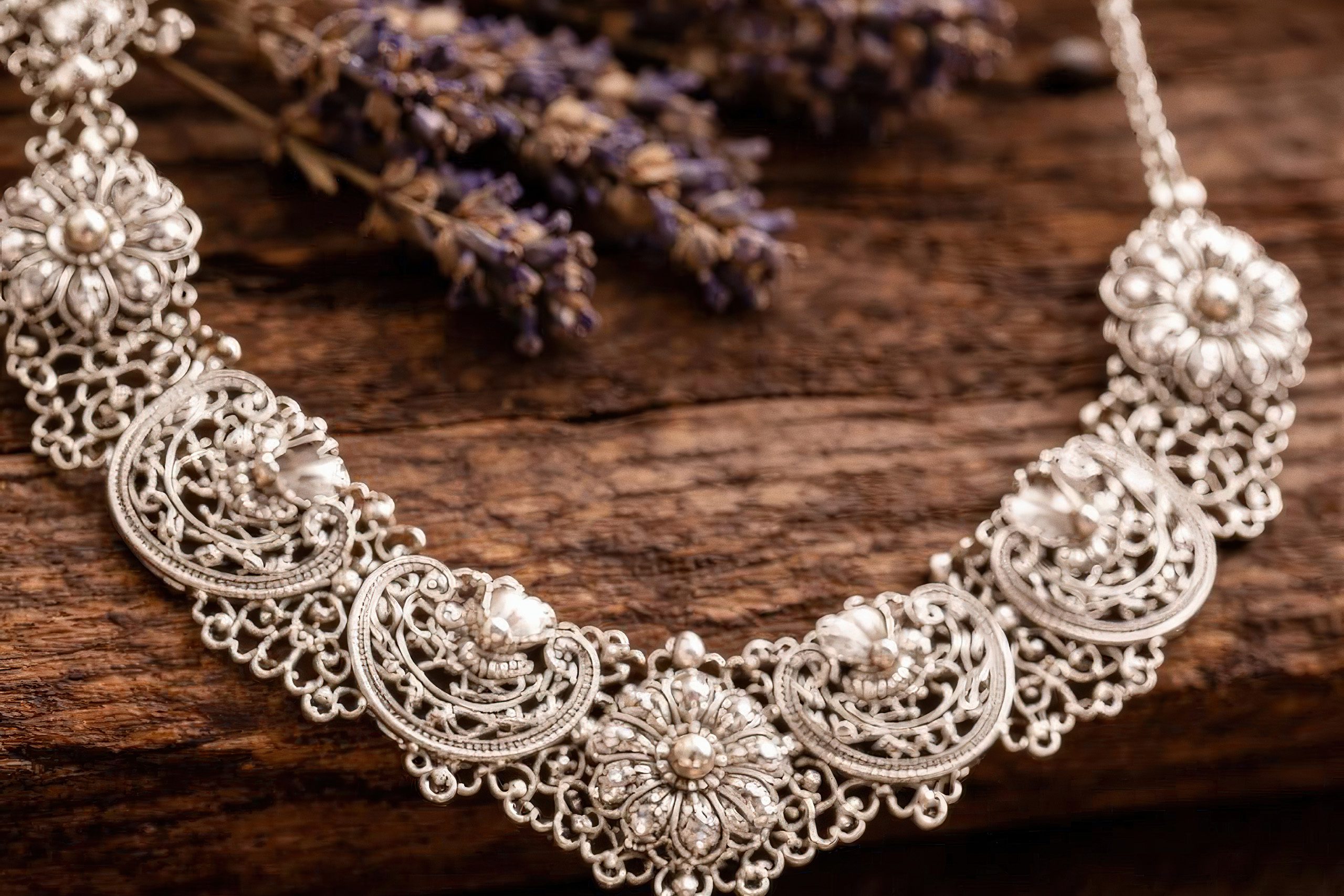
Modern Cypriot jewelry designers revive ancient techniques while incorporating contemporary aesthetics. Brands like Politia Jewelry, established in 1967, create handcrafted pieces using traditional methods with colorful gemstones including emeralds and sapphires. Maria Chara Jewelry weaves art history into contemporary designs, paying homage to Cyprus and ancient Greek cultural legacies. These companies employ teams of skilled women artisans who maintain handcrafting traditions.
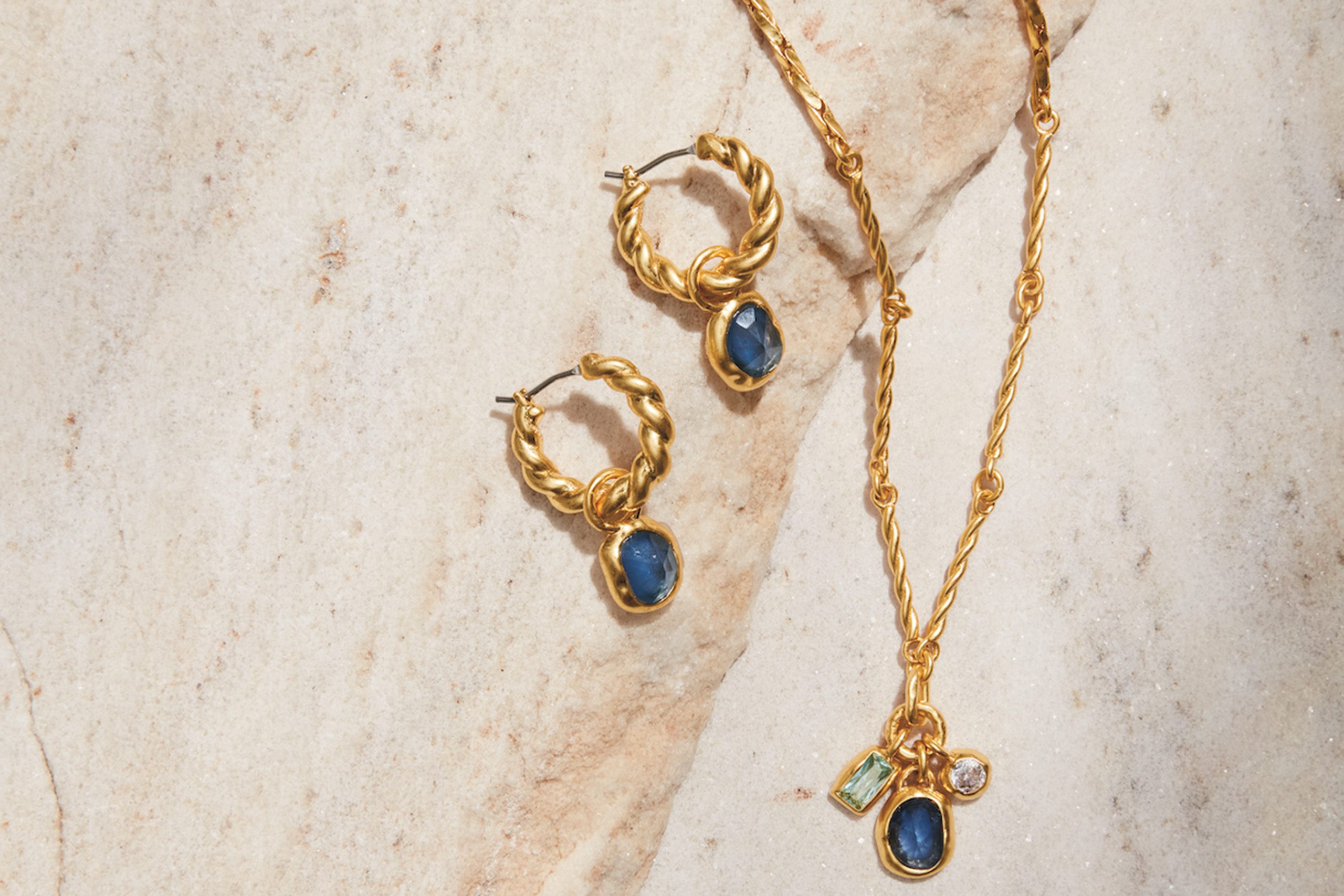
Lefkara village continues its silversmithing tradition alongside its famous lace production. Workshops teach techniques including engraving, filigree, and casting. Visitors can learn to craft silver jewelry using methods passed down through generations. The village combines textile and metal crafts, with some jewelry designs incorporating lace-like patterns in metalwork.
Experiencing Cyprus Metal Heritage Today
Visitors can observe traditional metalworking at the Cyprus Handicraft Centre on Athalassa Avenue in Nicosia. The metalwork workshop allows watching craftspeople tap rhythmically to form copper or silver items with designs copied from museum artifacts. The center’s shop sells authentic handcrafted copperware, silverware, and jewelry made by service craftsmen and private sector artisans.
The Museum of Mining Heritage at Katydata village requires appointment but displays mineral samples, copper miner’s tools, ingots, and artifacts spanning 5,000 years. Nearby Skouriotissa mine offers glimpses into 4,000 years of copper mining history, with the landscape marked by ancient spoil heaps and opencast mines.
Villages like Kornos and Phini maintain pottery traditions where metalwork appears in decorative elements. The Place in Paphos serves as a hub where local artists create jewelry, gifts, and souvenirs on-site. Visitors can watch artisans work and purchase hand-hammered copper pieces demonstrating the island’s metalwork legacy.
Museums throughout Cyprus display Byzantine gold and silver treasures. The Byzantine Museum in Nicosia houses the island’s most extensive Byzantine art collection. The Leventis Municipal Museum presents jewelry collections including 19th-century silver hairpins, crosses with coral beads, and various ornamental pieces showing evolution of Cypriot metalwork styles.
The Enduring Value of Metal Crafts
Cyprus metalwork represents an unbroken tradition linking prehistoric miners to contemporary artisans. The skills developed over millennia demonstrate how raw materials shaped cultural identity and economic foundations. From copper that named the island to Byzantine gold treasures and modern handcrafted jewelry, each piece carries historical weight. The preservation of traditional techniques through government programs, private workshops, and artisan cooperatives ensures this heritage continues.

Cyprus metalwork matters not as museum relics but as living traditions adapting to modern markets while maintaining core values of quality craftsmanship and authentic materials. Understanding these metal traditions means understanding how Cyprus transformed geological resources into artistic expression across 6,000 years.