Blooms from the Ironclad Hills

4 minutes read 2 views See on map

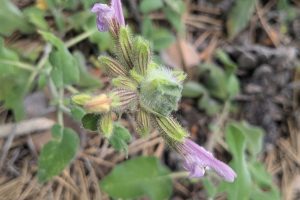
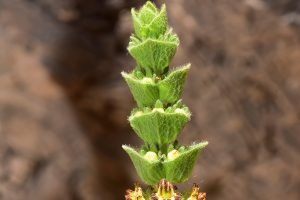
Picture a rugged cliffside in northern Cyprus, where a sturdy herb clings to limestone cracks, its yellow flowers nodding in the breeze like tiny suns defying the harsh terrain. This is mountain tea, or Sideritis, a group of wild herbs cherished across the Mediterranean, but in Cyprus, home to a rare endemic species that tells a story of resilience and ancient healing.
www.inaturalist.org

A Humble Herb with Aromatic Kin

Mountain tea belongs to the vast mint family, a diverse clan of over 7,000 species that includes everyday favorites like basil, rosemary, and oregano – all sharing square stems and leaves brimming with fragrant oils. In simple terms, it’s a wild shrub that thrives in sunny, dry spots, much like its relatives that spice up gardens and wild meadows worldwide.

Roots in Healing Traditions

The name Sideritis echoes ancient Greek for “iron,” perhaps from its use in treating wounds from iron weapons or its tough, iron-like endurance. In Cyprus, its history ties back to early island dwellers who gathered wild herbs for teas and salves, much like across the Mediterranean where healers like Dioscorides praised it in texts from 2,000 years ago. Over centuries, it became a folk staple, brewed by shepherds for strength and shared in villages as a soothing sip amid the island’s shifting empires and climates.

Woolly Stems and Golden Clusters

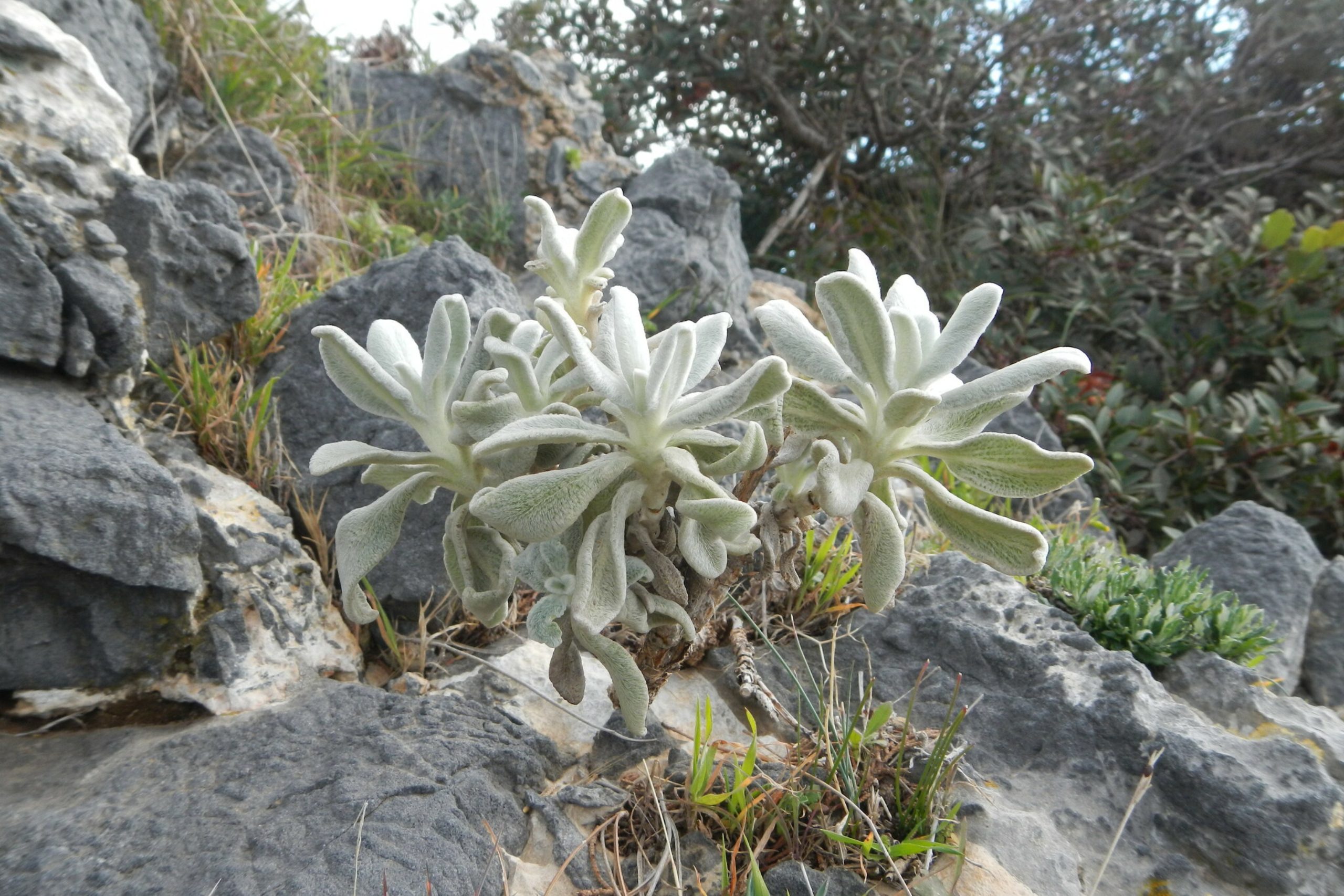
Picture a low, bushy plant with fuzzy, grey-green leaves that feel soft yet rugged, releasing a mild, lemony scent when brushed. In summer, it sprouts tall stems topped with whorls of small yellow flowers, creating a cheerful display against rocky backdrops – all wrapped in a subtle aroma that lingers like a gentle mountain whisper.
www.inaturalist.org

Delightful Tidbits

  • Ancient Greeks called it the “iron herb,” believing it healed battle wounds from spears – imagine warriors sipping it for a boost of bravery!
  • Bees adore its nectar, producing a light, floral honey that’s like tasting sunshine from Cyprus’s hills.
  • In old island tales, it warded off colds like a natural shield, a trick still used by grandmothers today.
  • One sprig can flavor a whole pot of tea, but overbrew it and you’ll get a bitter reminder of its potent punch.
  • During tough times, locals turned it into a comforting brew when other supplies ran short, turning hardship into healing warmth.
  • Its fluffy seed pods float like tiny parachutes, scattering new plants on the wind like nature’s confetti.

Deeper Layers of Lore

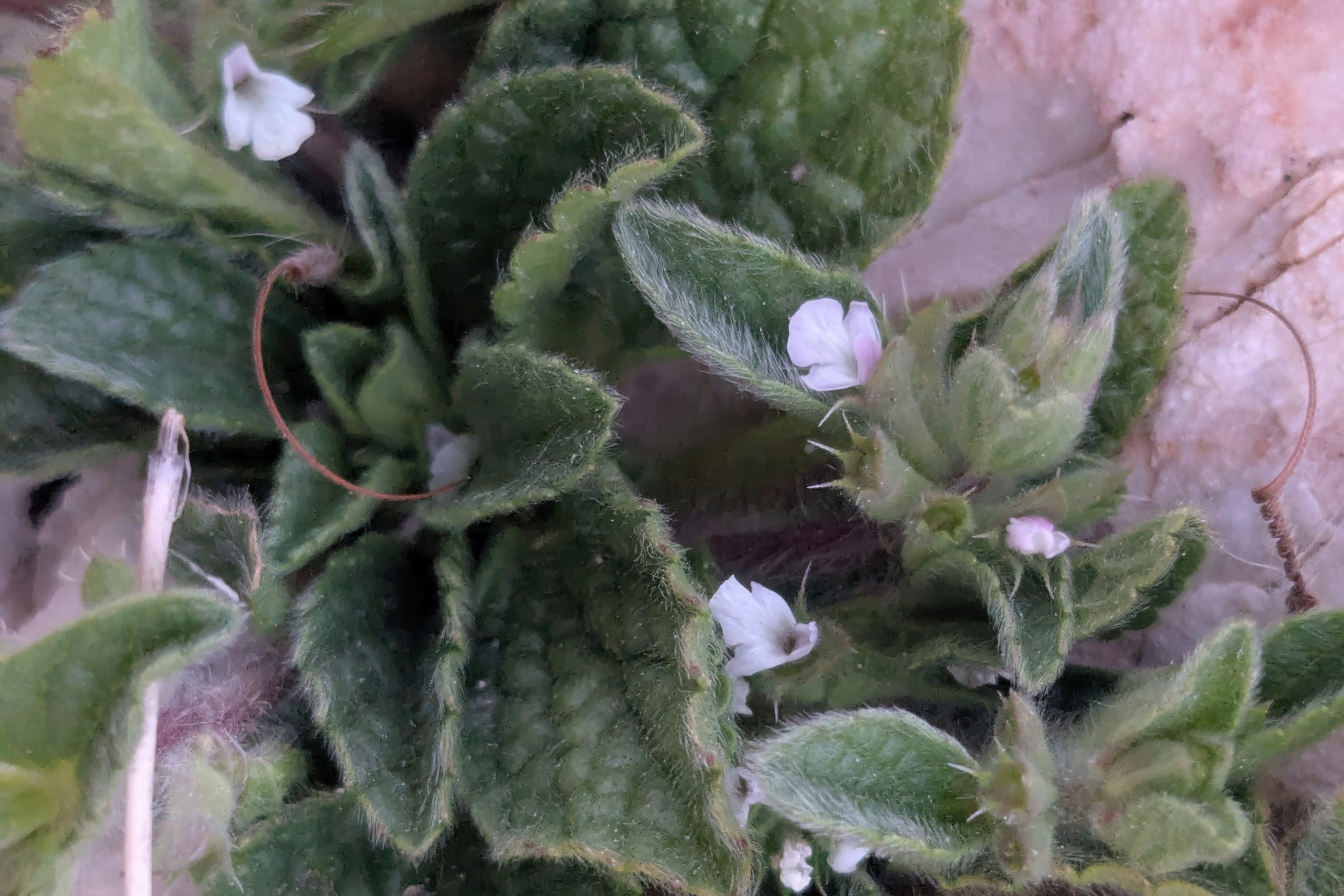
Beyond the common mountain teas, Cyprus boasts unique wild kinds like Sideritis cypria, an endemic gem found only in the island’s northern Pentadaktylos Range, clinging to limestone cliffs at 300–900 meters. This rare beauty, with its woolly stems and yellow blooms from June to August, is part of a broader genus of over 150 species scattered across the Mediterranean, all in the mint family where oils like pulegone and menthone give that fresh, citrusy kick. Sideritis perfoliata subsp. athoa joins it in wild spots, while Sideritis curvidens adds to the mix – together highlighting Cyprus’s role as a biodiversity hotspot for these tough, aromatic survivors.

A Brew for Today’s Wellness

In modern Cyprus, mountain tea remains a cozy staple, sipped hot with honey for colds or digestion woes, its antioxidants fighting inflammation like a gentle warrior from the past. With Sideritis cypria classed as Vulnerable by the IUCN due to its tiny range, it underscores our need to protect these endemics amid climate shifts, while its oils appear in local remedies and even modern studies praise its immune-boosting perks – keeping ancient wisdom alive in today’s island life.
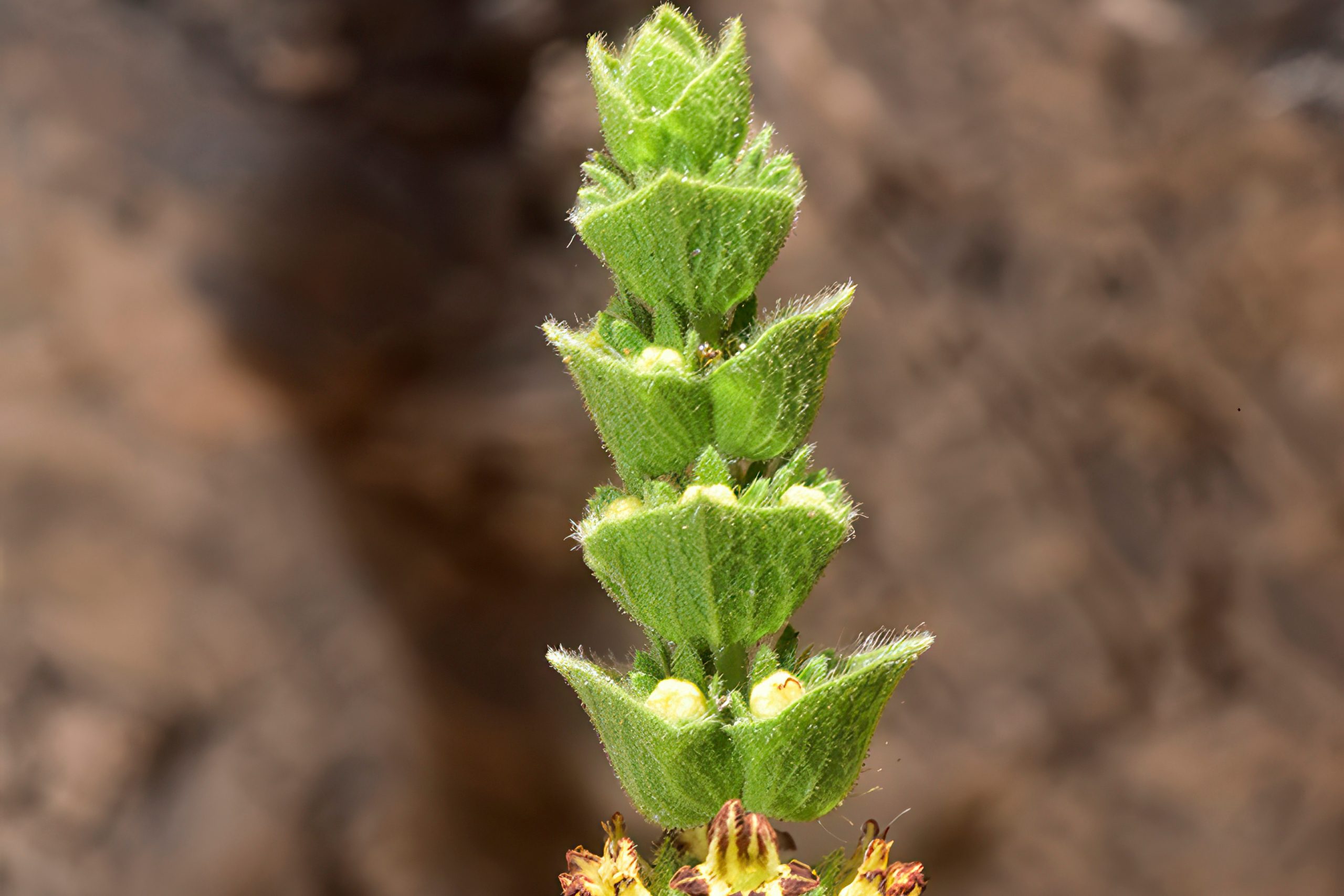
www.inaturalist.org

Chasing the Cliffside Charm

Spot these wild ironworts on guided hikes in the Pentadaktylos hills (Kyrenia Mountains) or Troodos trails, where their scent guides you in summer – feel the fuzzy leaves, inhale the citrusy warmth, and enjoy the peaceful buzz of pollinators. Visiting is like a quiet adventure, with the plant’s resilience leaving you refreshed, though always tread lightly to protect these rare gems.

A Timeless Sip of Strength

These wild ironworts are worth knowing because they embody Cyprus’s enduring spirit – a cluster of hardy plants that link prehistoric foragers to today’s tea drinkers, fostering health, flavor, and a deep connection to our island’s unique wild heritage. In a land of ancient stones and blooming treasures, they remind us how nature’s quiet gifts sustain us, sprinkling a bit of mountain magic into every Cypriot moment.

Explore our top stories and discover ideas worth your time.

Whispers from the Sunlit Slopes

Whispers from the Sunlit Slopes

Imagine strolling across a rocky hillside in Cyprus under a clear blue sky, where a shrubby plant releases a warm, woody aroma that hints at ancient potions and savory island dishes. This is sage, a resilient herb that dots the wild landscapes of Cyprus, offering simple wisdom from nature’s own apothecary to those who pause to notice. www.inaturalist.org A Fragrant Shrub in the Mint Family Sage belongs to the genus Salvia in the vast mint family (Lamiaceae), a group of plants known for their square stems and aromatic leaves rich in essential oils. In Cyprus, several wild species grace the landscape, thriving in dry, rocky slopes and maquis vegetation from sea level to the high Troodos peaks. Echoes of Ancient Healers The name Salvia comes from the Latin “salvare” – to save or heal – reflecting its long history as a medicinal plant. In Cyprus, sage has been gathered since prehistoric times. Ancient Greek physicians like Dioscorides praised its wound-healing powers, while it was used in rituals for protection and purification. Over centuries, it became deeply rooted in island folklore as a symbol of longevity and wisdom. www.inaturalist.org Woolly Leaves and Starry Blooms Wild sage in Cyprus typically grows as a low to medium shrub with fuzzy, silvery-green leaves that feel velvety to the touch. When crushed, they release a…

Read more
Whispers of the Wild Marathos

Whispers of the Wild Marathos

Imagine wandering through the sun-drenched hills of Cyprus, where a tall, feathery plant sways gently in the breeze, releasing a sweet, licorice-like aroma that hints at ancient secrets. This is wild fennel, a humble herb that has flavored Cypriot life for millennia, blending culinary delight with healing wisdom. But what tales does this unassuming plant hold, and why does it thrive so vibrantly on this island paradise? www.inaturalist.org A Fragrant Member of the Carrot Clan Wild fennel, known scientifically as Foeniculum vulgare, belongs to the Apiaceae family – a vast group that includes everyday favorites like carrots, parsley, and dill. This broader taxonomy places it among plants celebrated for their aromatic seeds and leaves, which have sustained Mediterranean communities for generations. In its simplest form, it's a perennial herb that pops up in unexpected places, offering both beauty and utility without demanding much in return. From Ancient Myths to Island Shores The story of wild fennel stretches back to the dawn of Mediterranean civilization, intertwined with human history and mythology. In ancient Greece, it was so abundant on the plain of Marathon – where a legendary battle unfolded in 490 BC – that the site was named after the plant itself; "marathos" in Greek means fennel, evoking images of vast fields swaying like a green sea. Greek scholars like Pliny…

Read more
Whispers of White Petals in the Cypriot Breeze

Whispers of White Petals in the Cypriot Breeze

Picture a sun-drenched Cypriot meadow in spring, dotted with cheerful daisy-like flowers that bob like tiny suns on slender stems, their delicate scent mingling with the salty sea air. These are the Anthemis or Mayweed species, often mistaken for their chamomile cousins, a group of wildflowers that paint the island's landscapes with subtle beauty. But what tales do these unassuming blooms tell of Cyprus' wild heart? www.inaturalist.org Getting Acquainted with the Island's Daisies Anthemis is a genus of flowering plants in the vast Asteraceae family, which includes everything from sunflowers to dandelions, showing how these humble herbs fit into a broader world of composite blooms that rely on wind and insects for their spread. In Cyprus, they're known as wild chamomiles or μαργαρίτες (margaritas) in Greek, evoking simple, everyday beauty. Think of them as the island's resilient ground-huggers, annual or perennial herbs that thrive in open spaces, offering a gentle introduction to the Mediterranean's floral diversity without any fuss. A Legacy Etched in Ancient Soils The story of Anthemis in Cyprus reaches back to the island's Bronze Age settlers, who likely encountered these flowers amid terraced fields and rocky hills, perhaps using them in early herbal remedies as hinted in ancient texts like Dioscorides' "De Materia Medica," where similar chamomiles were praised for soothing woes. www.inaturalist.org Over centuries, as Phoenicians,…

Read more