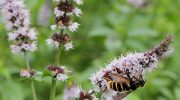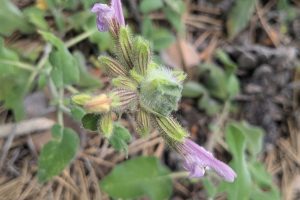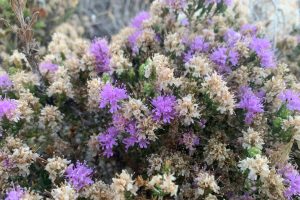
Picture yourself hiking a dusty trail in Cyprus’s sun-parched hills during the height of summer, where most vegetation has surrendered to the relentless heat. Yet amid the faded grasses, a resilient herb unfurls its tiny purple flowers, releasing a warm, peppery fragrance that speaks of timeless remedies and savory island feasts. This is thyme, a modest wild treasure that defies the drought, inviting us to explore its quiet role in Cypriot nature and culture.
A Quiet Herb with Fragrant Cousins
Thyme is a small, tough plant from the mint family, a big group of herbs known for their square stems and strong smells. It’s the kind of everyday green that pops up in dry, sunny spots, offering a bit of flavor and freshness to anyone who finds it growing wild.
Whispers from Long Ago
Thyme’s documented presence on Cyprus reaches back to the island’s earliest people around 10,000 years ago, who picked it from the hills for simple meals and soothing teas. Across the sea, Egyptians used it in their rituals for the dead, Greeks burned it for bravery before battles, and Romans sprinkled it to freshen their homes – a little herb that traveled with wanderers, becoming a quiet friend in Mediterranean life as empires rose and fell. In Cyprus, ancient healers like those mentioned in old texts praised its oils for easing ailments, a tradition that echoes through the island’s stony valleys to this day.
Soft Twigs and Defiant Flowers
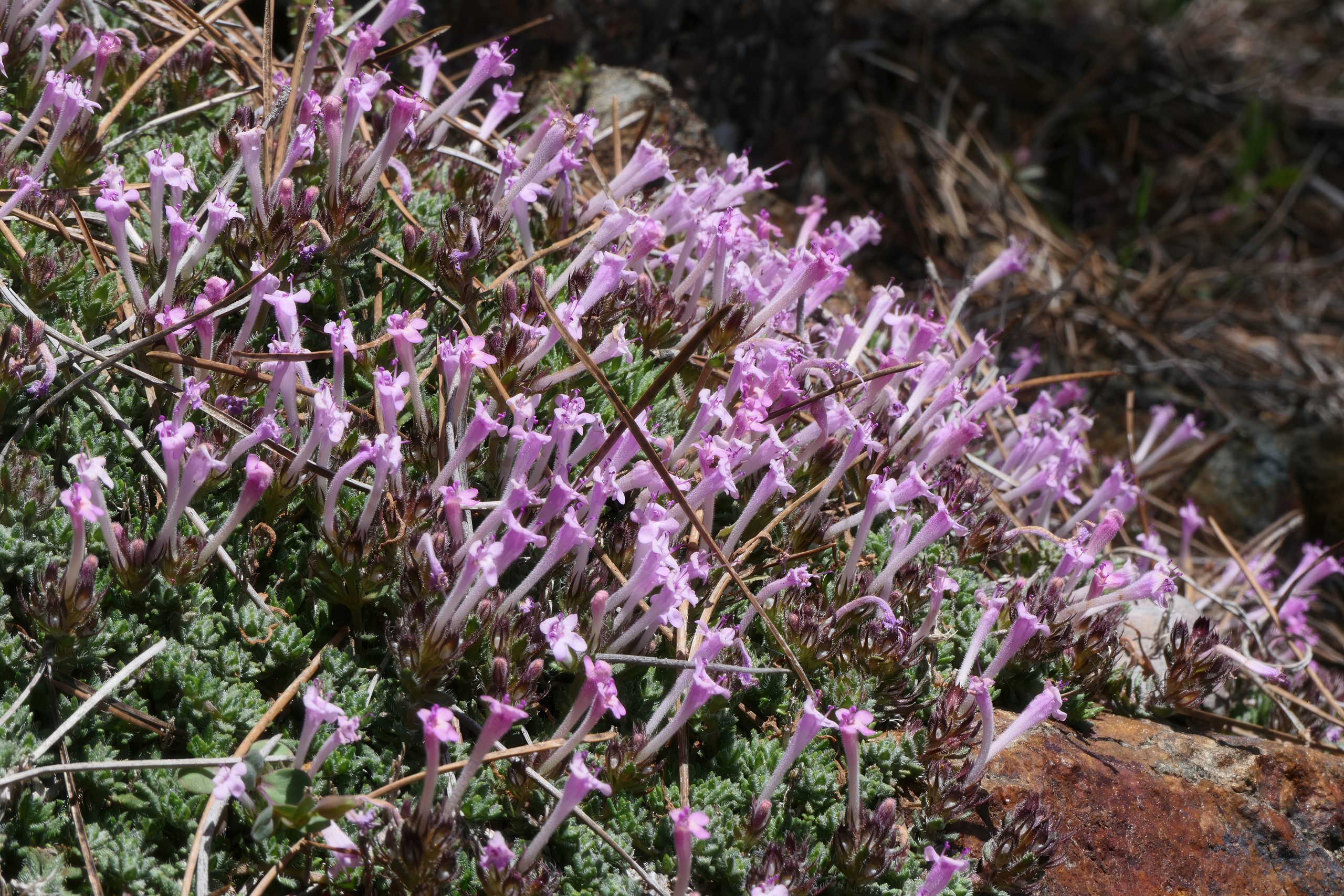
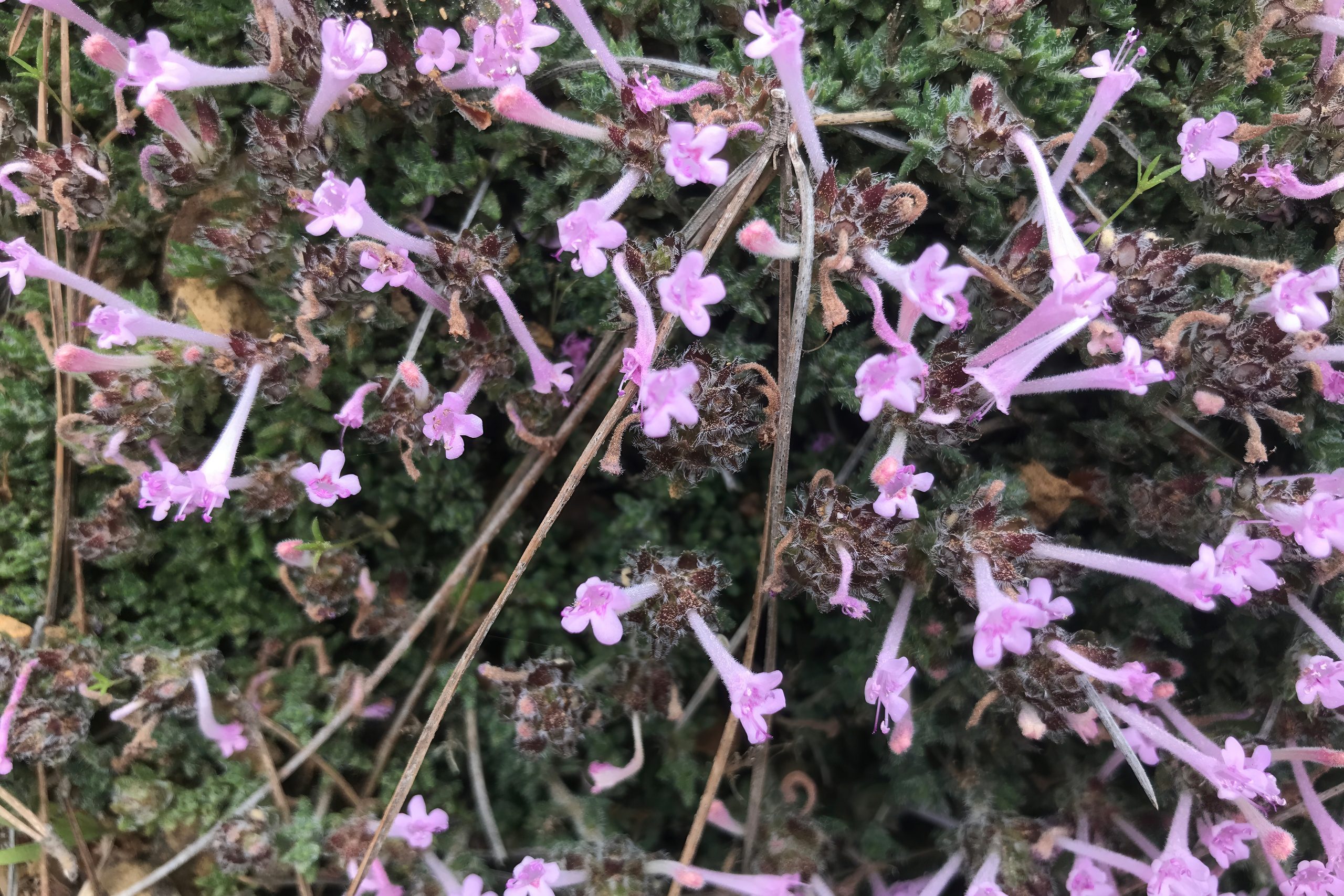
Thyme grows as a low, bushy clump with thin, woody stems and small, fuzzy leaves that feel gentle yet tough under your fingers. In the heat of July, when much around it has withered, it sends up little spikes topped with pink or purple blooms, creating soft pockets of color against the stony earth.
Playful Pearls of Wisdom
- Thyme’s name echoes “courage” from old Greek words, as warriors once bathed in its waters for bravery before fights – a tiny plant packing a bold punch!
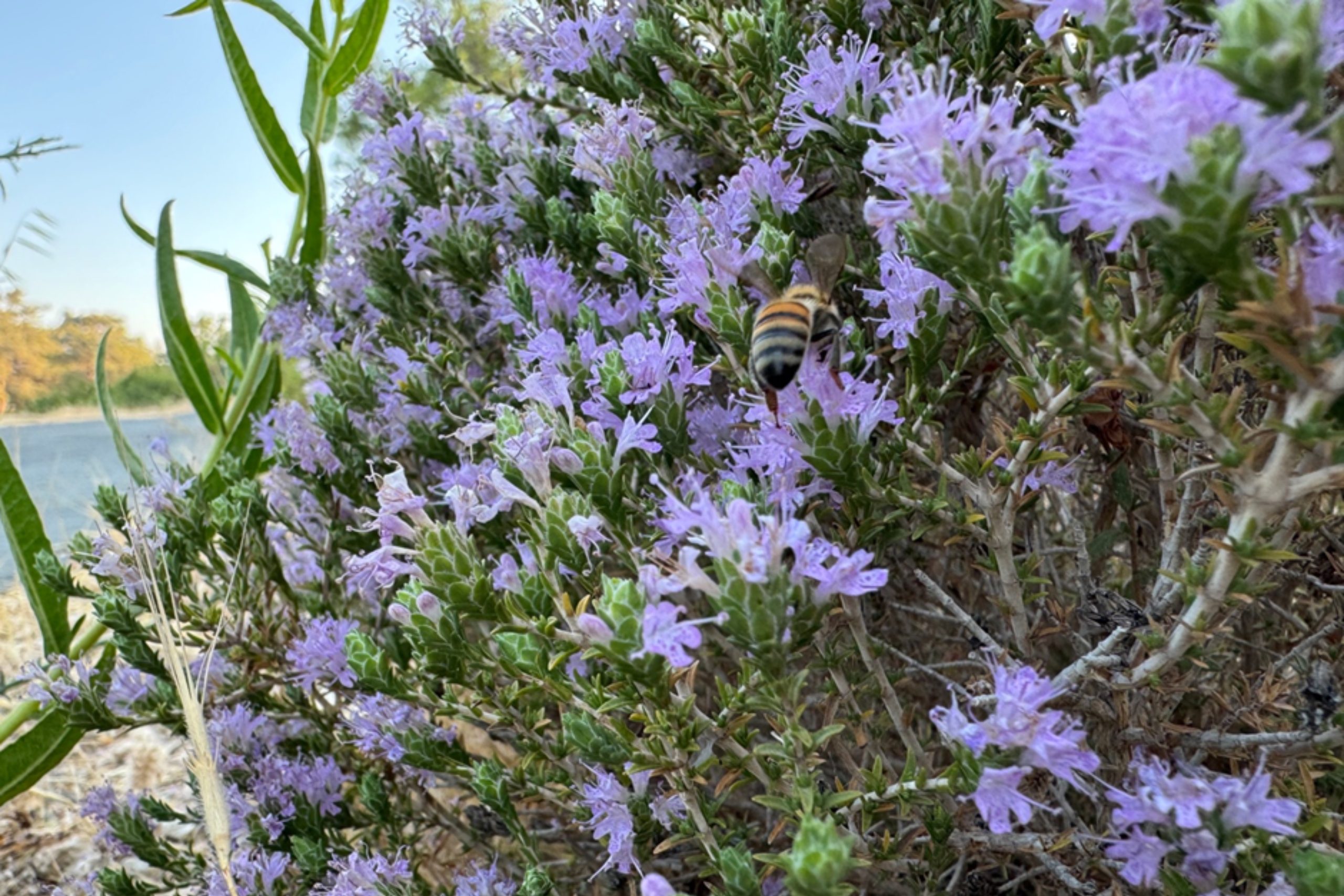
- Bees swarm its flowers, crafting a dark, strong honey that’s like sipping the essence of sun-baked mountains.
- In old Cypriot tales, it chased away bad dreams when slipped under pillows, bringing peaceful sleep to weary folks.
- A single sprig can spice up an entire stew, but clever Romans used it to disguise spoiled food in lean times.
- During wartime shortages, islanders steeped it as tea, transforming hardship into warm, comforting sips.
- Its natural oils zap germs so effectively that modern cleaners sometimes harness its power for natural freshness.
- In ancient rituals, it was burned to purify air, a practice that lives on in some Cypriot homes during festivals.
Layers of Scented Secrets
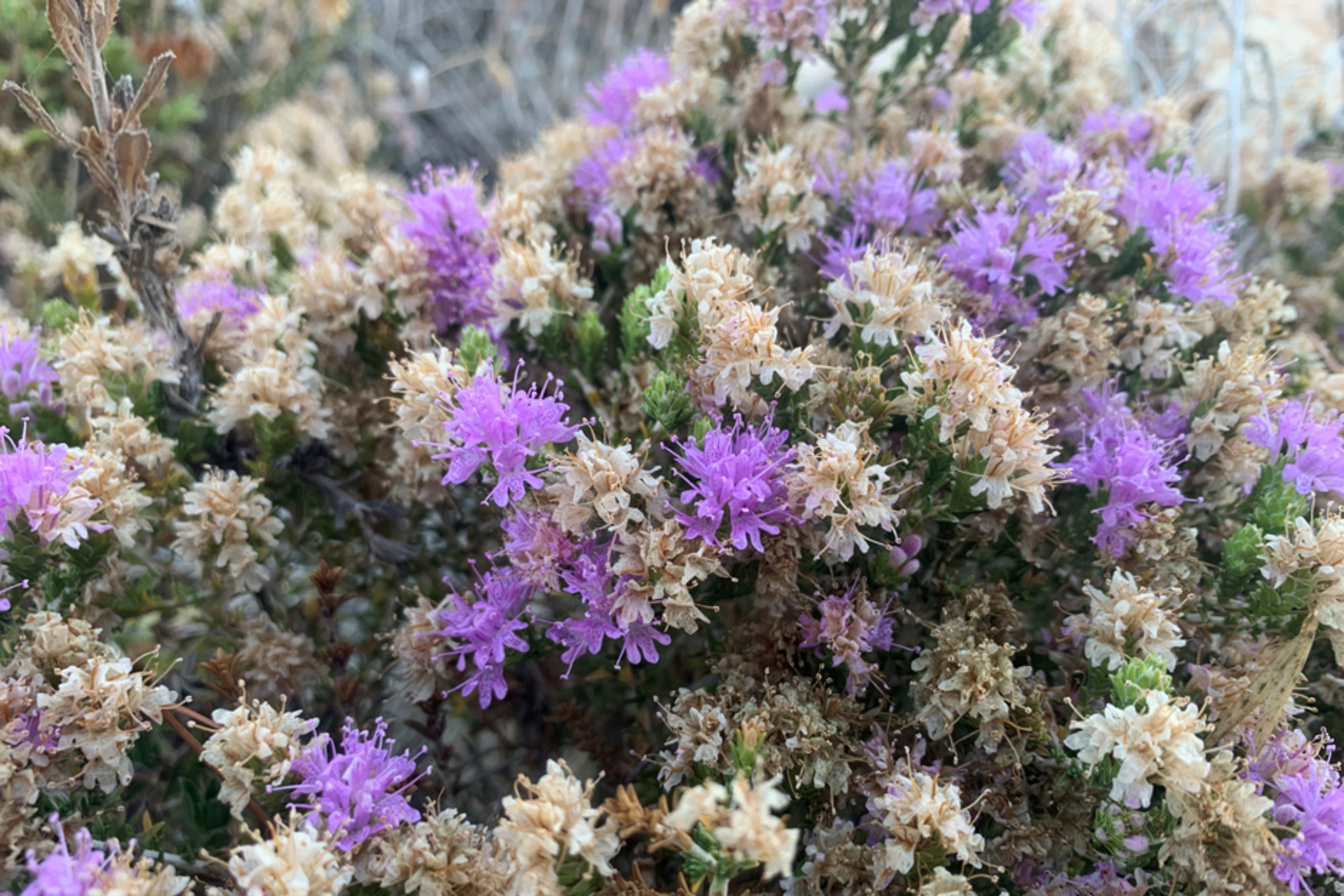
Part of the broader mint family that spans from kitchen gardens to wild meadows, thyme’s inviting aroma comes from natural oils like thymol and carvacrol – simple helpers that give it a warm, peppery whiff like fresh earth after rain. These oils act like little shields, fighting off germs and easing swelling in gentle ways, much like how island healers once mixed them into balms for skin woes or coughs. Cyprus hosts special kinds like Thymus integer with its strong, thyme-like smell, and the local Thymbra capitata (once called Thymus capitatus), a tough bush with pink flowers that blooms even in dry July heat. Thymus integer, local favorite, known as λιβανίτης (livanitis) – a name tied to its incense-like scent from the Greek for “frankincense” – thrives in central-southern and western hills at 100-1700 meters, a common endemic that’s not threatened but holds special place as Cyprus’s sole Thymus. The local name for Thymbra is often “throubi” or “thymari,” simple words that just mean “thyme” in Greek, showing how everyday it is.
Nature’s Gentle Remedies
For ages, Cypriots have turned to thyme as a backyard healer, brewing its leaves into teas to ease coughs, tummy upsets, or sore throats – thanks to those thymol oils that calm inflammation and zap germs like tiny warriors. In old village wisdom, it soothed skin scrapes or freshened breath, a simple plant offering comfort without fuss, much like the island’s enduring folk medicine traditions. Today, science backs this up, showing its oils fight bacteria and reduce swelling, making it a go-to for natural cold relief or even wound care in some homes.
Sprinkles of Island Flavor
In Cypriot kitchens, thyme adds its zesty spark to grilled halloumi or lamb skewers, a staple since Byzantine banquets where it mingled with olive oil and herbs for that unmistakable Mediterranean tang. Today, it’s woven into za’atar blends or sprinkled on salads, keeping meals fresh and tied to the land’s wild bounty, with its peppery kick bringing warmth to everything from soups to cheeses.
Flavoring Our Island Now
These days, thyme still adds zest to grilled meats and halloumi, a must in every kitchen that keeps old tastes alive. With its germ-fighting oils, it’s in teas for colds or soaps for clean skin, and as a bee favorite, it helps our honey stay sweet – a wild plant that’s as handy now as ever, even as we protect our hills from changing weather. In the Troodos Mountains, where it’s common, it supports local bees and adds to the island’s wildflower honey fame.
Chasing the Spicy Spots
Find thyme on easy walks in the Troodos woods or Akamas wilds, where its scent pulls you along summer paths. Touching a leaf feels soft and warm, like holding the island’s pulse, and on a calm day, the buzzing bees make it a peaceful tune of nature’s easy rhythm. Head to spots like Cape Greco for wild patches, feeling the crunch of dry earth underfoot as the herb’s warmth lingers in the air – a simple, invigorating experience that connects you to Cyprus’s untamed heart.
A Timeless Bond of Strength
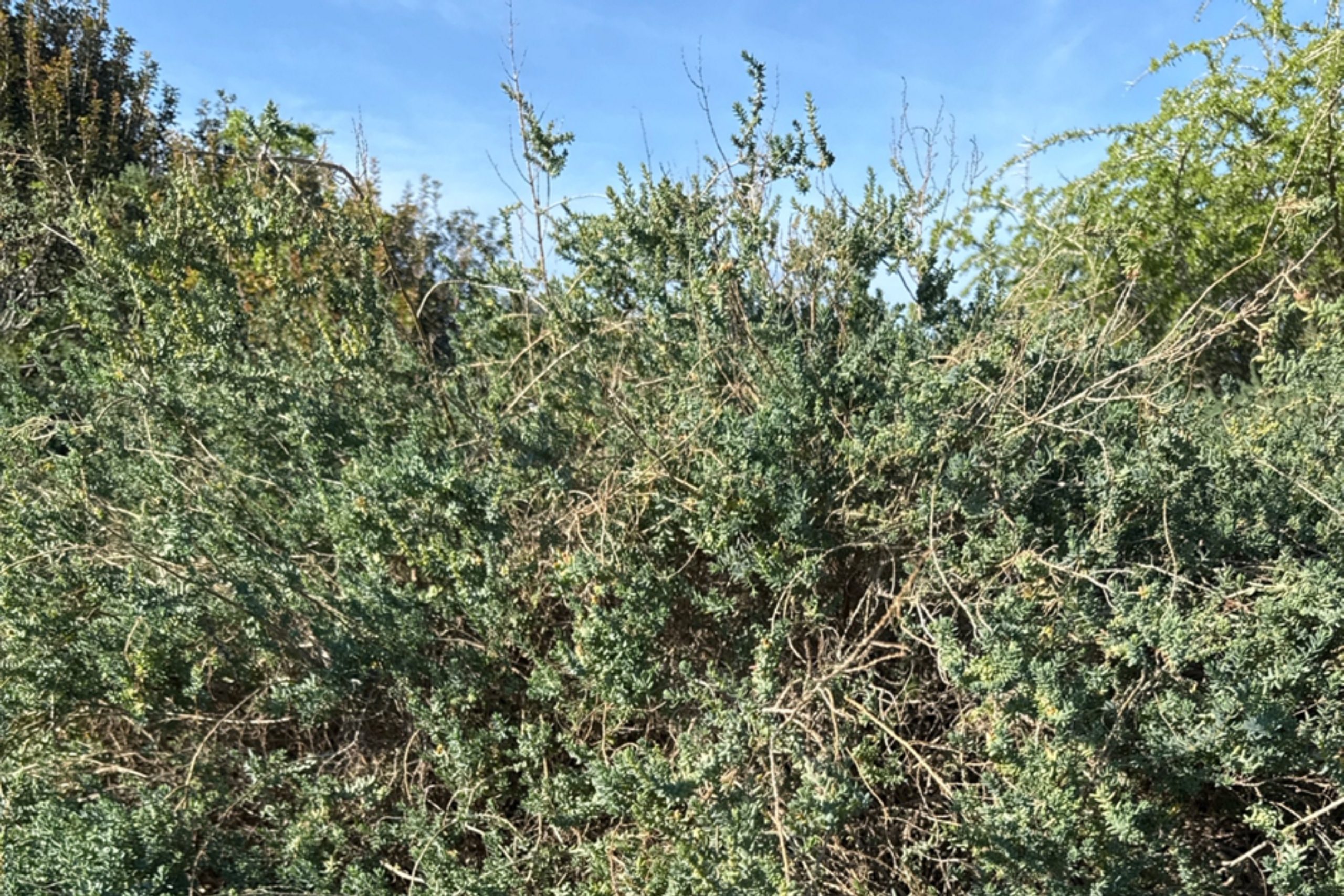
Thyme matters because it’s a quiet link to Cyprus’s soul – a small herb that stands for endurance, tying old gatherers to today’s cooks, bringing health, tradition, and cheer. In a land full of wild gems, it shows how nature’s gifts connect us, sprinkling mountain magic into every Cypriot moment, with species like Thymbra capitata listed as Least Concern by the IUCN, ensuring its defiant blooms endure for generations.