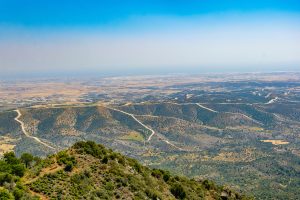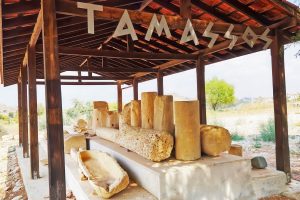
Tamassos was an inland city-kingdom that thrived from the Late Bronze Age to the Roman period, from around 1200 BC to the 10th century AD. The city appears in an Assyrian inscription from about 673 BC as Tamesi, a city-state that paid tribute to the Neo-Assyrian Empire. Homer may have mentioned it in the Odyssey as Temese, described as the main copper market on the island.
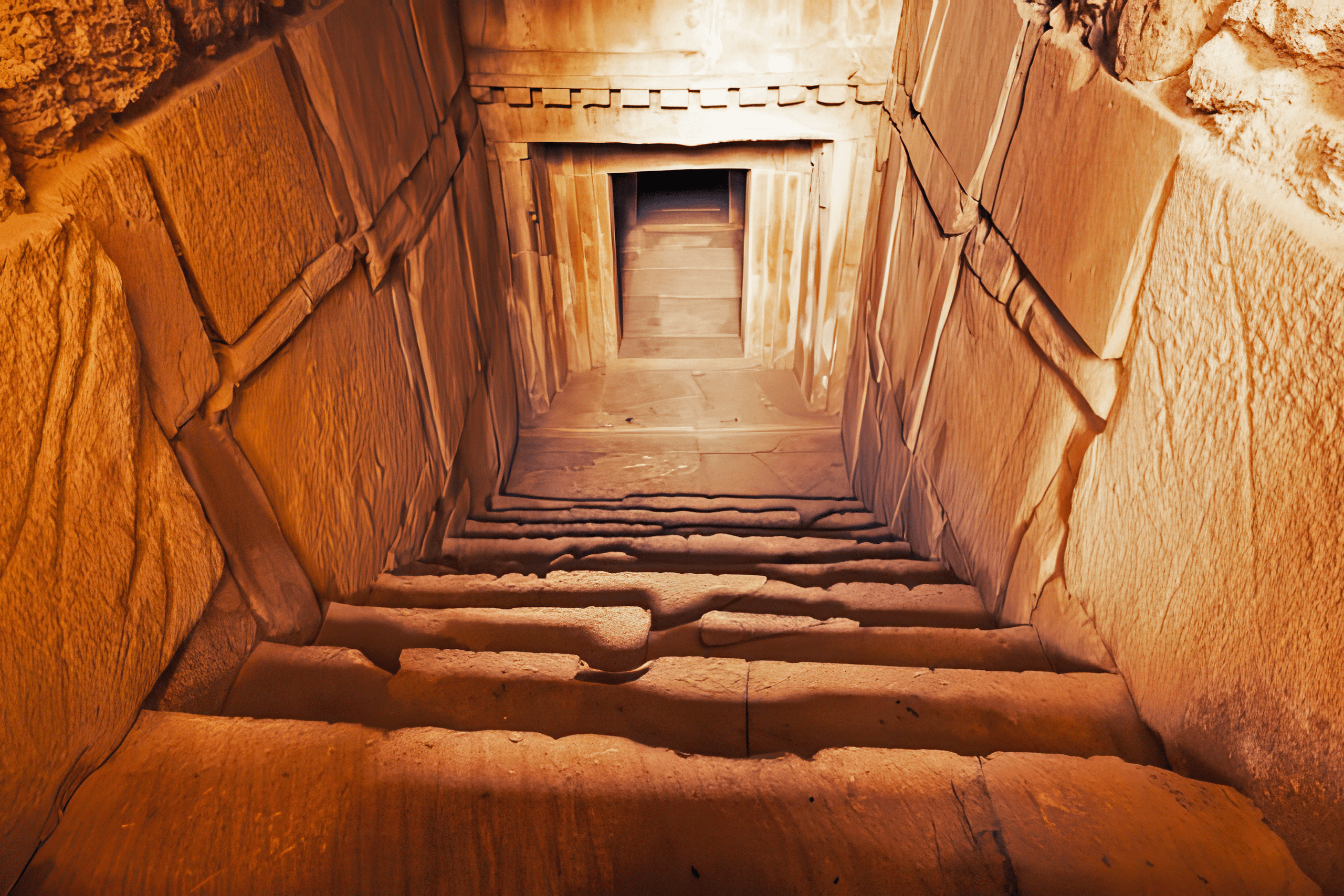
The archaeological site is next to the modern village of Politiko. Much of the ancient city center has not been excavated because it lies under the village and the nearby Monastery of Saint Herakleidios. Archaeologists have uncovered two large royal tombs from the 6th century BC, the foundations of a temple to Aphrodite, parts of city walls, and signs of extensive copper-processing workshops.
Historical Background
The region was inhabited since the Chalcolithic Age, and villages in the area were densely populated from the Early Bronze Age. Small farming settlements existed long before Tamassos became a unified city. The discovery and use of copper deposits transformed the farmland into an industrial center.
The population grew significantly after the copper mines were exploited. Tombs and copper-processing workshops from the Late Bronze Age show this growth. Tamassos controlled major mines near its capital, like Mavrovouni and Kokkinopezoula, which made it a center of copper production. Classical authors such as Strabo noted that the mines belonged to the kings.
The city became much wealthier during the Archaic period, from the 8th to the 6th centuries BC. Writers like Claudius Ptolemy and Stephanus of Byzantium mentioned the city. Stephanus described it as inland and noted its high-quality copper. Unlike coastal kingdoms such as Salamis and Paphos, Tamassos did not have a port or the mix of cultures that came with sea trade. It was more of an industrial city with mines and workshops, but it also used the fertile land for farming and raising animals, supported by the Pediaios River and its tributaries.
The kingdom’s political history reflected the struggle for control of Cyprus’s copper. King Pasikypros reportedly sold his kingdom to the Phoenicians of Kition for 50 talents. Later, during the Hellenistic period, Alexander the Great gave Tamassos to the King of Salamis as a reward for help during the siege of Tyre.
Sacred Landscape and Religious Life
Religious life at Tamassos was varied and active. Archaeologists have found temples and sanctuaries dedicated to major gods of the ancient Mediterranean. The most important was the Temple of Aphrodite, located on the site. Excavations revealed limestone altars, offering vessels, incense burners, lamps, and terracotta and stone figurines of pigeons, the bird sacred to Aphrodite. These discoveries show that the goddess was worshipped at Tamassos from around the 6th century BC. The temple and its altar were destroyed and rebuilt several times, reflecting changes in politics and culture.
In addition to Aphrodite, people also worshipped Apollo, Athena, and possibly Aesculapius. These sacred sites show that religion in Tamassos was diverse, with rituals linked to both the city and the surrounding countryside. Temples were places for community gatherings, seasonal festivals, and offerings, connecting local beliefs to wider Greek religious traditions.
Modern archaeology has also rediscovered the Sanctuary of Apollo at Frangissa, a long-lost sacred site near Tamassos. Originally excavated in the 19th century, its location was forgotten until recent surveys and archival research revealed it again. Finds include statue fragments, offering objects, inscriptions, and symbolic materials, showing that religious activity continued from the 7th century BC into later periods.
From Pagan City to Christian Diocese
As Christianity spread across southern Europe, Tamassos became one of the first Greek Orthodox dioceses in Cyprus, led by its first two bishops, Saint Herakleidios and Saint Mnason.
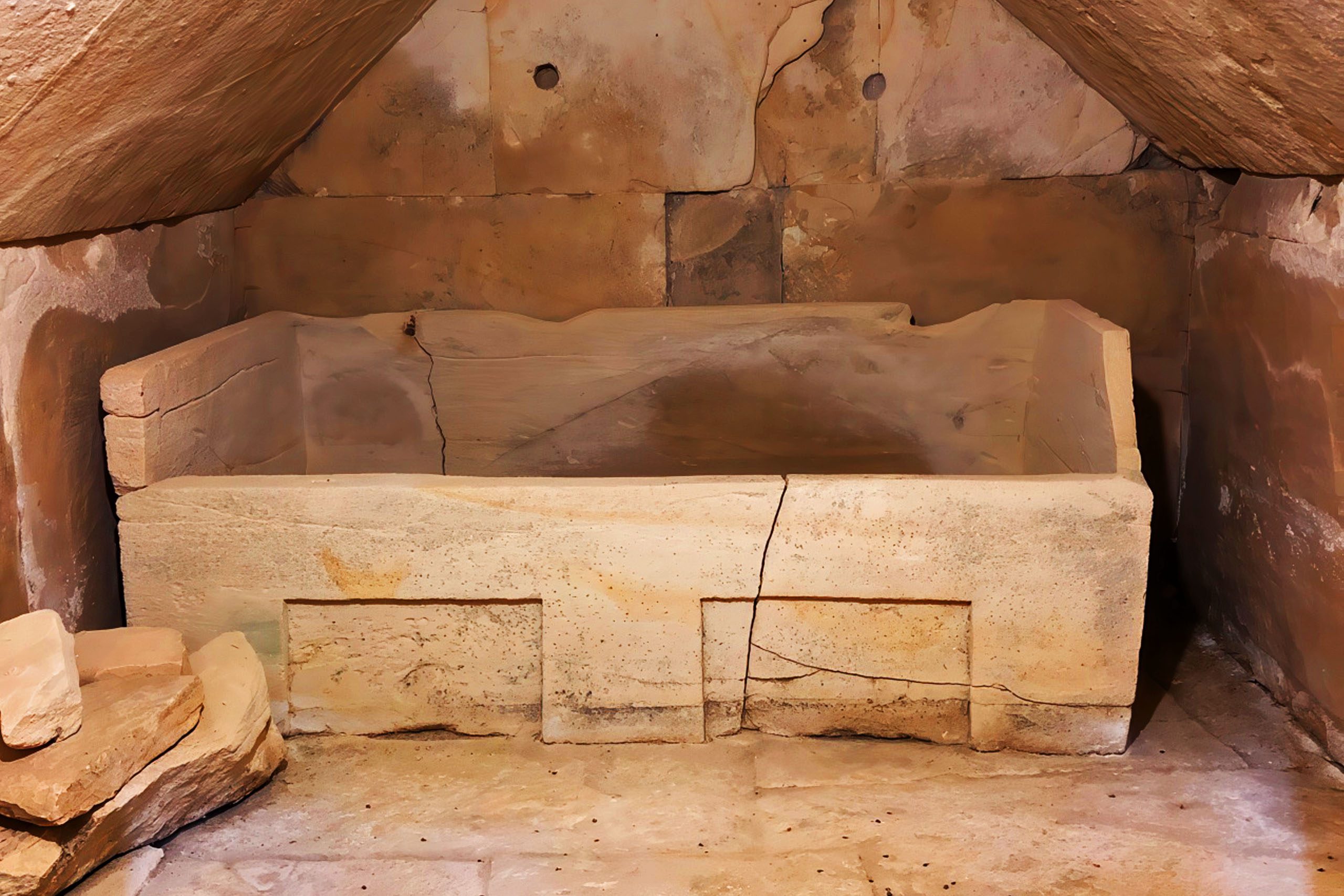
Saint Herakleidios was a student of the Apostles Paul, Barnabas, and Mark, who made him the first Bishop of Tamassos. Tradition says he met the apostles around 44-45 AD during their first mission to Cyprus and was baptized in the Setrachos River in the Marathasa region. He returned to Tamassos as bishop and worked to convert the local pagan population to Christianity.
In the 4th century, a martyrion, a small tomb monument, was built over a Roman tomb believed to be Saint Herakleidios’s. In the 5th century, a three-aisled basilica was built west of the tomb, which was later destroyed and replaced by another basilica of the same size in the 8th century. The Monastery of Saint Herakleidios still operates today as a women’s monastery and remains an important site for pilgrims.
The modern village of Episkopeio, meaning “bishop’s seat,” preserves the memory of Tamassos as a religious center. Similarly, the village of Ergates, meaning “workers,” reflects the area where mine workers once lived, keeping a link to the city’s ancient industrial past.
Archaeological Evidence and Modern Research
The archaeological site of Tamassos is near the modern village of Politiko, sitting on rich deposits of copper ore in the northeastern foothills of the Troodos Mountains. Studies show that Tamassos lies in the Pillow Lavas formation, the main source of copper in Cyprus.
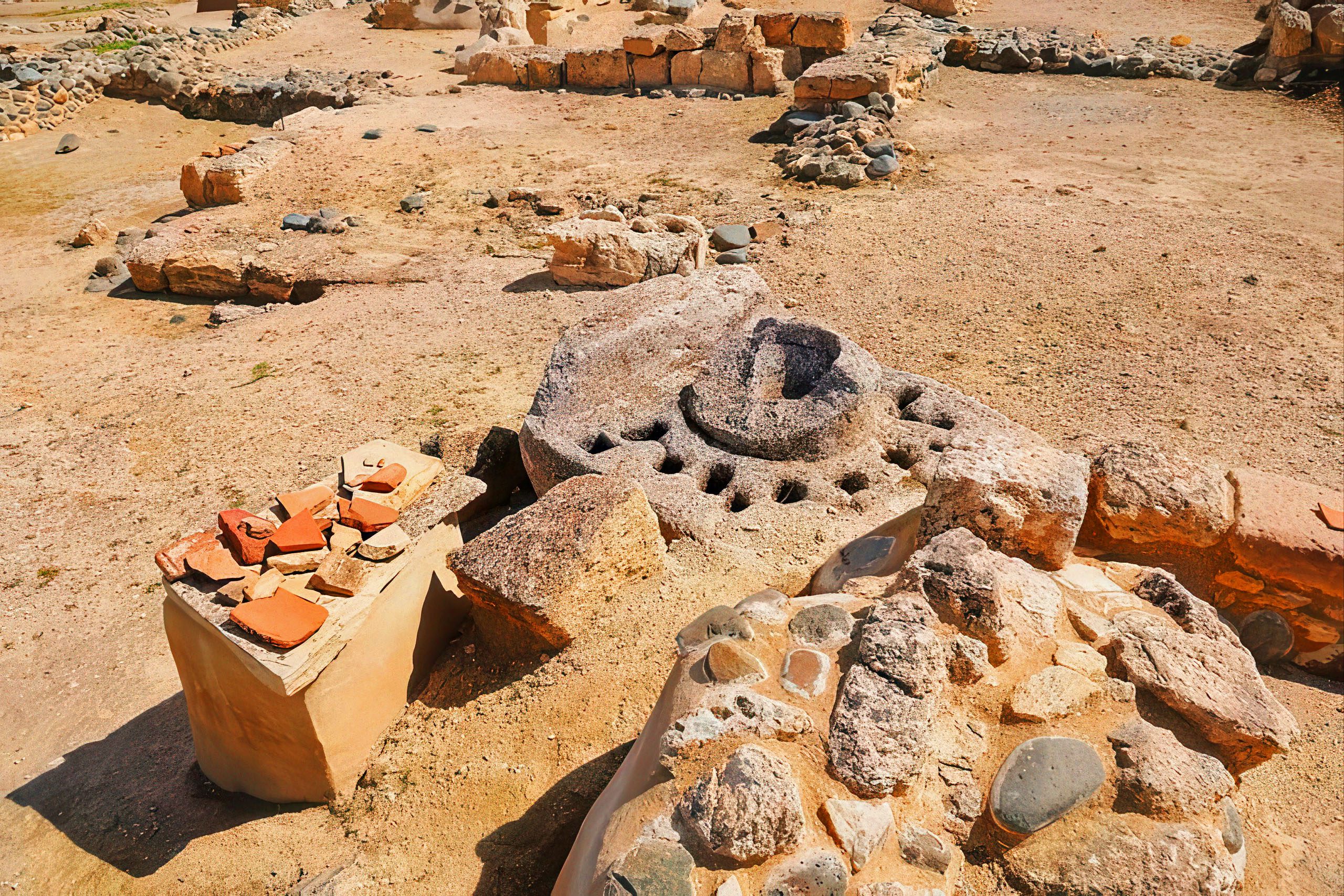
Excavations around the main site have found remains of houses and looted tombs, showing that people lived beyond the city’s main area. In 1885, evidence of glassmaking was discovered, showing that the city had other crafts besides metalworking.
Tamassos was special in Cyprus because it had both central and outlying areas for making pottery. This shows that the city used a decentralized but skilled system for ceramic production. Analysis of pottery reveals local styles based on raw materials and firing methods, which helps archaeologists understand trade and production patterns.
After the copper mines were used up, the city’s economy collapsed. By the 10th century, Tamassos was in decline and smaller settlements like Politiko and Episkopeio took its place. Even though the copper trade ended, Christian religious institutions kept the area settled.
Why Tamassos Matters Today
Tamassos shows how natural resources shaped the politics and economy of ancient Cyprus. The rise of city-kingdoms often went hand in hand with the use of copper mines. Control over these mines decided which kingdoms became wealthy and which stayed small.
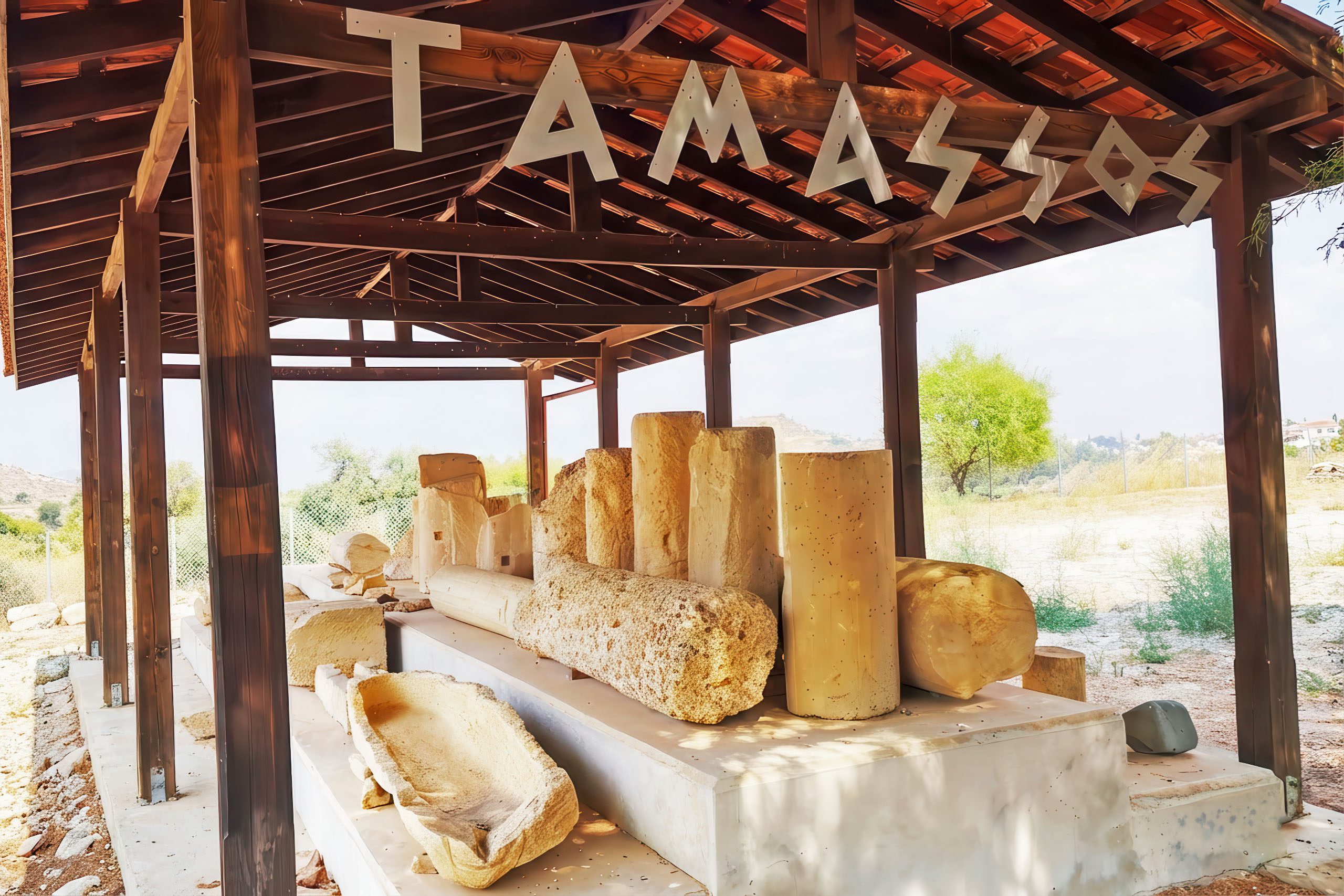
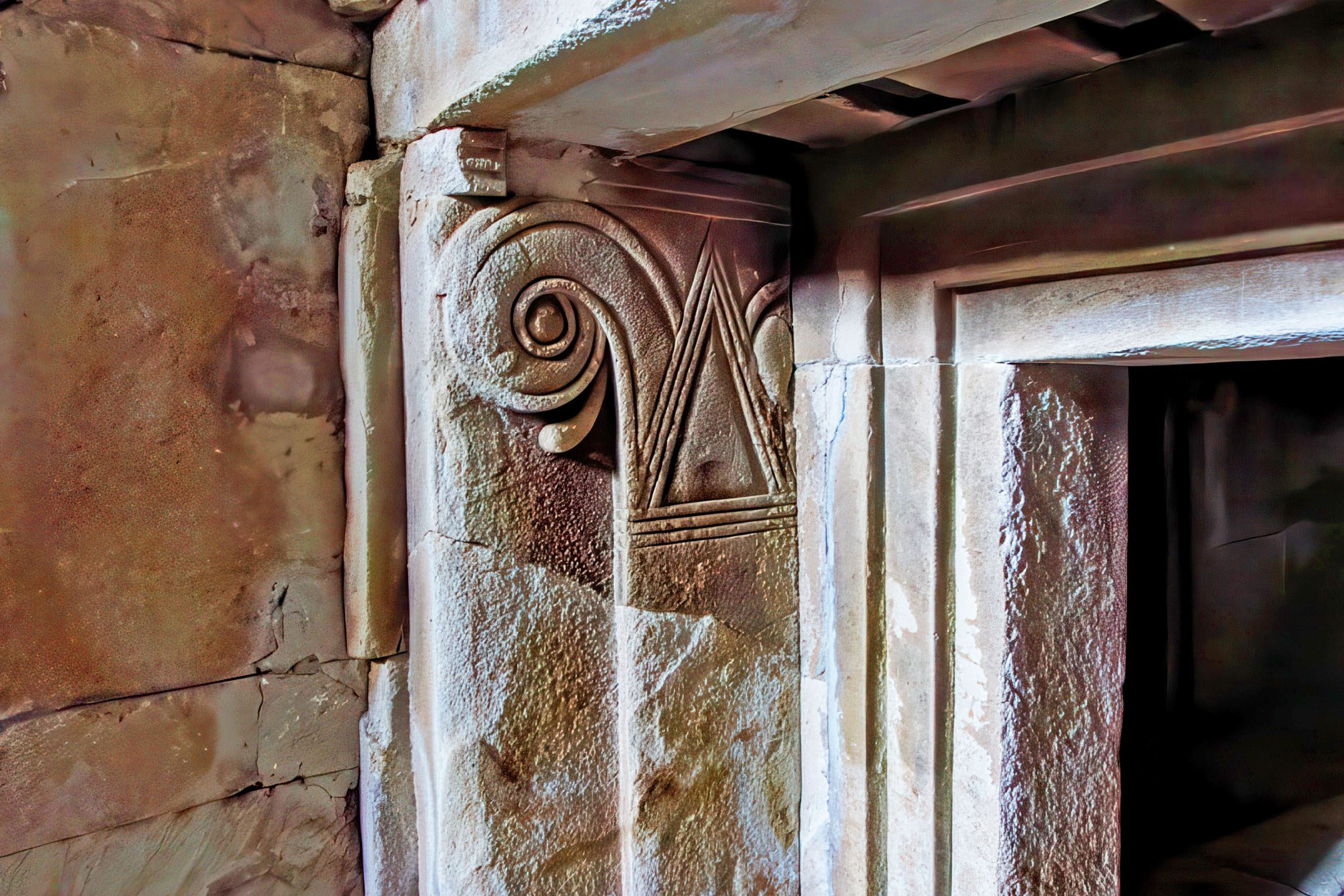
The site also shows how industry, religion, and political power were connected. Temples, workshops, and royal tombs were all part of city life. The mix of Egyptian, Phoenician, and Greek styles in the tomb sculptures shows that Cyprus was a meeting point for different civilizations.
For modern Cyprus, Tamassos links today’s villages to an ancient past. People have lived in the area continuously from prehistoric times to today. Village names preserve memories of the city’s past, from church leadership to copper mining, keeping the connection to history alive.
Visiting Tamassos Archaeological Site
The Tamassos Archaeological Site is located near Politiko village, approximately 30 minutes southwest of Nicosia by car.
The visible sections of the site include the two royal tombs with their impressive masonry and carved entrances, the foundations of the Temple of Aphrodite, portions of the city’s fortifications, and remains of copper-processing installations.
Informational signs in Greek and English provide historical context for the major features. The site receives far fewer visitors than major coastal attractions like Kourion or Salamis, offering a quieter and more contemplative experience.
A Kingdom Built on Copper
Tamassos matters because it shows how geology shaped human history. The copper ore deposits beneath this valley determined where people settled, how they organized their society, and what role they played in the ancient Mediterranean world. From Bronze Age miners to Christian bishops, generations adapted to this landscape and exploited its resources.
The royal tombs with their Egyptian-style sphinx guardians, the workshops that processed ore into finished metal, the temples where gods of fertility and metalwork received worship, all these elements formed an integrated urban society. When the copper ran out, the city declined, but memory persisted through place names, monasteries, and archaeological remains.