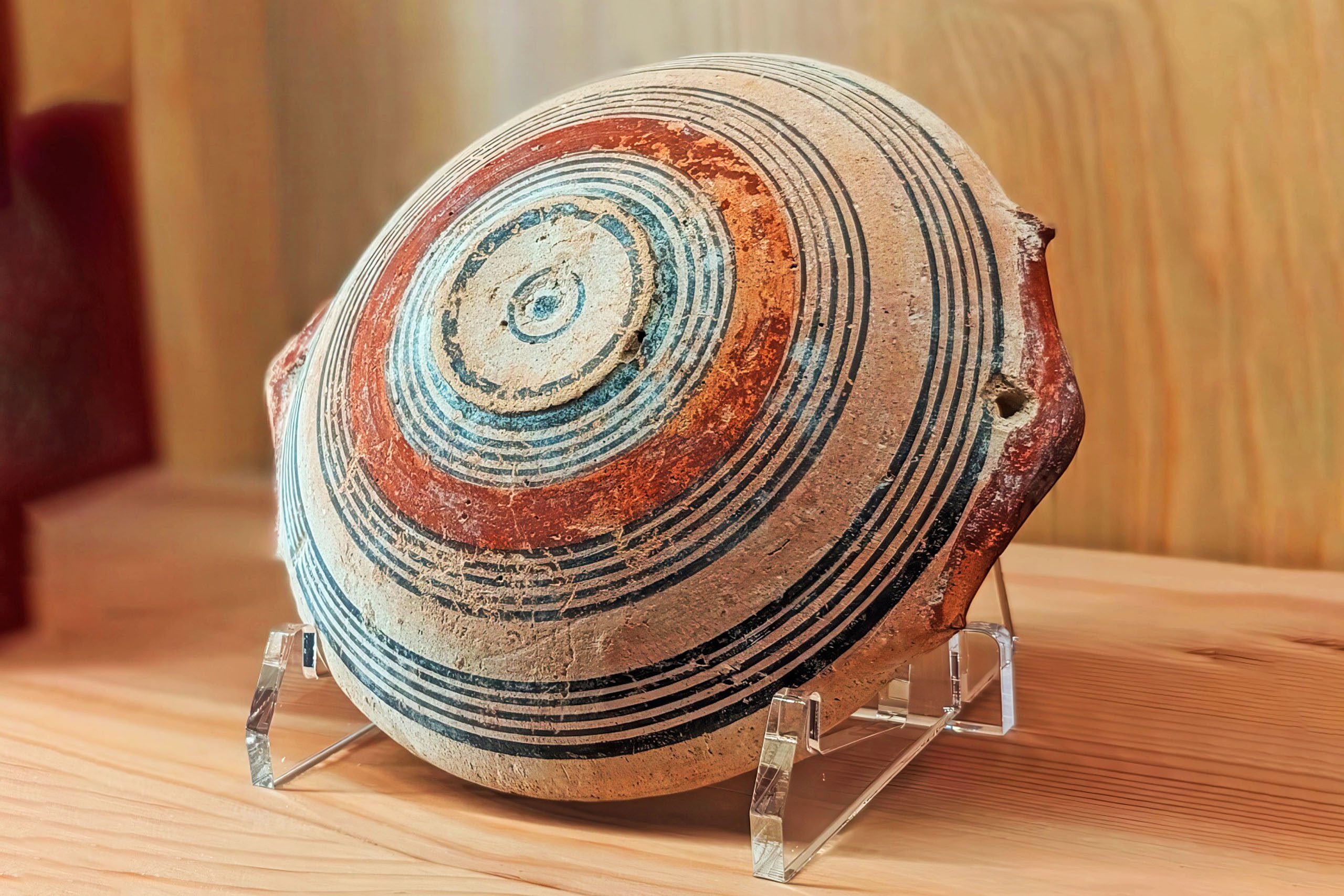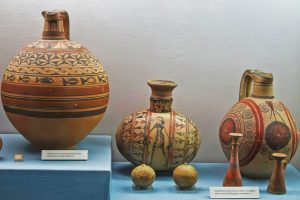
Symbolic Use of Geometry and Proportion in Cypriot Art refers to the ancient practice on the island where repeating shapes and balanced designs conveyed concepts of order, harmony, and cosmic balance. These patterns extended beyond decoration, embedding profound meanings in pottery, sculptures, and other artifacts, fostering a sense of connection to an structured universe. This method transformed basic lines into representations of life’s fundamental principles, highlighting the thoughtful intent behind each composition.
A World Expressed Through Structured Forms
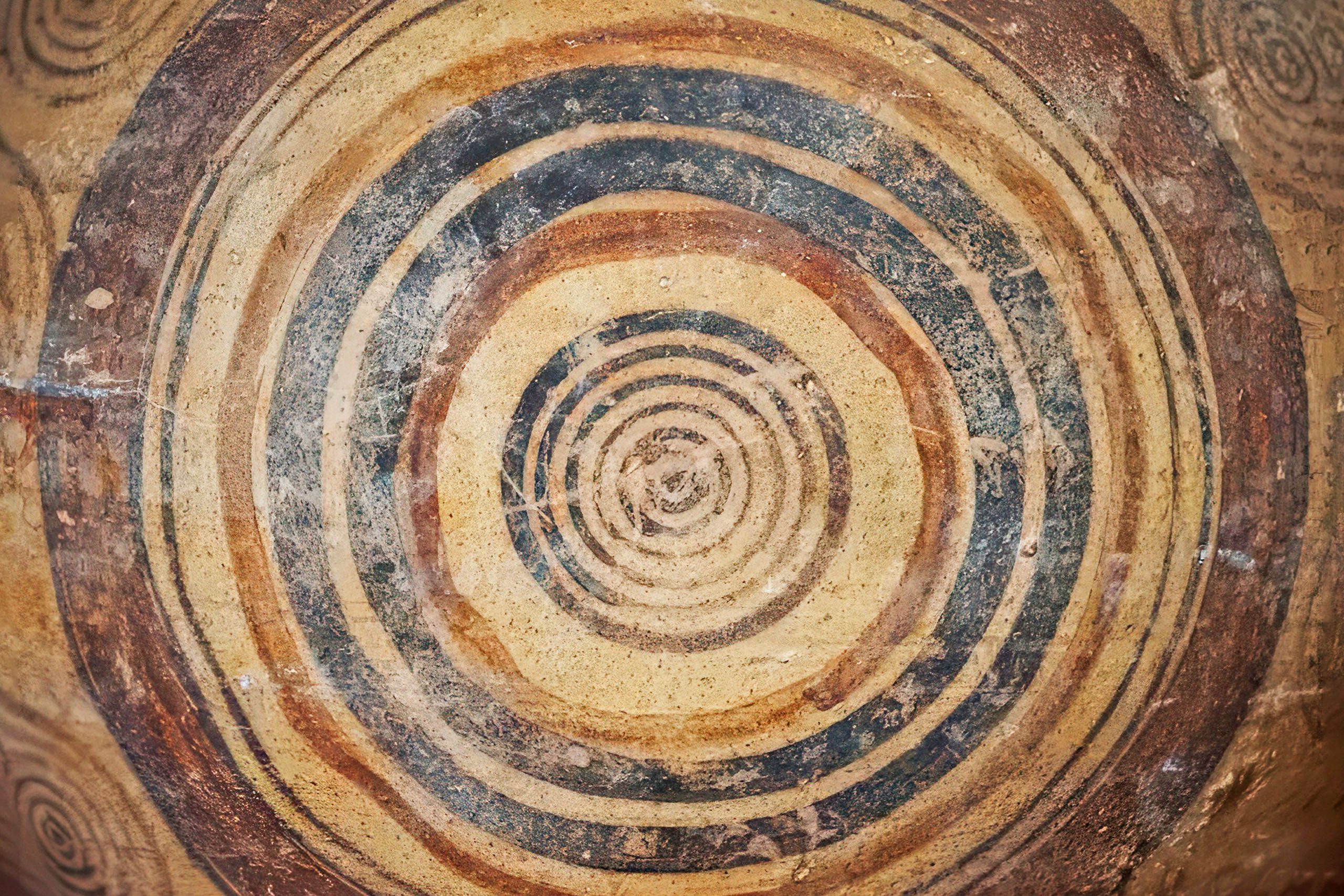
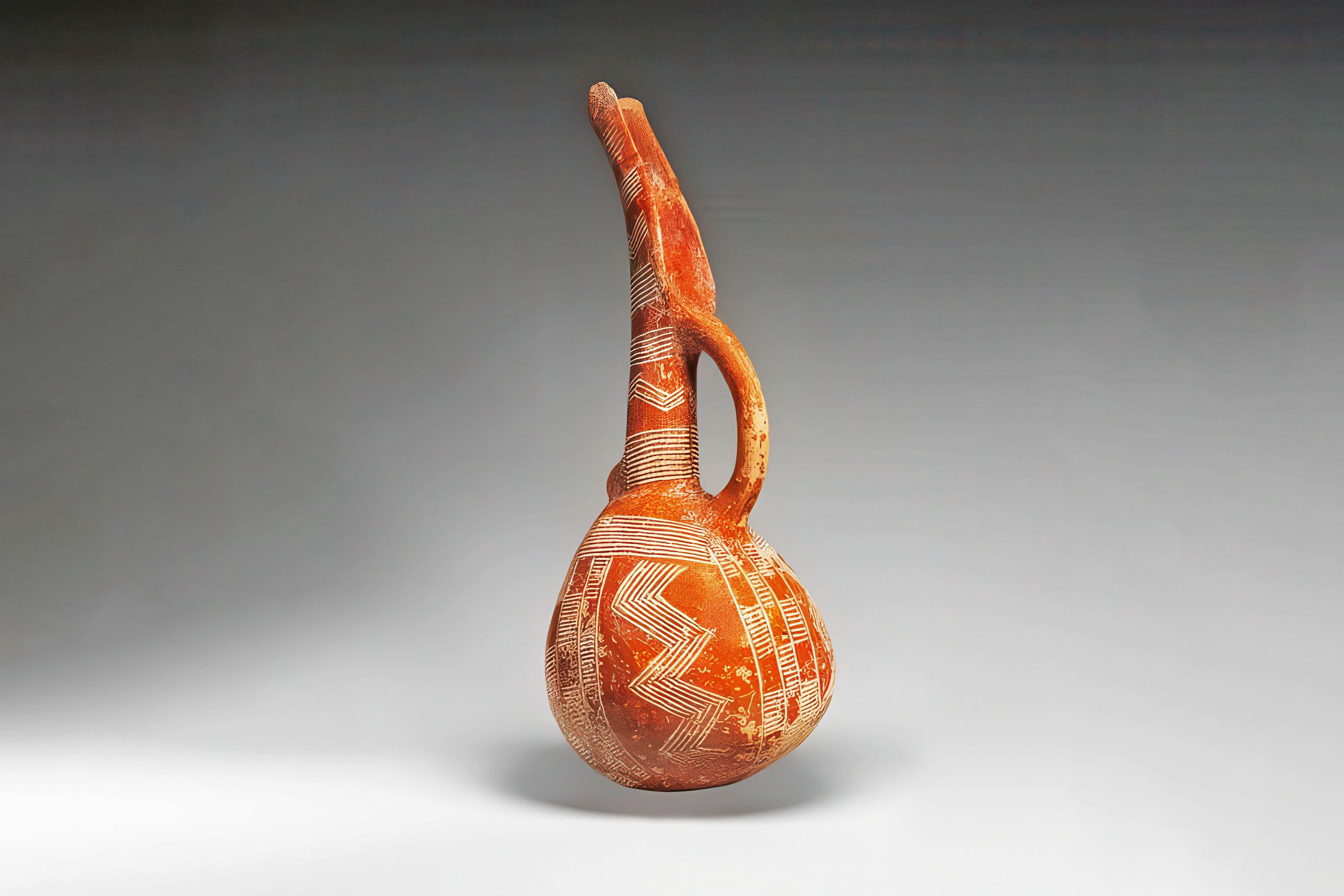
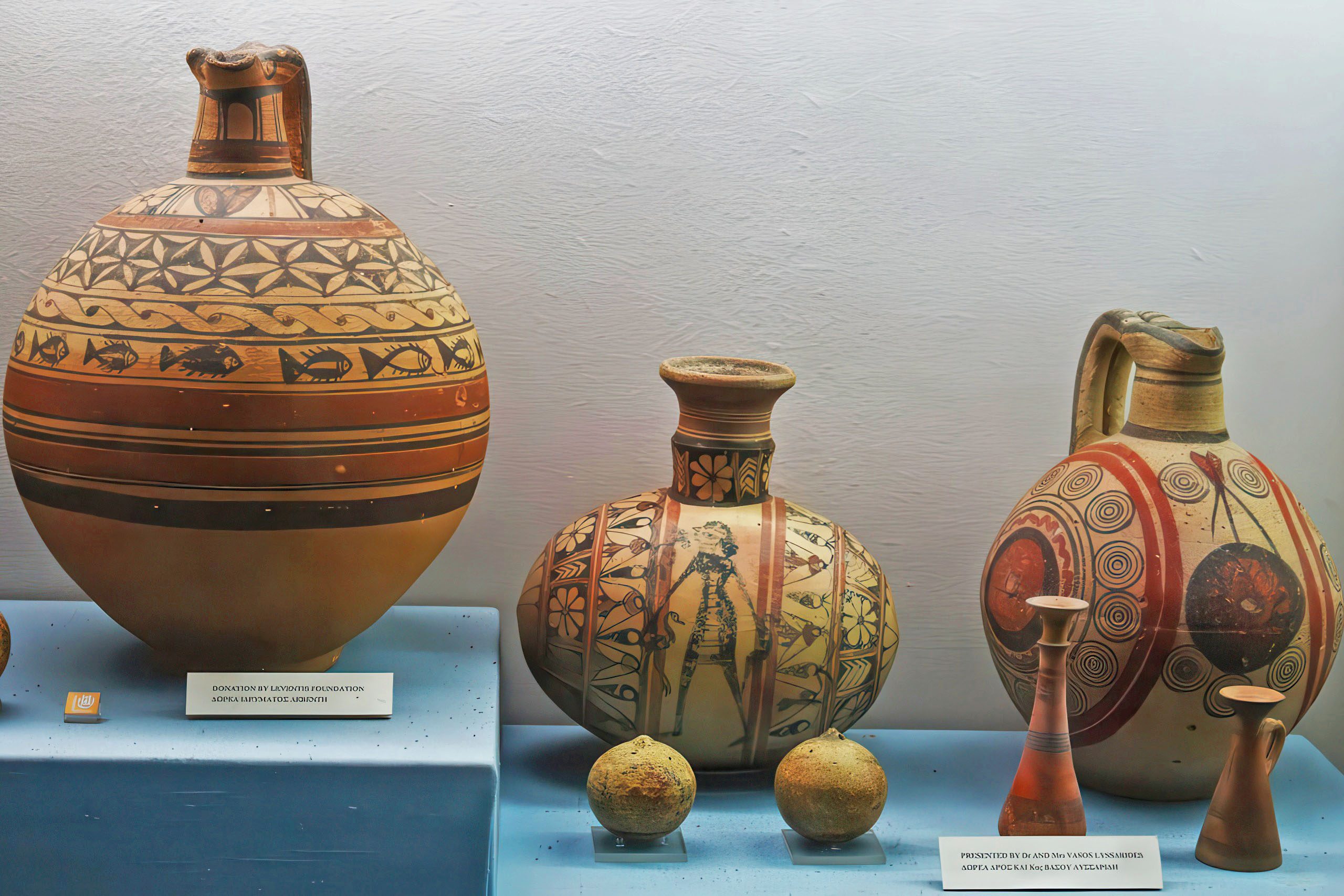
Ancient Cypriot art frequently employed basic geometric elements, such as circles, triangles, and zigzags in repetitive arrangements, rather than detailed depictions of figures or scenes. These patterns appeared across various media, from clay vessels to stone engravings, serving purposes that transcended ornamentation. They articulated notions of a harmonious cosmos, where elements aligned in predictable ways. For communities facing natural uncertainties like earthquakes and storms, such designs provided reassurance of underlying structure, affirming that existence adhered to inherent principles amid apparent disorder.
Origins and Development of Patterns
This artistic approach originated in the Neolithic era around 7000 BC, evident in early pottery with incised lines resembling waves or hills. The Bronze Age, beginning approximately 2500 BC, saw increased organization as trade introduced concepts from Greece, Egypt, and the Near East. Artists drew from natural repetitions, such as the sun’s path or seasonal shifts, converting them into symbolic forms. Greek influences after 1200 BC integrated geometry with mythological elements, while Roman administration from 58 BC added further refinements. These designs persisted across belief systems, from pagan deities to early Christian icons, consistently symbolizing equilibrium in a dynamic environment.
Designs Conveying Symbolic Depth
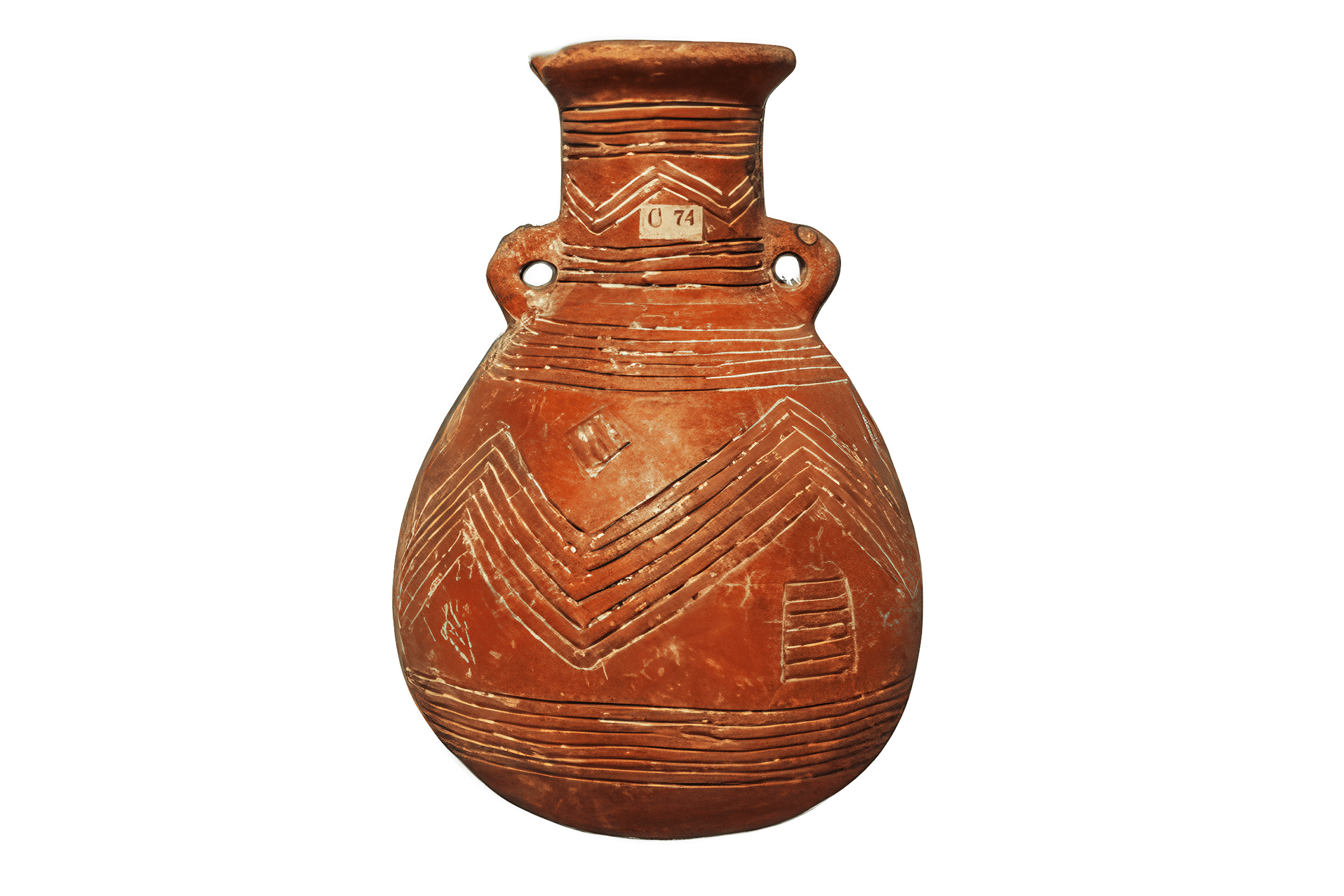
Close examination reveals multifaceted layers within these patterns. Mountains manifested as layered triangles, denoting stability and elevated divine realms. Circles represented perpetual cycles, such as life and renewal. Proportions followed principles like the golden ratio, achieving compositions that evoked equilibrium and tranquility. Zigzags on pottery evoked water or lightning, introducing themes of vitality and equilibrium. Temple floors or walls adorned with repetitions instilled a perception of order, enhancing participants’ experience of universal harmony during ceremonies. This form of art required minimal tools, relying on precision and an attunement to natural laws.
Notable Examples with Intriguing Features
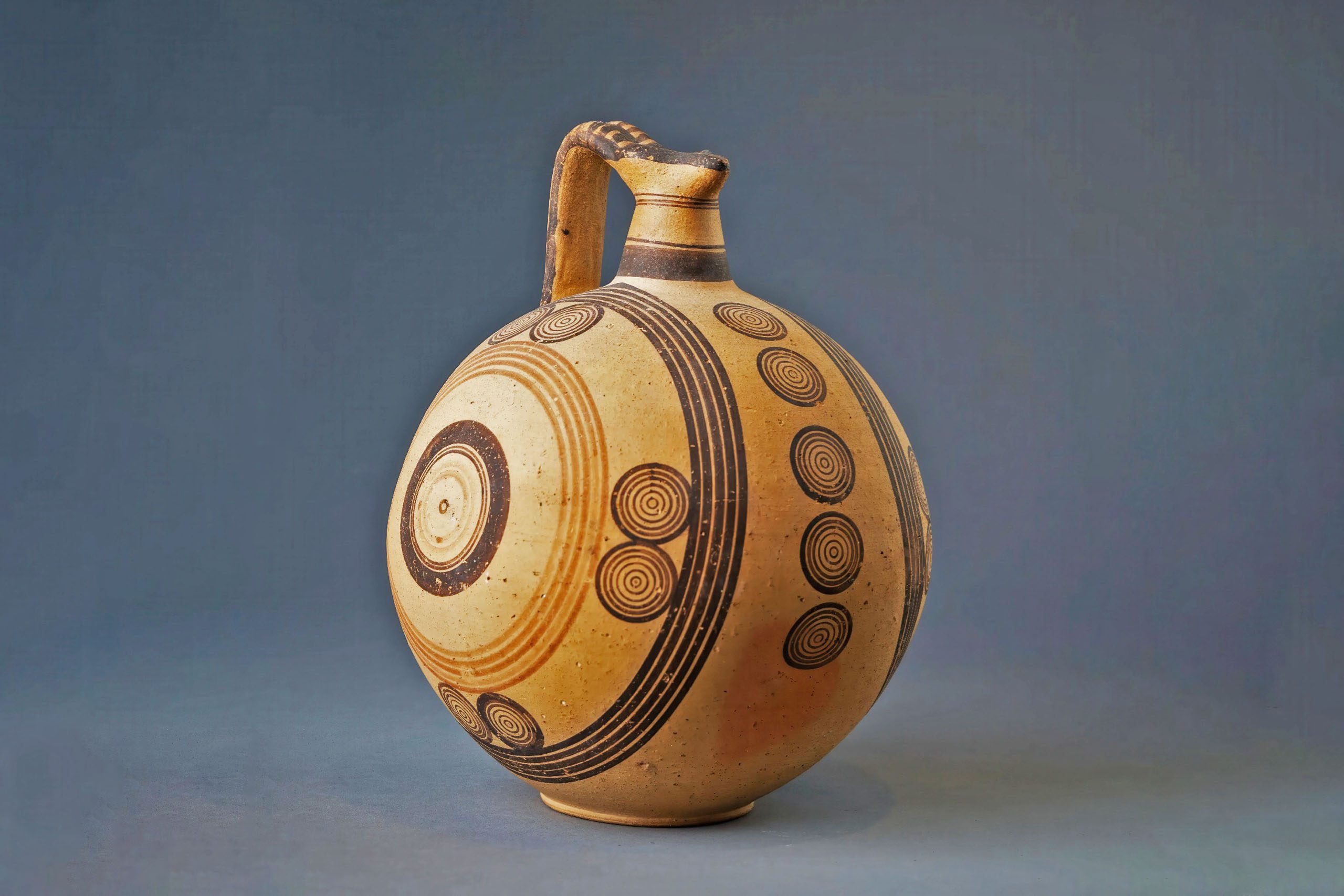
Certain patterns contain elements that add layers of interest. The “meander” motif on Geometric period pots around 1000 BC resembles a winding river, embodying eternity through its unending path, potentially inspired by the Troodos waterways. Seals feature rows of small circles resembling beads, yet symbolizing stellar alignments for agricultural fortune. A bronze bowl from the 8th century BC incorporates squared forms within circles, interpreted as a cosmic mapping akin to an early calendar. Mosaics utilize concealed proportions, where divine poses align with spatial dimensions, creating compositions akin to balanced enigmas.
Exploring Underlying Concepts
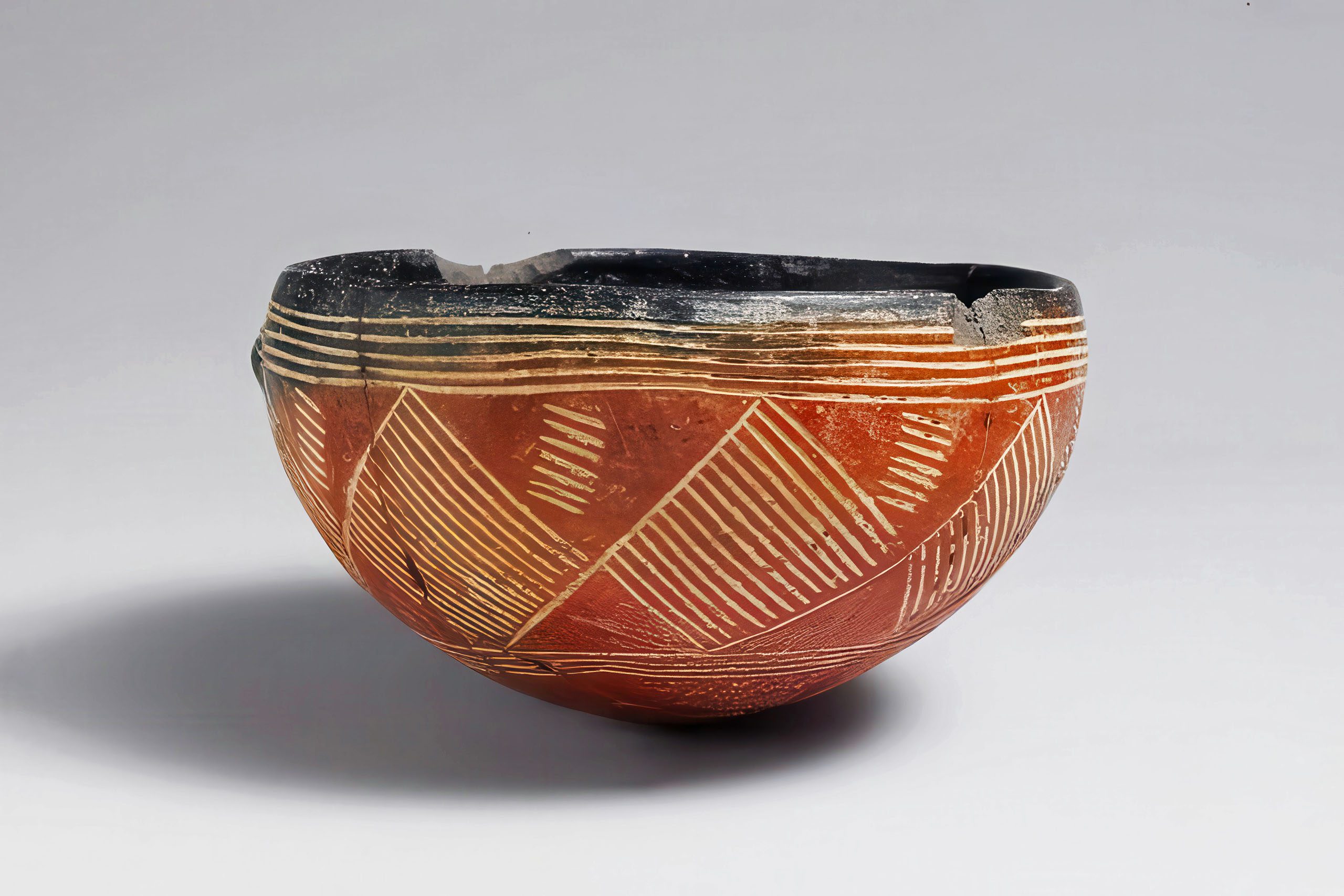
Further analysis discloses Cypriot perspectives on existence. Repetitive patterns mirrored vital rhythms, such as pulses or waves, illustrating equilibrium between disorder and serenity. Proportions emulated natural mathematics, observed in petals or shells, associating art with divine arrangement. In ceremonial contexts, adorned objects directed focus, with forms aiding invocations for productive lands or secure voyages. Trade introduced variations – Egyptian grids for accuracy combined with Greek curves for fluidity, yielding distinctive Cypriot hybrids. During periods of strain, such as Persian governance in the 5th century BC, these motifs reinforced morale, emblemizing indestructible harmony. This art conveyed teachings silently, employing shapes to address fundamental inquiries about the cosmos.
Contemporary Resonance in Cyprus
Symbolic geometry and proportion from antiquity continue to influence Cypriot expressions. Modern jewelry incorporates balanced knots, while architectural tiles replicate ancient mosaics, sustaining a link to historical equilibrium. Amid challenges like societal divisions or environmental shifts, these motifs serve as emblems of enduring stability. Artists integrate them into street murals or textiles, merging traditional harmony with current themes. Tourism perpetuates their presence through souvenirs like patterned scarves that evoke the island’s serene heritage. In a fast-paced setting, they encourage reflection on simplicity and order, demonstrating the relevance of ancient insights to present-day experiences.
Opportunities for Exploration
The Cyprus Museum in Nicosia displays pottery and carvings featuring these patterns, with entry available at low cost. Paphos mosaics offer views of narrative floors incorporating balanced shapes, accessible through park admission. Villages present church tiles and market crafts reflecting modern interpretations. Spring provides favorable conditions for visits, facilitating observation of designs in various contexts.
Patterns Sustaining Equilibrium
Symbolic use of geometry and proportion in Cypriot art illustrates how repetitive forms encapsulated truths about order and harmony. These designs functioned as subtle instructors, connecting communities to a balanced cosmos via lines and configurations. This legacy enriches perceptions of Cyprus as a locale where art interpreted existence. Engagement with a zigzag or circle offers renewed appreciation for patterns’ capacity to instill serenity. This tradition affirms that equilibrium remains accessible through elemental forms.