Cyprus’s contemporary music scene is not driven by nostalgia, nor by imitation of global trends. Instead, it is shaped by a quiet but deliberate return to local sound. Over the past two decades, musicians across the island have begun reworking traditional Cypriot music into modern forms, blending ancient instruments, irregular rhythms, and modal melodies with rock, jazz, and electronic influences. The result is not a revival of folklore, but a living musical language that reflects modern Cypriot identity while remaining deeply rooted in place, memory, and shared experience.
This evolving folk-fusion movement explains how Cyprus sounds today. It also reveals how music has become one of the island’s most powerful tools for cultural continuity and dialogue.
Not a Revival, but a Reconnection
Unlike earlier attempts to modernize folk music, today’s Cypriot fusion is not decorative. Traditional elements are not added for color. They shape the structure of the music itself.
This shift became especially visible after Cyprus joined the European Union in 2004 and intensified following the financial crisis of 2013. As economic confidence declined, many artists began questioning imported cultural models and turned instead toward local traditions. Music became a way to explore identity without nostalgia, using inherited forms to speak about present realities.
Importantly, this movement crosses political and cultural boundaries. Musicians from both sides of the island collaborate, particularly in Nicosia, creating work that feels unmistakably Cypriot while remaining open to the wider Mediterranean and global scene.
From Village Courtyards to Urban Stages
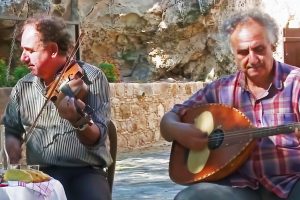
For centuries, traditional Cypriot music lived primarily in rural settings. Weddings, village festivals, and communal gatherings preserved melodies through repetition rather than notation. The core ensemble, known as the zygia, usually centered on the violin and laouto, though in Turkish-Cypriot traditions, the oud (outi) often replaces the laouto.
What has changed is not the material, but the setting. Today, these sounds appear in small urban venues, alternative festivals, and international stages. The shift from village square to city stage has encouraged experimentation. Tradition is no longer treated as untouchable. It is stretched, questioned, and reassembled.
This transition is crucial. It marks the moment when folk music stopped being something preserved and started becoming something created again.
Instruments That Carry Memory
The power of Cypriot folk fusion lies in its instruments, each carrying layers of history and symbolism.
The Laouto: Rhythm and Resistance
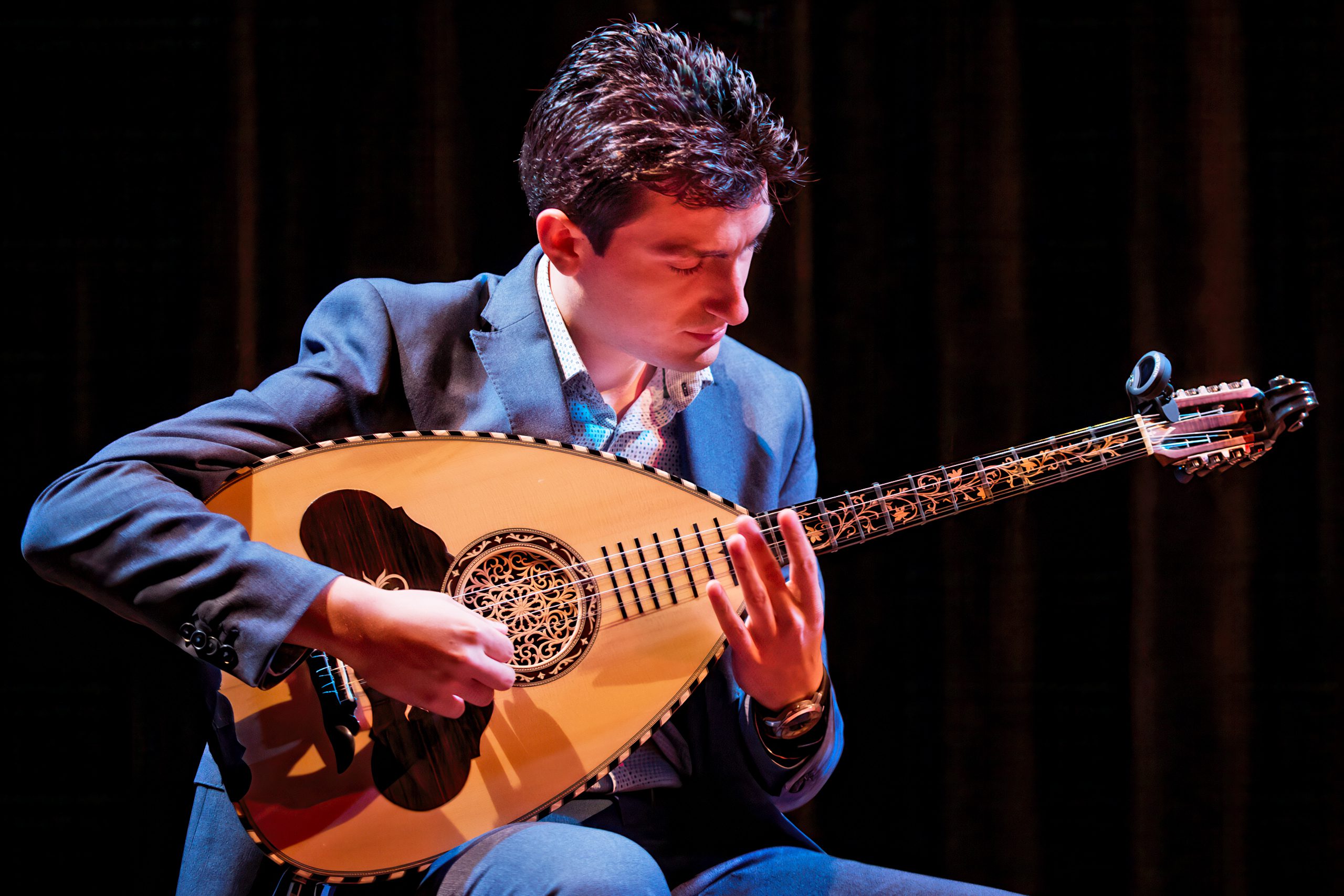
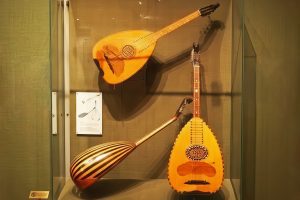
The laouto is central to Cypriot sound. With its steel strings and long neck, it produces a bright, percussive tone that cuts through ensembles. Traditionally used for rhythmic-harmonic accompaniment, the laouto now often takes on a leading role.
In contemporary fusion, musicians amplify the laouto, push it into distorted or hypnotic patterns, and treat it as both rhythm engine and melodic voice. Its movable frets allow performers to move fluidly between Western scales and Eastern modal systems, making it ideal for cross-genre exploration.
The Pithkiavli: Breath from the Landscape
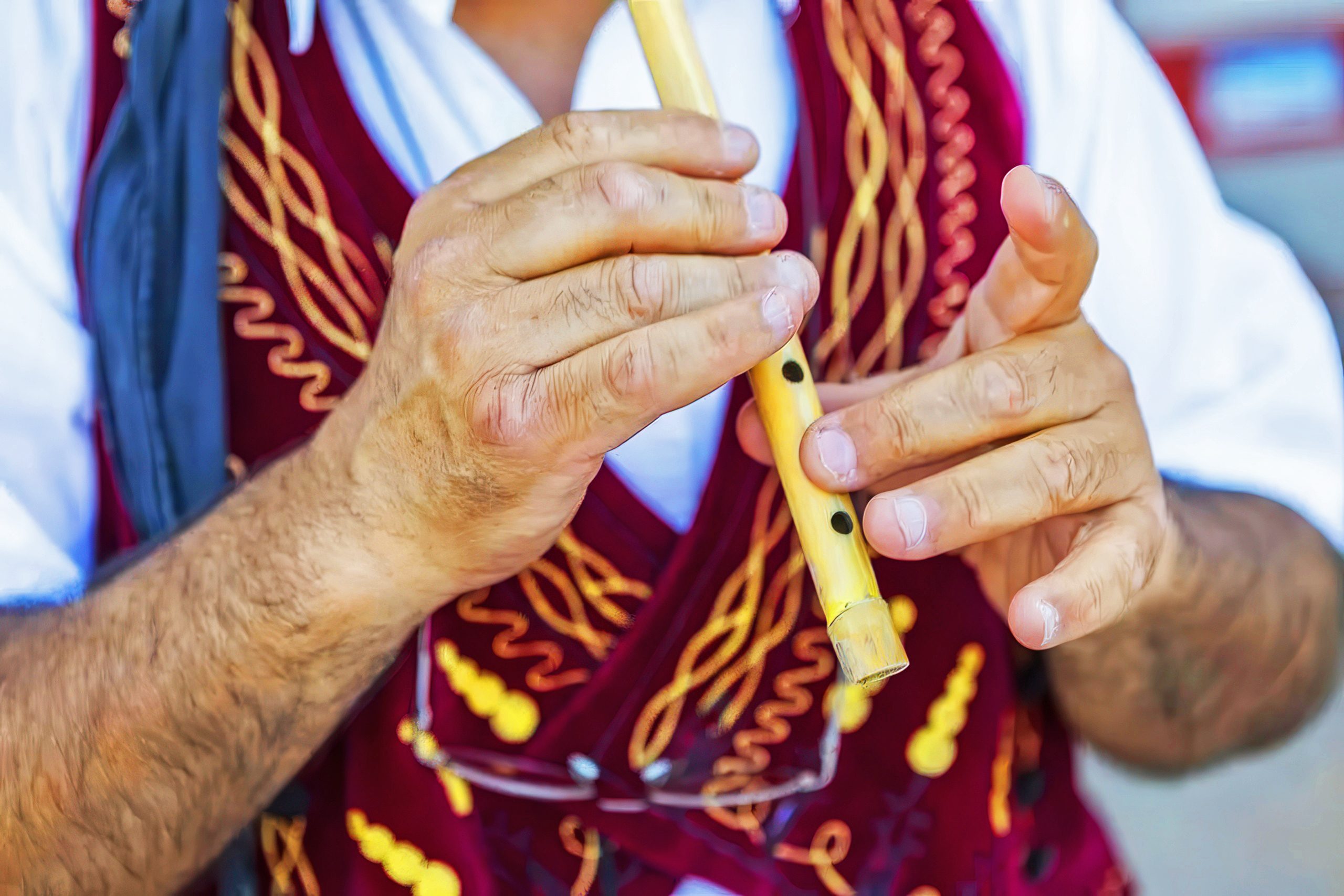
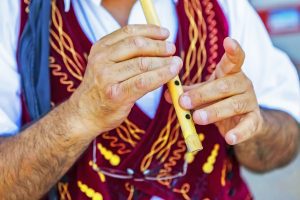
One of the island’s oldest instruments, the pithkiavli is a simple reed flute traditionally played by shepherds, and is a simple fipple flute made of reed (calamus). Its sound is raw, intimate, and closely tied to the natural environment.
Modern artists use the pithkiavli sparingly, often pairing it with ambient textures or minimalist arrangements. When it appears, it changes the emotional register of a piece immediately, grounding modern compositions in something ancient and human.
Percussion and Pulse
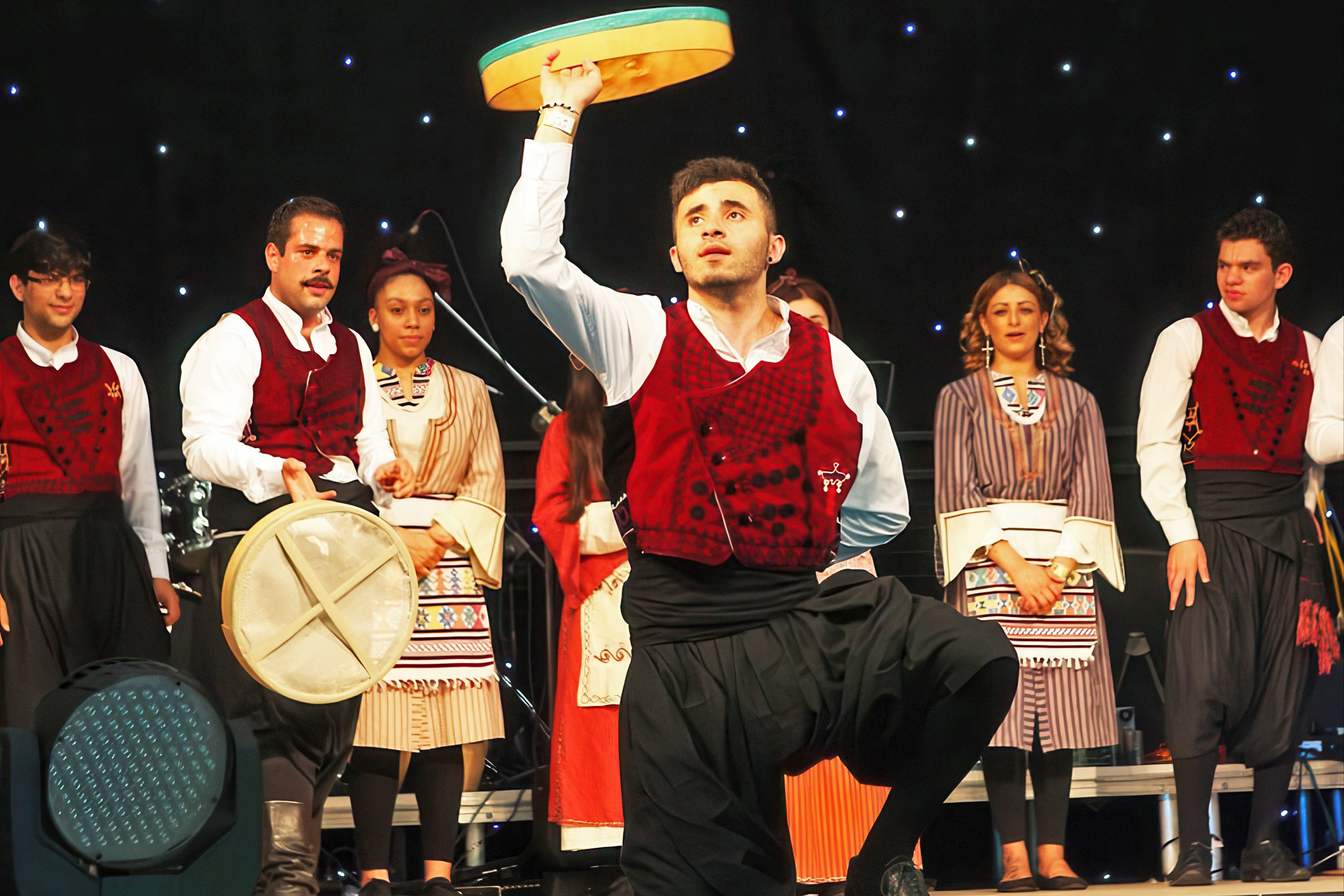
Frame drums such as the tamboutsia and defi anchor Cypriot rhythm. Their patterns are often irregular, built around additive meters rather than symmetrical beats.
In fusion contexts, these rhythms are absorbed into drum kits, looped electronically, or layered with funk and psychedelic grooves. The result feels distinctive due to its microtonal intervals and instinctive once internalized.
Why Cypriot Music Moves Differently
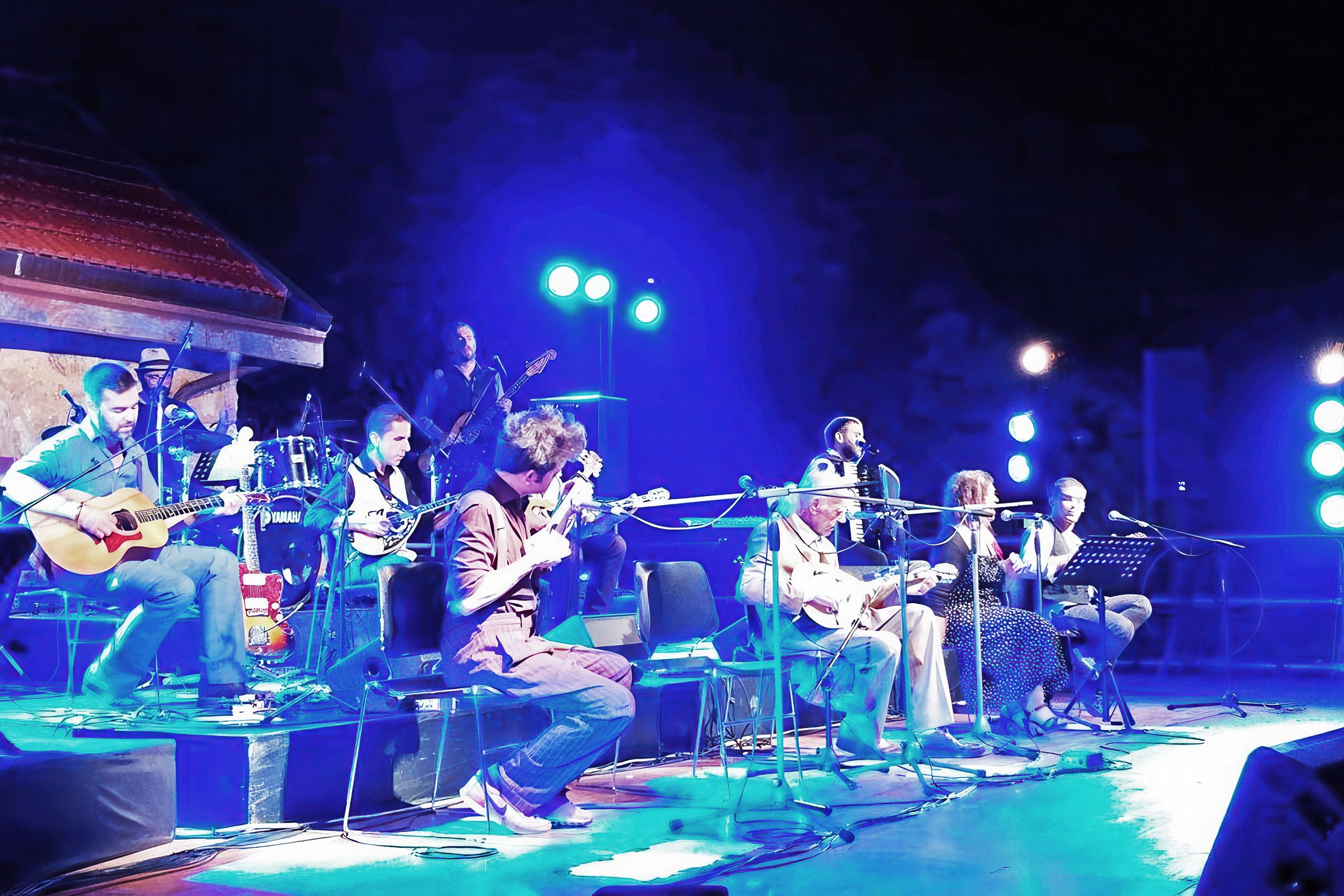
One of the most distinctive qualities of Cypriot music is the way it inhabits time. Rather than moving in predictable cycles, it unfolds with subtle shifts, pauses, and accelerations that mirror speech, landscape, and social ritual.
Irregular Rhythms
Many traditional Cypriot dances use meters such as 9/8 or 7/8, patterns that resist symmetry and invite motion that feels both grounded and unpredictable. These rhythms do not simply keep time. They shape how bodies move and how melodies breathe.
In contemporary fusion, musicians deliberately preserve these uneven patterns. Instead of smoothing them into familiar pop structures, they highlight their asymmetry, allowing tension and release to emerge naturally. This rhythmic character gives Cypriot fusion a restless energy, one that feels rooted in tradition yet strikingly contemporary.
Modal Thinking Instead of Chords
Cypriot melodies are traditionally built on modes rather than chord progressions. Melodic lines wander through tonal landscapes, guided by emotional intent rather than harmonic resolution. This approach allows subtle pitch variations that convey feeling with remarkable precision.
Modern musicians engage with this tradition by modifying instruments, using fretless setups, or integrating microtonal systems into digital production. The result is music that communicates emotion directly, often more intuitively than standard Western tonal frameworks, and invites listeners into a different way of hearing.
Voices That Carry Stories

Traditional Cypriot songs rely on fones, melodic frameworks that support changing lyrics and evolving contexts. These melodies act as vessels for memory, allowing singers to insert new stories into familiar shapes.
Contemporary artists continue this practice, but with expanded tools. Some fragment and loop vocal lines, others arrange traditional melodies for choirs or experimental ensembles, and some set dialect lyrics against electronic textures. In each case, the voice functions as both a musical instrument and a living archive, carrying personal and collective histories forward while inviting reinterpretation.
Where the Sound Lives Today
This folk-fusion movement is sustained by a network of independent cultural spaces that priorities experimentation and listening.
Independent labels, alternative venues, and festivals create environments where musicians can explore tradition without commercial constraints. Events such as the Fengaros Festival connect Cypriot artists with international peers, while intimate venues in Nicosia and Limassol foster collaboration and artistic risk.
These spaces matter because they allow complex, locally grounded music to reach audiences who are willing to listen deeply. They transform folk fusion from a niche practice into a shared cultural conversation.
A Music That Explains the Island
Contemporary Cypriot folk fusion is compelling not because it is new, but because it is honest. It does not attempt to resolve the island’s divisions or romanticize its past. Instead, it reflects Cyprus as it exists today: layered, unresolved, and interconnected.
By blending ancient instruments with modern forms, musicians are not escaping tradition. They are extending it. The laouto, the pithkiavli, and the irregular rhythms are not preserved as museum artefacts. They are living tools, reshaped by each generation.
In this way, Cypriot music offers a rare model of continuity. It shows how a small island, shaped by complexity and history, can produce a sound that feels both deeply local and broadly resonant. Not by choosing between past and present, but by allowing both to speak, together, in rhythm.