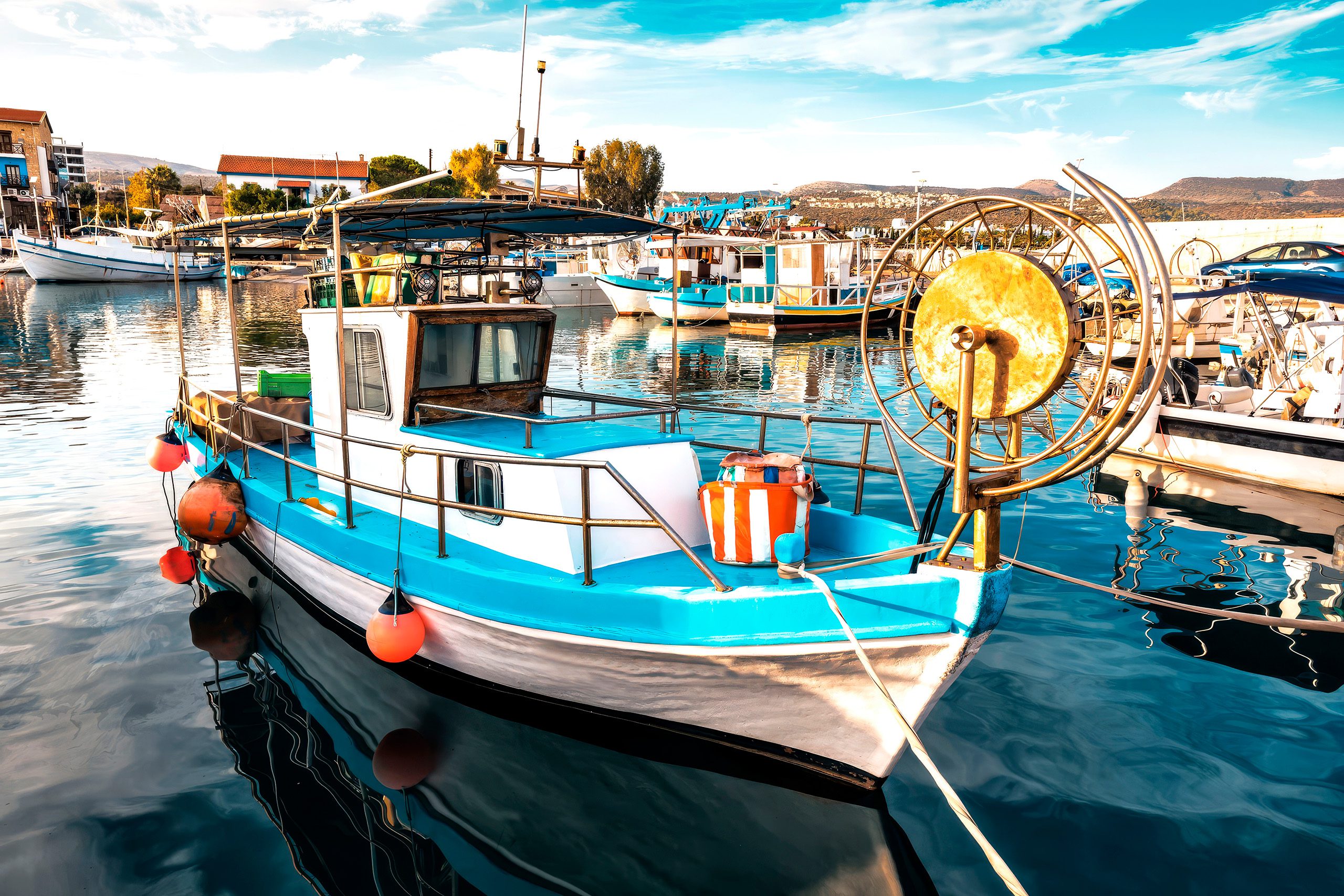
Fishing in Cyprus has never been a matter of going out to sea and taking whatever is available. For centuries, coastal communities shaped their lives around the rhythms of the Mediterranean, fishing when conditions allowed, resting when they did not, and adjusting methods as fish moved, spawned, or disappeared. These seasonal patterns were not written rules but accumulated knowledge, refined through observation and necessity. Understanding traditional fishing in Cyprus means understanding how people learned to work with the sea rather than against it.
- A Relationship Built on Timing
- Knowledge Passed by Observation, Not Instruction
- Cyprus and the Eastern Mediterranean Setting
- Fish on the Move
- Spawning and the Logic of Restraint
- Methods That Changed with the Months
- Reading the Sea Without Instruments
- Markets, Meals, and Seasonal Memory
- Tradition Reflected in Modern Rules
- Seasonal Fishing in a Changing Sea
- Why These Patterns Still Matter
A Relationship Built on Timing
The Mediterranean is not a uniform or endlessly predictable environment. Around Cyprus, subtle seasonal changes in temperature, light, and currents strongly influence where fish gather and how active they become. Traditional fishers understood that the sea does not offer the same opportunities all year. Knowing when to fish mattered as much as knowing how.
Fishing activity shifted with the calendar, but also with conditions that could not be reduced to dates alone. A warmer spring, an extended calm period, or a sudden change in wind could alter expectations. Over time, fishers learned to read these signs, developing an intuitive sense of timing that guided their decisions long before modern forecasting existed.
Knowledge Passed by Observation, Not Instruction
Seasonal fishing knowledge in Cyprus was never formalised in manuals. It was learned through watching the sea, listening to older fishers, and repeating patterns that proved reliable. Children grew up seeing which months brought full nets and which brought quiet harbours. Experience accumulated slowly, reinforced each year by success or failure.
This form of knowledge rewarded patience. Fishers noticed that some species returned at nearly the same time every year, while others appeared only briefly before vanishing again. Over generations, these observations formed informal seasonal calendars that guided entire communities.
Restraint was part of this understanding. Avoiding certain species or areas during breeding periods was not described as conservation, but as practical sense. Taking too much at the wrong time risked empty seasons ahead.
Cyprus and the Eastern Mediterranean Setting
Cyprus sits in the eastern Mediterranean, a region shaped by warm waters, high clarity, and relatively low nutrient levels. Unlike more turbulent seas, the Mediterranean around Cyprus changes gradually rather than dramatically. Seasonal shifts are subtle, but they are consistent enough to reward careful attention.
The island’s coastline offers varied habitats. Rocky shores, shallow bays, and deeper offshore waters lie within reach of small boats. Nearshore areas tend to host resident species that remain close to the coast throughout the year. Offshore routes, by contrast, are used by migratory fish that pass through Cypriot waters during specific seasons.
Hot summers, mild winters, and limited river input mean that temperature plays a greater role than tides or storms. This makes seasonal patterns reliable, but only to those who know how to notice them.
Fish on the Move
Many of the fish traditionally caught around Cyprus are seasonal visitors rather than permanent residents. Large migratory species move through the eastern Mediterranean in response to temperature changes, food availability, and breeding cycles.
Tuna species, including albacore, are among the most anticipated arrivals. They typically appear during the warmer months, especially from early summer through mid-season, when surface waters support feeding and spawning activity. Their arrival has long been a signal of intense but short-lived fishing periods.
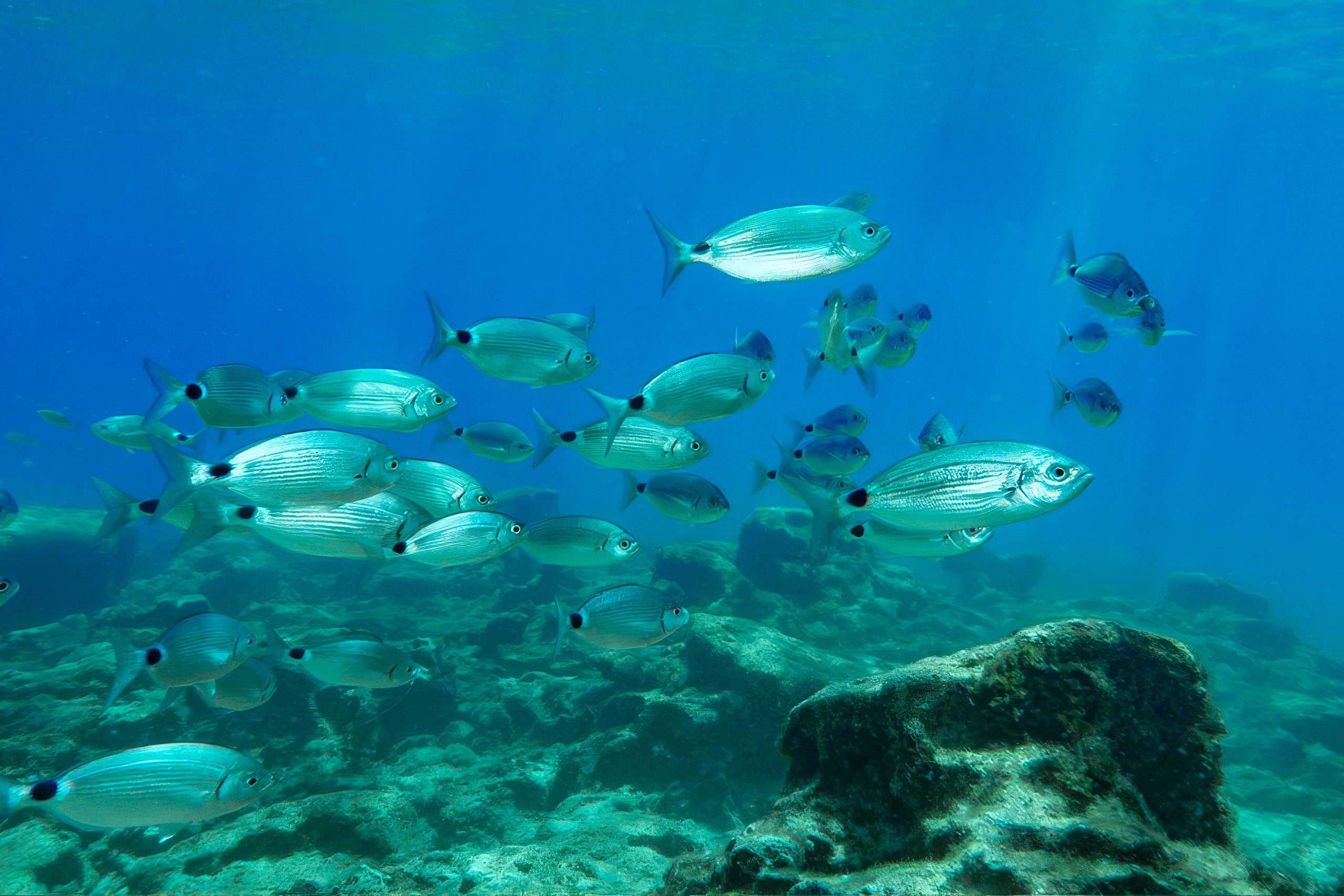
Smaller migratory species also shift between coastal and offshore waters as conditions change. Mullets, seabreams, and similar fish move closer to shore during certain months, then retreat again as temperatures rise or fall.
Resident species such as groupers remain tied to rocky habitats year-round, but even they adjust their depth and activity. In cooler months, they tend to stay deeper and move less, while warmer periods bring increased feeding closer to accessible grounds.
Spawning and the Logic of Restraint
Spawning seasons sit at the centre of traditional fishing patterns. When fish gather to reproduce, they become easier to locate and catch. At the same time, they are at their most vulnerable.
Along the Cypriot coast, spring marks a key spawning period for many coastal species. Summer sees breeding activity among larger migratory fish. Traditional fishers learned to recognise these periods through changes in behaviour, such as slower movement, denser schools, or predictable gathering spots.
Rather than exploiting these moments fully, many communities reduced effort or shifted attention to other species. This restraint was not idealistic. It was shaped by long experience. Catching breeding fish might produce a short-term gain, but it risked weaker seasons ahead.
Modern closed seasons now enforce this logic through law, but the principle itself is far older.
Methods That Changed with the Months
As seasons shifted, so did fishing techniques. Tools were chosen to match conditions, species, and expected yields rather than habit.
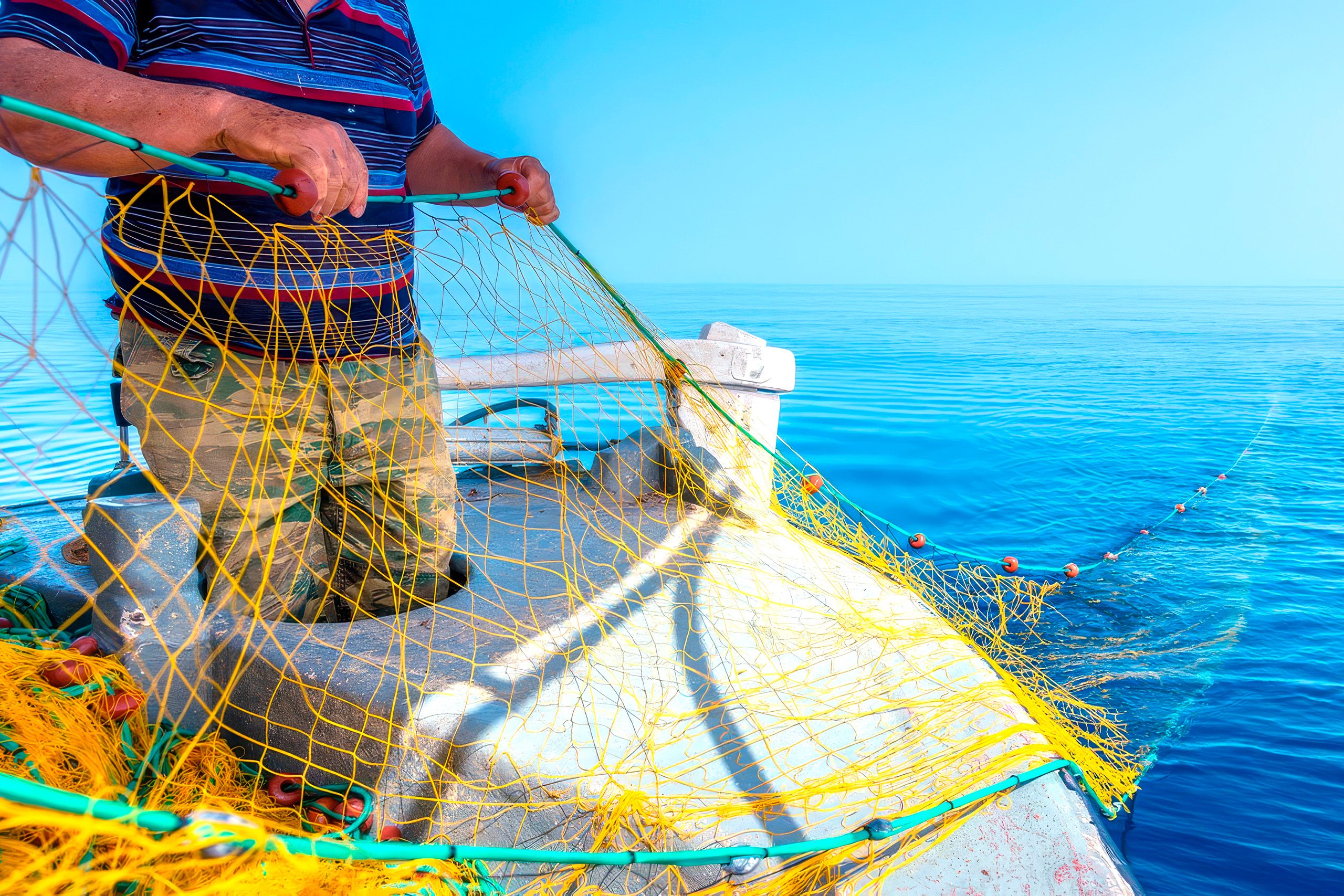
Spring fishing often focused on nearshore waters. Fish moved closer to the coast, and lighter methods were effective. Longlines, basket traps, and small nets were commonly used, set with care to avoid unnecessary damage. Fishing took place early in the morning or late in the afternoon, when water temperatures were moderate and activity increased.
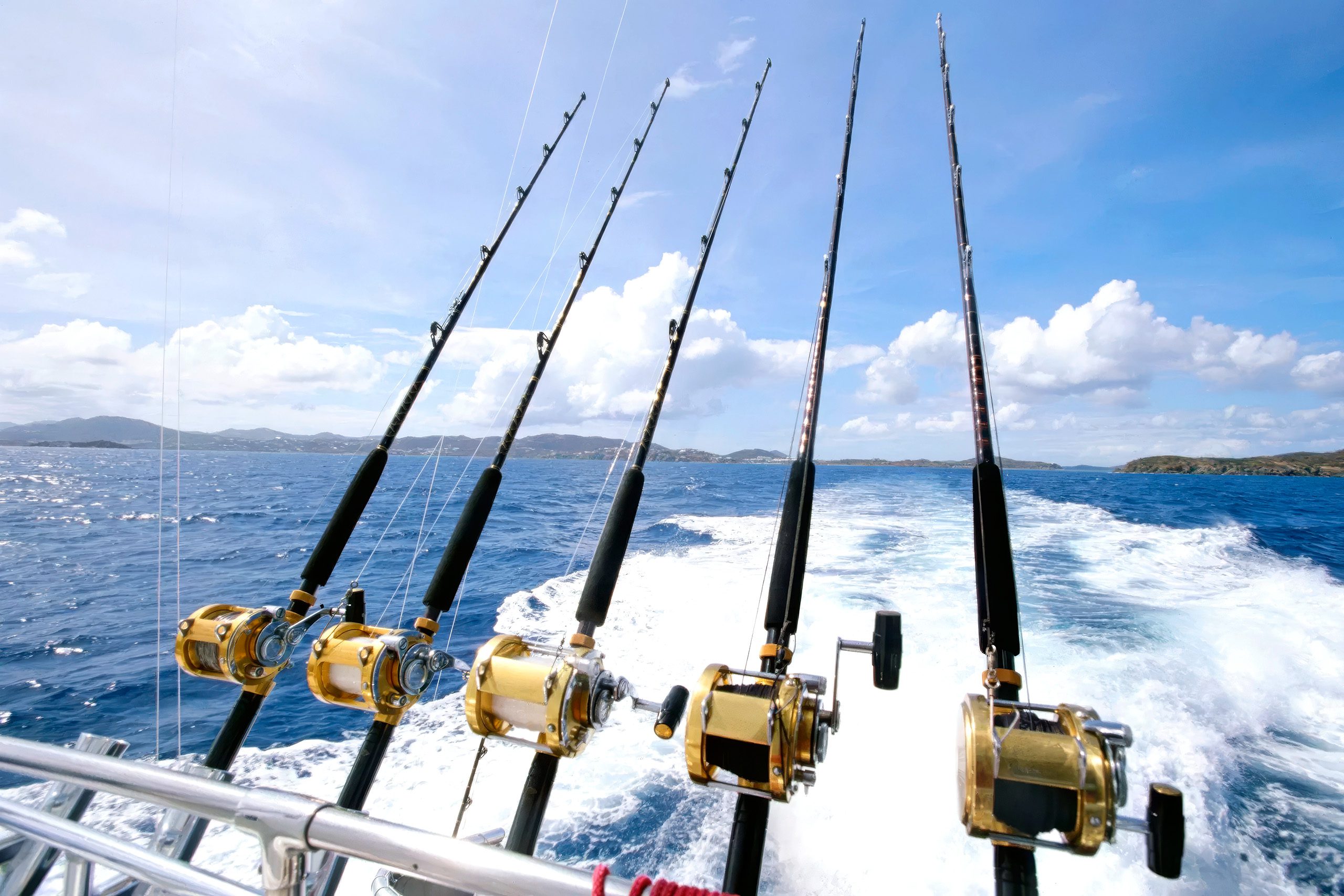
Summer brought calmer seas and longer daylight hours. Boats travelled farther offshore, targeting migratory species. Trolling methods and heavier gear became more common, suited to faster-moving fish and deeper waters. These periods were intense but brief, requiring readiness rather than constant effort.
Autumn marked a gradual shift back toward bottom-dwelling species as waters cooled and migratory fish moved on. Winter, by contrast, was a quieter time. Rougher seas limited access, and fishing focused on sheltered areas close to shore. Harbours emptied, nets were repaired, and activity slowed naturally. Each season demanded adjustment rather than routine.
Reading the Sea Without Instruments
Traditional fishers relied on environmental cues that went far beyond calendars. Water colour, clarity, and surface movement all offered clues. Seasonal winds signalled changes in oxygen levels and fish behaviour. A slight shift in current could mean the difference between a productive outing and an empty one.
Moon phases also influenced decisions. New and full moons were associated with stronger feeding activity in some species, guiding timing rather than location. These patterns were never absolute, but they formed part of a broader system of reading the sea.
This form of ecological knowledge was flexible rather than rigid. Fishers adjusted expectations each year, refining their understanding as conditions varied.
Markets, Meals, and Seasonal Memory
Seasonal fishing is shaped more than work at sea. It shaped life on land. Fish markets changed character with the months. Spring stalls offered a wide variety of coastal species, while summer displays reflected the brief abundance of migratory fish. Winter markets were quieter, simpler, and more limited.
Local cuisine followed the same rhythm. Dishes celebrated what was available at the time, not what could be forced year-round. Certain meals became associated with particular months, creating culinary memories tied directly to the sea’s cycles.
For many coastal communities, these seasonal changes were anticipated events. The arrival of certain fish signalled not just work, but a change in atmosphere along the shore.
Tradition Reflected in Modern Rules
Today’s fishing regulations in Cyprus mirror many traditional practices. Closed seasons protect spawning fish. Gear restrictions reduce damage to habitats. Size limits ensure young fish can mature before being caught.
What is new is enforcement, not logic. Long before rules were written, fishers understood the consequences of ignoring seasonal limits. Modern regulation formalised what experience had already taught.
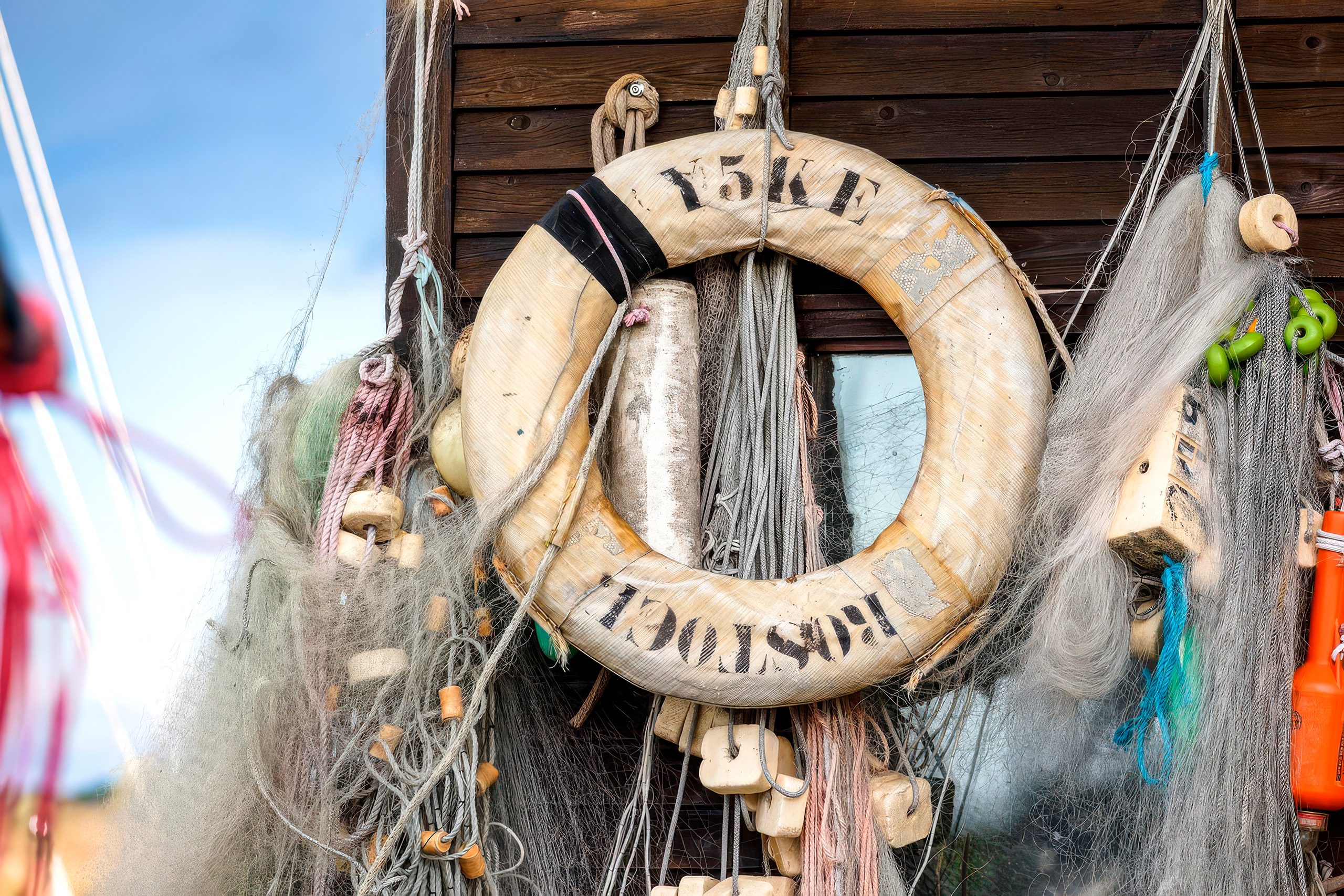
Small-scale fishers today blend traditional cues with modern tools. Weather apps and digital charts supplement instincts shaped by years at sea. The balance between old knowledge and new information continues to evolve.
Seasonal Fishing in a Changing Sea
Climate change has begun to alter some of the patterns that once felt fixed. Warmer waters arrive earlier in the year, extending certain seasons while compressing others. New species, including invasive arrivals such as lionfish, are appearing more frequently, reshaping expectations.
Even so, the underlying rhythm remains. Fishers adapt, as they always have, adjusting methods, timing, and targets in response to change. Flexibility has always been central to seasonal fishing.
Why These Patterns Still Matter
Traditional fishing patterns in Cyprus reveal a long-standing relationship based on attention rather than control. They show how communities learned to live alongside the sea by observing its cycles and respecting its limits.
This approach shaped more than fishing success. It shaped community life, local economies, and cultural identity. The seasons of the sea influenced when people worked, rested, gathered, and celebrated.
Understanding these patterns offers insight into Cyprus’s maritime character. It is a story of adaptation and balance, where knowledge grew slowly and restraint proved as important as skill. Following the seasons was never just about fish. It was about learning how to belong to the coastline itself.