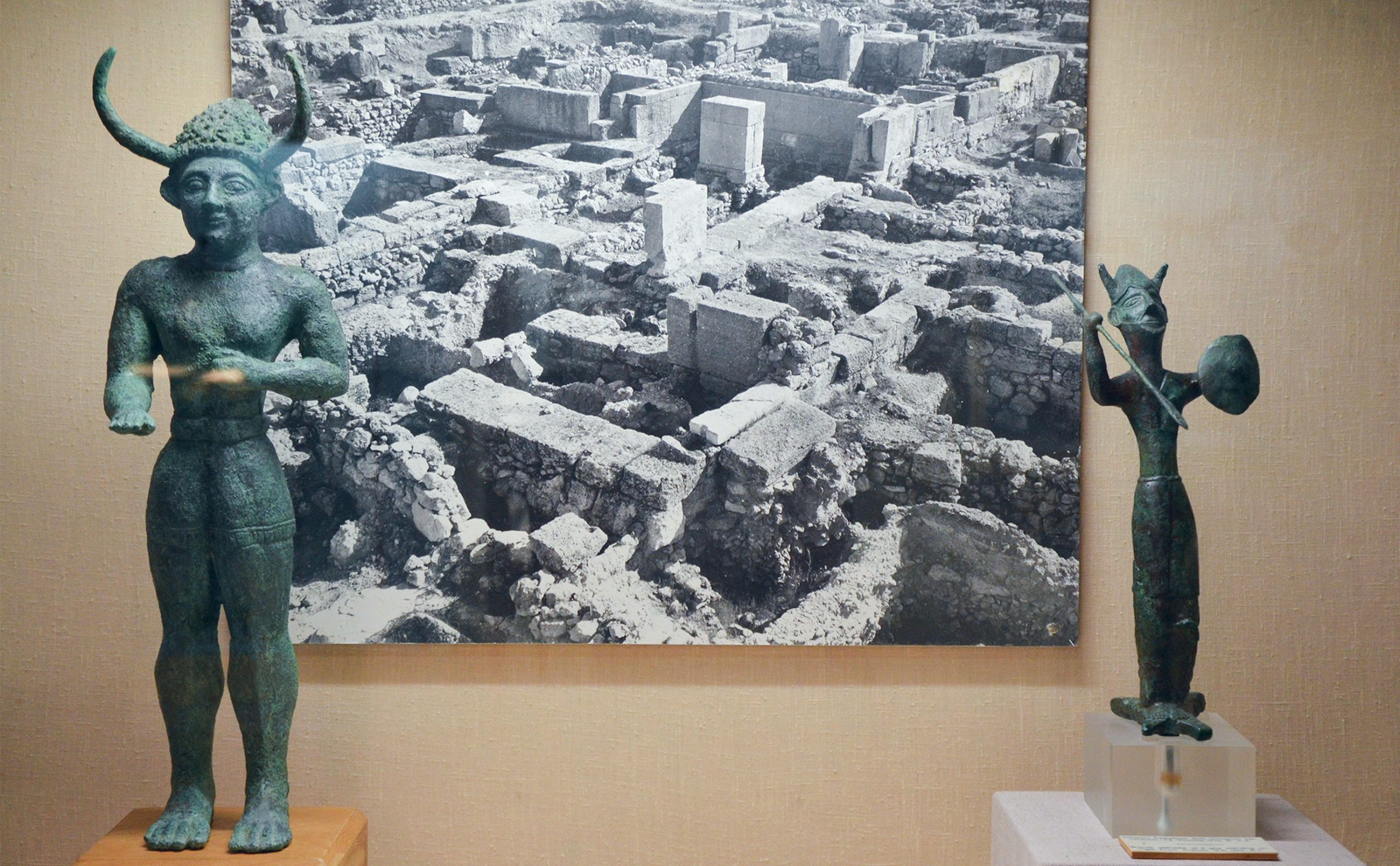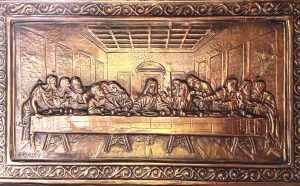
Long before Cyprus became known for beaches or crossroads of empires, it was known for something far more fundamental. Copper. Drawn from its mountains and carried across open water, this metal placed the island at the center of the ancient Mediterranean world. Cyprus did not merely export a resource. It supplied the material that powered the Bronze Age and, in doing so, helped shape the earliest long-distance trade networks ever formed at sea.
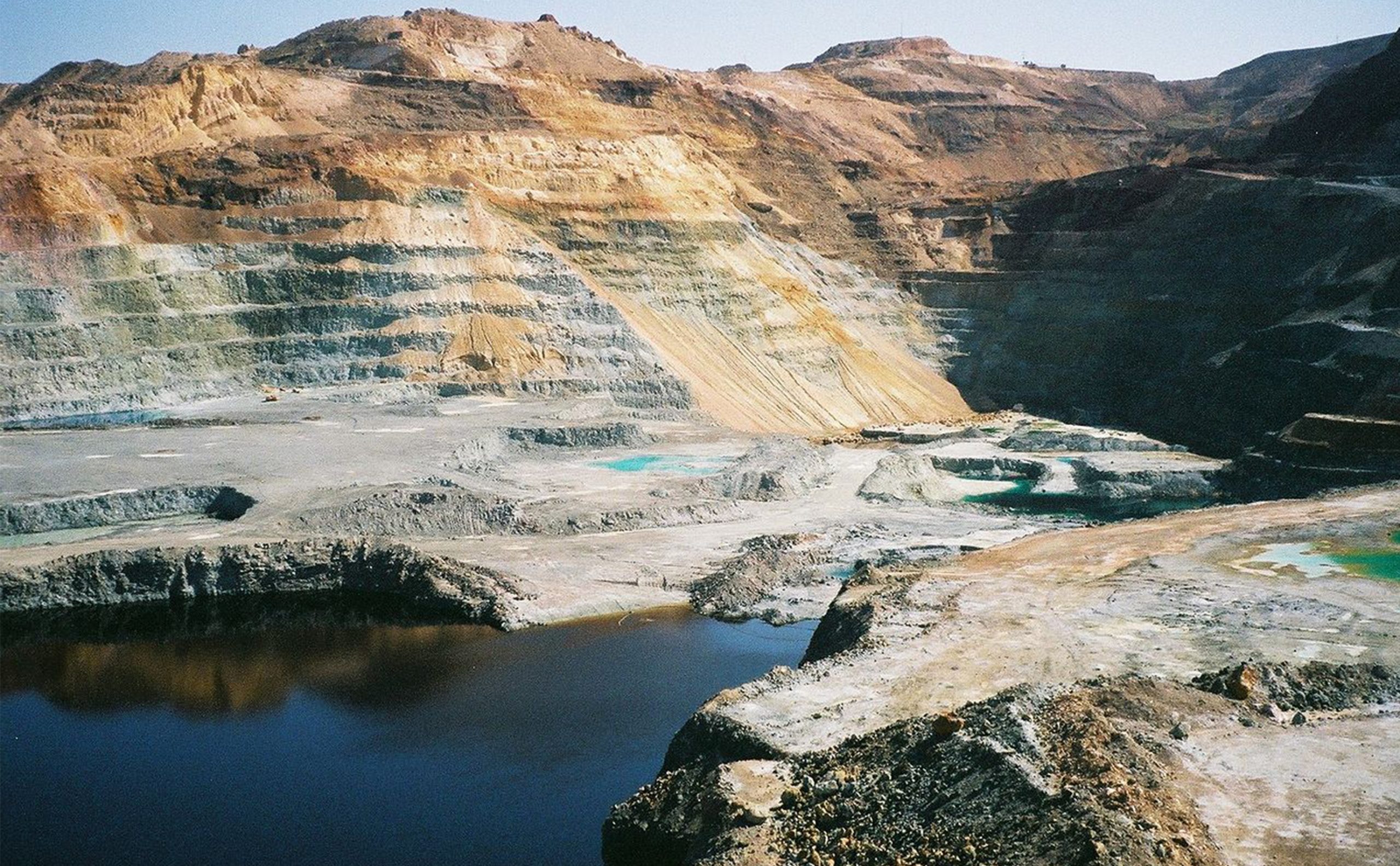
This is not a story of passive geography or accidental wealth. It is the story of how an island learned to move its resources outward, turning stone into influence and distance into connection.
- An Island Defined by What Lay Beneath
- Geography That Favored the Sea
- When Copper Became Power
- From Mountain Rock to Maritime Cargo
- Sea Routes That Bound the Mediterranean
- More Than Metal Moved Across the Sea
- Proof Preserved on Land and Sea
- How Copper Reshaped the Island Itself
- Why This Story Still Matters
- Walking the Copper Landscape Today
- A Maritime Kingdom Forged in Metal
An Island Defined by What Lay Beneath
Copper was the first metal to change how societies lived. It allowed stronger tools, more effective weapons, and eventually the creation of bronze, the alloy that defined an entire era. Control of copper meant control of technology, agriculture, and military power.
Cyprus stood apart because of scale. Its copper deposits, concentrated in the Troodos Mountains, were among the richest and most accessible in the ancient world. Mining was not scattered or marginal. It was continuous, extensive, and organized.
The island’s association with copper became so strong that the Latin word cuprum ultimately derived from Cyprus. While the name of the island itself likely predates the metal trade, the linguistic link reflects how closely Cyprus and copper became intertwined in the ancient imagination.
Geography That Favored the Sea
Cyprus’s role as a trading power was shaped by more than mineral wealth. Its position in the eastern Mediterranean placed it within practical sailing distance of three major regions: the Aegean world to the northwest, the Levant to the east, and Egypt to the south.
Sea routes between these regions were shorter and more reliable than overland alternatives. A ship could move enormous quantities of metal with far less effort than caravans crossing mountains and deserts. Cyprus also offered natural harbors along much of its coastline, providing shelter for vessels carrying heavy cargo.
Equally important was proximity. Copper ore could be transported from the Troodos foothills to coastal ports without crossing vast distances. This tight link between mine, workshop, and harbor made large-scale export possible long before industrial technology existed.
When Copper Became Power
Early copper extraction in Cyprus began thousands of years before the Bronze Age, but production remained limited at first. Copper was useful, yet demand was regional rather than global.
That changed dramatically during the Late Bronze Age. Expanding populations, centralized states, and frequent conflict created unprecedented demand for bronze. Tin was rare and scattered. Copper was essential. Without a reliable supply, armies could not equip themselves, and states could not maintain power.
Cyprus emerged as the solution. Its mines produced copper in quantities unmatched elsewhere in the eastern Mediterranean. For many societies, access to Cypriot copper was no longer optional. It was strategic.
From Mountain Rock to Maritime Cargo
Copper production was labor-intensive and highly organized. Miners followed ore veins deep into the mountains, using increasingly advanced tools as metallurgy improved. Extraction required skill, coordination, and endurance.
Once removed, ore was smelted in clay furnaces fueled by charcoal. This process separated metal from waste, producing vast slag heaps that still mark the landscape today. The scale of these remains shows that production was not occasional. It was sustained over centuries.
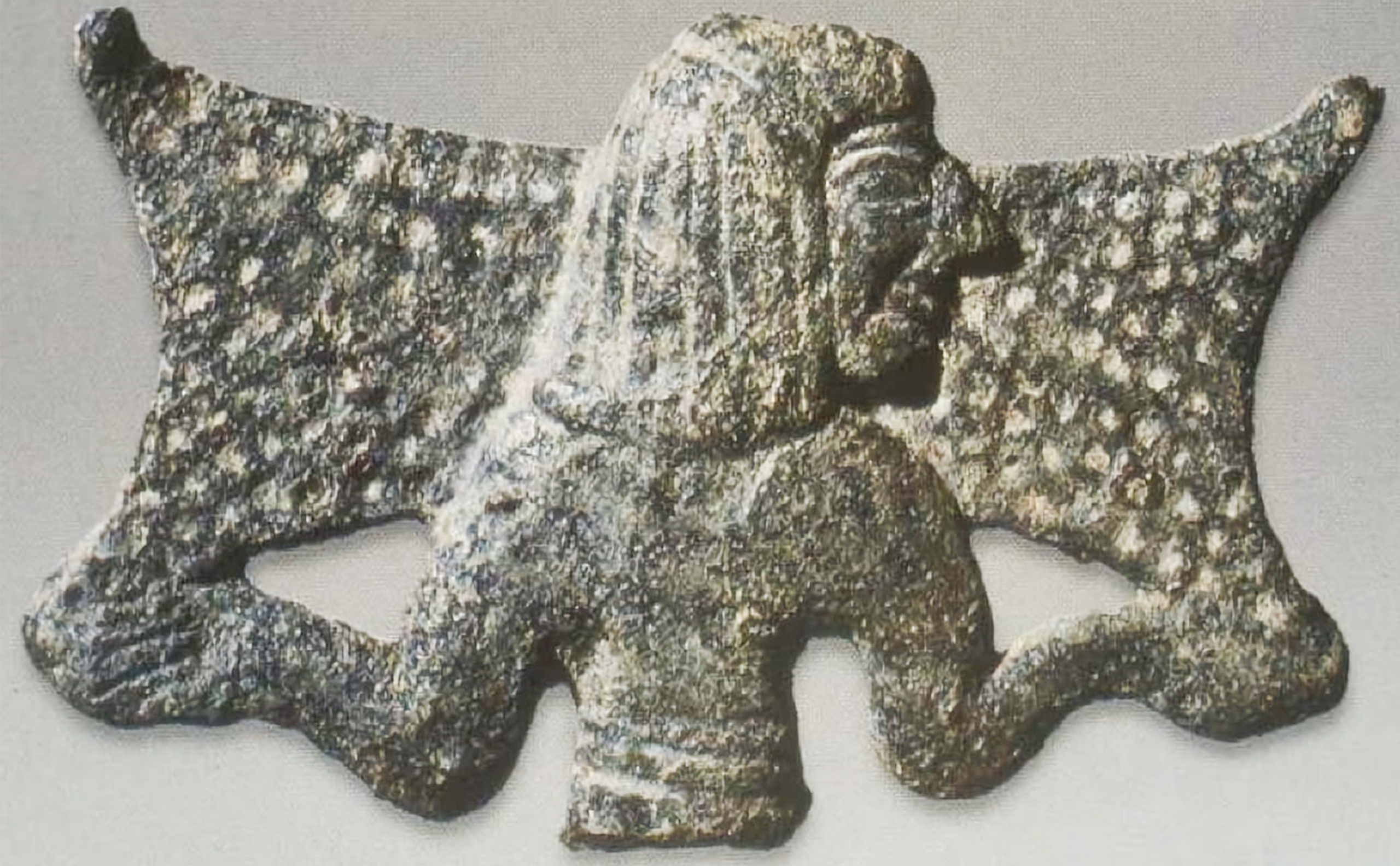
To move copper efficiently, Cypriot producers developed a standardized form: the oxhide ingot. These large, flat slabs, shaped with four protruding “handles,” could be lifted, stacked, and secured aboard ships. The form was practical, but it also carried meaning. To foreign buyers, oxhide ingots signaled consistent quality and origin. They were an early form of trust embedded in shape.
Sea Routes That Bound the Mediterranean
With copper prepared for transport, Cyprus became the hub of a maritime system that linked distant civilizations. Ships sailed predictable routes, timed to favorable seasons and winds.
Egypt exchanged grain, gold, and luxury goods for Cypriot copper. The Levant connected island trade to inland networks reaching deep into the Near East. The Aegean world supplied pottery, olive oil, and wine, while absorbing Cypriot metal into its own economic systems.
These journeys were dangerous. Sailors depended on stars, coastlines, and experience. Storms, piracy, and navigation errors posed constant threats. Yet trade persisted, generation after generation, because the rewards outweighed the risks.
More Than Metal Moved Across the Sea
Copper formed the backbone of exchange, but it was not the only thing moving through Cypriot ports. Timber, agricultural products, and crafted goods traveled outward. In return came ideas.
Writing systems, artistic styles, and religious concepts arrived with traders and settlers. Coastal towns expanded into cosmopolitan centers where languages mixed and foreign customs became familiar. Cyprus did not simply export raw material. It absorbed influence and redistributed culture.
Ports such as Enkomi and Kition grew into powerful urban centers, managing production, storage, and trade. These were not passive harbors. They were administrative and economic engines tied directly to maritime exchange.
Proof Preserved on Land and Sea
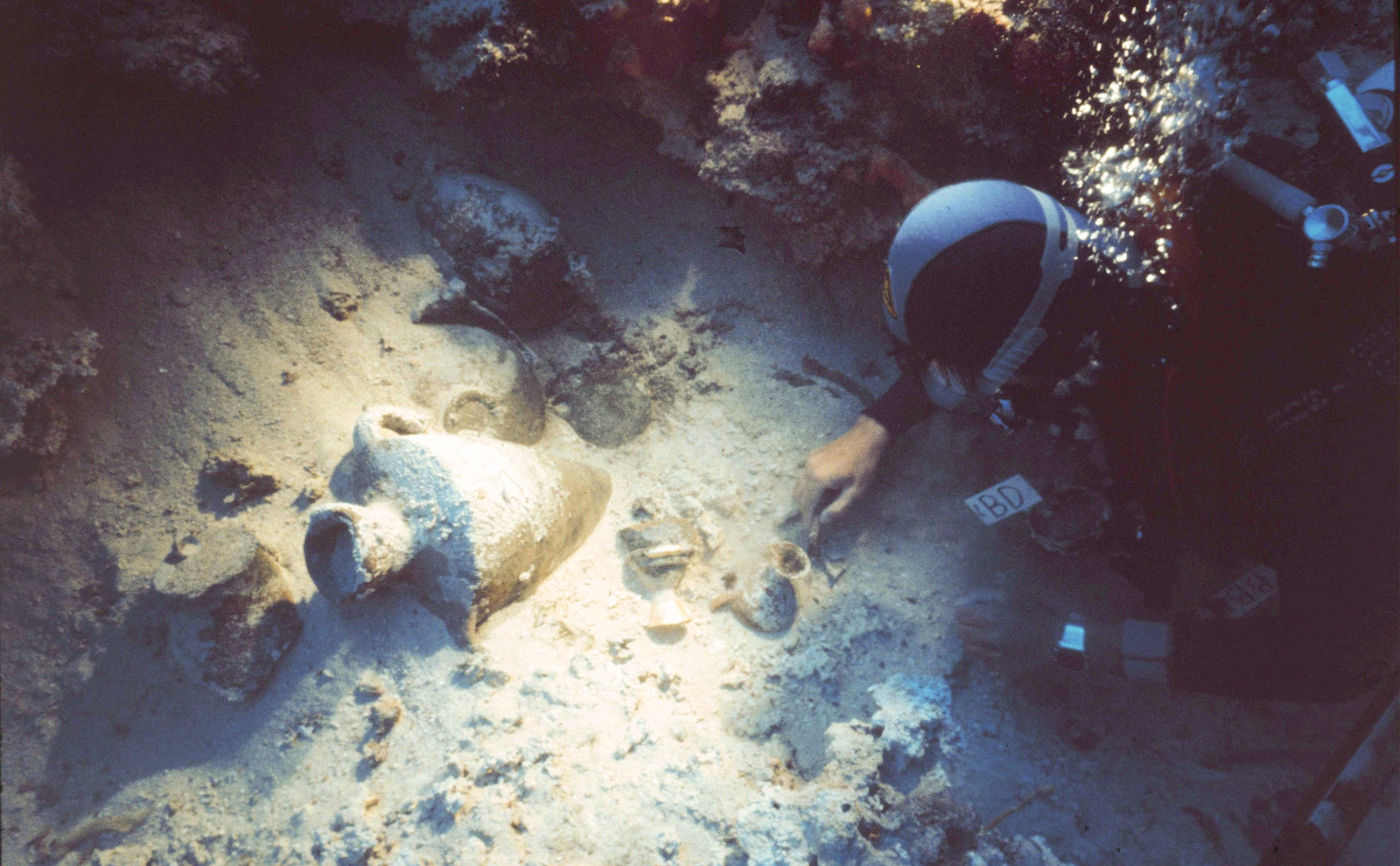
The scale of Cyprus’s copper trade is no longer speculative. Archaeology has provided striking confirmation. One of the most important discoveries is the Uluburun shipwreck, dating to the 14th century BCE. Its cargo included tons of Cypriot copper oxhide ingots alongside goods from across the Mediterranean.
On land, slag heaps, furnace remains, and abandoned mines trace centuries of industrial activity. Scientific analysis has matched copper artifacts found across Europe and the Near East to Cypriot ore sources, confirming how far this metal traveled.
Together, these findings reveal a level of connectivity that reshapes our understanding of the ancient world.
How Copper Reshaped the Island Itself
The wealth generated by copper transformed Cypriot society. Mining, smelting, transport, and trade created new forms of labor and new centers of power. Those who controlled production gained influence, shaping early political structures.
City-kingdoms emerged, each managing territory, resources, and maritime connections. Cooperation and competition existed side by side, driven by access to copper and trade routes.
In international correspondence, Cyprus appeared as Alashiya, a crucial supplier whose shipments could affect the stability of entire regions. When copper failed to arrive, consequences rippled far beyond the island.
Why This Story Still Matters
Copper no longer defines Cyprus’s economy, but its legacy remains foundational. The island’s early wealth funded cities, infrastructure, and cultural development that shaped its long-term identity.
Modern research continues to refine this story. Underwater archaeology reveals lost ships. Scientific techniques trace metal back to specific mines. Each discovery reinforces the same conclusion. Cyprus was not peripheral. It was central.
Walking the Copper Landscape Today
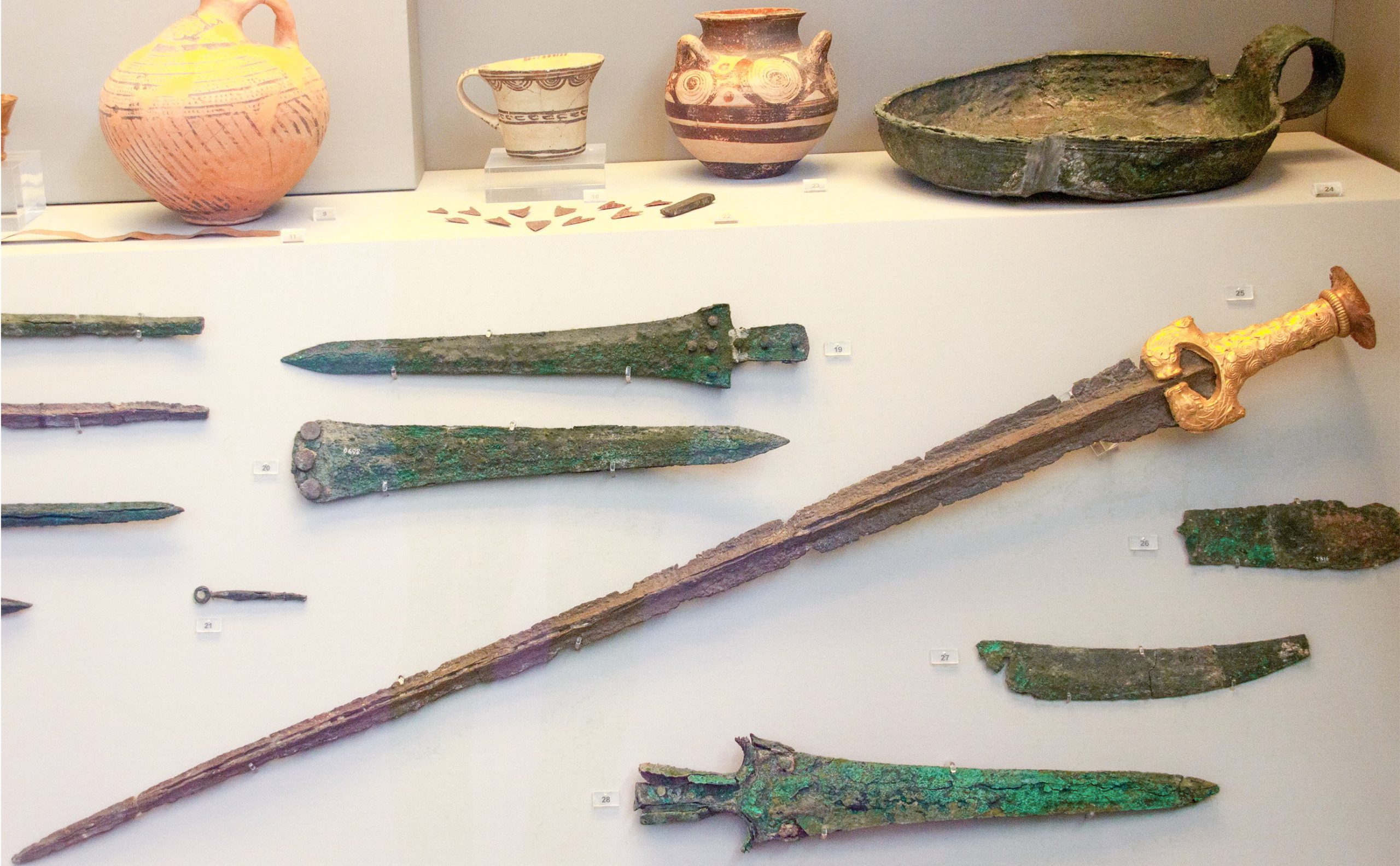
Visitors can still follow this story across the island. Ancient port sites reveal where ships once loaded metal bound for distant shores. Museums display oxhide ingots, tools, and trade goods that speak to scale and organization.
In the Troodos region, reddish soil and abandoned mine entrances point to the source of it all. These landscapes are quiet now, but they once powered a world.
A Maritime Kingdom Forged in Metal
Cyprus did not rule the Mediterranean through conquest. It ruled through supply. Its copper forged tools, weapons, and alliances, linking civilizations long before empires fully emerged.
In moving copper across the sea, Cyprus forged something more durable than metal. It forged the earliest foundations of Mediterranean connectivity, proving that trade, not territory, could shape history.